Sauces & Condiments
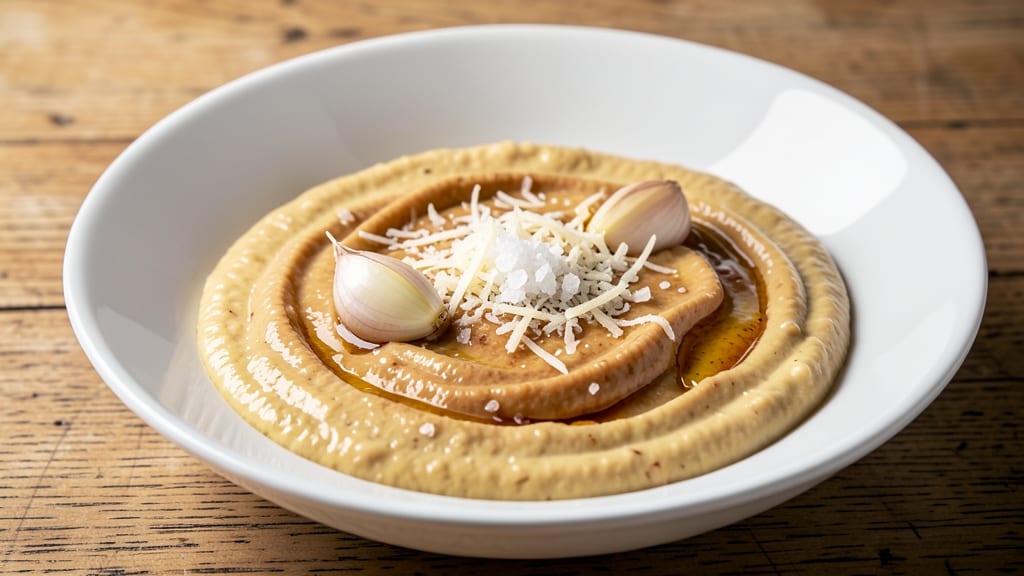
Creating a rich, velvety Alfredo sauce in just 15 minutes transforms ordinary pasta into a restaurant-worthy masterpiece. This recipe delivers a perfectly balanced blend of buttery richness and sharp parmesan flavor without requiring hours of simmering.
The secret lies in a precise technique that prevents separation while building depth through proper cheese melting and emulsification.
Professional chefs rely on this method to achieve a sauce that coats pasta effortlessly yet remains light enough to avoid feeling heavy.
You'll need just 5 key ingredients—butter, heavy cream, parmesan, garlic, and a pinch of salt—to create a sauce that's creamy, flavorful, and ready in under 15 minutes. The process is straightforward but demands attention to temperature control and stirring technique for that signature silky texture.
What you'll end up with is a luscious sauce that clings perfectly to fettuccine or penne, offering a luxurious mouthfeel with every bite. The aroma alone will have everyone anticipating dinner, while the taste delivers that perfect balance of buttery smoothness and nutty parmesan.
This sauce works equally well as a pasta topping, meat glaze, or dipping sauce for breadsticks.
Store any leftovers in an airtight container in the refrigerator for up to 3 days, or freeze for longer storage. The sauce reheats beautifully, maintaining its velvety consistency.
Whether you're preparing a weeknight dinner or hosting a dinner party, this Alfredo sauce will elevate your meal to new heights with minimal effort.
Ingredients for alfreado sauce
Five ingredients, fifteen minutes—this sauce delivers restaurant-quality depth with minimal effort.
| Ingredient | Amount | Notes |
|---|---|---|
| Unsalted Butter 🧈 | ¾ cup | Cold, cut into small cubes |
| Heavy Whipping Cream 🥛 | 1 ½ cups | Full-fat for optimal richness |
| Parmesan Cheese 🧀 | 1 ½ cups | Freshly grated, fine texture |
| Garlic Cloves 🧄 | 4 cloves | Minced, fresh preferred |
| Diamond Crystal Kosher Salt 🧂 | ¼ tsp | Adjust to taste |
The butter and heavy cream form the sauce's luxurious foundation, so prioritize quality. European-style unsalted butter from brands like Plugrá or Kerrygold adds nuanced flavor, while heavy cream should be at least 36% fat for proper emulsification. Freshly grated Parmesan—Parmigiano-Reggiano specifically—is non-negotiable; pre-grated contains anti-caking agents that disrupt texture. For garlic, freshly minced cloves release more aromatic compounds than pre-minced. The kosher salt enhances flavor without overpowering the delicate balance.
No heavy cream? Full-fat Greek yogurt or crème fraîche works in a pinch, though texture will differ slightly. Substitute Parmesan with Pecorino Romano at a 1:1 ratio for a sharper profile. Short on butter? Ghee or duck fat provides similar richness. The garlic can be roasted for a sweeter note, though raw minced delivers the classic punch. For a dairy-free adaptation, cashew cream or coconut milk replaces the heavy cream, but texture will be lighter. Always taste as you go—this sauce forgives minor adjustments better than most.
Freshly made Alfredo sauce separates quickly when refrigerated, so store it in an airtight container with a thin layer of plastic wrap pressed directly on the surface to prevent a skin from forming. Consume within 3 days for peak texture, though flavor remains stable. For freezing, portion into ice cube trays before transferring to a sealed bag—thaw in the refrigerator overnight for best results. Reheat gently over low heat, stirring constantly, until just warmed through to avoid curdling. The sauce reheats beautifully when properly stored, maintaining its velvety consistency.
Why You'll Love This Recipe
- No-Fuss Simmer: I swear by this sauce because it’s basically set it and forget it—just melt butter, toss in garlic, and let the cream and Parmesan do the work. No whisking until your arm falls off, no straining for herbs you don’t even need. The only real effort is waiting, and honestly? That’s the best part.
- Umami Bomb: That first bite of buttery, garlicky richness with the sharp bite of Parmesan? It’s like a hug for your taste buds. The cream makes it velvety, but the salt and garlic cut through it just enough to keep it from being too heavy—perfect for people who love flavor but hate cloying sauces.
- Weeknight Swiss Army Knife: This sauce is my secret weapon for pasta, roasted veggies, even grilled chicken. Make a double batch on Sunday, and you’ve got dinner covered for three nights. (Yes, even on a Tuesday night when you’re too tired to think.) It’s the kind of thing that turns a simple meal into something that feels special—without trying too hard.
- Leftovers That Don’t Suck: Most sauces turn into a sad, watery mess after day two, but not this one. The fat in the butter and cream keeps it rich, and the Parmesan actually improves as it sits—like a better, cheesier version of itself. Plus, it reheats in seconds, so you’re not stuck with a fridge full of forgotten leftovers. Win.
Step-by-step instructions for Alfreado sauce
Master this rich, velvety sauce in record time with precise technique and professional results.
Melt the Cold Butter Over Gentle Heat
Place a medium saucepan over medium-low heat and add the 0.75 cup unsalted butter, cut into small cubes. Allow it to melt completely while stirring gently with a wooden spoon—this prevents burning and creates a smooth base. Watch closely as the butter transforms from solid to liquid, and you'll notice it develops a subtle nutty aroma. This aroma signals the butter is ready for the next step, and it should take about 3-4 minutes to fully melt without browning.
I like to use medium-low heat for this initial step because butter burns easily when exposed to high temperatures. If the butter begins to foam excessively or takes on a golden tint, immediately reduce the heat to maintain its delicate flavor profile. The goal here is to create a silky foundation for the sauce, not to add any color or additional flavors through browning.
Infuse the Garlic and Build Flavor
Once the butter has fully melted, add the 4 cloves minced garlic and stir constantly for 30-45 seconds until the garlic becomes fragrant but doesn't brown. The garlic should release its aroma almost immediately—this is your cue that it's ready to be incorporated into the sauce. Browning garlic at this stage would impart bitterness, so vigilance is key.
Here's the thing—garlic burns faster than you think. If you see the mixture darken or smell a sharp, acrid aroma, remove the pan from heat immediately. The garlic should be pale golden when finished, not deep brown. This step builds the aromatic foundation of your sauce, so don't rush it. Once the garlic is infused, you'll notice the butter takes on a subtle golden hue and a more complex flavor profile.
Incorporate the Parmesan and Cream
Reduce the heat to low and gradually whisk in the 1.5 cups freshly grated Parmesan cheese and 1.5 cups heavy whipping cream. Start with the Parmesan first, whisking vigorously until it melts completely into the butter. The cheese should dissolve smoothly, creating a thick, velvety paste. Then, slowly pour in the cream while continuing to whisk constantly to prevent any separation or curdling.
This is where the sauce begins to transform. The combination of the melted butter, garlic, and cheese creates an emulsified base that the cream will blend into seamlessly. Whisking continuously ensures that the cheese doesn't clump and that the cream integrates evenly. If you notice any lumps forming, increase the heat slightly to help dissolve them. The mixture should thicken gradually as it simmers.
Season and Simmer to Perfection
Add the 0.25 teaspoon Diamond Crystal kosher salt and stir to combine. Increase the heat to medium-low and let the sauce simmer gently for 5-7 minutes, stirring occasionally with a wooden spoon. The sauce should thicken noticeably as it reduces, becoming glossy and coatable on the back of a spoon. This simmering step allows the flavors to meld together and develop depth.
Taste the sauce as it simmers and adjust the seasoning if needed. If it requires more salt, add it gradually—you can always add more, but you can't remove excess salt. The sauce should be rich, slightly tangy from the Parmesan, and subtly garlicky. If it becomes too thick during simmering, whisk in 1-2 tablespoons of warm water to achieve the desired consistency. The final sauce should be smooth, velvety, and ready to elevate any dish it accompanies.
Strain and Serve Immediately
For a perfectly smooth sauce, strain it through a fine-mesh sieve into a clean saucepan. This step removes any potential cheese grit and ensures a silky texture. Return the sauce to low heat if needed to maintain its temperature, and keep it warm until serving. The sauce should coat the back of a spoon effortlessly and have a luxurious sheen.
Serve the Alfreado sauce immediately over pasta, grilled meats, or crusty bread to experience its full potential. The sauce's rich, buttery flavor and velvety texture make it a versatile addition to any meal. If you're using it for pasta, toss it in while the pasta is still hot to ensure it clings beautifully to each strand. This sauce is best enjoyed fresh, as its flavors continue to develop and deepen while it's served.
Pro Tips For Making Alfreado Sauce
- Sweat the Garlic: I used to burn this step every time—now I swear by a gentle simmer over low heat with a splash of cream. The garlic should perfume the butter without browning, or you’ll end up with bitter bits that ruin the sauce. If it smells like heaven, you’re golden.
- Salt the Cream: Season the heavy cream before adding it to the butter. A pinch of kosher salt (about ¼ teaspoon) upfront keeps the sauce from tasting flat, especially if you’re using unsalted butter. Trust me, the flavor difference is noticeable.
- Grate Parmesan Fresh: Pre-grated Parmesan hides sawdust and clumps that turn your sauce grainy. Use a microplane or fine grater for a silky texture—it’s worth the extra 30 seconds. The cheese should melt into the sauce like butter, not float like sand.
- Whisk Like Your Life Depends on It: Don’t just stir—whisk vigorously over medium-low heat to emulsify the butter and cream. If it breaks (separates), immediately whisk in a splash of cold cream and lower the heat. A broken sauce is a sad sauce.
Dietary considerations for alfreado sauce
Lactose-Free Adaptation
For those avoiding lactose, substitute the heavy cream with full-fat coconut milk (about 1.5 cups) and use nutritional yeast (about ¼ cup) instead of Parmesan. Nutritional yeast provides a cheesy, umami flavor without dairy.
Add 1 teaspoon lemon juice to balance the richness. The texture will be slightly lighter but still creamy. 🌱
Dairy-Free Cheese Options
If you need to avoid all dairy, consider cashew cream (blend 1 cup soaked cashews with 1 cup water) as a base. For Parmesan replacement, try vegan Parmesan (store-bought or homemade with almonds, nutritional yeast, and garlic powder).
The sauce will have a different mouthfeel but still deliver rich, savory depth.
Gluten-Free Considerations
Alfredo sauce is naturally gluten-free, but always check your Parmesan cheese label—some brands include anti-caking agents with gluten. Opt for certified gluten-free Parmesan if needed. The sauce pairs beautifully with gluten-free pasta made from rice, corn, or chickpea flour. I recommend Barilla Gluten-Free Fettuccine for a reliable texture.
Lower-Calorie Versions
To reduce calories, use light butter (about ½ cup) and light cream cheese (about ½ cup) blended with ½ cup heavy cream. Replace half the Parmesan with low-fat cottage cheese (about ½ cup) for creaminess.
This version cuts calories by about 30% while keeping the sauce rich and flavorful.
Nut-Free Allergy Safety
If nut allergies are a concern, avoid cashew or almond-based substitutions. Instead, use oat milk cream (blend 1 cup oat milk with 1 tablespoon cornstarch to thicken) as a neutral base. For cheesiness, add ¼ cup tapioca starch mixed with 1 tablespoon nutritional yeast to mimic the umami profile.
Nutrition facts
Frequently asked questions about Alfreado sauce
Why does my Alfredo sauce get grainy?
Graininess happens when cheese doesn't melt completely or when the sauce separates. Always use freshly grated Parmesan (not pre-shredded) and stir constantly over low heat while adding the cream. If lumps form, whisk in 1 tablespoon warm water to dissolve them. The key is patience—don't rush the melting process!
Can I make this sauce ahead of time?
Fresh is best, but you can prepare it up to 1 day ahead. Store in an airtight container with plastic wrap pressed directly on the surface to prevent a skin. Reheat gently over low heat, stirring constantly, until warmed through. For longer storage, freeze in ice cube trays—thaw overnight in the fridge. The texture may separate slightly when refrigerated, so whisk vigorously before reheating.
What's the best pasta to pair with this sauce?
Fettuccine or tagliatelle are classic choices—their wide, flat surfaces catch the sauce beautifully. For extra indulgence, try pappardelle or even gnocchi. If you prefer heartier options, penne or rigatoni work well too. The key is to toss the sauce with hot pasta right before serving to maintain that velvety consistency.
How can I make this sauce thicker or thinner?
For a thicker sauce, simmer uncovered for 2-3 extra minutes to reduce the liquid. Need it thinner? Whisk in 1-2 tablespoons warm water or heavy cream gradually. If the sauce separates when thinning, whisk vigorously over low heat to re-emulsify. The ideal consistency should coat the back of a spoon but remain pourable.
What other dishes can I use this sauce for besides pasta?
This versatile sauce works beautifully as a glaze for grilled chicken or steak, a dip for breadsticks or mozzarella sticks, or even a creamy topping for baked potatoes. Try drizzling it over roasted vegetables like broccoli or Brussels sprouts for a rich, cheesy finish. The possibilities are endless—just heat it gently to maintain that silky texture!