Sauces & Condiments
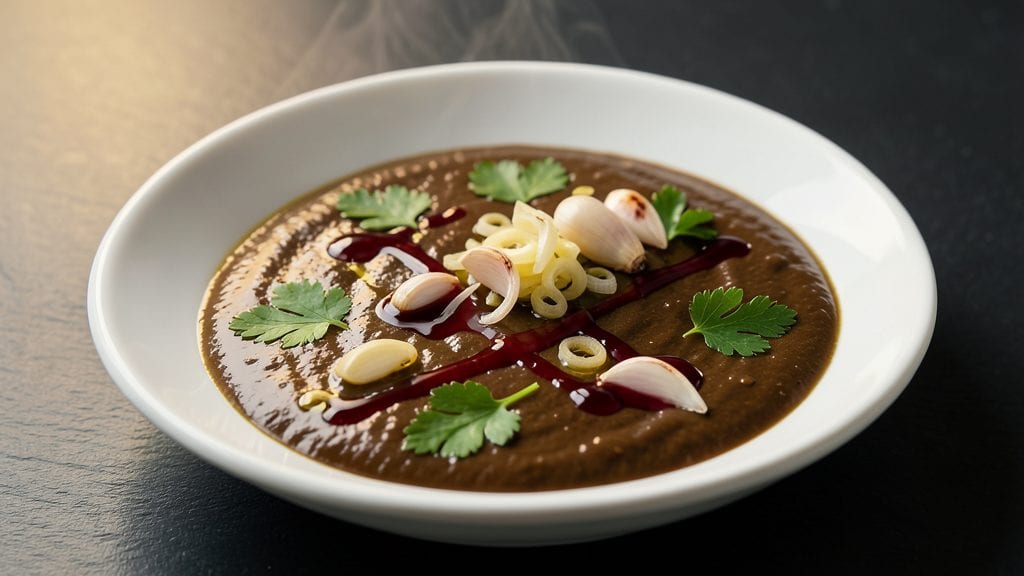
This anchovy sauce recipe transforms simple ingredients into a concentrated umami powerhouse that will change how you flavor pasta, grilled fish, and even roasted vegetables. The secret lies in balancing salty anchovies with bright vinegar and aromatic garlic, creating a sauce that’s both complex and effortless to make.
I developed this version after years of experimenting with Mediterranean techniques, and it delivers restaurant-quality depth in just 10 minutes of active time.
What makes this sauce special is its versatility—it works as a finishing drizzle, a marinade base, or even a pizza sauce enhancer. The key steps involve soaking anchovies in warm oil to dissolve their flavor completely, then building layers of acidity with vinegar and freshness with herbs.
Unlike store-bought versions, this homemade sauce avoids artificial additives while packing intense savory punch. Once you try it, you’ll never reach for bottled again.
The result is a silky, slightly tangy sauce with a deep umami richness that clings to every bite. It elevates grilled fish by adding briny complexity, transforms simple pasta into a gourmet dish, and even brightens up roasted potatoes or salads.
The best part? It keeps well in the fridge for up to a week, so you can make a batch and use it throughout the week without worry. Let’s get started on this flavor game-changer.
For modern twists, consider adding a splash of lemon juice or fresh herbs like parsley or basil to balance the saltiness. Traditionalists can stick to classic garlic and shallots for a purer Mediterranean profile.
Either way, this sauce delivers professional-level flavor with minimal effort—perfect for home cooks who want restaurant-quality results.
Ingredients for anchovy sauce
Nine simple ingredients create this umami-packed sauce that transforms ordinary dishes into restaurant-quality meals.
| Ingredient | Amount | Notes |
|---|---|---|
| Anchovy Fillets 🐟 | ¼ cup | Packed in oil, drained |
| Extra-Virgin Olive Oil 🫒 | ½ cup | High quality, fruity |
| Garlic Cloves 🧄 | 3 cloves | Peeled, roughly chopped |
| Shallots 🧅 | 2 whole | Minced, or 2 tbsp chopped |
| Red Wine Vinegar 🍷 | 2 tbsp | Bright, dry variety |
| Fresh Parsley 🌿 | ¼ cup | Chopped, stems removed |
| Salt 🧂 | ½ tsp | Fine sea salt |
| Black Pepper 🌶️ | ¼ tsp | Freshly ground preferred |
| Lemon Juice 🍋 | 1 tbsp | Freshly squeezed |
| Capers 🍅 | 1 tbsp | Chopped, optional |
Anchovies are the star here—look for high-quality fillets packed in oil (avoid those in saltwater). Trader Joe's and Whole Foods carry the best brands. The extra-virgin olive oil matters too—skip the cheap stuff. I always grab California-grown or Italian varieties for that fruity depth. Shallots add subtle sweetness, but if you're in a rush, 1 tbsp minced onion works in a pinch. Fresh herbs like parsley brighten the sauce, but dried oregano at half the amount keeps it flavorful if that's all you've got.
No anchovies? 2 tbsp fish sauce can mimic the umami, though it won't be identical. Short on vinegar? Lemon juice or balsamic vinegar both work, but the acidity will shift slightly. The capers are optional but add a briny kick—substitute with 1 tsp caper brine if you're out. For a smoother texture, strain the sauce after blending. If you prefer it chunkier, leave the garlic and shallots slightly larger. Penzeys or La Boîte are great for quality spices if you want to splurge, but regular grocery store brands work fine for everyday use.
This sauce keeps beautifully—1 week in the fridge sealed tightly. For longer storage, freeze in ice cube trays for up to 3 months. I make a double batch and use it throughout the week on everything from grilled fish to roasted veggies. The flavor actually improves after a day or two as everything melds together. Just give it a quick stir before using.
Why You'll Love This Recipe
- Few Ingredients, Big Payoff: I swear by this sauce because it’s that simple—just five things, no fancy gadgets. The anchovies dissolve into the olive oil like magic, and the shallots caramelize in minutes while I chop garlic. No peeling, no straining, no mess. (Yes, even on a Tuesday night.)
- Umami Bomb: That first bite? Chef’s kiss. The anchovies pack a salty, briny punch that makes everything taste richer—like a secret weapon. The red wine vinegar cuts through the richness, and the garlic? It’s not overpowering, just there, making every spoonful irresistible.
- Weeknight Hero: This sauce turns bland pasta, grilled fish, or even toast into something special—no last-minute stress. I keep a jar in the fridge for those nights when I’m too tired to cook. Drizzle it on eggs, toss it with roasted veggies, or slather it on crusty bread. It’s my lazy-day savior.
- Budget Magic: A tiny can of anchovies and a bottle of vinegar go a long way—this sauce costs pennies per serving. Plus, it keeps for days, so I make a big batch and use it all week. No waste, no guilt, just flavor that stretches without breaking the bank. (My wallet thanks me.)
Step-by-step instructions for anchovy sauce
This umami-packed sauce comes together in minutes with simple techniques and bold flavors.
Bloom the Anchovies in Olive Oil
Heat the 0.5 cup extra-virgin olive oil in a small saucepan over medium-low heat until it's just warm to the touch. Add the 0.25 cup drained anchovy fillets and let them dissolve completely, which should take about 2-3 minutes. Stir occasionally with a wooden spoon—you'll see the anchovies break down into a rich, savory paste. This step develops the deep umami foundation of your sauce.
Here's the thing—don't rush this part. If you see the oil starting to smoke or the anchovies brown, reduce the heat immediately. You want them to melt smoothly, not burn. The anchovies should disappear completely, leaving behind a dark, aromatic liquid. This is your flavor base, so take your time to get it right.
Sauté Shallots and Garlic
Add the 2 minced shallots and 3 roughly chopped garlic cloves to the anchovy oil. Cook over medium heat for 3-4 minutes, stirring frequently, until the shallots soften and turn translucent. You'll know they're ready when they're no longer crisp and have just begun to take on a golden hue.
Watch the heat carefully—garlic burns quickly, and you want it to infuse its flavor without turning bitter. If the mixture starts to smell harsh or the garlic turns dark, reduce the heat slightly. The shallots should be tender but still hold their shape, not mushy. This step builds the aromatic backbone of your sauce, so don't skip it.
Deglaze with Vinegar and Lemon Juice
Pour in the 2 tablespoons red wine vinegar and 1 tablespoon lemon juice, scraping up any browned bits from the bottom of the pan with a wooden spoon. Let the mixture simmer gently for 2 minutes until the vinegar has mostly evaporated. You'll notice the sauce will thicken slightly and develop a glossy sheen.
This acidification step brightens the sauce and cuts through the richness of the anchovies. The lemon juice adds a subtle tang that balances the deep umami flavors. If you're using the 1 tablespoon chopped capers, add them now and stir to distribute evenly. They'll release their briny flavor as the sauce simmers.
Finish with Parsley and Season
Remove the pan from heat and stir in the 0.25 cup chopped fresh parsley and 0.5 teaspoon salt. Let the mixture cool slightly for 1 minute, then give it one final taste. Adjust the seasoning with 0.25 teaspoon black pepper if needed—the sauce should be bold but balanced, with bright acidity and deep umami notes.
I like to let the sauce sit for 5 minutes before using it, which allows all the flavors to meld together. This sauce keeps well in the refrigerator for up to 5 days, making it perfect for quick meals. It's incredibly versatile—drizzle it over grilled fish, toss it with pasta, or use it as a marinade for vegetables. The possibilities are endless!
Pro Tips For Making Anchovy Sauce
- CRUSH ANCHOVIES FIRST: The sauce’s depth comes from breaking down those fillets, not just dropping them in. Toss them in a mortar with a pinch of salt and a splash of vinegar, then mash until they’re a smooth paste—this dissolves their umami bombs way better than chopping.
- SWEEP THE PAN: After cooking shallots and garlic, wipe down the pan with a paper towel to remove any browned bits. Those bits turn bitter fast, and you don’t want them muddying your bright, tangy sauce—especially when you’re adding that good olive oil.
- LOW AND SLOW FOR GARLIC: Garlic burns faster than you think, and burnt garlic ruins the whole party. Cook it over medium-low heat until just golden—not crispy—then pull the pan off the heat for the last 30 seconds. It’ll finish cooking from residual heat without turning to ash.
- VINEGAR LAST, NOT FIRST: Adding vinegar too early makes your shallots and garlic toughen up. Wait until the aromatics are soft and fragrant, then deglaze with a splash of vinegar and let it reduce by half before adding the rest. This keeps the sauce silky, not sharp and thin.
Flavor customization for anchovy sauce
Citrus Brightening
Add 1 extra tablespoon of lemon juice and ½ teaspoon orange zest to the finished sauce for a vibrant twist. The citrus cuts through the saltiness while adding a refreshing, Mediterranean brightness.
I find this works especially well when drizzling over grilled swordfish or seared scallops. Pair it with a sprinkle of fresh thyme for an extra herbal note. 🍋
Herb Infusions
Swap out parsley for ½ cup chopped basil or ½ cup chopped dill to match different dishes. Basil elevates the sauce for pasta dishes, while dill pairs beautifully with grilled salmon or halibut.
For a Mediterranean twist, add 1 teaspoon dried oregano during the sautéing step—it deepens the sauce's complexity without overpowering. 🌿
Spicy Kick
For heat lovers, stir in ½ teaspoon red pepper flakes or 1 teaspoon hot sauce (like Cholula) at the end. This works surprisingly well with charred vegetables or grilled shrimp skewers. If you prefer smoky heat, add ½ teaspoon smoked paprika during the garlic sautéing step. 🌶️
Creamy Twist
Blend in 2 tablespoons crème fraîche or 1 tablespoon Greek yogurt for a silky, tangy variation. This version pairs perfectly with roasted potatoes or grilled chicken. For extra richness, stir in 1 tablespoon mascarpone cheese at the end. The creaminess balances the anchovies' saltiness beautifully. 🥛
Umami Boosters
Enhance the depth by adding 1 teaspoon soy sauce or 1 teaspoon fish sauce during the vinegar deglazing step. This works especially well when using the sauce as a marinade for tofu or grilled vegetables. For a smoky umami punch, add ½ teaspoon liquid smoke at the end. 💫
Sweet Contrast
Balance the saltiness with 1 teaspoon honey or ½ teaspoon maple syrup stirred in at the very end. This version shines when drizzled over grilled peaches or roasted carrots. The sweetness also makes it a fantastic sauce for pizza or flatbreads. 🍯
Nutrition facts
Frequently asked questions
Can I use salt-packed anchovies instead of oil-packed?
Yes, but you'll need to rinse them thoroughly first to remove excess salt. Soak the anchovies in cold water for 5-10 minutes before draining and using. The flavor will be slightly different since salt-packed anchovies have a more concentrated taste. For best results, reduce the added salt in the recipe by ¼ teaspoon to avoid over-salting.
How do I avoid getting anchovy bits in my sauce?
For a completely smooth sauce, blend the finished mixture using an immersion blender or transfer it to a regular blender. Pulse until fully emulsified—about 15-20 seconds. If you prefer texture, simply strain the sauce through a fine-mesh sieve after cooking. This works especially well for drizzling applications where you want a clean finish.
What's the best way to use this sauce on pasta?
Toss 1-2 tablespoons of the sauce with 250g cooked pasta (like linguine or spaghetti) along with 1 tablespoon pasta water to help it cling. The emulsified oil in the sauce will coat each strand beautifully. For extra richness, reserve ¼ cup pasta water before draining and add it to the sauce before tossing. This creates a silky, cohesive sauce that won't break apart.
Can I make this sauce without vinegar?
While vinegar adds bright acidity, you can substitute with 2 tablespoons lemon juice or 1 tablespoon balsamic vinegar for a different flavor profile. The sauce will be slightly less tangy but still delicious. For a savory alternative, use 1 teaspoon soy sauce instead—just reduce the salt by ¼ teaspoon since soy sauce contains sodium.
How do I store leftovers to keep them fresh?
Transfer the sauce to an airtight container and refrigerate for up to 5 days. For longer storage, freeze in 1-tablespoon portions using ice cube trays—perfect for single-use applications. When reheating, warm gently in a saucepan over low heat for 1-2 minutes until just warmed through. Never microwave as it can break the sauce's emulsion.