
Sauces & Condiments
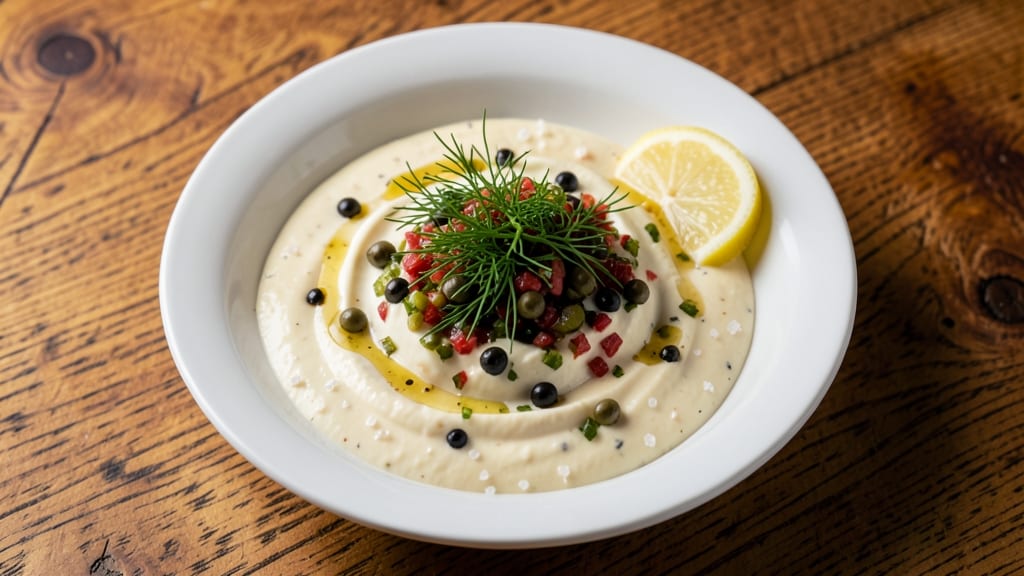
Applebee's tartar sauce recipe delivers that signature dill-pickled creaminess that makes every bite of fried shrimp or fish irresistible. The secret lies in balancing tangy pickles, briny capers, and fresh dill with rich mayonnaise—creating a sauce that's smooth, cool, and packed with flavor.
I've recreated this iconic condiment after testing countless variations, ensuring the perfect texture every time.
What sets this tartar sauce apart is its foolproof consistency—no lumps, no separation, just velvety creaminess that clings to every bite. The recipe uses simple pantry staples like mayonnaise, pickles, capers, and lemon juice, but the magic happens in the blending technique.
Just a few minutes of prep transforms these ingredients into a sauce that's restaurant-quality at home.
The result is a bright, herby, and slightly tangy sauce that elevates fried seafood to new heights. Whether you're serving up golden-crusted shrimp, crispy fish, or even loaded fries, this tartar sauce adds a cool, zesty contrast that keeps everyone asking for seconds.
The best part? It stays fresh in the fridge for up to a week, ready to enhance any meal.
Pair it with your favorite fried appetizers or use it as a dip for veggies—this tartar sauce is a versatile game-changer for any menu. Let’s get started on making it the classic way.
Ingredients for applebee's tartar sauce
Nine simple ingredients transform into Applebee's iconic tartar sauce—creamy, tangy, and perfectly balanced.
| Ingredient | Amount | Notes |
|---|---|---|
| Mayonnaise 🥛 | 1 cup | High-quality, smooth texture |
| Dill Pickle Relish 🥒 | ¼ cup | Finely chopped, not chunky |
| Capers 🌿 | 2 tbsp | Rinsed, drained, chopped fine |
| Fresh Dill Weeds 🌿 | ¼ cup | Finely chopped, stems removed |
| Lemon Juice 🍋 | 1 tbsp | Freshly squeezed, strained |
| White Wine Vinegar 🍷 | 1 tsp | For extra tanginess |
| Kosher Salt 🧂 | ½ tsp | Adjust to taste |
| Freshly Ground Black Pepper 🌶️ | ¼ tsp | Light hand, just for seasoning |
| Ice Water 💧 | 2 tbsp | For blending consistency |
The mayonnaise is the foundation, so Duke's or Hellmann's are my go-to brands—their smooth texture blends flawlessly. For the pickles, Heinz dill pickle relish is the standard, but any finely chopped relish works. Capers add that briny depth, and Penzeys or Trader Joe's carry the best quality. Fresh dill is non-negotiable here—dried lacks that bright, herby punch. If you're using store-bought dill, look for organic to ensure potency. The lemon juice should be freshly squeezed; bottled lacks the same zesty brightness. For the vinegar, Bragg or Heinz are reliable choices—avoid anything overly sweetened.
No capers? Substitute with 1 tbsp chopped cornichons or extra lemon juice for a similar tang. Short on fresh dill? Dried dill at half the amount works in a pinch, but it won’t be the same. The ice water is crucial—it prevents the sauce from turning greasy and ensures that velvety consistency. If you’re making this ahead, add the ice water just before serving to maintain texture. For extra richness, some versions include a dash of Worcestershire sauce, but I’ve found it’s not necessary for the classic Applebee’s flavor. The key is blending everything until it’s completely smooth—no lumps, no separation.
This sauce keeps beautifully in the fridge for up to 1 week, sealed in an airtight container. The flavors actually improve as it sits, letting the dill and capers meld with the mayo. For best results, stir before serving—the ingredients may settle. If the sauce thickens over time, simply add a splash of water or lemon juice to restore its creamy texture. It’s also freezer-friendly for up to 3 months, though the texture may change slightly after thawing. Portion into small containers for easy use with shrimp cocktails, fish and chips, or as a dip for veggies.
Why You'll Love This Recipe
- Five-Ingredient Magic: I swear, this sauce is the kind of recipe that makes me feel like a genius—just mayo, relish, capers, fresh dill, and lemon juice. No fancy techniques, no last-minute grocery runs, and honestly, the only tool you need is a bowl and a spoon.
- Crunchy-Tangy Balance: That bright lemon cut through the creamy mayo while the capers and dill relish add a briny, herby punch. It’s the kind of flavor that makes you pause mid-bite—like someone secretly seasoned your dish for you.
- Game for Any Plate: Between us, I’ve used this on fish tacos, chicken tenders, and even as a dip for veggies. It’s the ultimate crowd-pleaser, whether you’re feeding the family or hosting a last-minute BBQ. (Yes, even on a Tuesday night.)
- Make-Ahead MVP: I double the batch every time and stash it in the fridge for up to a week. No waste, no stress—just a jar of ready-to-go flavor that turns any meal into a restaurant-worthy moment without the markup.
Step-by-step instructions for Applebee's tartar sauce
This classic tartar sauce delivers the signature dill-pickled creaminess you know and love.
Combine Mayonnaise and Pickle Relish
In a medium bowl, add the 1 cup mayonnaise and 0.25 cup dill pickle relish. Use a silicone spatula to gently fold these together until fully incorporated. I like to work in small circles at first to ensure the relish distributes evenly without overmixing. The mixture should look smooth and homogeneous—no visible streaks of relish remaining.
This foundational combination creates the signature tangy-sweet balance. The mayonnaise provides the creamy base while the finely chopped relish delivers that distinctive pickle flavor. Take your time here—rushing can lead to uneven texture in the final sauce.
Add Capers and Fresh Dill
To the mayonnaise-relish mixture, add the 2 tbsp chopped capers and 0.25 cup finely chopped fresh dill weeds. Fold these in gently using the spatula, being careful not to crush the capers. You want them to remain whole but evenly distributed throughout the sauce.
The capers contribute a briny, umami depth while the fresh dill adds bright herbal notes that cut through the richness. I always chop the dill very finely—almost like confetti—to prevent any texture contrast in the final product. Give everything another fold to ensure complete integration.
Incorporate Acidic Components
Add the 1 tbsp lemon juice and 1 tsp white wine vinegar to the mixture. Fold these in gently, then add the 0.5 tsp kosher salt and 0.25 tsp freshly ground black pepper. Taste the sauce at this point—you should notice a bright, tangy flavor with proper seasoning balance.
The acid components brighten the flavors and prevent the sauce from tasting too heavy. The lemon juice adds freshness while the white wine vinegar contributes a subtle complexity. This is where you can adjust seasoning—if it needs more salt, add a pinch more, but be careful not to overdo it as the other ingredients are already quite flavorful.
Thin with Ice Water for Perfect Consistency
Add the 2 tbsp ice water to the mixture and fold it in until everything comes together. The ice water helps create that signature tartar sauce consistency—thick enough to cling but light enough to spread easily. You want a smooth, spoonable texture that's not too stiff.
If the sauce is still too thick after adding the ice water, add an additional 1 tsp at a time until you reach your desired consistency. The sauce should coat the back of a spoon but still be spreadable. This thinning step is crucial for achieving that classic Applebee's tartar sauce texture that's neither too heavy nor too runny.
Rest and Adjust
Cover the bowl with plastic wrap and refrigerate the sauce for at least 30 minutes. This resting period allows all the flavors to meld together and the texture to settle. I often make this sauce a day ahead—it actually tastes better after the flavors have had time to develop.
After resting, give the sauce one final taste and adjust seasoning if needed. The flavors should be balanced—tangy from the pickles, briny from the capers, fresh from the dill, and creamy from the mayonnaise. The sauce should be bright, not dull, and properly seasoned without being overpowering.
Pro Tips For Making Applebee'S Tartar Sauce
- STIR GENTLY, STOP WHEN DONE: Mixing tartar sauce is easy to overdo—once you’ve combined everything, give it three light stirs with a rubber spatula, just until the capers and relish break up slightly. Overmixing turns it grainy and separates the mayo. I learned this the hard way after making a batch that looked like wet sand.
- DRAIN, NOT DUMP, THE CAPERS: Skip the jar of brine-soaked capers—rinsing them first makes a real difference. Pat them very dry with a paper towel before adding, or the sauce will turn thin and watery. (Yes, it’s tedious, but your sauce will stay thick and bright.)
- LEMON JUICE: MEASURE AFTER SQUEEZING: Fresh lemon juice is finicky—what you think is 1 tablespoon is often closer to 1½. Squeeze the juice into a measuring spoon first, then add it to the mix. No one wants a sauce that’s either bland or puckery.
- SWAP RELISH FOR PICKLE JUICE: Running short on dill pickle relish? Blend 2 tablespoons of finely chopped dill pickles with 1 tablespoon of their juice, then strain. It’s not identical, but it keeps the tang and crunch without the extra moisture. (Works best if you use the pickles’ juice too—don’t skip it.)
Troubleshooting this recipe
Lumpy Texture Fix
If your tartar sauce turns out lumpy, it’s almost always from overworking the ingredients or not blending thoroughly enough. I’ve found that using a hand mixer on low speed for 10-15 seconds after adding ice water smooths out any texture issues.
For an even smoother result, press the mixture through a fine-mesh sieve—this catches any stray caper bits or dill stems that might cause texture problems. 💫
Separation Issues
When mayo separates from the other ingredients, it’s usually because the mixture wasn’t properly emulsified. To fix this, add 1 extra tablespoon of ice water and blend again with a fork or whisk until creamy.
For prevention, always fold ingredients gently and avoid adding acidic components (like lemon juice) too quickly. If separation happens after resting, simply whisk vigorously for 30 seconds to restore the emulsion.
Too Tangy or Sour
If your tartar sauce tastes overly sour, the lemon juice or vinegar may have overpowered the other flavors. Balance it by adding ½ teaspoon of honey or sugar and mixing well.
For a more subtle fix, add 1 extra tablespoon of mayonnaise to dilute the acidity slightly. Taste as you go—this sauce should be bright, not sharp.
Not Tangy Enough
When the sauce lacks tang, it’s often because the pickles or capers weren’t finely chopped or the vinegar wasn’t strong enough. Boost the flavor by adding ½ teaspoon more white wine vinegar or 1 extra teaspoon of finely chopped capers.
For an instant fix, stir in ½ teaspoon of pickle juice from the jar—it’s packed with tangy flavor without altering texture.
Greasy or Heavy Texture
A greasy texture usually means too much mayonnaise or not enough acid to balance it. Thin the sauce with 1 extra tablespoon of ice water and add ½ teaspoon more lemon juice to brighten the flavors.
If the sauce still feels heavy, chill it for 10 minutes—cold temperatures help tighten the emulsion and reduce greasiness.
Dill Flavor Too Weak
If your tartar sauce tastes bland in the dill department, it’s likely because the dill wasn’t fresh enough or finely chopped.
For an immediate boost, stir in ½ teaspoon of dried dill (not a direct substitute, but it adds depth) or 1 teaspoon of fresh dill juice (blend fresh dill with a splash of water and strain). For prevention, always use fresh, vibrant dill and chop it as finely as possible.
Nutrition facts
Frequently asked questions
Can I make this tartar sauce without fresh dill?
You can use ½ teaspoon dried dill instead of fresh, but the flavor won't be as vibrant. For the closest substitute, blend 1 tablespoon fresh dill with 1 teaspoon water, strain, and use the juice. The texture may be slightly less bright, but it'll still add herby notes. Fresh dill is ideal for that signature Applebee's flavor!
How long does homemade tartar sauce last?
Store it in an airtight container in the fridge for up to 1 week. For longer storage, freeze it for 3 months, though texture may change slightly after thawing. The flavors actually improve as it sits, so making it a day ahead works perfectly. Always stir before serving—ingredients settle over time.
What’s the best way to serve this tartar sauce?
This sauce pairs perfectly with fried shrimp, fish and chips, or golden-crusted fries. It also works as a dip for veggie sticks, onion rings, or even loaded baked potatoes. For a restaurant-style presentation, serve it in a small bowl alongside your seafood dish. The cool, tangy contrast enhances any fried or crispy food!
Can I make this sauce dairy-free?
Yes! Swap the mayonnaise for dairy-free mayo (like Vegenaise) and use avocado or Greek yogurt for creaminess. The texture will be slightly lighter, but the tangy flavors will still shine. For extra richness, add 1 teaspoon olive oil to help bind the ingredients. Test consistency carefully—it may need more ice water.
Why does my tartar sauce sometimes separate?
Separation usually happens when acidic ingredients (like lemon juice) are added too quickly or the mixture isn’t properly emulsified. To fix it, whisk in 1 extra tablespoon of ice water and blend gently. For prevention, fold ingredients slowly and avoid overmixing. Chilling the sauce for 10 minutes before serving also helps restore its smooth texture.