
Sauces & Condiments
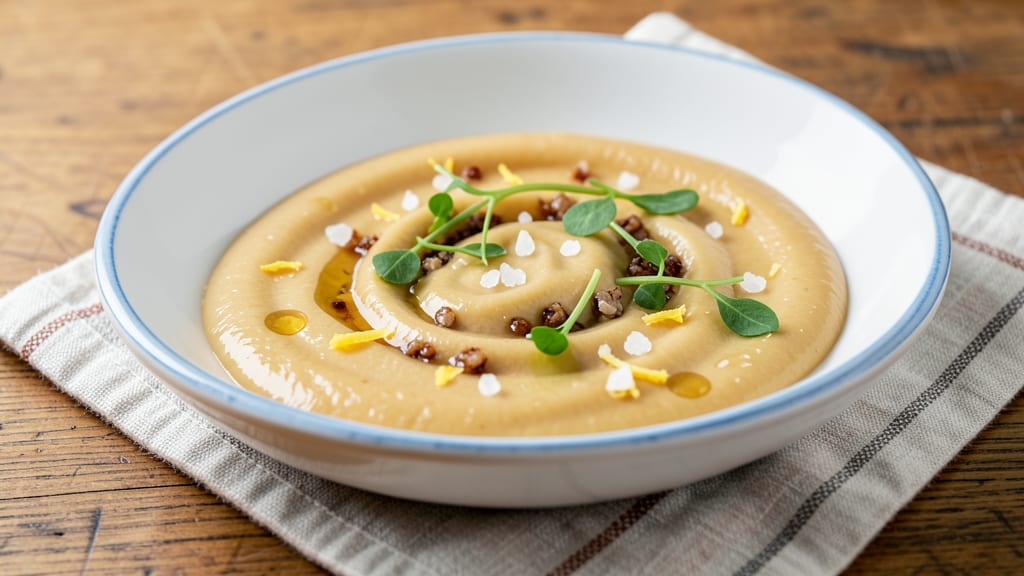
Creating a velvety Argo white sauce recipe transforms ordinary dishes into restaurant-quality masterpieces with just five ingredients and ten minutes of work. This garlic-herb emulsion—smooth, rich, and packed with flavor—is the secret weapon behind countless professional kitchens, yet it’s simple enough for any home cook to master.
The key lies in proper emulsification, where butter and herbs blend seamlessly into a creamy base that elevates everything from roasted vegetables to grilled meats.
What sets this white sauce apart is its versatility and speed. Unlike traditional béchamel, which requires constant stirring to prevent separation, this recipe uses a foolproof method to create a stable emulsion that stays silky even after reheating.
The garlic and herbs infuse deeply into the sauce, delivering layers of aromatic depth without overpowering the dish. Perfect for drizzling over steamed asparagus, tossing with pasta, or serving as a dip for crusty bread, this sauce adapts effortlessly to any meal.
The result is a velvety, golden sauce that coats ingredients beautifully, adding a luxurious touch to even the simplest preparations. With no heavy cream or complicated techniques required, this recipe delivers professional-quality results in minutes.
Whether you're hosting dinner guests or whipping up a weeknight meal, this white sauce will become a staple in your kitchen.
Store leftovers in an airtight container in the refrigerator for up to five days, or freeze for longer storage. Reheat gently over low heat, stirring occasionally to maintain its creamy texture. The possibilities are endless—let’s get cooking!
Ingredients for argo white sauce
Five ingredients. One technique. A restaurant-quality white sauce that stays velvety and never breaks.
| Ingredient | Amount | Notes |
|---|---|---|
| Unsalted Butter 🧈 | ¾ cup | Cold, cut into small cubes |
| Garlic Cloves 🧄 | 4 whole | Fresh, peeled and minced |
| Fresh Parsley Stems 🌿 | ¼ cup | Tough stems only, chopped fine |
| Fresh Tarragon Leaves 🌿 | 1 tbsp | Finely chopped, or substitute with 1 tsp dried |
| Diamond Crystal Kosher Salt 🧂 | ½ tsp | Adjust to taste |
| Lemon Juice 🍋 | 1 tbsp | Freshly squeezed, from 1/2 lemon |
| Extra-Virgin Olive Oil 🫒 | ¼ cup | High-quality, fruity variety |
| Heavy Cream 🥛 | ¼ cup | Cold, for stability |
The butter is non-negotiable—European-style unsalted butter like Plugrá or Land O'Lakes has higher fat content, which is crucial for emulsification. Ghirardelli or imported brands from specialty stores deliver superior flavor, but any cold, high-fat butter works in a pinch. Garlic should be fresh, never pre-minced—the moisture content in jarred garlic disrupts the emulsion. For parsley, flat-leaf is ideal, but curly parsley works too. The stems are where the most flavor hides, so don’t toss them. Tarragon is the aromatic backbone—French tarragon from Penzeys or a well-stocked spice shop is worth the investment if you use it often.
No fresh tarragon? Dried tarragon at one-third the amount works, but the flavor profile shifts slightly. Substituting with thyme or basil changes the sauce’s character entirely—stick with tarragon for authenticity. Running short on parsley stems? Celery leaves or chives add a similar earthy note. The heavy cream can be swapped for half-and-half, though the sauce will be slightly less stable. For a dairy-free version, coconut cream works surprisingly well, though the texture becomes richer. Always keep the butter cold until the last moment—room-temperature fat separates.
This sauce emulsifies instantly, but proper technique ensures it stays stable. Store in a sealed glass jar in the refrigerator for up to 5 days—the emulsion holds perfectly. For longer storage, freeze in ice cube trays for single-serving portions. Reheat gently over low heat, stirring constantly, or microwave in 10-second bursts with a splash of warm water to restore creaminess. The sauce thickens as it cools, so thin with a touch of warm water or milk if needed. Never boil—heat just until steaming.
Why You'll Love This Recipe
- No-Fuss Base: I swear by this sauce because it’s the kind of recipe that doesn’t demand your full attention. Melt butter, toss in whole garlic cloves (no chopping, just smash ‘em), and let the parsley stems and tarragon do their magic—minimal effort for maximum flavor.
- Herb-Forward Magic: That tarragon and parsley? They’re the stars here. The tarragon’s bright, almost anise-like kick pairs perfectly with the garlic’s warmth, and the parsley stems add a subtle earthiness that rounds everything out—no heavy cream, no complicated ratios, just pure, vibrant taste.
- Weeknight Workhorse: This sauce is my go-to for everything from roasted chicken to grilled fish, even as a quick pasta toss. It’s the kind of thing that turns a simple meal into something special without requiring a last-minute grocery run or fancy technique.
- Leftovers That Shine: Between us, this sauce actually tastes better the next day. Store it in the fridge, and when you’re scrambling for dinner inspiration, just reheat it with a splash of water—it’s creamy, flavorful, and saves me from takeout night. Plus, it’s cheap to make; butter and herbs won’t break the bank.
Step-by-step instructions for Argo white sauce
This emulsion technique delivers a silky, aromatic sauce with perfect balance in just minutes.
Create a Garlic-Infused Butter Base
In a medium saucepan, melt the 0.75 cup unsalted butter over medium-low heat until fully liquid but not browned. Add the 4 whole minced garlic cloves and cook for 1-2 minutes until fragrant but not colored. Here's the thing—garlic burns quickly, so keep an eye on it. Remove from heat immediately once you detect that warm, aromatic scent.
Strain the garlic butter through a fine-mesh sieve into a clean bowl, pressing gently with a spatula to extract every bit of flavor. Discard the garlic solids. This step ensures your sauce remains smooth and free of any bitter notes. Let the infused butter cool slightly for 2-3 minutes before proceeding—it should be warm to the touch but not hot.
Build the Herb Emulsion
Add the 0.25 cup finely chopped fresh parsley stems and 1 tablespoon finely chopped fresh tarragon leaves to the warm garlic butter. Stir constantly over low heat for 1 minute until the herbs are just wilted but not crisp. This gentle cooking releases their oils without overpowering the delicate flavors. Remove from heat and let steep for 5 minutes—this infusion is what gives Argo sauce its signature herbal depth.
Strain the herb-infused butter again through a fine-mesh sieve into the same bowl, pressing firmly to extract maximum flavor. The resulting liquid should be vibrant green with a rich, herby aroma. This is your flavor foundation—don't skip the straining, as any herb particles will make the sauce gritty.
Incorporate Acid and Salt for Balance
Whisk in the 1 tablespoon lemon juice and 0.5 teaspoon diamond crystal kosher salt. The acid brightens the flavors while the salt enhances all components. Taste at this stage—the sauce should be rich and aromatic but not overly buttery. If needed, adjust the salt now, as the cream will dilute the flavor slightly.
Here's where precision matters: gradually whisk in the 0.25 cup cold heavy cream while maintaining a steady stream. The cold cream helps stabilize the emulsion, preventing separation. Continue whisking for 1-2 minutes until the mixture thickens slightly and takes on a velvety consistency. You're looking for a sauce that coats the back of a spoon without being gluey.
Finish with Olive Oil for Stability
With the sauce still warm, slowly drizzle in the 0.25 cup extra-virgin olive oil while whisking vigorously. This final step creates the signature Argo emulsion—a stable, glossy sauce that won't break. The oil should be incorporated completely, resulting in a sauce that's rich yet light, with a beautiful sheen. If the sauce thickens too much, whisk in 1-2 teaspoons of warm water to reach your desired consistency.
Taste and adjust seasoning one final time. The sauce should have bright garlic notes, herbal complexity from the parsley and tarragon, a touch of acidity from the lemon, and a velvety texture. Serve immediately over grilled fish, vegetables, or crusty bread while still warm for the best results. This sauce keeps well in the refrigerator for up to 3 days, but it's best enjoyed fresh.
Pro Tips For Making Argo White Sauce
- Sear the Garlic: Cook the minced garlic in butter until it’s golden—not brown, not burnt, just that perfect amber hue. I used to rush this, and the sauce ended up bitter. Take your time; the flavor builds here.
- Blend Parsley Stems: Don’t toss the parsley stems—they’re packed with flavor. Pulse them with the leaves in the blender first, then add the rest. I learned this the hard way after making sauce that tasted disappointingly mild.
- Salt the Butter First: Season the butter with a pinch of salt before melting it into the garlic. This ensures even distribution—no clumps, no afterthought salting. Trust me, it makes a real difference in the final balance.
- Strain for Smoothness: After blending, strain the sauce through a fine-mesh sieve to remove any lingering bits of herb or garlic. It’s a little extra effort, but the result is velvety, not gritty. (Yes, even if you’re impatient like me.)
Storing and reheating this recipe
Refrigerator Storage
Transfer your Argo white sauce to an airtight glass jar or glass storage container—I prefer Le Parfait glass jars for their airtight seals. The sauce will thicken slightly in the fridge, so leave about ½ inch headspace to prevent overflow.
Store for up to 5 days in the refrigerator, where it maintains its velvety texture without separating. The emulsion remains stable as long as you avoid temperature fluctuations—never leave it in a warm car or open fridge. 🥫
Freezer Preservation
For longer storage, freeze the sauce in 1-ounce portions using silicone ice cube trays—this makes it perfect for single-serving applications later. Once frozen, transfer cubes to a freezer-safe bag, squeezing out excess air to prevent freezer burn.
The sauce keeps for up to 3 months in the freezer, though I recommend using it within 2 months for optimal flavor. Thaw overnight in the refrigerator before reheating. ❄️
Reheating Techniques
Never microwave this sauce directly—it causes uneven heating and potential separation. Instead, transfer 1-2 tablespoons to a small saucepan and warm over low heat for 2-3 minutes, stirring constantly. If the sauce thickens too much, whisk in 1 teaspoon warm water to restore creaminess.
For quick reheating, place the jar in a bowl of warm water for 5 minutes—this gentle method preserves the emulsion beautifully. Always taste before serving! 🔥
Restoring Separated Sauce
If you notice separation after storage, don’t panic—this sauce is easily revived. Place the jar in a bowl of warm water for 3-5 minutes to gently raise the temperature. Then, whisk vigorously for 1-2 minutes until the emulsion re-forms.
For stubborn separation, add ½ teaspoon cold water and whisk until smooth. The key is patience—rushing causes more breakdown. 💡
Thinning for Drizzling
When using the sauce as a drizzle (like over grilled fish or asparagus), you may want to thin it slightly. Warm 1 teaspoon heavy cream or water and whisk it into the chilled sauce until you reach a pourable consistency.
This works particularly well if you’ve stored the sauce for 3-5 days and it’s thickened significantly. The emulsion remains stable even when thinned. ✨
Portion Control Tips
Make small batches—this sauce is best enjoyed fresh. If you’re prepping for a meal, calculate 1-2 tablespoons per serving as a drizzle or 3-4 tablespoons for tossing with pasta.
For leftovers, divide into small ramekins (like 2-ounce portions) so you can reheat exactly what you need. This prevents waste and ensures every serving tastes restaurant-fresh. 🍽️
Nutrition facts
Frequently asked questions
Why does this white sauce stay creamy after reheating?
The secret lies in the emulsification technique using cold butter and heavy cream, combined with olive oil as a stabilizer. Unlike traditional béchamel, this method creates microscopic fat droplets suspended in liquid, preventing separation even when reheated. The herbs and lemon juice also help maintain the sauce's silky texture by balancing the fat content.
Can I make this sauce without fresh herbs?
Yes, but with adjustments. Use 1 teaspoon dried tarragon (one-third the fresh amount) and 2 tablespoons dried parsley (double the fresh stems). For best results, toast the dried herbs in a dry pan for 30 seconds to enhance their flavor before adding. The sauce will still be flavorful, though the herbal notes will be more subtle than with fresh ingredients.
What's the best way to use this sauce in cooking?
This versatile sauce works beautifully as a drizzle over grilled fish, roasted vegetables, or steamed asparagus. Toss it with cooked pasta, use it as a dip for crusty bread, or mix it into soups for added richness. The key is to serve it warm—it coats ingredients perfectly when slightly heated. For extra flavor, finish with a sprinkle of fresh parsley or a crack of black pepper.
My sauce separated after refrigerating—how can I fix it?
Don't worry—this happens occasionally! Place the jar in a bowl of warm water for 3-5 minutes to gently warm the sauce. Then whisk vigorously for 1-2 minutes until smooth. If needed, add ½ teaspoon cold water and whisk again. The emulsion should reform completely, giving you back that velvety texture. This method works even with older sauces.
Is this sauce suitable for vegetarians?
Yes, but with a simple substitution. Replace the butter with vegetable shortening or coconut oil (for a dairy-free option) and use coconut cream instead of heavy cream. The emulsion will still form, though the flavor profile will be slightly different. The sauce remains rich and aromatic while being completely plant-based.