
Sauces & Condiments
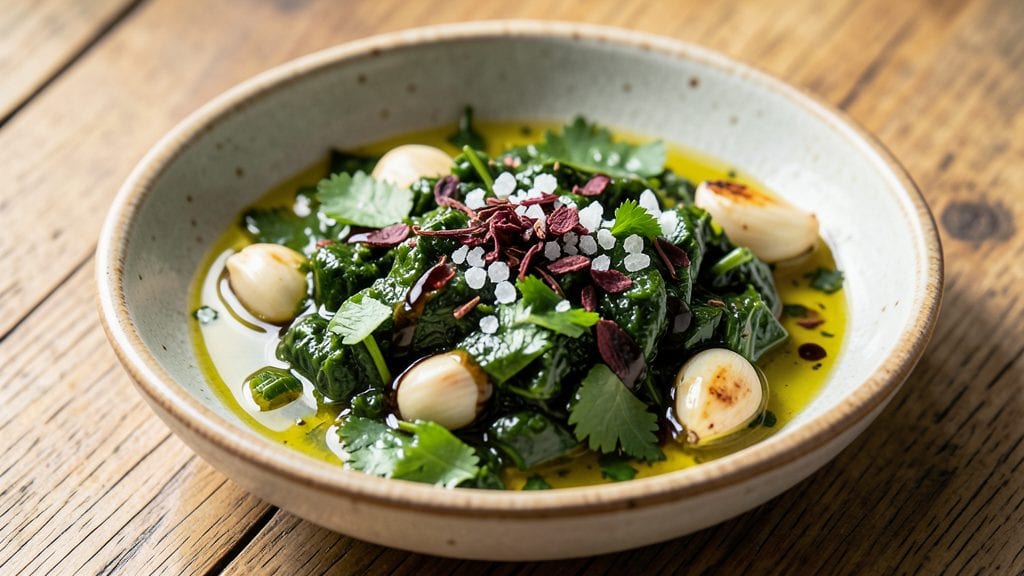
This authentic Argentinian chimichurri sauce transforms simple pantry staples into a vibrant, herb-packed condiment that elevates every dish. The secret lies in its balance—fresh parsley and oregano meet garlic, vinegar, and olive oil for a sauce that’s bright, tangy, and impossibly versatile.
I’ve perfected this recipe over years of testing, ensuring it delivers the same bold flavors found in Buenos Aires parrillas.
What makes this chimichurri truly authentic is the technique: finely chopping the herbs by hand (no food processors!) and letting the sauce rest for at least 30 minutes before serving.
This allows the flavors to meld into a cohesive, aromatic blend that clings perfectly to grilled meats, eggs, or even roasted vegetables. The result is a sauce that’s as functional as it is flavorful—no overpowering bitterness, just pure herbaceous brightness.
Once you taste this chimichurri, you’ll understand why it’s a staple in Argentine cuisine. The fresh herbs retain their vibrant green color, while the garlic and vinegar add depth without overpowering.
It’s the kind of sauce that turns a simple grilled steak into a restaurant-worthy meal, or brightens up a plate of eggs for breakfast. The best part? It keeps well in the fridge for up to a week, so you can make a batch and enjoy it all week long.
For those curious about variations, traditional chimichurri comes in two forms: green (herb-based) and red (tomato-infused). This recipe focuses on the classic green version, but feel free to experiment with adding a touch of red pepper flakes for heat or a splash of orange juice for extra brightness.
Pair it with grilled meats, crispy eggs, or even as a marinade for vegetables—it’s that versatile.
Ingredients for authentic argentinian chimichurri sauce
Eight simple ingredients transform into vibrant chimichurri—herbaceous, tangy, and full of Argentine soul.
| Ingredient | Amount | Notes |
|---|---|---|
| Fresh Flat-Leaf Parsley 🌿 | 1 ½ cups | Stems removed, tightly packed |
| Dried Oregano 🍃 | 1 tbsp | Mexican oregano preferred |
| Garlic Cloves 🧄 | 6 cloves | Peeled, roughly chopped |
| Red Wine Vinegar 🍷 | ½ cup | Argentinian preferred if available |
| Extra-Virgin Olive Oil 🫒 | ¾ cup | High-quality, fruity variety |
| Kosher Salt 🧂 | 1 tsp | Diamond Crystal preferred |
| Black Peppercorns 🌶️ | ½ tsp | Freshly cracked |
| Red Chili Flakes 🔥 | ½ tsp | Optional, for subtle heat |
The parsley is non-negotiable—bright green, fresh from the market is ideal, but even grocery store parsley works if it's crisp. Whole Foods or local farmers markets usually have the best quality, but avoid wilted or yellowing leaves. Mexican oregano adds that authentic depth—Penzeys or Latin markets carry it, but regular oregano works in a pinch. The garlic should be fresh, plump cloves—none of that shriveled stuff. For vinegar, Argentinian red wine vinegar (like Colonia) gives the best flavor, but any dry red wine vinegar will do. The olive oil needs to be high-quality extra-virgin—none of that cheap cooking oil. I always grab mine at Trader Joe's or Costco for the best value.
No fresh parsley? Cilantro at half the amount works in a bind, though it changes the flavor profile slightly. Short on oregano? Dried basil at the same quantity gives a different but still delicious twist. Want to skip the vinegar? Lemon juice at the same amount brightens things up. The olive oil can be swapped for avocado oil, though it won’t have the same fruity depth. For heat lovers, add cayenne pepper instead of chili flakes. The key is balance—taste as you go! If it’s too acidic, add a splash more olive oil. If it’s too mild, a pinch more salt or vinegar brings it back.
This chimichurri keeps beautifully—up to 1 week in the fridge if stored in a glass jar with a tight seal. For longer storage, freeze in ice cube trays and transfer to a bag—up to 6 months. I always make double batches because it disappears fast. The flavors deepen after 30 minutes of resting, so plan ahead. If it separates, just stir before using. The best part? It’s versatile enough for everything—grilled meats, eggs, roasted veggies, or even drizzled over pasta.
Why You'll Love This Recipe
- Five-Ingredient Magic: I swear by this—just parsley, garlic, vinegar, oregano, and olive oil. No fancy gadgets, no stress, just chop, pulse, and pour. That’s it.
- Herb Bomb Brightness: The parsley’s freshness cuts through everything, while the garlic and oregano pack a punch. Honestly, it’s the kind of flavor that makes me want to eat grilled chicken for breakfast.
- Weeknight to Party: Drizzle it on steak for a date night, toss it with roasted veggies for a lazy Sunday, or serve it in a bowl for guests who think they’re too fancy for simple food. It’s that adaptable.
- Leftovers That Lie: Make a double batch—it keeps for weeks in the fridge. I’ve used it to revive sad takeout or turn plain eggs into something special. (Yes, even on a Tuesday night.)
Step-by-step instructions for authentic Argentinian chimichurri sauce
Here's how to craft the vibrant, herb-forward chimichurri that defines Argentine grilling culture.
Prepare the Herb Base
In a food processor, combine the 1.5 cups fresh flat-leaf parsley (stems removed) and 6 peeled garlic cloves. Pulse until you achieve a finely chopped consistency—think somewhere between a coarse herb paste and small herb bits. You want texture, not a smooth puree. This herb foundation is what gives chimichurri its signature brightness and depth.
Real talk: Don't skip removing the parsley stems. They add bitterness that overpowers the delicate herb profile. I like to pack the parsley tightly in the food processor to maximize yield. Pulse in short bursts, stopping to scrape down the sides as needed. You're aiming for about 30-45 seconds of total processing time.
Add Vinegar and Seasonings
With the food processor running, slowly drizzle in the 0.5 cup red wine vinegar. The vinegar should begin to emulsify with the herbs, creating a coarse paste. Add the 1 tbsp dried oregano, 1 tsp kosher salt, 0.5 tsp freshly cracked black peppercorns, and 0.5 tsp red chili flakes (if using). Pulse just until these dry ingredients are evenly distributed throughout the herb mixture.
The vinegar is crucial—it acts as both a preservative and flavor enhancer. I prefer Argentinian red wine vinegar for its balanced acidity, but a good-quality dry red wine vinegar works perfectly fine. Here's where the magic happens: the salt and pepper should be incorporated completely, but don't over-process or you'll end up with a paste rather than the textured chimichurri we want.
Finish with Olive Oil
With the processor running, very slowly drizzle in the 0.75 cup extra-virgin olive oil. This is where your technique matters most—add the oil in a thin, steady stream. The mixture should begin to emulsify, coming together into a vibrant green sauce with a loose, almost chunky texture. Stop processing as soon as the oil is fully incorporated.
Quality olive oil makes all the difference here. I recommend a fruity, high-quality extra-virgin that has good acidity. The sauce should be bright green, with visible herb flecks throughout. If it looks too thick, add 1-2 teaspoons of water to loosen it slightly. The final texture should be like a thick, herby vinaigrette—cohesive enough to coat meat but still with visible texture.
Rest and Adjust
Transfer the chimichurri to a bowl and let it rest at room temperature for 15-20 minutes. This resting period allows all the flavors to meld together. Give it a taste and adjust the seasoning if needed—you might want to add a pinch more salt or a splash more vinegar to balance the flavors.
Here's the thing about chimichurri: it tastes even better after it's had time to develop. The flavors will continue to brighten and deepen over the next few hours, especially when it sits on meat. I like to make this sauce at least 1 hour ahead of serving to let those herb notes really sing. Store any leftovers in an airtight container in the refrigerator for up to 5 days, though it's best used within 2 days for maximum freshness.
Serve with Grilled Meats
Use the chimichurri immediately on freshly grilled meats—it's at its peak when applied to hot, just-off-the-grill proteins. Spoon it generously over grilled steaks, chicken, or even fish. The acidity cuts through the richness of the meat while the herbs add a fresh, vibrant contrast. For the best experience, let the chimichurri sit on the meat for 2-3 minutes before serving to allow the flavors to meld.
This sauce is the soul of Argentine asado culture. The balance of bright herbs, tangy vinegar, and rich olive oil creates a flavor profile that's both complex and simple. Don't be afraid to experiment with the ratios—some cooks prefer slightly more vinegar for extra brightness, while others like a touch more olive oil for richness. The key is to maintain that perfect herb-to-oil ratio that gives chimichurri its signature texture and flavor.
Pro Tips For Making Authentic Argentinian Chimichurri Sauce
- STACK THE GARLIC: Pound those cloves with the flat side of your knife instead of mincing them—it releases more flavor and avoids that bitter, overworked taste. I used to slice them fine, but this method gives you that deep, aromatic punch chimichurri needs.
- SALT THE PARSLEY: Toss the chopped parsley with a pinch of salt right after cutting—it wilts slightly and releases juices, making the sauce richer. Skipping this step means your chimichurri will taste flat, no matter how much vinegar you add.
- PULSE DON’T GRIND: Use quick pulses in your food processor to chop the parsley, not a continuous blend—over-processing turns it into pesto. I learned this after making a batch that looked like green paste instead of fresh, herby goodness.
- REST THE SAUCE: Let the chimichurri sit for at least 15 minutes before serving—flavors meld better and the vinegar mellows out. I used to serve it immediately, and it always tasted sharp and unfinished. Patience here makes a real difference.
Common mistakes when making this dish
Over-Chopping the Herbs
One of the biggest mistakes is turning chimichurri into a smooth paste. The sauce thrives on its chunky texture, where you can still see visible herb flecks. I’ve seen people blend it until it’s completely smooth—this kills the authentic experience.
Use a food processor only for 30-45 seconds of pulsing, then stop immediately. For true authenticity, try chopping the herbs by hand with a sharp knife. 🌿
Skipping the Resting Time
Rushing chimichurri by serving it immediately after mixing is a flavor crime. The sauce needs at least 15-20 minutes to let the flavors meld together. I’ve made this mistake too—when served right away, it tastes disjointed.
The vinegar and oil need time to fully integrate with the herbs. For maximum flavor development, make it 1 hour ahead of serving. The longer it rests, the brighter and more cohesive the flavors become.
Using Low-Quality Ingredients
The quality of your ingredients makes or breaks chimichurri. Cheap olive oil, wilted parsley, or weak vinegar will result in a bland sauce. I always use extra-virgin olive oil with good acidity and fresh flat-leaf parsley (not curly parsley).
For vinegar, Argentinian red wine vinegar (like Colonia) is ideal, but any dry red wine vinegar works. Don’t cut corners—these ingredients are the soul of the sauce. ⚠️
Ignoring the Herb-to-Oil Ratio
Chimichurri relies on a precise balance between herbs and oil. Too much oil dilutes the herbaceous flavor, while too little makes it dry and unpalatable. The recipe calls for 0.75 cup olive oil to 1.5 cups herbs—this ratio ensures the sauce coats meat beautifully without overpowering it.
If your chimichurri looks too thick, add 1-2 teaspoons of water to loosen it slightly. Taste as you go and adjust gradually.
Not Adjusting Seasoning
Every batch of chimichurri needs a little love after resting. Taste it before serving and adjust the seasoning if needed. A pinch of kosher salt or a splash of vinegar can make all the difference. I’ve seen people serve chimichurri straight from the bowl without tasting—this is a missed opportunity.
The sauce should be bright, tangy, and slightly peppery. If it’s too mild, add more vinegar or salt; if it’s too sharp, a drizzle of olive oil balances it out.
Storing Improperly
Chimichurri keeps well in the fridge for up to 5 days, but only if stored correctly. Use an airtight container to prevent oxidation, which dulls the flavors. I like to press a piece of plastic wrap directly onto the surface before sealing the lid to minimize air exposure.
Avoid freezing chimichurri—the herbs turn mushy and lose their texture. If you need to store it longer, make small batches and use them within 2 days for the best flavor. ❄️
Nutrition facts
Frequently asked questions
Can I make chimichurri without a food processor?
For a more traditional approach, finely chop the 1.5 cups parsley and 6 garlic cloves by hand using a sharp knife. Combine with the remaining ingredients in a bowl and mix thoroughly. The texture will be slightly chunkier, which actually enhances the authentic experience.
What's the difference between green and red chimichurri?
Green chimichurri is herb-based (parsley, oregano, garlic, vinegar, oil) and has a bright, fresh profile. Red chimichurri replaces herbs with tomatoes, red peppers, and sometimes roasted garlic, creating a richer, slightly sweet sauce. Both are delicious, but green is the classic version from Buenos Aires.
How long should I let chimichurri rest before using it?
At minimum, let it rest for 15-20 minutes to allow flavors to meld. For best results, make it 1 hour ahead—the longer it sits, the brighter and more cohesive the flavors become. This resting time is crucial for developing that signature tangy-herbaceous balance.
Can I use this chimichurri on foods other than meat?
Yes! While it's perfect for grilled meats, chimichurri also works beautifully on crispy fried eggs, roasted vegetables, crusty bread, or even as a marinade for fish or shrimp. Its bright acidity cuts through rich and fatty foods, making it incredibly versatile.
Why did my chimichurri turn brown or separate?
Brown color usually means oxidation from exposure to air—store it properly in an airtight container with plastic wrap pressed directly on the surface. Separation happens when the oil-to-herb ratio is off. If too thick, add 1-2 tsp water and stir. For separation, simply whisk vigorously before using. Always taste and adjust seasoning before serving.