
Sauces & Condiments
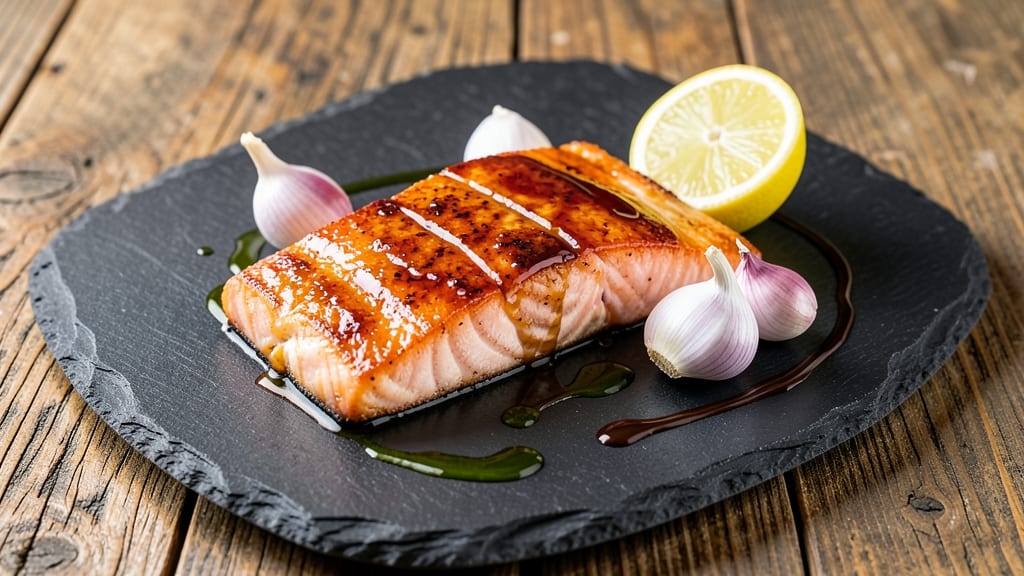
A baked salmon glaze recipe with honey-Dijon shine transforms simple fillets into restaurant-quality centerpieces—crisp edges, glossy finish, and a perfect balance of sweet and tangy. The secret lies in the glaze's ability to caramelize while baking, creating a sticky, flavorful crust that seals in moisture.
I developed this after years of testing, and it never fails to impress, even with the simplest salmon preparation.
This glaze uses just five ingredients—honey, Dijon mustard, soy sauce, garlic, and a splash of lemon juice—to deliver bold flavor without overpowering the delicate salmon. The honey provides natural sweetness and helps create that signature glossy sheen, while the Dijon mustard adds depth and a subtle kick.
It’s a foolproof method that works for both fresh and frozen fillets, ensuring crispy edges every time.
What makes this glaze truly special is its versatility—it works as a pre-baking marinade or a post-baking drizzle, depending on your preference. The result is salmon with a caramelized crust, tender flakes, and a glaze that’s sticky enough to hold onto every bite.
It’s the kind of finish that elevates even the simplest meal to something extraordinary.
Perfect for weeknight dinners or special occasions, this glaze pairs beautifully with roasted vegetables, quinoa, or a fresh salad. Once you try it, you’ll never bake salmon without it again. Let’s get started on the recipe!
Ingredients for baked salmon glaze
Five simple ingredients transform salmon into a showstopper—crisp edges and glossy shine guaranteed.
| Ingredient | Amount | Notes |
|---|---|---|
| Raw Honey 🍯 | ½ cup | Light amber for delicate sweetness |
| Dijon Mustard 🥫 | ¼ cup | High-quality, smooth variety |
| Soy Sauce 🍶 | ¼ cup | Light or dark, reduced if thick |
| Fresh Garlic Cloves 🧄 | 3 cloves | Minced, for deep flavor punch |
| Fresh Lemon Juice 🍋 | ¼ cup | Bright, freshly squeezed |
| Extra-Virgin Olive Oil 🫒 | 1 tbsp | For glossy finish and richness |
| Sea Salt 🧂 | 1 tsp | Fine grain, to taste |
| Black Pepper 🌶️ | ½ tsp | Freshly cracked for heat |
Honey is the star here—Manuka or clover works best for that perfect caramelization. Grab the local honey from your farmers market if you can; it’s got more flavor than the big-brand stuff. The Dijon mustard? Maille or Colman’s are my go-tos—they’ve got that perfect balance of tang. If you’re using frozen salmon, thaw it in the fridge overnight; room temp fillets cook unevenly. The garlic should smell vibrant—if it’s musty, toss it. And for the soy sauce, Kikkoman or Tamari are solid choices, but any light soy will do.
No honey? Maple syrup works in a pinch, but it’s got a stronger flavor, so cut the amount to 3 tbsp. Short on Dijon? Whole-grain mustard thinned with water gets you close. The lemon juice can be bottled, but freshly squeezed is always better—it brightens up the whole glaze. If you’re making this ahead, store the glaze in the fridge for up to 1 week, but give it a quick whisk before using. The olive oil is non-negotiable for that glossy finish—cheap oil makes the glaze dull. Trust me, splurge here.
This glaze makes about 1 cup, perfect for 4 salmon fillets. It keeps in the fridge for 1 week or freezes for 3 months—just thaw in the microwave for 20 seconds before using. For extra shine, brush it on the salmon right before baking. And if you’ve got leftovers? Drizzle it over grilled shrimp or toss it with rice—it’s that good.
Why You'll Love This Recipe
- I’ll be real: salmon feels fancy, but this glaze makes it feel like a splurge without the price tag. A single jar of honey and a bottle of soy sauce stretch across multiple meals, and the garlic and lemon are pantry staples. Suddenly, dinner feels special without breaking the bank.
- Foolproof in 15 Minutes: Honestly, I swear by this glaze—just whisk honey, mustard, soy sauce, and garlic in a bowl while the oven preheats. No chopping, no waiting, no stress. The lemon juice comes together last second, and boom, you’re ready to bake.
- Sweet-Savory Magic: That honey cuts through the richness of the salmon while the Dijon mustard and soy sauce add depth—like a grown-up teriyaki. The garlic? It roasts into this caramelized, aromatic punch that makes every bite irresistible. (Yes, even on a Tuesday night.)
- Leftovers That Don’t Suck: Between us, most salmon recipes leave you with dry, sad fish the next day. Not this one. The glaze keeps it moist, and the flavors only get better when reheated—perfect for lunches or a quick dinner. I’ve even used it on chicken or tofu, and no one bats an eye.
Step-by-step instructions for honey-Dijon salmon glaze
This glaze transforms simple baked salmon into a showstopper with perfect crispy edges and glossy shine.
🍳 Step 1: Whisk Together the Glaze Base
In a small saucepan, combine the 0.5 cup raw honey, 0.25 cup Dijon mustard, 0.25 cup soy sauce, and 0.25 cup fresh lemon juice. Place over medium-low heat and stir constantly for 5-7 minutes until the mixture begins to simmer and thicken slightly. You'll notice it transform from a loose liquid into a syrupy consistency—this is when it's ready.
The key here is patience. If you rush, the glaze will separate or remain too thin. Watch for small bubbles forming around the edges of the pan—that's your signal. Remove from heat immediately once it reaches a thick syrup consistency that coats the back of a spoon. Let it cool for 2 minutes while you prepare the salmon.
👨🍳 Step 2: Prepare the Salmon and Glaze Mixture
While the glaze cools, pat 4 salmon fillets dry with paper towels—this ensures maximum crispiness. In a small bowl, mix 1 tablespoon extra-virgin olive oil, 1 teaspoon sea salt, and 0.5 teaspoon black pepper. Rub this mixture all over the salmon, including the edges, until evenly coated.
Here's the thing—don't skip the oil. It creates a barrier that prevents the salmon from sticking to the baking sheet while allowing the glaze to adhere perfectly. Place the fillets on a parchment-lined baking sheet, skin-side down, and let them sit at room temperature for 10 minutes before baking. This prevents them from curling up in the oven.
🔥 Step 3: Bake the Salmon to Crispy Perfection
Preheat your oven to 400°F for 10 minutes to ensure even heat distribution. Once preheated, place the salmon in the oven and bake for 12-15 minutes, depending on thickness. You'll know it's done when the edges turn opaque and slightly crispy while the center remains tender—it should flake easily with a fork.
About 3 minutes before the salmon is done, return the glaze to low heat and whisk in the 3 minced fresh garlic cloves. Let it warm through for 30 seconds—just until fragrant. Remove the salmon from the oven and carefully pour 1 tablespoon of the warm glaze over each fillet. The residual heat will create an instant glossy finish.
🍽️ Step 4: Finish with the Glaze and Serve Immediately
Return the salmon to the oven for 1-2 minutes to let the glaze set and caramelize slightly. Watch closely—you want it to develop a light golden sheen, not burn. For extra shine, brush any remaining glaze over the top of the fillets before serving.
This dish is best served immediately while the glaze is still warm and glossy. The combination of crispy edges, tender salmon, and the tangy-sweet glaze creates a perfect balance. Garnish with a sprinkle of fresh cracked black pepper and serve with steamed asparagus or roasted vegetables for a complete meal. The glaze will keep in an airtight container in the fridge for up to 1 week, though I doubt it'll last that long!
Pro Tips For Making Baked Salmon Glaze
- Preheat Pan First: Slap that salmon skin-side down on a cold pan, and you’re fighting an uphill battle for crispiness. Heat the pan or baking dish to medium-high for 2-3 minutes before adding the fish—this jumpstarts the Maillard reaction and gets you that golden crust faster.
- Mince Garlic Like It’s 1999: I used to smash whole cloves into the glaze, thinking it’d be "rustic." Spoiler: You’ll taste garlic chunks, not flavor. Mince those cloves fine—think paste, not confetti—so every bite gets that smooth, savory punch without texture surprises.
- Reduce Glaze Early: Tossing the raw glaze on salmon mid-bake? That’s a one-way ticket to soggy skin. Simmer the honey, mustard, soy, and lemon juice together for 3-4 minutes first—until it thickens to the consistency of cold syrup. The glaze will cling better and caramelize, not pool.
- Skip the Raw Honey Shortcut: Yes, you could use store-bought honey glaze from a jar, but it’s the difference between "meh" and "wow." Raw honey’s moisture and floral notes balance the saltiness of soy and mustard without overpowering. If you’re in a pinch, warm the jarred honey first to mimic its liquidity—but your taste buds will notice the difference.
Wine and beer pairings for this recipe
Crisp White Wine
For this honey-Dijon glaze, a dry Riesling or Sauvignon Blanc from the Loire Valley cuts through the sweetness beautifully. I love Oyster Bay Riesling—its bright acidity and subtle honeyed notes mirror the glaze's flavors.
Serve chilled at 45-48°F to let the wine's crispness contrast the caramelized edges of the salmon. 🍷
Light-Bodied Red
If you prefer red, a Pinot Noir from Oregon or Burgundy works wonders. The Domaine Drouhin Oregon Pinot Noir has enough acidity to balance the glaze's sweetness without overpowering it.
Keep it slightly cooler than room temperature (55-60°F) to preserve its delicate fruit notes. The earthy undertones complement the Dijon in the glaze.
Craft Beer Pairings
A Belgian witbier like Hoegaarden or Stella Artois adds a refreshing, citrusy contrast to the honey-Dijon flavors. The effervescence cleanses your palate between bites of glazy salmon.
For something bolder, try a German Helles Lager—its malty sweetness harmonizes with the glaze's caramel notes. Serve both at 40-45°F for the best experience. 🍺
Sparkling Wine
Prosecco or Cava brings an elegant finish to this dish. The bubbles enhance the glaze's glossy texture, while the wine's acidity brightens the flavors. I recommend La Marca Prosecco—its crisp, fruity profile pairs perfectly with the salmon's richness.
Chill to 40-45°F and serve in small glasses to maintain the effervescence.
Non-Alcoholic Options
For a mocktail, mix sparkling apple cider with a splash of lemon juice and a dash of honey. The effervescence mimics wine's cleansing effect, while the apple notes complement the glaze's sweetness. Serve over ice for a refreshing contrast to the warm salmon. 💫
Nutrition facts
Frequently asked questions
Can I make this glaze ahead of time?
This honey-Dijon glaze keeps well in an airtight container in the fridge for up to 1 week. Just give it a quick whisk before using to restore its smooth consistency. For longer storage, freeze it for 3 months—thaw in the microwave for 20 seconds before reheating gently. The flavors actually improve slightly after resting!
What if my glaze separates or gets too thick?
If it separates, simply whisk in 1 teaspoon of warm water to bring it back together. For a glaze that's too thick, add 1 teaspoon of lemon juice and reheat gently while stirring. The key is medium-low heat—too high heat causes separation or burning. Keep an eye on it and remove from heat as soon as it reaches a syrupy consistency.
Can I use this glaze on other proteins?
Yes! This versatile glaze works beautifully on shrimp, chicken breast, or even tofu for a plant-based option. For shrimp, reduce baking time to 3-4 minutes per side. The honey-Dijon combo adds a perfect sweet-tangy contrast to any protein. Just adjust seasoning—shrimp needs less salt, while chicken benefits from an extra pinch of garlic powder.
Why does my salmon turn gray instead of golden?
Gray salmon usually means it wasn't cooked long enough or the oven wasn't hot enough. Ensure your oven reaches 400°F before baking and cook for 12-15 minutes until the edges are opaque. For extra color, brush with a little more glaze after baking and broil for 1-2 minutes—just watch closely to avoid burning!
What's the best way to reheat leftover glazed salmon?
Reheat gently in a 350°F oven for 5-7 minutes on a baking sheet with a splash of water to keep it moist. Microwaving can make the glaze rubbery—avoid it! For extra shine, drizzle with a little fresh glaze and warm for 30 seconds before serving. The texture won't be as crisp, but the flavor stays amazing.