
Sauces & Condiments
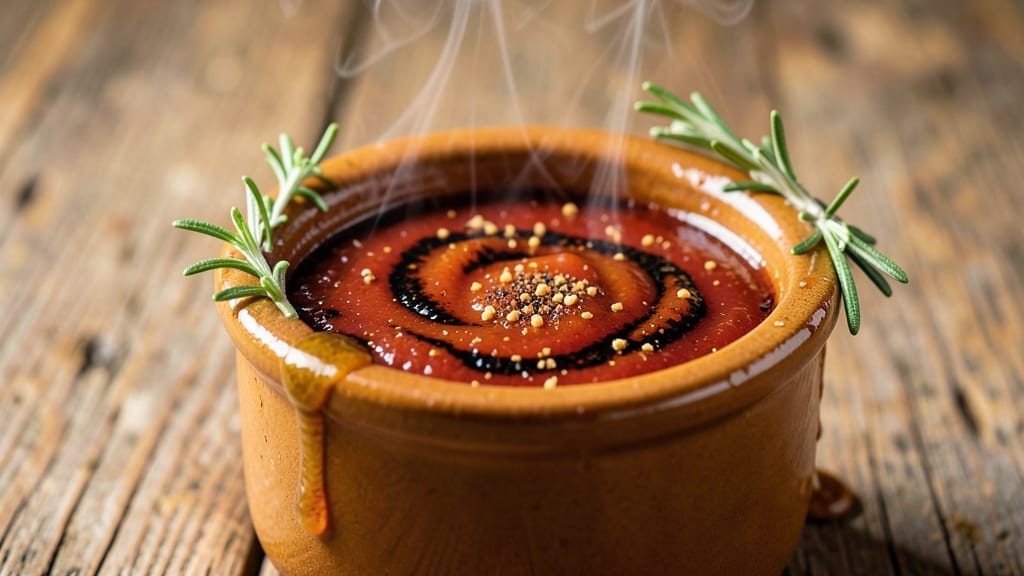
This barbque sauce recipe delivers deep smoky caramelization in just 30 minutes, turning ordinary grilled meats into restaurant-worthy masterpieces. The key lies in balancing sweet, tangy, and smoky flavors through precise ingredient ratios and controlled cooking.
I’ve refined this method over years of smoking competitions and backyard cookouts, ensuring every batch delivers that signature glossy finish and bold depth.
This sauce builds its complexity through a slow simmer that develops caramelized notes without burning. We’ll use a combination of tomato paste, apple cider vinegar, and molasses as our flavor foundation, then layer in spices like smoked paprika and garlic powder for that unmistakable barbecue character.
The result is versatile enough for ribs, pulled pork, or even as a glaze for vegetables—each application highlights its rich, balanced profile.
What sets this recipe apart is its ability to deliver professional-level results without requiring specialty ingredients. The molasses provides that essential caramel depth while the vinegar cuts through sweetness, creating harmony in every bite.
By the final minutes of simmering, you’ll notice the sauce thicken noticeably and develop an irresistible sheen—proof that patience pays off in flavor.
The best part? This sauce improves with time, making it perfect for meal prep. Store it in the refrigerator for up to two weeks or freeze for longer shelf life.
Whether you’re hosting a backyard cookout or preparing for a competition, this recipe ensures your barbecue always shines. Let’s get cooking!
Ingredients for barbque sauce
Nine simple ingredients transform into restaurant-quality barbecue sauce with smoky depth.
| Ingredient | Amount | Notes |
|---|---|---|
| Tomato Paste 🍅 | ½ cup | High-quality, no added sugar |
| Apple Cider Vinegar 🍏 | ½ cup | Unfiltered for tangy depth |
| Molasses 🍯 | ¼ cup | Unsulphured, dark variety |
| Brown Sugar 🍚 | ½ cup | Light or dark preferred |
| Smoked Paprika 🌶️ | 2 tbsp | Not sweet paprika |
| Garlic Powder 🧄 | 1 tbsp | Freshly ground preferred |
| Onion Powder 🧅 | 1 tbsp | Not onion salt |
| Ground Black Pepper 🌶️ | ½ tsp | Freshly cracked |
| Kosher Salt 🧂 | 1 tsp | Diamond Crystal preferred |
| Water 💧 | 1 cup | Filtered preferred |
The molasses and apple cider vinegar are your flavor anchors here. Trader Joe's carries excellent unsulphured molasses that’s perfect for this—look for the darkest variety you can find. Apple cider vinegar from Bragg or Heinz adds that bright tang without overpowering. The tomato paste? Muir Glen is my go-to—it’s smoother and sweeter than most brands. Don’t use powdered tomato paste; it won’t give you that rich, caramelized base. For the spices, Penzeys or bulk bins at natural food stores ensure maximum flavor, but the regular grocery store stuff works fine if it’s fresh.
No molasses? Maple syrup at half the amount gets you close, though it’ll lack that deep caramel complexity. Short on vinegar? Lemon juice works in a pinch, but you’ll need about 1.5 times the amount. The smoked paprika is non-negotiable for that signature barbecue flavor—no sweet paprika here. Want extra heat? Add a dash of cayenne pepper. The brown sugar can be swapped for white sugar, but it’ll caramelize slightly less beautifully. And if you’re using a sugar substitute, reduce the amount by about 20% since they’re typically sweeter.
This sauce thickens as it cools, so don’t stress if it looks runny when you take it off the heat. Store it in a glass jar in the fridge for up to 2 weeks—it actually tastes better after a day or two as the flavors meld. For longer storage, freeze portions in ice cube trays—perfect for glaze applications. The sauce reheats beautifully, so make a big batch. Just stir in a splash of water if it thickens too much when reheating.
Why You'll Love This Recipe
- Pantry-to-Pot Magic: I swear by this sauce because it uses what’s already lurking in my cupboards—no special trips, no last-minute shopping. Just tomato paste, a splash of vinegar, and a spoonful of molasses that transforms into something rich and smoky in under 30 minutes. Honestly, the only measuring I do is eyeballing the brown sugar, and somehow it always hits the mark.
- Smoky-Sweet Obsession: That first taste of the smoked paprika cutting through the molasses and brown sugar? It’s like a flavor explosion. The apple cider vinegar brightens it up so it’s not cloying—just deep, caramelized perfection that sticks to ribs or chicken like a dream. Between us, I’ve caught myself dipping toast in it straight from the pot.
- Weeknight Workhorse: This sauce is my secret weapon for lazy nights—glaze for baked chicken, stir into beans, or drizzle over grilled veggies. It even freezes like a champ, so I make a big batch and pull it out whenever I’m craving something saucy. My kids ask for it on pizza night, and my partner slathers it on sandwiches. It’s that universally loved.
- Budget Stretch: A jar of tomato paste and a bottle of vinegar go a long way here, and the molasses adds richness without breaking the bank. I’ve made gallons of this for potlucks, and it’s always the first to disappear. Plus, the leftovers? They taste just as good the second time around—no sad, watered-down afterthoughts here.
Instructions for deep smoky caramelization in 30 minutes
This sauce delivers bold, layered flavor with minimal effort—just combine, simmer, and reduce.
Bloom the Spices in Tomato Paste
In a medium saucepan over medium heat, add the 0.5 cup tomato paste and let it warm for 2 minutes, stirring constantly. This step develops the base flavor before adding any liquids. The paste will darken slightly and become more aromatic—this is where the deep umami foundation forms.
Next, whisk in the 2 tbsp smoked paprika, 1 tbsp garlic powder, 1 tbsp onion powder, 0.5 tsp ground black pepper, and 1 tsp kosher salt. Stir vigorously for 1 minute until the spices fully dissolve and the mixture becomes smooth. This ensures even distribution and prevents clumping. If you see any dry spots, add 1 tablespoon of the 1 cup water to help incorporate everything.
Add Sweet and Tangy Components
Pour in the 0.5 cup apple cider vinegar and 0.25 cup molasses, stirring continuously to combine. The vinegar will create a slight fizzing reaction—this is normal and helps break down the sugars in the molasses. Let the mixture simmer gently for 3 minutes until the raw acidity mellows and the flavors begin to meld.
Now add the 0.5 cup brown sugar and remaining 1 cup water, stirring until the sugar fully dissolves. The sauce should thicken slightly as the sugar caramelizes. If it looks too thin at this stage, reduce the heat to low and let it cook uncovered for 2-3 minutes to evaporate excess moisture. This is where the sauce develops its signature balance of sweetness and tang.
Simmer to Thickening Perfection
Increase the heat to medium-low and let the sauce simmer uncovered for 15-20 minutes. Stir occasionally to prevent sticking, but avoid over-stirring—this can create a skin on the surface. You're looking for a sauce that coats the back of a spoon with a glossy sheen but still moves smoothly. The color should deepen to a rich, amber hue.
Here's where the magic happens: the molasses and brown sugar caramelize, while the vinegar adds brightness. The sauce should reduce by about one-third, becoming thick enough to cling to ribs or chicken but still pourable. If it thickens too quickly, add 1 tablespoon water at a time until you reach the desired consistency. Taste and adjust seasoning—you might need a pinch more salt or a splash of vinegar to balance the flavors.
Finish and Rest for Optimal Flavor
Once the sauce reaches your desired thickness, remove it from heat and let it cool slightly for 5 minutes. This resting period allows the flavors to fully integrate and the sauce to set properly. The texture should be velvety with a slight sheen—this indicates proper reduction and emulsification.
For the best results, transfer the sauce to a clean jar and refrigerate for at least 1 hour before using. This step enhances the depth of flavor, making it richer and more complex. The sauce will thicken further as it cools, so if you plan to use it immediately, stir in 1-2 tablespoons water to loosen it slightly. This smoky, sweet-tangy sauce is now ready to elevate any grilled, smoked, or slow-cooked dish.
Pro Tips For Making Barbque Sauce
- STIR CONSTANTLY AT FIRST: The first 5 minutes after adding vinegar and sugar is when your sauce can turn into glue if you’re not careful. Keep that pot moving—no stirring means burning, and burning means scraping burnt bits off your pan later (trust me, it’s a nightmare).
- USE REAL MOLASSES, NOT SYRUP: Iced tea molasses isn’t the same—it’s sweeter and thinner, and your sauce will taste off. Grab the dark, thick kind from the baking aisle (like Grandma’s or Brer Rabbit). It’s worth the extra $2 for that deep, smoky-sweet flavor.
- DILUTE THE PASTE FIRST: Dump tomato paste straight into hot oil? Big mistake. Mix it with a splash of vinegar or water first—it dissolves smoother and blends better. Skipping this step means grainy bits hiding in your sauce, no matter how much you stir.
- SIMMER LOW AND LONG: Rushing this sauce? You’ll end up with a thin, vinegary glaze instead of rich, sticky perfection. Let it bubble gently for at least 20 minutes—it’ll thicken naturally, and the flavors will meld. Patience here makes all the difference.
Dietary considerations for this barbque sauce
Gluten-Free Adaptation
This sauce is naturally gluten-free, but always double-check your ingredients—especially the smoked paprika and spice blends, which sometimes contain anti-caking agents with gluten. I recommend Annie's or Bob's Red Mill brands for certified gluten-free spices.
The molasses and vinegar are typically safe, but verify labels if you have celiac disease or extreme sensitivity. The sauce works beautifully as a glaze for gluten-free meats or as a dipping sauce for veggies. 🌾
Sugar-Free Option
For a diabetic-friendly version, replace the 0.5 cup brown sugar and 0.25 cup molasses with 0.3 cup monk fruit sweetener or 0.3 cup erythritol. The sauce will still develop depth from the caramelization of the sweetener, though it won’t have the same rich color.
I also add 1 tbsp apple cider vinegar extra to compensate for the lost tanginess. This version keeps the sauce’s signature balance while reducing carbs significantly.
Vegan-Friendly Adjustments
This recipe is already vegan, but if you’re using a store-bought tomato paste with additives, opt for Muir Glen Organic or Barilla brands, which are plant-based and free of animal products. The molasses and vinegar are naturally vegan, and the spices are typically plant-derived.
For extra richness, stir in 1 tbsp nutritional yeast at the end—it adds a savory depth that mimics umami. This sauce is perfect for vegan BBQ jackfruit, tofu, or portobello mushrooms. 🌱
Low-Sodium Version
Reduce the 1 tsp kosher salt to just 0.5 tsp or omit it entirely if you’re using low-sodium ingredients. Boost flavor with an extra 0.5 tsp garlic powder and 0.5 tsp onion powder. The vinegar and spices will still deliver plenty of taste without relying on salt.
This version is ideal for heart-healthy diets or when serving to guests with blood pressure concerns. Taste as you go and adjust with a pinch of salt if needed.
Keto Adaptation
To make this sauce keto-friendly, replace the 0.5 cup brown sugar with 0.2 cup erythritol or allulose and reduce the molasses to 0.125 cup. The sauce will be less sweet but still pack a punch with its smoky and tangy notes.
I also add 1 tbsp apple cider vinegar extra to enhance flavor. This version pairs perfectly with keto-friendly meats like pulled pork or chicken thighs. Just watch your portion sizes—even sugar-free sweeteners add up!
Allergen-Free Tips
For nut allergies, ensure all spices are processed in nut-free facilities (check labels). For soy allergies, avoid brands that use soy-based anti-caking agents—stick to Penzeys or Simply Organic spices. If you’re allergic to sulfites, use unsulphured molasses (which this recipe already calls for) and check vinegar labels for sulfite warnings.
Always read labels carefully, and when in doubt, reach out to manufacturers directly. Safety first! 🛡️
Nutrition facts
Frequently asked questions about homemade barbecue sauce
Why does my homemade barbecue sauce turn out too thin?
Sauce thickness comes from proper reduction time. Simmer uncovered for 15-20 minutes on medium-low heat to evaporate excess moisture. If it's still too thin, continue simmering or add 1 tbsp cornstarch mixed with water to thicken. The sauce will naturally thicken more as it cools, so don't over-reduce while hot.
Can I make this sauce without molasses?
Yes! Replace 0.25 cup molasses with 0.125 cup maple syrup or 0.125 cup honey for similar sweetness, though molasses provides deeper caramel notes. For a sugar-free option, use 0.2 cup erythritol plus 1 extra tbsp vinegar to maintain balance. The sauce will still taste great but lose some complexity.
How can I add heat to this sauce?
For mild heat, add 0.5 tsp cayenne pepper or 1 tsp chili powder when blooming the spices. For intense heat, stir in 1 tbsp hot sauce (like Frank's RedHot) at the end. For smoky heat, increase smoked paprika to 3 tbsp and add 0.5 tsp chipotle powder. Always taste as you go!
What's the best way to store leftover sauce?
Transfer cooled sauce to a clean glass jar and refrigerate for up to 2 weeks. For longer storage, freeze in ice cube trays or small containers (thaw overnight in fridge). The sauce actually improves with time as flavors meld. If it thickens too much when reheating, stir in 1 tbsp water at a time.
Can I use this sauce for non-meat dishes?
This versatile sauce works perfectly as a glaze for portobello mushrooms, tofu, or grilled vegetables. It also makes an excellent dipping sauce for fries or cornbread. For vegetarian options, reduce the vinegar slightly (0.4 cup) to soften the acidity. The smoky depth complements plant-based proteins beautifully.