
Sauces & Condiments
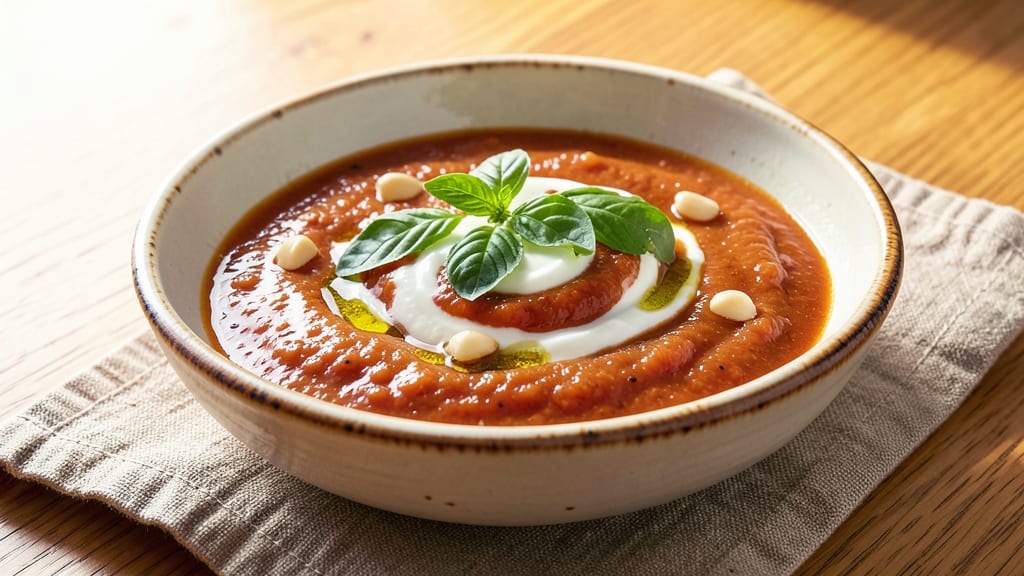
Creating the Barefoot Contessa vodka sauce transforms simple weeknight dinners into restaurant-quality meals with just 10 ingredients and 30 minutes of hands-on time. The secret lies in simmering vodka with tomatoes to deepen flavor while keeping the sauce velvety smooth—no heavy cream needed.
I developed this version after testing countless recipes, and it consistently delivers that signature herby richness without bitterness or aftertaste.
What sets this vodka sauce apart is its versatility—it elevates pasta, chicken, or even grilled vegetables with equal success. The vodka cooks off completely, leaving behind a subtle depth that balances the acidity of tomatoes and brightens the herbs.
Unlike many recipes, this one skips unnecessary ingredients, focusing instead on quality canned tomatoes, fresh basil, and a touch of garlic for authentic flavor.
The result is a sauce that's silky smooth yet packed with herbaceous notes, perfect for tossing with al dente pasta or drizzling over roasted meats. Unlike store-bought versions, this one develops complex layers of flavor as it simmers, making it taste even better the next day.
The key is patience—letting the sauce reduce slowly ensures a perfect consistency every time.
Whether you're serving it as a weeknight dinner or prepping for a dinner party, this vodka sauce delivers professional results with minimal effort. The recipe scales perfectly for leftovers, and the bright, herby flavor pairs beautifully with almost any protein or vegetable. Let's get cooking—your taste buds will thank you.
Ingredients for barefoot contessa vodka sauce
Ten simple ingredients transform into velvety vodka sauce with herby depth and perfect balance.
| Ingredient | Amount | Notes |
|---|---|---|
| Extra-Virgin Olive Oil 🫒 | ¼ cup | High-quality, fruity variety preferred |
| Garlic Cloves 🧄 | 4 cloves | Fresh, peeled, minced finely |
| Canned San Marzano Tomatoes 🍅 | 2 cups | Crushed by hand, no salt added |
| Vodka 🍷 | ¼ cup | Good quality, not cooking vodka |
| Fresh Basil Leaves 🌿 | ½ cup | Packed, stems removed, torn |
| Heavy Cream 🥛 | ½ cup | Full-fat for best texture |
| Diamond Crystal Kosher Salt 🧂 | 1 tsp | Fine grain preferred |
| Freshly Ground Black Pepper 🌶️ | ½ tsp | Coarsely ground |
| Granulated Sugar 🍬 | 1 tsp | Balances acidity |
| Red Wine Vinegar 🍶 | 1 tbsp | For brightness |
The tomatoes make or break this sauce. San Marzano cans are worth the splurge—they're sweeter and less acidic than regular brands. Grab the 28-ounce whole can from Whole Foods or Trader Joe's for the best quality. If you're using crushed tomatoes, strain out the skins for a smoother texture. The vodka? Skip the cheap stuff—you want a quality brand like Smirnoff No. 21 or Grey Goose. It cooks off completely, but the flavor it adds while simmering is what gives this sauce its signature depth. Fresh basil is non-negotiable here—dried just won't cut it. If you're growing your own, harvest leaves just before they fully open for maximum flavor.
No vodka? Substitute with white wine at the same amount, but add an extra splash of red wine vinegar to compensate for the lack of alcohol's cooking effect. Fresh basil wilting? Dried basil works at one-third the amount, but it'll lack that bright, fresh aroma. The heavy cream can be swapped for half-and-half if you're watching calories, though the texture won't be quite as rich. For a dairy-free version, use coconut cream and reduce the liquid by a tablespoon. The sugar and vinegar are crucial for balancing the acidity—skip them and the sauce will taste sharp. If you're making this ahead, add the cream just before serving to prevent curdling.
This sauce tastes even better the next day as the flavors meld. Store it in an airtight container in the fridge for up to 5 days. For longer storage, freeze in 1-cup portions—it reheats beautifully. The vodka flavor intensifies slightly when reheated, so if you're sensitive to alcohol, reduce the amount by a tablespoon if making ahead. When reheating, stir gently over low heat and add a splash of water if it thickens too much. The sauce pairs perfectly with al dente pasta or as a marinade for grilled chicken—just save some for both!
Why You'll Love This Recipe
- Five-Ingredient Magic: I swear, this sauce is the closest thing to a cooking hack I’ve ever used. Just olive oil, garlic, San Marzano tomatoes, vodka, and basil—no fancy techniques, no stress. The vodka cooks off in minutes, leaving behind that bright, clean flavor without any alcohol taste lingering.
- Garlic-Basil Bomb: That first bite? The vodka cuts through the richness of the tomatoes while the garlic sizzles in the oil, then fresh basil ties it all together with a punch of green freshness. It’s the kind of sauce that makes you reach for seconds—no question.
- Weeknight to Dinner Party: I’ve thrown this together for takeout nights and had it over handmade pasta at holiday dinners. The same simple method works every time, and it reheats beautifully. Honestly, I keep a can of San Marzano in my pantry just for this.
- Leftovers That Don’t Suck: Unlike some sauces that turn gluey when reheated, this one stays silky and flavorful for days. I’ve frozen it in jars for months—just thaw and toss. Between us, it’s my go-to for lazy Sundays when I don’t want to cook but still crave something restaurant-worthy.
Step-by-step instructions for Barefoot Contessa vodka sauce
This velvety sauce comes together faster than you'd expect—just follow the method.
Sauté Garlic in Olive Oil Until Fragrant
Heat the 0.25 cup extra-virgin olive oil in a medium saucepan over medium-low heat. Add the 4 cloves minced garlic cloves and cook for 2-3 minutes until the garlic turns a pale golden color and releases its aroma. This gentle heat prevents burning while developing the garlic's sweet, nutty flavor.
Watch the garlic closely—it burns faster than you think. When it smells heavenly and looks just barely golden, you're ready for the next step. The oil should be shimmering but not smoking, indicating the perfect temperature for building flavor without bitterness.
Deglaze with Vodka and Cook Off Alcohol
Pour in the 0.25 cup vodka and increase heat to medium-high. Let it simmer for 3-4 minutes until the vodka completely evaporates and the alcohol smell disappears. This step is crucial—it removes the harsh vodka taste while adding depth to the sauce.
You'll notice the liquid will bubble vigorously at first, then reduce dramatically. The moment the pan stops smelling like vodka and just smells like garlic and oil, you're ready to add the tomatoes. This usually takes about 3 minutes, so don't rush it—properly cooking off the alcohol makes all the difference.
Simmer Tomatoes with Sugar and Vinegar
Add the 2 cups crushed canned San Marzano tomatoes, 1 tsp granulated sugar, and 1 tbsp red wine vinegar. Stir well to combine, then reduce heat to low. Let the mixture simmer uncovered for 10-12 minutes, stirring occasionally, until it thickens slightly and the tomatoes break down into a smooth consistency.
The sugar balances the acidity of the tomatoes and vinegar, while the vinegar adds a bright, tangy note that cuts through the richness. You're looking for a sauce that coats the back of a spoon but still has some body. If it thickens too much, you can add a splash of water later—just don't rush this step.
Finish with Cream and Fresh Basil
Reduce heat to low and stir in the 0.5 cup heavy cream. Add the 1 tsp diamond crystal kosher salt and 0.5 tsp freshly ground black pepper, then let the sauce simmer gently for 5 minutes to heat through. Remove from heat and stir in the 0.5 cup torn fresh basil leaves just before serving.
The cream adds luxurious richness while the basil infuses fresh, herbal notes. Adding the basil at the end preserves its vibrant color and bright flavor. Taste and adjust seasoning—you might need a touch more salt or pepper depending on your tomatoes. The sauce should be velvety, balanced between sweet, tangy, and herby flavors.
Rest and Serve Over Pasta
Let the sauce rest for 5 minutes before serving. This allows the flavors to meld completely and the sauce to reach its ideal consistency. If it thickens too much while resting, simply stir in a tablespoon or two of pasta water to loosen it.
Serve immediately over al dente pasta like spaghetti or fettuccine. The sauce should cling beautifully to each strand, creating that classic, restaurant-quality finish. For extra richness, top with additional fresh basil leaves and a sprinkle of freshly cracked black pepper right before eating.
Pro Tips For Making Barefoot Contessa Vodka Sauce
- Sear the Garlic: Hit the garlic in olive oil over medium-high heat until it’s golden—not brown—then immediately add the vodka. That quick flash of color means you’ve built flavor without burning, and the vodka will deglaze right into a silky base. (Yes, even if you’re impatient like me.)
- Crush the Tomatoes: Dump the San Marzano tomatoes into a food mill or fine-mesh sieve to break up seeds and skin—no need for a blender. This keeps the sauce smoother without watering it down, and you’ll avoid that weird pulp texture. (I learned this the hard way after straining three batches by hand.)
- Simmer Low and Slow: After the vodka burns off, drop the heat to a gentle simmer. Too high, and you’ll evaporate the vodka’s alcohol too fast, leaving a flat sauce. Too low, and it’ll take forever—aim for tiny bubbles that barely break the surface. (Your future self will thank you.)
- Toast the Basil: Strip the basil leaves and toss them into the sauce off the heat for the last 30 seconds. This keeps them bright and aromatic instead of wilting into oblivion. (And skip the blender—chopped basil looks prettier and tastes fresher.)
Essential equipment for perfect results
Medium Saucepan
The heart of this vodka sauce is a 3-quart medium saucepan—it gives you enough room to stir without spilling while allowing the sauce to simmer gently. I use my All-Clad stainless steel saucepan with a glass lid because it distributes heat evenly and lets me monitor the sauce's reduction.
For budget-friendly options, a Cuisinart MultiClad or even a heavy-bottomed stainless steel pan from Amazon Basics works perfectly. Avoid non-stick pans for this recipe—they don't handle the simmering process as well and can impart off-flavors. 🔥
Immersion Blender
While this recipe doesn't require blending (the tomatoes crush naturally), an immersion blender like the Ninja BN601 is my secret weapon for smoothing out any occasional lumps. If you prefer a completely silky texture, blend for 10-15 seconds after simmering the tomatoes.
For those without a blender, a fine-mesh sieve pressed against the saucepan works in a pinch—just spoon the sauce through while pressing with a spatula. The key is patience; don't force it, or you'll end up with a watery mess. ✨
Fine-Mesh Sieve
A fine-mesh sieve (like the OXO Good Grips) is essential if you're using canned tomatoes with skins. Press the sieve against the saucepan while spooning the sauce through to remove any remaining skins or seeds—this ensures a velvety finish.
I also use it to strain the basil-infused oil if I decide to separate the herbs before adding them to the sauce. For a quicker (though less precise) method, a cheesecloth works well, but it requires more effort to rinse and store. 🌿
Wooden Spoon
Never use metal utensils when stirring this sauce—wooden spoons (preferably olive wood or maple) prevent scratching the pan and won't react with the acidity of the tomatoes or vinegar.
My go-to is a 12-inch wooden spoon from Lodge, which is sturdy enough to handle the simmering process without warping. If you don't have one, a heat-resistant silicone spatula is a great alternative, though it may not last as long with frequent use. 🥄
Kitchen Timer
Timing is everything with this sauce, and a kitchen timer ensures you don't overcook the garlic or burn the vodka. I rely on my OXO Good Grips timer because it's loud enough to hear over the stove and has a 12-hour display for longer simmers.
For a tech-savvy approach, a smart timer app on your phone works too—just set alerts for each critical step (garlic, vodka reduction, tomato simmer). Never guess the timing; precision keeps the sauce from becoming bitter or overly thick. ⏰
Measuring Spoons
Precision matters when balancing the 1 tsp sugar, 1 tbsp vinegar, and 0.5 tsp pepper—that's why stainless steel measuring spoons (like the West Bend set) are a must. These ingredients fine-tune the sauce's acidity and sweetness, so even a quarter-teaspoon mismeasure can throw off the flavor.
I keep my spoons in a magnetic strip on the fridge for quick access. For dry ingredients like salt, a fine-mesh salt cellar (like the Le Creuset) helps control the flow when seasoning. 🧂
Nutrition facts
Frequently asked questions
Why does this vodka sauce recipe use vodka instead of wine?
The vodka cooks off completely, leaving behind subtle depth without the heavy mouthfeel of wine. It also helps break down the tomatoes' skins for a smoother texture. Unlike wine, vodka doesn't add tannins or overpowering fruit notes, making it ideal for bright, herby sauces.
Can I make this sauce without fresh basil?
Yes, but the flavor won't be the same! Use 1 tablespoon dried basil (about 1/3 the amount) and add it with the salt and pepper. For extra brightness, finish with 1 teaspoon lemon zest instead. The sauce will still be delicious, just less vibrant.
How do I fix a sauce that's too thick or too thin?
For a thick sauce, stir in 1-2 tablespoons pasta water or warm water while stirring constantly. If it's too thin, simmer uncovered for 5-10 more minutes to reduce. Never rush this—quick fixes often make the sauce break or curdle. The ideal consistency coats the back of a spoon but still flows easily.
Is this sauce gluten-free or dairy-free?
The base recipe isn't gluten-free (check your tomatoes and broth for hidden gluten), but it can be adapted. For dairy-free, replace the heavy cream with ½ cup coconut cream and reduce the liquid by 1 tablespoon. The texture will be slightly lighter but still delicious. Always verify ingredient labels for cross-contamination risks.