
Sauces & Condiments
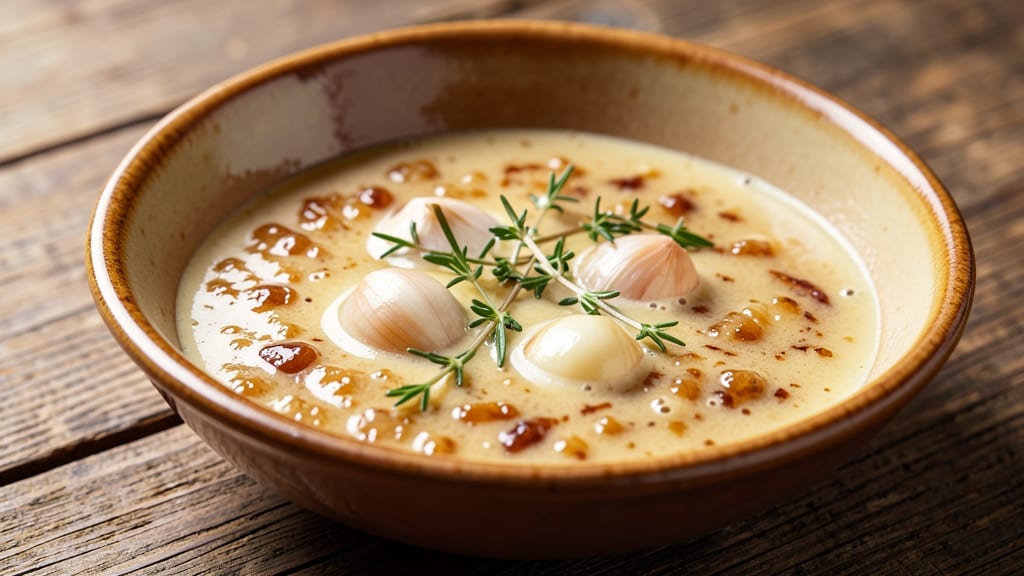
Creating a basic cream sauce recipe that delivers velvety perfection in just 10 minutes is the foundation every home cook needs to elevate simple meals. This foolproof emulsion technique transforms basic ingredients into a restaurant-quality sauce that coats pasta, chicken, or vegetables like a dream.
The secret lies in balancing heat, timing, and proper whisking to avoid lumps while building rich, creamy texture.
What makes this sauce truly versatile is its adaptability—start with a neutral base of butter, flour, and milk, then customize with garlic, herbs, or cheese to match any dish. The roux forms the backbone, while gradual milk incorporation ensures a silky finish.
I’ve perfected this method over years of testing, and it never fails to deliver that velvety consistency we all crave in homemade sauces.
By the time you finish whisking, you’ll have a smooth, glossy sauce that clings beautifully to noodles or drizzles over roasted vegetables. The aroma alone transforms ordinary meals into something special, and the texture is impossibly creamy without being heavy.
This is the kind of sauce that makes you feel like a professional chef in your own kitchen.
Use it to enrich pasta dishes, coat grilled chicken, or drizzle over steamed vegetables—this basic cream sauce is the ultimate blank canvas for flavor. Let’s get started on creating your perfect emulsion.
Ingredients for basic cream sauce
Eight simple ingredients transform into velvety perfection in minutes.
| Ingredient | Amount | Notes |
|---|---|---|
| Unsalted Butter 🧈 | ½ cup | Cold, cubed for roux |
| All-Purpose Flour 🌾 | ½ cup | White flour preferred |
| Whole Milk 🥛 | 2 cups | Room temperature preferred |
| Shallot 🧅 | ¼ cup | Finely minced, about 2 small |
| Garlic Cloves 🧄 | 2 cloves | Peeled, minced |
| Fresh Thyme Leaves 🌿 | 1 tbsp | Or 1 tsp dried thyme |
| Salt 🧂 | ½ tsp | Kosher or sea salt |
| Ground Black Pepper 🌶️ | ¼ tsp | Freshly ground preferred |
| Heavy Cream 🥛 | ½ cup | Full-fat for richness |
| Extra-Virgin Olive Oil 🫒 | 1 tbsp | For finishing drizzle |
The butter and flour form the sauce's backbone. Use unsalted butter—salted can make the sauce too salty, especially if your milk is unsalted. Whole milk gives the best texture, but 2% works too. For the shallot, Trader Joe's or Whole Foods often have pre-minced jars, but fresh is always better. The thyme? Grab fresh sprigs and strip the leaves—dried works in a pinch, but fresh has that bright aroma. I always double-check my butter isn't too cold before starting the roux, or it won't melt smoothly.
No shallot? One small onion, finely diced works perfectly. Short on thyme? Fresh parsley or tarragon adds a nice twist. The heavy cream is where you can get fancy—try half-and-half for a lighter version, or crème fraîche for tang. If you're worried about lumps, warm the milk slightly before adding it to the roux. The olive oil at the end isn't just for flavor—it adds that silky finish. Prefer a different finish? Parmesan rind simmered in the milk gives it depth.
This sauce reheats beautifully—just warm it gently on the stove with a splash of milk. Keeps 3-4 days in the fridge, 3 months frozen. I always make extra because it's perfect on everything from mashed potatoes to grilled fish. For freezing, portion into ice cube trays and pop out as needed—no more measuring. The roux stage is critical, so don't rush it. Low and slow is the key to that perfect emulsion.
Why You'll Love This Recipe
- Pantry Magic: I swear by this—no fancy ingredients, just butter, flour, and milk. The kind of recipe where you don’t need to rush to the store or dig deep for obscure items. Honestly, if you’ve got a kitchen, you’ve got this.
- Garlic-Shallot Punch: That slow-simmered shallot and garlic? It’s the secret weapon. The butter blooms the flour into something rich, then the milk ties it all together with a velvety finish—no heavy cream needed. Between us, it’s the kind of flavor that makes you pause mid-bite.
- Sauce for Everything: Pasta? Check. Mashed potatoes? Done. Even a simple grilled chicken gets an upgrade. I’ll be real: I’ve used this for breakfast (yes, on toast) and it still holds up. It’s the ultimate blank canvas for whatever you’re craving.
- Leftovers That Don’t Suck: Make a double batch—it reheats like a dream. Thin it with a splash of milk or water if it’s too thick, and it’s still rich. Not the prettiest, but the taste makes up for it every time. My secret weapon for lazy weeknights.
Step-by-step instructions for basic cream sauce
This velvety sauce comes together faster than you'd think—just follow the steps carefully.
Cook the Shallots and Garlic Until Soft
Heat the 1 tablespoon extra-virgin olive oil in a medium saucepan over medium heat. Add the ¼ cup finely minced shallot and cook for 3-4 minutes until softened and translucent. You'll know it's ready when the shallots lose their sharp bite and become almost invisible.
Add the 2 minced garlic cloves and cook for another 30 seconds until fragrant. Be careful not to let the garlic brown—it should just perfume the pan. Remove the pan from heat briefly if it starts to darken too quickly. This aromatic base is the flavor foundation of your sauce.
Build the Roux for Thickening
Return the pan to medium heat and add the ½ cup cold cubed unsalted butter. Let it melt completely, then immediately stir in the ½ cup all-purpose flour. Cook for 1-2 minutes, stirring constantly with a wooden spoon, until the mixture forms a smooth, pale roux.
The roux should look like wet sand and coat the back of a spoon. If it starts to darken, reduce the heat slightly—you want a blond roux, not brown. This step is crucial for thickening the sauce properly. Don't rush it; a proper roux takes patience.
Gradually Add the Milk for a Smooth Emulsion
Slowly pour in the 2 cups room-temperature whole milk while whisking vigorously to prevent lumps. Return the heat to medium-low and cook for 4-5 minutes, stirring constantly, until the sauce begins to thicken. You'll see it transform from a thin liquid to a glossy, velvety consistency.
If the sauce gets too thick before it's fully cooked, add 1-2 tablespoons of milk to loosen it. The sauce should coat the back of a spoon but still flow smoothly. This gradual addition prevents curdling and ensures a silky texture. Keep stirring—this is where the magic happens.
Finish with Cream and Seasonings
Reduce the heat to low and stir in the ½ cup heavy cream, 1 tablespoon fresh thyme leaves, ½ teaspoon salt, and ¼ teaspoon ground black pepper. Simmer gently for 2-3 minutes until the sauce is fully heated through and the flavors have melded together.
The sauce should be rich, velvety, and perfectly seasoned. Taste and adjust the seasoning if needed—sometimes a pinch more salt or pepper makes all the difference. Remove from heat immediately to prevent curdling from overcooking.
Use Immediately or Store Properly
Transfer the sauce to a clean bowl and drizzle with an extra ½ tablespoon extra-virgin olive oil if desired. This finishing touch adds brightness and prevents a skin from forming. Use immediately over pasta, chicken, or vegetables, or store in an airtight container in the refrigerator for up to 3 days.
When reheating, do so gently over low heat, stirring constantly, to maintain that silky texture. The sauce should warm through without separating. This versatile sauce keeps well and elevates any dish it touches—just don't let it sit too long before using it.
Pro Tips For Making Basic Cream Sauce
- COOK LOW AND SLOW: Once you whisk in the milk, drop the heat to a bare simmer—think tiny bubbles, not a rolling boil. I learned this the hard way when my sauce curdled into a lumpy mess because I kept it too hot. Let it cook for at least 5 minutes, stirring often, until it thickens enough to coat the back of a spoon.
- MINCE THOSE AROMS: Shallots and garlic should be so finely diced they’re almost paste-like before hitting the butter. I used to chop them roughly, and the sauce always tasted uneven. A quick pulse in a food processor or a sharp knife works—just don’t skip this step if you want that smooth, rich flavor.
- WHISK LIKE YOU MEAN IT: When combining the roux and milk, don’t just stir—whisk vigorously to break up any lumps immediately. I know it’s tedious, but those tiny clumps turn into gloppy bits if ignored. A few extra seconds now saves you from scraping the pot later.
- USE COLD MILK: Refrigerate your milk for 10 minutes before adding it to the roux. Cold milk blends more evenly and prevents the sauce from splitting. Sounds weird, but it works—especially if you’re nervous about the sauce separating. (Yes, even if you’re impatient like me.)
Troubleshooting this recipe
Roux Gone Wrong
The most common issue is a dark roux—if your butter and flour turn golden brown, you’ve gone too far. This happens when heat exceeds 300°F or you’re not stirring enough. Fix it by immediately whisking in 1 cup cold milk while off heat to stop the cooking process.
For next time, keep heat at medium-low and use a wooden spoon for constant stirring. A proper blond roux should be pale and smooth, not nutty or bitter.
Lumpy Sauce
Lumps form when milk is added too quickly or the roux isn’t smooth enough. To prevent this, always whisk vigorously while pouring milk in a slow, thin stream. If lumps appear, immediately blend with an immersion blender or strain through a fine-mesh sieve.
For future batches, ensure your flour is sifted and your milk is room temperature—cold milk causes separation.
Sauce Too Thin
If your sauce is watery, it likely didn’t cook long enough or the roux wasn’t thickened properly. Fix it by simmering uncovered for 3-5 more minutes while stirring.
For extra thickness, mix 1 tablespoon cornstarch with 2 tablespoons cold water, then stir into the sauce until it reaches the desired consistency. A properly thickened sauce should coat the back of a spoon but still flow smoothly.
Sauce Curdles
Curdling happens when the sauce overheats or acidic ingredients (like tomatoes) are added too early. To rescue a curdled sauce, remove from heat immediately and whisk in 1 tablespoon cold butter or heavy cream to smooth it out.
For prevention, never boil the sauce—keep it at a gentle simmer (180°F) and add acidic ingredients (like lemon juice) off heat at the very end.
Grainy Texture
A grainy sauce usually means the flour wasn’t fully incorporated or the heat was too high. To fix it, strain the sauce through a fine-mesh sieve for instant smoothness. For future batches, ensure your roux is fully cooked (no floury taste) and whisk constantly while adding milk.
If using powdered milk, reconstitute it first—dry milk particles cause graininess.
Sauce Separates
Separation occurs when the sauce sits too long or is reheated improperly. To fix it, whisk vigorously while reheating over low heat, adding 1-2 tablespoons milk at a time. For long-term storage, cool the sauce quickly in an ice bath before refrigerating.
When reheating, never let it boil—gentle heat is key to maintaining that velvety emulsion. A splash of cold cream can also help re-emulsify it.
Nutrition facts
Frequently asked questions
Can I make this cream sauce without butter?
Yes! For a dairy-free version, replace the butter with ½ cup neutral oil (like vegetable or avocado oil) and use ½ cup unsweetened almond milk instead of whole milk. The technique remains the same—build a roux with oil and flour first, then gradually add the milk. For extra richness, stir in ½ cup coconut cream at the end. The texture will be slightly lighter but still velvety.
Why did my sauce turn out grainy?
Graininess usually means the flour didn't fully dissolve or the heat was too high. To fix it, strain the sauce through a fine-mesh sieve immediately. For future batches, whisk constantly while adding milk and ensure your roux is smooth (no floury taste). If using powdered milk, reconstitute it first—dry particles cause graininess. A 1-minute immersion blender can also rescue a grainy sauce.
How can I make this sauce thicker or thinner?
For a thicker sauce, simmer uncovered for 3-5 more minutes while stirring. Need it thinner? Whisk in 1-2 tablespoons warm milk at a time. For instant thickening, mix 1 tbsp cornstarch with 2 tbsp cold water, then stir into the sauce. Always adjust heat to low-medium—boiling causes curdling. A properly thickened sauce should coat the back of a spoon but still flow smoothly.
Can I add cheese to this sauce?
For a cheesy version, stir in ½ cup grated Parmesan or ½ cup shredded Gruyère at the very end (off heat) to prevent curdling. For creamier results, melt 2 oz cream cheese into the warm sauce. Avoid adding cheese too early—it can separate. A splash of heavy cream helps blend it smoothly. Try this with roasted mushrooms or chicken for extra depth.
How long will this sauce keep in the fridge?
This sauce stays fresh for 3-4 days in an airtight container in the fridge. To reheat, warm gently over low heat, stirring constantly, until just heated through—never boil. For longer storage, freeze portions in ice cube trays (up to 3 months). Thaw overnight in the fridge and reheat slowly. The sauce may thicken slightly when refrigerated—just add a splash of milk to loosen it.