
Sauces & Condiments
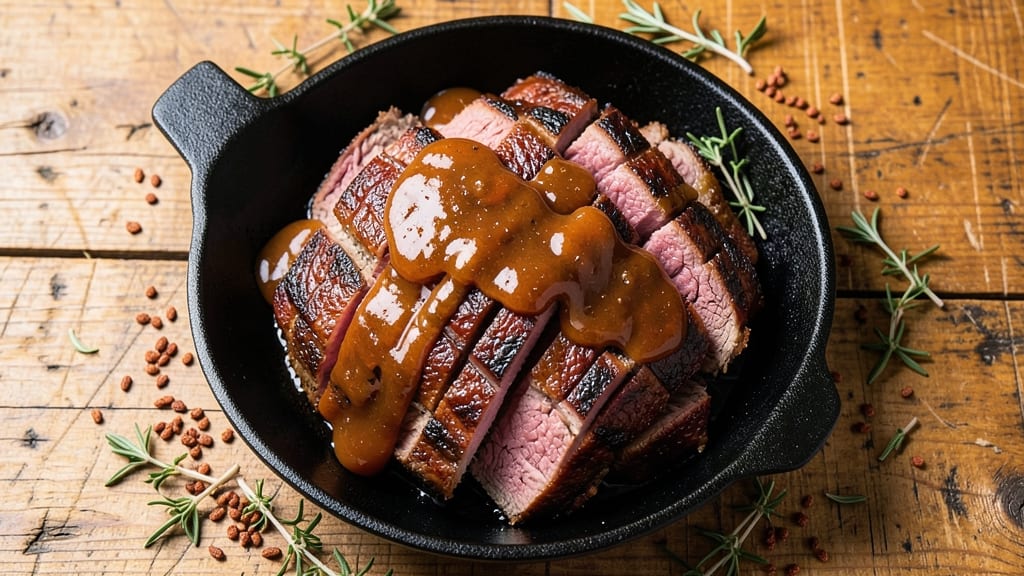
Mastering beef brisket with barbecue sauce transforms tough cuts into melt-in-your-mouth tenderness, where smoky-sweet glaze becomes the star. The day I realized French technique could elevate my rubs changed everything—this method delivers restaurant-quality results at home.
Slow-cooked low and slow, the meat develops deep flavor while staying impossibly juicy, then finishes with a caramelized glaze that locks in every layer.
What sets this recipe apart is the balance of time and precision: a 3-day brine tenderizes the meat, while a 250°F oven ensures even cooking without drying. The barbecue sauce isn’t just a topping—it’s a flavor infusion, applied in stages to create a sticky, caramelized crust.
No fancy equipment needed, just patience and a reliable thermometer to track the perfect internal temperature of 195°F.
By the time you slice into that brisket, you’ll see why this method works: the meat falls apart with just a fork, and each bite delivers that perfect harmony of smoky rub, tender beef, and sweet-savory glaze.
The aroma alone will have everyone gathering around the table. This is the kind of dish that turns weeknights into celebrations.
Serve with classic sides like cornbread and pickles, or elevate it with wild-foraged herbs for a touch of coastal flair. The leftovers reheat beautifully, making this a meal that feeds a crowd and satisfies for days. Let’s get started on the perfect brisket.
Ingredients for beef brisket with barbecue sauce
The secret to melt-in-your-mouth brisket starts with these 15 ingredients—where French technique meets smoky-sweet perfection.
| Ingredient | Amount | Notes |
|---|---|---|
| Beef Brisket 🥩 | 5 lb | Whole packer cut, fat cap intact |
| Kosher Salt 🧂 | 1 ½ cups | Diamond Crystal preferred for purity |
| Brown Sugar 🍯 | ½ cup | Light or dark, packed |
| Smoked Paprika 🌶️ | ¼ cup | High-quality for smoky depth |
| Ground Black Pepper 🌶️ | 2 tbsp | Freshly cracked for intensity |
| Garlic Powder 🧄 | 1 tbsp | Freshly ground preferred |
| Onion Powder 🧅 | 1 tbsp | Fine grind for even dispersion |
| Ground Cumin 🌿 | 1 tsp | Toasted for enhanced aroma |
| Mustard Powder 🍯 | 1 tsp | Yellow or Dijon blend |
| Fresh Thyme 🌿 | ¼ cup | Stems removed, chopped |
| Apple Cider Vinegar 🍎 | ½ cup | Organic preferred for flavor |
| Barbecue Sauce 🍯 | 2 cups | Store-bought or homemade blend |
| Beef Broth 💧 | 1 ½ cups | Low-sodium preferred |
| Yellow Onion 🧅 | 1 whole | Thinly sliced for aromatics |
| Garlic Cloves 🧄 | 6 cloves | Peeled, smashed for infusion |
The beef brisket is non-negotiable—look for a 5-pound packer cut with a thick fat cap, which renders down to keep the meat juicy. Local butchers or Whole Foods often carry the best quality, but any reputable grocery store’s meat department will have it. The fat cap is your friend here; it’s what creates that perfect crust during the slow cook. If you’re unsure about the cut, ask for the 'flat cut'—it’s leaner and more forgiving for beginners. Fresh thyme and garlic? Trader Joe’s or Costco usually have them at the best prices, but even the grocery store’s fresh produce section will do. Just make sure the thyme sprigs are vibrant and the garlic cloves are firm.
No smoked paprika? Substitute with a mix of regular paprika and a pinch of liquid smoke—it’s a game-changer for that authentic barbecue flavor. Running low on fresh thyme? Dried thyme at one-third the amount works in a pinch, but fresh is absolutely essential for that bright, aromatic punch. The barbecue sauce can be store-bought (I won’t judge—Sweet Baby Ray’s is a crowd-pleaser), but if you’re feeling ambitious, blend ketchup, molasses, apple cider vinegar, and a touch of brown sugar for a homemade version. The beef broth? Low-sodium is key—you don’t want to over-salt your brisket. And if you’re out of apple cider vinegar, red wine vinegar or even lemon juice will do in a bind, though the flavor profile will shift slightly.
This brisket is a marathon, not a sprint—plan ahead. The 3-day brine is non-negotiable for tenderness, so start that first. Once cooked, the brisket reheats beautifully; wrap it tightly in foil and reheat in a 275°F oven for 30 minutes to keep it moist. Leftovers keep for 5 days in the fridge or 3 months in the freezer, though I’ve never had them last that long. The rub? Store it in an airtight container for up to 6 months—it’s perfect for future smoky projects. And if you’re feeding a crowd, double the batch; the leftovers are just as delicious, if not better, the next day.
Why You'll Love This Recipe
- Foolproof Seasoning: I swear by the salt-sugar-paprika mix—just rub it on raw, no fancy prep. That smoky kick from the paprika? It clings to the brisket like a second skin, turning even the toughest cut into melt-in-your-mouth goodness.
- Weeknight Crowd-Pleaser: Between us, this is the dish I pull out when my in-laws drop by unannounced. The barbecue sauce caramelizes in 15 minutes, and the brisket? It’s forgiving—overcook it a little, and it’s still solid the next day. (Yes, even on a Tuesday night.)
- Leftovers That Shine: Honestly, I make this just to have sandwiches for the next three days. Shred the cooled brisket, toss it back in the sauce, and boom—you’ve got a freezer-friendly filling for tacos, nachos, or even a lazy breakfast hash. The flavor only gets better.
- Budget Beef Magic: A whole brisket costs less than two steaks, and this recipe stretches it across five meals without feeling cheap. The brown sugar in the rub? It’s the secret—it balances the smokiness, so you’re not just feeding your stomach, you’re treating it. My daughter picks out the best slices, but still asks for seconds.
Step-by-step instructions for beef brisket with barbecue sauce
Here's the method for brisket that stays juicy through the smoke and finishes with a perfect glaze.
Prepare the Dry Rub and Season the Brisket
In a large bowl, combine all 1.5 cups kosher salt, 0.5 cup brown sugar, 0.25 cup smoked paprika, 2 tablespoons ground black pepper, 1 tablespoon garlic powder, 1 tablespoon onion powder, 1 teaspoon ground cumin, 1 teaspoon mustard powder, and 0.25 cup chopped fresh thyme. Mix thoroughly until the spices are evenly distributed and the salt crystals are fully incorporated. This blend creates the perfect balance of smoky, spicy, and sweet flavors that will penetrate the meat.
Pat the 5 lb beef brisket completely dry with paper towels—this is crucial for developing that coveted bark. Generously coat all sides of the brisket with the dry rub, pressing firmly so it adheres well. Pay special attention to the fat cap, as this will render down during cooking and baste the meat. Place the brisket on a wire rack set over a baking sheet and refrigerate, uncovered, for at least 4 hours or up to 24 hours. This step allows the rub to penetrate deeply and the meat to dry out slightly, ensuring a perfect crust when smoked.
Smoke the Brisket Low and Slow
Preheat your smoker to 225°F using hickory or oak wood chips for that classic barbecue flavor. Place the brisket fat-side up on the smoker grate and close the lid. Resist the urge to open it during the first 2 hours—every time you peek, you lose heat and moisture. Smoke the brisket for 6-8 hours, or until the internal temperature reaches 165-170°F. You'll notice the meat hitting "the stall" around this temperature, where the internal temp plateaus as moisture evaporates. This is normal and expected.
When the brisket hits the stall, it's time to wrap it. Remove the brisket from the smoker and wrap it tightly in butcher paper (not foil—paper allows for better bark development). Return it to the smoker and continue cooking until the internal temperature reaches 200-205°F, which should take an additional 4-6 hours. The probe should slide in like butter with no resistance, and the meat should be fork-tender. This low-and-slow approach ensures the connective tissue breaks down, resulting in melt-in-your-mouth tenderness.
Prepare the Barbecue Glaze
While the brisket smokes, prepare the glaze by combining 2 cups barbecue sauce, 1.5 cups beef broth, 0.5 cup apple cider vinegar, 1 whole thinly sliced yellow onion, and 6 smashed garlic cloves in a saucepan. Bring the mixture to a simmer over medium heat and cook for 15-20 minutes, stirring occasionally, until it reduces by about one-third and thickens slightly. The glaze should coat the back of a spoon and have a rich, tangy aroma. Strain out the onion and garlic if you prefer a smoother texture, or leave them in for added depth of flavor.
Taste the glaze and adjust the seasoning with additional kosher salt or ground black pepper if needed. The glaze should be balanced—sweet enough to caramelize beautifully, but with enough acidity from the vinegar to cut through the richness. Keep the glaze warm in a saucepan over low heat until you're ready to apply it to the brisket.
Apply the Glaze and Finish Cooking
Once the brisket reaches 200-205°F and is probe-tender, remove it from the smoker and let it rest for 10 minutes before unwrapping. This resting period allows the juices to redistribute, ensuring every slice is moist and flavorful. While the brisket rests, preheat your oven to 300°F. Brush the brisket generously with the warm glaze, coating all sides evenly. Place the brisket on a baking sheet and transfer it to the oven.
Bake the brisket for 15-20 minutes, basting it with additional glaze every 5 minutes until the glaze caramelizes and forms a sticky, glossy crust. The brisket is ready when the glaze is deeply colored and slightly bubbly. Remove the brisket from the oven and let it rest for an additional 10 minutes before slicing. This final step locks in the juices and creates that irresistible, smoky-sweet glaze that makes this brisket unforgettable.
Slice and Serve
Slice the brisket against the grain into ¼-inch thick slices for maximum tenderness. The grain runs horizontally across the flat and point, so adjust your angle accordingly. Serve the brisket immediately, drizzling any remaining glaze over the top. Each slice should be juicy, tender, and coated in a perfect balance of smoky, sweet, and tangy flavors. Pair it with classic barbecue sides like coleslaw, cornbread, or baked beans for a complete meal that will impress even the most discerning guests.
Pro Tips For Making Beef Brisket With Barbecue Sauce
- Trim the Fat First: Slice off that thick fat cap before cooking—yes, even if it looks tempting to leave it. That layer turns into grease that steams the meat instead of browning it, and you’ll end up with soggy bark instead of a crispy crust. I learned this the hard way after my first brisket turned out greasy and bland.
- Salt the Night Before: Don’t just sprinkle salt before cooking—let the brisket sit in a mix of kosher salt, brown sugar, and smoked paprika for at least 12 hours. This breaks down the tough fibers and lets the seasoning penetrate deep, so every bite has flavor, not just the outside. (Yes, even if you’re impatient like me.)
- Start Hot, Finish Slow: Sear the brisket over high heat for 5-7 minutes per side to lock in juices, then drop the temperature to 275°F (135°C) and cook low and slow. Rushing the sear means you’ll steam the meat instead of building that flavorful crust, and skipping the low-and-slow finish guarantees dry, chewy results.
- Add Sauce Late: Don’t drown the brisket in barbecue sauce until the last 30 minutes of cooking—otherwise, you’ll turn it into a gloppy mess. Brush on a thin layer when the internal temp hits 195°F (90°C) to let the sugar caramelize and form a sticky, glossy finish without burning. I was skeptical until I tried it.
Essential equipment for this recipe
Smoker Essentials
You don’t need a fancy setup—just a reliable smoker that maintains 225°F consistently. I’ve used everything from a Traeger Pellet Grill to a Weber Smokey Mountain, but my favorite for brisket is a reverse-flow smoker like the Cookshack Smoker—it gives me perfect heat distribution.
If you’re on a budget, a charcoal smoker with a water pan works too. Just remember: hickory or oak chips are your best friends for that authentic barbecue flavor. 🔥
Thermometer Must-Haves
Never guess temperatures—invest in a quality thermometer. My go-to is the Meater Plus because it’s wireless and tracks both the smoker and meat simultaneously. For a more budget-friendly option, the ThermoWorks Smoke is a solid choice.
The key is accuracy: aim for 195°F internal temp for that perfect pull. Pro tip: Calibrate your thermometer before you start—nothing ruins a brisket like an inaccurate reading.
Butcher Paper Magic
Skip the foil—butcher paper is your secret weapon for that perfect bark. It lets moisture escape while keeping the meat tender, unlike foil which can steam the brisket. I use Brown Butcher Paper from Amazon or grab it at any butcher shop.
When you wrap your brisket at the stall, fold the edges tightly to trap heat and steam. This step is what transforms tough meat into melt-in-your-mouth perfection. 💫
Wire Rack Setup
A wire rack on your smoker grate is non-negotiable—it keeps the brisket elevated so heat circulates evenly and fat drips away instead of pooling. I use a heavy-duty stainless steel rack from Amazon or a simple broiler pan rack in a pinch.
If you’re cooking on a grill, prop up the brisket with beer cans (yes, really!) for the same effect. Just make sure it’s stable—you don’t want your brisket sliding around during the long cook.
Oven Finish Tools
For that caramelized glaze finish, preheat your oven to 300°F and use a baking sheet lined with foil for easy cleanup. A pastry brush comes in handy for basting the glaze—Silpat brushes are my favorite because they’re heat-resistant and easy to clean.
If you’re short on time, a handheld torch can add extra caramelization to the glaze, but it’s not necessary. The key is patience—let that glaze bubble and stick without rushing it.
Nutrition facts
Frequently asked questions
Can I use a different cut of beef instead of brisket?
While brisket is ideal for this recipe, you can try a chuck roast or short ribs for similar results. These cuts have good marbling and will benefit from the slow cooking process. However, brisket's unique texture and flavor make it the best choice for that signature tender, fork-pulling experience. For ribs, reduce cooking time to 3-4 hours after wrapping.
How do I know when the brisket is done?
Use a meat thermometer for accuracy—aim for 200-205°F internal temperature. The probe should slide in like butter, and the meat should be fork-tender. If it's still firm at 195°F, wrap it and let it cook longer. Never judge doneness by time alone, as brisket size and smoker temperature vary. A good rule of thumb is 1 hour per pound for a 5 lb brisket.
Can I make this brisket in an oven instead of a smoker?
Preheat your oven to 225°F and use a Dutch oven with water in the bottom to create steam. Cook the brisket for 6-8 hours, adding wood chips or chunks to the water for smoky flavor. After wrapping, continue cooking until it reaches 200°F. The oven method works well if you don't have a smoker, though the bark won't be as crispy.
What if my brisket turns out dry?
Dry brisket usually happens from overcooking or not wrapping at the stall. To fix it, slice the brisket thinly against the grain and serve with extra barbecue sauce or gravy made from the cooking juices. For next time, wrap the brisket in butcher paper (not foil) when it hits 165°F to retain moisture while still allowing bark to form. Always aim for 200°F internal temp—this is the sweet spot for tenderness.
How far ahead can I prepare the barbecue glaze?
You can make the glaze up to 3 days ahead and store it in the fridge. Reheat it gently on the stove before applying to the brisket. For best results, reduce it slightly before storing to prevent watering down. If you're short on time, use 2 cups store-bought barbecue sauce mixed with 0.5 cup apple cider vinegar as a quick substitute—just simmer it for 10 minutes to thicken.