
Sauces & Condiments
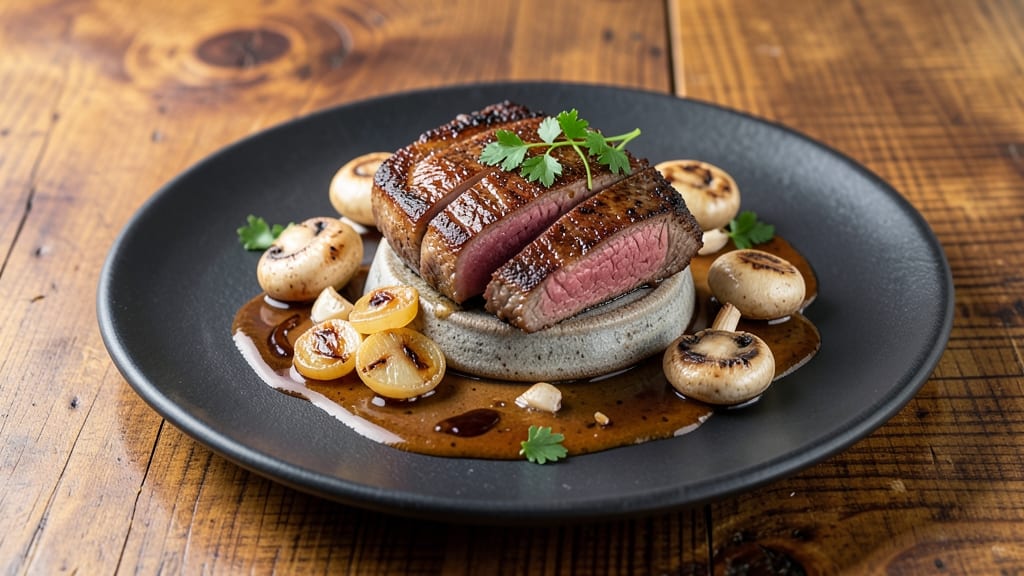
This beef sirloin with mushroom sauce recipe delivers restaurant-quality results with a perfect balance of tender steak and rich, earthy wine reduction. The key lies in searing the sirloin to medium-rare perfection while building a velvety sauce from sautéed mushrooms, shallots, and a splash of red wine.
I've perfected this technique over years of testing—every element must come together precisely for that ideal combination of caramelized crust and silky sauce.
The process begins with properly prepping the beef—thick-cut sirloin ensures a juicy interior while developing that coveted crust. Meanwhile, the mushroom sauce transforms simple ingredients into a complex, umami-packed sauce through careful reduction.
This isn't just a steak recipe; it's a complete meal where each component enhances the other, creating harmony between the bold flavors of the beef and the deep, savory notes of the mushroom reduction.
By following this method, you'll achieve perfectly seared beef with an internal temperature of 130°F (medium-rare) and a sauce that coats every bite in its velvety richness. The wine reduction adds depth while balancing the steak's natural richness, resulting in a dish that's elegant yet approachable.
This recipe serves four and pairs beautifully with roasted vegetables or buttery mashed potatoes for a complete meal experience.
The beauty of this dish lies in its versatility—adjust the wine reduction's thickness to your preference or add fresh herbs at the end for brightness. Whether you're cooking for a special occasion or a weeknight dinner, this beef sirloin with mushroom sauce will impress without requiring advanced techniques.
Let's get started on creating this sophisticated yet achievable meal.
Ingredients for beef sirloin with mushroom sauce
Restaurant-quality beef sirloin and earthy mushrooms transform into a velvety wine reduction with these precise ingredients.
| Ingredient | Amount | Notes |
|---|---|---|
| Beef Sirloin Steak 🥩 | 1 ½ lb | Thick-cut, 1-1.5 inches thick |
| White Button Mushrooms 🍄 | 1 lb | Sliced into even 1/4-inch pieces |
| Shallots 🧅 | 3 whole | Minced, not chopped |
| Garlic Cloves 🧄 | 4 cloves | Peeled, smashed with knife blade |
| Dry Red Wine 🍷 | ½ cup | Bold variety like Cabernet Sauvignon |
| Beef Stock 🍲 | 1 cup | High-quality, preferably homemade |
| Unsalted Butter 🧈 | 4 tbsp | Cold, cut into 1/2-inch cubes |
| Extra-Virgin Olive Oil 🫒 | 2 tbsp | High smoke point preferred |
| Diamond Crystal Kosher Salt 🧂 | 1 ½ tsp | For seasoning, not iodized |
| Fresh Thyme Leaves 🌿 | ¼ cup | Stripped from stems, not dried |
| Fresh Parsley Leaves 🌿 | 0.1 cup | Chopped, for garnish only |
| All-Purpose Flour 🌾 | 1 tbsp | For dusting steak |
The beef sirloin must be thick-cut—1-1.5 inches thick—to develop that perfect crust while remaining juicy at medium-rare. Source from a butcher shop if possible; premium cuts from Whole Foods or Costco deliver superior marbling. Avoid pre-cut steaks from the grocery store's freezer section, as they often contain excessive ice crystals that can compromise texture. For mushrooms, cremini or baby bella can substitute white button mushrooms but require slightly less cooking time. The shallots should be firm and free of sprouts—French's brand from the specialty section offers the best flavor consistency. Fresh thyme and parsley are non-negotiable for this dish; Penzeys brand or your local farmers' market will provide the most aromatic varieties.
No dry red wine? Substitute with beef stock—reduce it first to concentrate the flavor—but the wine's acidity is crucial for balancing the sauce's richness. For butter, European-style unsalted like Plugrá or Kerrygold adds superior depth. The flour should be lightly toasted in the pan before dusting the steak to prevent sticking. If you lack fresh thyme, dried thyme at one-third the amount works, though the flavor profile will differ slightly. For a quicker prep, pre-minced garlic and shallots from the refrigerated section save time, though freshly minced yields better results. The beef stock can be substituted with high-quality bouillon granules in a pinch, though homemade stock is ideal for depth.
Store the raw beef in an airtight container on the bottom shelf of your fridge to prevent cross-contamination. Mushrooms will keep for up to 5 days in a paper bag in the crisper drawer, while fresh herbs should be wrapped in damp paper towels and stored in a sealed container for 3-4 days. The prepared sauce can be refrigerated for 3 days or frozen for 3 months—simply reheat gently on the stove, adding a splash of water or stock if it thickens too much. For meal prep, portion the sauce separately and store it in small containers to maintain freshness when reheating alongside the steak.
Why You'll Love This Recipe
- One-Pan Magic: I swear by this recipe—just sear the steak, toss in sliced mushrooms and shallots, deglaze with red wine, and let it simmer. No extra pots, no fuss, and that caramelized mushroom sauce practically makes itself while you’re chopping salad.
- Wine-Infused Richness: That splash of dry red wine? It’s not just for show—it cuts through the beef’s richness while letting the mushrooms soak up all the deep, umami flavor. Honestly, the first time I made this, I nearly drank the pan dry just to taste it again.
- Date Night or Dinner Party: Between us, this feels fancy but takes zero effort. Serve it over mashed potatoes for a cozy night in, or plate it with crusty bread and a simple green salad for guests. My in-laws think I’m a chef, and my wallet stays happy.
- Leftovers That Don’t Suck: Cold steak and mushroom sauce? Actually delicious. I meal prep this all the time—slice the steak thin, reheat the sauce, and boom, you’ve got a hearty lunch or a quick dinner. (Yes, even on a Tuesday night.)
Step-by-step instructions for beef sirloin with mushroom sauce
Mastering this technique delivers a perfectly seared steak with a rich, velvety wine reduction.
Prepare the Steak for Optimal Searing
Remove the beef sirloin steak from the refrigerator and let it sit at room temperature for 30 minutes before cooking. This ensures even cooking throughout the thick cut. Pat the steak dry completely with paper towels—moisture is the enemy of a good sear. I like to press firmly all over, especially the thickest parts, to remove any surface moisture that would prevent proper browning.
Season both sides generously with 1.5 teaspoons of diamond crystal kosher salt, pressing it into the meat so it adheres evenly. This seasoning step is crucial—it creates a flavorful crust during searing. Let the seasoned steak rest for another 10 minutes while you prepare the mushrooms. The flour from the 1 tablespoon of all-purpose flour will be used later to create a light dusting that helps develop that coveted crust.
Develop the Mushroom Base and Aromatics
Heat 2 tablespoons of extra-virgin olive oil in a large, heavy skillet over medium-high heat until shimmering. Add the sliced 1 pound of white button mushrooms and cook for 8-10 minutes until they release their moisture and begin to brown. Stir occasionally to ensure even cooking, but don't overcrowd the pan—this prevents proper browning.
When the mushrooms are golden and most of their liquid has evaporated, add the minced 3 whole shallots and 4 smashed garlic cloves. Cook for another 3-4 minutes until the shallots are translucent and the garlic is fragrant. This aromatic foundation will carry through the entire dish, adding depth to the wine reduction. Remove the mushrooms and aromatics from the skillet and set them aside on a plate.
Sear the Steak to Perfection
Add 2 tablespoons of extra-virgin olive oil to the same skillet and increase the heat to high. When the oil is smoking slightly, carefully place the steak in the pan. Let it sear undisturbed for 3-4 minutes until a deep golden crust forms. You'll know it's ready when it releases easily from the pan—this is the moment that matters.
Flip the steak and sear the other side for another 3-4 minutes. The internal temperature should reach 130-135°F for medium-rare. For a thicker cut like this, I recommend using an instant-read thermometer to ensure precision. Transfer the steak to a cutting board and let it rest for 8-10 minutes while you prepare the sauce. This resting period is essential for redistributing the juices.
Create the Wine Reduction Sauce
Return the skillet to medium-high heat and add the 4 tablespoons of cold unsalted butter, cut into cubes. Let the butter melt and foam, then deglaze the pan with the 0.5 cup of dry red wine. Scrape up any browned bits from the bottom of the pan—they're packed with flavor. Simmer the wine until it reduces by half, which should take about 3-4 minutes.
Add the 1 cup of beef stock and bring to a gentle simmer. Stir in the 0.25 cup of fresh thyme leaves and return the mushrooms and aromatics to the skillet. Let the sauce simmer for 5-6 minutes until it thickens slightly. The sauce should coat the back of a spoon and have a velvety consistency. If it's too thin, simmer for another minute or two to reduce further.
Finish and Serve with Garnish
Slice the steak against the grain into ¼-inch thick pieces. Spoon the mushroom sauce over the steak, coating each piece evenly. The sauce should cling beautifully to the steak, creating a harmonious blend of rich, earthy flavors. Taste and adjust the seasoning if needed, adding a pinch more salt if necessary.
Garnish each serving with 0.1 cup of chopped fresh parsley leaves for a pop of color and freshness. Serve immediately with the sauce pooled around the steak. The combination of the perfectly seared beef sirloin and the velvety mushroom sauce creates a restaurant-quality dish that's sure to impress. Enjoy each bite of the tender steak with its rich, aromatic sauce.
Pro Tips For Making Beef Sirloin With Mushroom Sauce
- SEAR THE STEAK FIRST: Walk away from the pan after that initial sear—don’t rush the crust. Let the beef sit for 3-4 minutes on high heat until it’s deep golden, not just pink. I used to flip too soon, and the sauce always tasted like it was fighting for flavor instead of embracing it.
- SLICE MUSHROOMS THIN: Cut those white buttons paper-thin before cooking. Thick slices release moisture and turn to mush; thin slices caramelize fast and soak up the wine’s richness. Use a sharp knife and don’t overcrowd the pan—this isn’t a stew.
- DEGLAZE WITH PATIENCE: After searing the shallots and garlic, pour in the wine slowly and let it bubble away before scraping. Dump it all in at once, and you’ll just make a sad, diluted sauce. Scrape those browned bits—they’re the flavor foundation.
- REST THE STEAK UNDER FOIL: Plate the steak, tent it loosely with foil, and let it sit for 5-10 minutes. I know, it’s tempting to cut into it immediately, but that’s how you lose all the juices you just fought to earn. Let it relax before slicing—trust me, it’s worth the wait.
Common mistakes when making great beef sirloin with mushroom sauce
Overcrowding the Pan
One of the most common mistakes is overcrowding the skillet when cooking the mushrooms. When you pack too many mushrooms into the pan, they steam instead of brown, losing their rich, caramelized flavor.
I've learned this the hard way—once, I rushed and added all the mushrooms at once, ending up with a watery, pale sauce instead of the deep, earthy reduction I wanted. 🍄
To avoid this, cook the mushrooms in batches if needed. Use a large, heavy skillet like a 12-inch cast iron or All-Clad stainless steel to give them room to brown properly. If your pan is too small, cook half the mushrooms first, then set them aside before adding the rest.
This ensures each piece gets that golden crust that's essential for building flavor.
Skipping the Resting Step
I can't stress enough how crucial the resting step is after searing the steak. Many home cooks rush to slice and serve immediately, but this is a recipe for dry, tough beef.
When you cut into the steak right after cooking, all the juices rush to the surface, leaving the interior dry. Let the steak rest for 8-10 minutes—this allows the juices to redistribute evenly throughout the meat.
During this time, the internal temperature will rise about 5°F, so if you pulled it at 130°F, it'll reach 135°F by the time you serve it. Use this time to finish your sauce and prepare your sides.
Trust me, your guests will notice the difference between rested and unrested steak—it's the mark of a true home cook. 💡
Using Low-Quality Wine
The wine in this recipe isn't just for flavor—it's the backbone of your sauce. Using a cheap, harsh wine will make your sauce taste bitter and unbalanced.
I recommend using a bold red wine like Cabernet Sauvignon or Merlot—these varieties have enough body and acidity to stand up to the rich beef and mushrooms.
If you're using a wine you'd drink with dinner, save it for another occasion. For this recipe, I suggest Apothic Red Blend or Bogle Vineyards Cabernet Sauvignon—both are affordable yet deliver excellent results.
Avoid sweet wines or those with strong oak flavors, as they can overpower the delicate balance of the dish. A good rule of thumb is to use a wine you enjoy, but not one you'd serve with steak at a restaurant.
Inconsistent Heat Control
Heat management is everything when searing the steak and reducing the sauce. Many cooks either rush the sear or let the sauce simmer too aggressively, both of which can ruin the dish.
For the steak, you need high heat to create that perfect crust, but once you add the wine and butter, you should reduce the heat to medium-low to prevent burning.
I use a thermometer to monitor the skillet temperature—aim for 350°F when searing and 250°F when reducing the sauce. If your pan isn't hot enough, the butter will burn before the wine reduces properly.
Invest in a thermometer with a probe like the Meater or Thermoworks Smoke to ensure precision. This small tool makes a world of difference in achieving consistent results every time. 🌡️
Ignoring the Browned Bits
The fond—the browned bits stuck to the bottom of your pan—is packed with flavor. Many cooks scrape these off and discard them, but they're essential for building depth in your sauce. When you deglaze the pan with wine, those browned bits dissolve into the liquid, creating a complex, umami-rich sauce.
After searing the steak, let the pan cool slightly, then add the wine and scrape vigorously with a wooden spoon or spatula.
Don't rush this step—let the wine simmer until it reduces by half, and you'll be rewarded with a sauce that's far more flavorful than if you'd skipped this crucial step. Think of it as unlocking the hidden flavors in your pan. 🔥
Over-Salting the Sauce
Seasoning is all about balance, and many cooks make the mistake of over-salting the sauce. Since the beef is already well-seasoned, you don't need to add extra salt to the sauce unless it tastes flat. Taste as you go—start with just a pinch of kosher salt and adjust gradually.
I often find that the mushrooms and wine provide enough natural saltiness, so I hold off on adding more until the very end. If you're unsure, remember that you can always add more salt, but you can't take it out.
Trust your taste buds and season gradually. This is where home cooks often go wrong—they assume more salt is better, but sometimes less is more. ✨
Nutrition facts
Frequently asked questions
What's the best way to choose a beef sirloin for this recipe?
Look for a thick-cut sirloin (1-1.5 inches thick) with good marbling—those white fat streaks within the meat. The best cuts come from the top sirloin area, not the flank or flat iron. Ask your butcher for "USDA Choice" or better grade, and avoid pre-cut steaks from grocery store freezers, as they often contain ice crystals that affect texture.
Can I make this sauce ahead of time?
The mushroom sauce keeps well in an airtight container in the fridge for 3 days or frozen for 3 months. Reheat gently on low heat, adding a splash of beef stock if it thickens too much. Just don't add the butter until reheating—it burns easily when cold. The steak should always be cooked fresh for best results.
What if I don't have red wine?
Use 1 cup beef stock reduced by half (simmer until thickened) as a substitute. For extra depth, add 1 teaspoon soy sauce or 1/2 teaspoon balsamic vinegar. Avoid sweet wines—they'll make the sauce taste off-balance. A splash of apple cider vinegar (1/2 teaspoon) can help replicate the wine's acidity if needed.
How do I adjust this for a crowd?
Double the recipe and use a 14-inch cast iron skillet or divide it between two pans. For 8 servings, increase the steak to 3 lbs and sauce ingredients by 50%. Cook the mushrooms in batches to prevent steaming. The key is maintaining high heat for searing and low heat for reducing—never rush the process with larger quantities.
What sides pair best with this dish?
Roasted root vegetables (carrots, parsnips, sweet potatoes) or creamy mashed potatoes complement the rich sauce beautifully. For a lighter option, try sautéed green beans with garlic or a crisp arugula salad with lemon vinaigrette. The earthy mushrooms in the sauce pair especially well with starchy sides that can soak up the extra sauce.