Sauces & Condiments
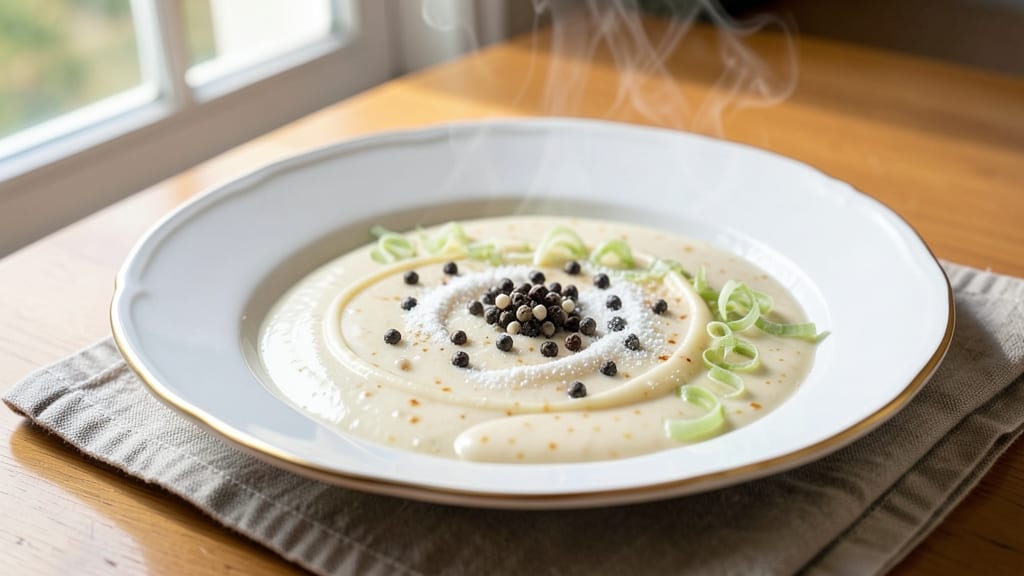
Mastering béchamel sauce transforms ordinary dishes into restaurant-quality masterpieces—it’s the creamy backbone of mac and cheese, lasagna, and countless other classics. The secret lies in a perfectly balanced roux and gradual milk incorporation, which eliminates lumps and creates a velvety texture that’s impossible to achieve with store-bought versions.
I’ve perfected this technique over years of testing, ensuring every batch delivers that signature smoothness and depth of flavor.
This sauce relies on just three core ingredients—butter, flour, and milk—but the method is precise. Cooking the butter and flour to a light golden color (not brown) creates a flavorful base that won’t overpower your dish.
The key is patience: whisking in warm milk slowly and constantly prevents clumping, while low-and-slow simmering develops a rich, velvety consistency. Once you’ve nailed the roux, the rest is about control and timing.
What you’ll end up with is a silky, creamy sauce that clings beautifully to pasta, coats vegetables, or forms the perfect cheese melter for casseroles. The flavor is neutral enough to adapt to any dish but rich enough to stand alone.
Whether you’re elevating a simple mac and cheese or crafting a gourmet lasagna, this béchamel is your foundation. Ready to elevate your cooking? Let’s get started.
The best part? This sauce keeps well for up to 5 days in the fridge or 3 months in the freezer, making it a versatile staple for meal prep.
For extra depth, infuse it with garlic, herbs, or even a touch of mustard—endless possibilities await. Here’s how to make it flawless every time.
Ingredients for beschamel sauce
Three core ingredients plus a few finishing touches—this is your restaurant-quality béchamel foundation.
| Ingredient | Amount | Notes |
|---|---|---|
| Unsalted Butter 🧈 | ¾ cup | Cold, cubed for even cooking |
| All-Purpose Flour 🌾 | ¾ cup | Sifted for smoother sauce |
| Whole Milk 🥛 | 4 cups | Warmed to 160°F for best results |
| Diamond Crystal Kosher Salt 🧂 | ½ tsp | Adjust to taste |
| White Peppercorns 🌶️ | ¼ tsp | Freshly cracked for subtle flavor |
| Fresh Nutmeg 🌿 | ¼ tsp | Finely grated, not pre-ground |
| Extra-Virgin Olive Oil 🫒 | 1 tbsp | For finishing, optional |
The butter and flour create your roux, so quality matters here. Plugrá or Land O’Lakes unsalted butter melts beautifully without overpowering. For the flour, King Arthur or Gold Medal brands whisk together smoothly—no lumps. The milk? Whole milk is ideal—it adds richness that skim can't match. Warm it gently (160°F) before adding, but never boil. Cold milk causes clumping, and nobody wants that. If you're in a rush, Trader Joe's organic whole milk works perfectly—just let it sit out for 10 minutes to warm.
No whole milk? Half-and-half or heavy cream gives similar richness, but reduce to 3 cups since it's thicker. Fresh nutmeg is a game-changer—pre-ground loses potency fast. If you only have ground, use half the amount. The white pepper is subtle but essential—black pepper can darken the sauce. For extra depth, add a garlic clove infused in the warm milk (remove after 5 minutes). The olive oil finish isn’t mandatory, but it adds a silky sheen that makes the sauce look (and taste) restaurant-worthy. Store-bought béchamel? Never again—this is worth the effort.**
This sauce is a pantry MVP. Store in an airtight container for up to 5 days in the fridge—it actually improves overnight as flavors meld. For longer storage, freeze in 1-cup portions with parchment between layers. Thaw overnight in the fridge, then reheat gently on low heat, whisking constantly. Never microwave—it breaks the emulsion. Pro tip: Keep a small jar in your fridge at all times. Once you’ve made it, you’ll always have it. The first batch is the hardest—after that, it’s just muscle memory.
Why You'll Love This Recipe
- Four-Ingredient Magic: I swear, this sauce is the culinary equivalent of a warm hug—just butter, flour, milk, and a pinch of salt. No fancy ingredients, no stress, and yet it transforms whatever you pour it over into something restaurant-worthy.
- Velvet Smoothness: That moment when the roux turns golden and the milk melts into silky perfection? Pure satisfaction. The white pepper adds this subtle, sophisticated kick without overpowering—like a whisper of elegance in every bite.
- Weeknight Swiss Army: Mac and cheese? Baked pasta? Chicken pot pie? This sauce is my secret weapon for turning simple dinners into something special. Honestly, I keep a jar in the fridge just for emergencies—because you never know when you’ll need that creamy rescue.
- Budget-Friendly Luxury: A stick of butter, a bag of flour, and a gallon of milk stretch farther than you’d think. Make a big batch, freeze half, and thank me later when you’re reheating leftovers that taste just as rich as day one. (Yes, even on a Tuesday night.)
Step-by-step instructions for silky béchamel sauce
This classic French sauce builds on a perfect roux—let's create a velvety foundation for mac and cheese.
Prepare the Roux Foundation
In a medium saucepan, melt the 0.75 cup unsalted butter over medium-low heat, stirring constantly with a wooden spoon. Watch closely as the butter transforms from solid to liquid—you want it to foam gently without browning. This gentle heat prevents burning and ensures a smooth sauce texture.
Once the butter is fully melted, immediately whisk in the 0.75 cup all-purpose flour all at once. Stir vigorously for 2-3 minutes until the mixture thickens into a smooth, peanut-butter-like consistency. This is your roux—the backbone of béchamel—and it should coat the back of your spoon completely. If it looks grainy, you're not cooking it long enough. Keep the heat steady; too high will scorch the flour, too low will make it gummy.
Gradually Incorporate Warm Milk
Remove the saucepan from heat and let it cool slightly for 30 seconds—this prevents sudden temperature shocks that can cause lumps. Slowly pour in 1 cup of the warmed whole milk while whisking continuously. The sauce will thicken immediately as the milk absorbs into the roux.
Return the saucepan to medium-low heat and whisk in the remaining 3 cups warmed whole milk gradually, adding ½ cup at a time. This slow incorporation prevents lumps from forming. Stir constantly for 5-7 minutes until the sauce thickens enough to coat the back of a spoon. It should look glossy and smooth, like heavy cream. If it's too thick, thin with a splash of milk; if too thin, simmer longer. The goal is a sauce that coats a spoon but flows freely when poured.
Season and Finish the Sauce
Reduce the heat to low and stir in the 0.5 teaspoon diamond crystal kosher salt, 0.25 teaspoon freshly cracked white peppercorns, and 0.25 teaspoon finely grated fresh nutmeg. Let the sauce simmer gently for 2-3 minutes to allow the flavors to meld. Taste and adjust seasoning—béchamel should be subtly sweet, with just a hint of peppery warmth from the nutmeg.
For extra richness, stir in the 1 tablespoon extra-virgin olive oil off the heat. This adds depth without altering the sauce's delicate texture. If you're using this for mac and cheese, now's the time to fold in cheese—just remember, melted cheese thickens the sauce further. For a restaurant-quality finish, strain the sauce through a fine-mesh sieve to remove any lumps, then return it to the pan for another minute of gentle simmering. The result should be silky, velvety, and ready to elevate any dish.
Pro Tips For Making Beschamel Sauce
- Melt Butter Slowly: I learned this the hard way—dumping cold butter into the pan makes the flour turn to paste instead of golden roux. Melt it over medium-low heat first, letting it foam and settle before adding flour. The butter should be just bubbling, not browning, or you’ll taste burnt notes in your sauce.
- Whisk Like Your Life Depends On It: The moment you stop whisking is when lumps form. Use a flat whisk (not a fork) and keep it moving constantly—especially when adding milk. If you’re impatient (like me), add the milk gradually in a thin stream instead of pouring it all at once. No one likes scraping lumps out later.
- Salt the Butter First: Unsalted butter? Toss in a pinch of kosher salt before melting it—this way, the salt dissolves evenly into the fat, not just the finished sauce. Skipping this step means your sauce tastes flat until you remember to add salt at the end. (Yes, even if you’re using Diamond Crystal, which is less salty than table salt.)
- Strain for Smoothness: Does it look weird? Yes. Does it work? Every single time. After cooking, strain the sauce through a fine-mesh sieve lined with cheesecloth. This removes any stray flour bits that make your sauce look (and taste) like glue. Worth the extra 30 seconds—especially if you’re serving it over something delicate like lasagna.
Troubleshooting great beschamel sauce
Lumpy Texture Fix
If your béchamel develops lumps, don’t panic—this is the most common issue, and I’ve got two fixes. First, if lumps appear during milk addition, immediately remove the pan from heat and whisk vigorously with a hand mixer for 30 seconds. The heat shock often breaks up small clumps.
For stubborn lumps, press a fine-mesh sieve against the sauce and gently press with a spoon to force lumps through. If all else fails, blend the sauce briefly with an immersion blender—just be careful not to overheat it. 💡
Overcooked Roux
A roux that turns brown or develops a nutty aroma means you’ve gone too far. This happens when heat exceeds medium-low or when you walk away for too long. If this occurs, immediately whisk in ½ cup cold milk to cool the roux and dilute the flavor.
For future batches, keep your eye on the pan and maintain a steady medium-low heat. A properly cooked roux should be pale golden, not brown—this ensures a clean, neutral base for your sauce.
Sauce Too Thin
If your béchamel is too runny, simmer it uncovered on low heat for 3-5 minutes, stirring constantly. The moisture will evaporate, thickening the sauce naturally. Avoid adding more flour—this can create a grainy texture.
For an instant fix, mix 1 tablespoon cornstarch with 1 tablespoon cold water, then whisk it into the sauce. Simmer for 1 minute until thickened. Pro tip: Use a thermometer to monitor—ideal thickening occurs around 180°F.
Sauce Too Thick
Thick béchamel happens when you simmer too long or add milk too slowly. Thin it by whisking in warm milk (not cold) 1 tablespoon at a time until it reaches a pourable consistency. For a smoother texture, strain through a fine-mesh sieve after thinning.
If the sauce separates, whisk in 1 tablespoon cold butter to re-emulsify. Always taste as you go—thick béchamel is fixable, but over-thickening can ruin the sauce’s delicate balance.
Burnt Flavor
Burnt butter or flour creates a bitter, acrid taste that’s nearly impossible to salvage. This usually happens when heat is too high or the pan isn’t wide enough. To prevent it, use a heavy-bottomed saucepan (like All-Clad) and keep heat at medium-low.
If you catch it early, whisk in cold milk immediately to cool the roux. For future batches, melt butter in small batches if needed, and never leave it unattended. A burnt roux is a fast track to disaster—patience is key! 🔥
Grainy Texture
Graininess occurs when the roux isn’t cooked long enough or when flour isn’t fully incorporated. To fix it, return the sauce to low heat and whisk vigorously for 2-3 minutes until smooth. For prevention, cook the roux until it’s smooth and peanut-butter-like before adding milk.
If graininess persists, blend with an immersion blender for 10 seconds. Always sift your flour before starting—this eliminates clumps from the get-go. A smooth roux is the foundation of a velvety sauce.
Nutrition facts
Frequently asked questions
Can I use half-and-half instead of whole milk?
Yes, but reduce the amount to 3 cups since half-and-half is thicker. The sauce will be richer and creamier, but the texture will be slightly heavier. For a lighter version, use 2 cups whole milk + 1 cup half-and-half to balance richness and smoothness. Always warm the dairy before adding to prevent lumps.
How do I make this sauce dairy-free?
Replace the butter with 1/3 cup olive oil or vegan butter, and use 4 cups unsweetened almond milk or oat milk warmed to 160°F. Add 1/2 teaspoon xanthan gum to the flour mixture for better thickening. The texture will be lighter but still velvety. For extra richness, stir in 1 tablespoon nutritional yeast at the end.
Why did my sauce turn out grainy?
Graininess usually means the roux wasn't cooked long enough or the flour wasn't fully incorporated. To fix it, return the sauce to low heat and whisk vigorously for 2-3 minutes until smooth. For prevention, cook the roux until it's peanut-butter-like before adding milk. Always sift your flour and keep stirring constantly while adding liquid.
Can I make béchamel ahead of time?
Store it in an airtight container in the fridge for up to 5 days or freeze for 3 months. Reheat gently on low heat, whisking constantly to restore its silky texture. Never microwave—it breaks the emulsion. For best results, reheat only what you need and keep the rest refrigerated.
What are the best uses for leftover béchamel?
Transform it into creamy pasta dishes, lasagna, or cheese sauces. For extra flavor, stir in Gruyère or Parmesan cheese**, garlic, or herbs. It also works as a rich dip for breadsticks or a base for soups. The possibilities are endless—just remember, béchamel is the secret weapon behind many comfort foods!