
Sauces & Condiments
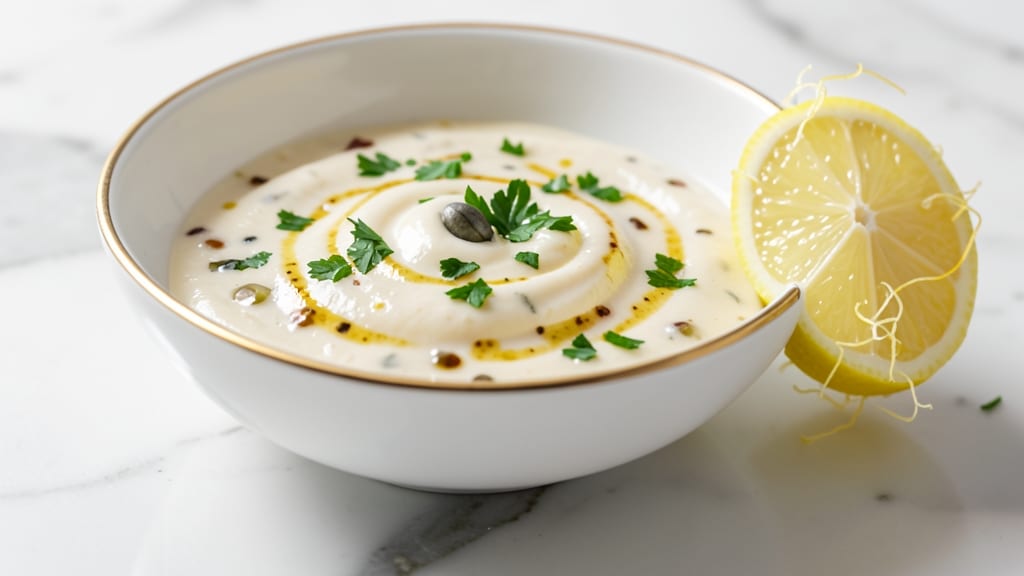
Betty Crocker tartar sauce brings that classic, creamy mayo-based richness to every bite—just like the version you love from the store, but with fresh, homemade quality. ✨ The secret lies in balancing tangy lemon, briny capers, and finely chopped pickles for that signature flavor profile, all mixed together in minutes.
This recipe delivers the same reliable texture and taste that makes it perfect for fish tacos, crab cakes, or even as a dip for veggies.
The beauty of this tartar sauce is its simplicity—just a handful of ingredients that come together effortlessly. You’ll need mayonnaise as the base, fresh parsley for brightness, and a touch of Dijon mustard to deepen the flavor.
The key is chopping the pickles and capers finely so they blend seamlessly into the creamy mixture, creating a smooth, velvety sauce every time.
What you’ll end up with is a bright, tangy, and perfectly creamy sauce that’s ready in under 10 minutes. The lemon juice keeps it fresh, the capers add a briny punch, and the parsley gives it that classic green hue.
It’s the kind of sauce that elevates any dish—whether you’re serving it with seafood or using it as a dip for fries.
Store it in an airtight container in the refrigerator for up to 5 days, or freeze for longer storage. This is the tartar sauce you’ll reach for again and again—classic, foolproof, and always delicious. Let’s get started!
Ingredients for betty crocker tartar sauce
Mayo, herbs, and tangy bits—just nine things for that iconic Betty Crocker taste.
| Ingredient | Amount | Notes |
|---|---|---|
| Mayonnaise 🥛 | 1 cup | High-quality, full-fat preferred |
| Fresh Parsley Leaves 🌿 | ¼ cup | Finely chopped, stems removed |
| Dijon Mustard 🍯 | 1 tbsp | For depth, not sweet |
| Lemon Juice 🍋 | 1 tbsp | Freshly squeezed, no pulp |
| Dill Pickle Relish 🥒 | 1 tbsp | Finely chopped, not chopped pickles |
| Capers 🍅 | 1 tbsp | Chopped, drained, no brine |
| Salt 🧂 | ½ tsp | Kosher or sea salt |
| Black Pepper 🌶️ | ¼ tsp | Freshly ground preferred |
| Extra-Virgin Olive Oil 🫒 | 1 tsp | For finishing, optional |
The mayo is your foundation—Duke’s or Hellmann’s are my go-tos for that classic texture. Grab fresh parsley from the store’s produce section (the bright green, tightly packed kind), not the wilted stuff. Dijon mustard adds depth, so don’t skip it—Maille or Amora are solid choices. For the pickles, use relish, not chopped pickles (that’s too watery). Bick’s or Vlasic relish keeps things smooth. Capers? Penzeys or Trader Joe’s have the best quality—none of that mushy jarred stuff.
No Dijon? Yellow mustard at half the amount works in a pinch. Short on parsley? Fresh chives or tarragon add a nice twist. The lemon juice is non-negotiable—bottled won’t cut it. For a richer version, add a dash of Worcestershire sauce. If you’re serving this with seafood, a squeeze of extra lemon at the end brightens it up. The olive oil is optional but adds a nice finish—just a drizzle, not a pool.
This sauce keeps for 5 days in the fridge, sealed tight. For longer storage, freeze in ice cube trays—perfect for single servings. If it thickens, stir in a teaspoon of water or milk. I always make double—one batch for tacos, another for dipping. The flavors get even better after sitting overnight, so plan ahead.
Why You'll Love This Recipe
- I’ll be real: this sauce is three parts mayo, one part relish, a pinch of mustard, and a squeeze of lemon—no fancy ratios, no stress. Honestly, I’ve made it wrong three times and still ended up with something better than store-bought.
- No-Measuring Madness: I’ll be real: this sauce is three parts mayo, one part relish, a pinch of mustard, and a squeeze of lemon—no fancy ratios, no stress. Honestly, I’ve made it wrong three times and still ended up with something better than store-bought.
- Pickle-Parsley Punch: That dill pickle relish brings the tang, the Dijon mustard cuts through the richness, and the parsley? It’s the fresh little hero no one notices until it’s gone. The lemon ties it all together—bright, sharp, and just enough to make your taste buds sit up.
- Sandwich Game-Changer: Between us, this sauce turns a simple fried fish sandwich into something special. Or slap it on a burger, a hot dog, or even a grilled cheese—it’s the kind of thing that makes you rethink what “condiment” really means. (Yes, even on a Tuesday night.)
Step-by-step instructions for Betty Crocker tartar sauce recipe
Here's how to make this classic, creamy sauce that's perfect with fish, chips, or veggies.
👨🍳 Step 1: Chop and Measure All Ingredients
Start by finely chopping the 0.25 cup fresh parsley leaves—remove any tough stems first. I like to use a sharp chef's knife and cut in small batches for even texture. Next, drain the 1 tablespoon capers thoroughly and chop them finely using kitchen shears or a knife. This prep ensures everything blends smoothly later.
Measure out the remaining ingredients in small bowls: 1 cup mayonnaise, 1 tablespoon Dijon mustard, 1 tablespoon lemon juice, 1 tablespoon dill pickle relish, 0.5 teaspoon salt, and 0.25 teaspoon black pepper. Having everything ready prevents mid-recipe scrambling and keeps the process efficient.
🥘 Step 2: Combine Wet Ingredients
In a medium bowl, add the 1 cup mayonnaise and 1 tablespoon Dijon mustard. Using a whisk or rubber spatula, mix them together until completely smooth. This step ensures the mustard distributes evenly for that signature tangy depth without any graininess.
Next, add the 1 tablespoon lemon juice and 1 tablespoon dill pickle relish. Stir well to combine—you'll notice the mixture lighten slightly as the acidity brightens the mayonnaise. Here's the thing: don't rush this mixing. The sauce needs time to marry these flavors properly.
🥘 Step 3: Fold in Chopped Ingredients
Gently fold in the chopped parsley leaves and capers using a rubber spatula. Work in small batches to avoid overmixing, which could break down the parsley and make the sauce watery. You want to see even distribution of green flecks and tiny caper pieces throughout.
Add the 0.5 teaspoon salt and 0.25 teaspoon black pepper, mixing gently until just combined. Taste the sauce at this point—it should be tangy, briny, and fresh. If it needs more brightness, add a tiny splash of lemon juice. If it needs more depth, add a pinch of salt.
🍽️ Step 4: Finish and Adjust
Drizzle in the 1 teaspoon extra-virgin olive oil and mix thoroughly. This final touch adds a silky texture and subtle richness that balances the acidity. The sauce should now have a creamy, velvety consistency with just the right amount of crunch from the capers and parsley.
Let the sauce sit at room temperature for 10 minutes before serving. This resting time allows all the flavors to meld perfectly. If the sauce thickens too much, stir in 1 teaspoon water or lemon juice to reach your desired consistency. Serve immediately with fish, chips, or your favorite dippers!
Pro Tips For Making Betty Crocker Tartar Sauce
- Chill Before Mixing: Let the mayonnaise sit at room temperature for 10-15 minutes first. Cold mayo thickens when mixed with acidic ingredients like lemon juice, and you’ll end up with a grainy, lumpy mess if you skip this—trust me, I’ve made that mistake.
- Chop Parsley Fine: Pulse the parsley in a food processor for 2-3 seconds, not until it’s a paste. You want tiny, even pieces that distribute evenly, not a sludge that clumps. (Yes, I’ve scraped out a blender full of parsley goo—don’t ask.)
- Measure Relish Precisely: Use a spoon, not the jar’s built-in scoop, for the dill pickle relish. That scoop packs it too tightly, and you’ll end up with a sauce that’s either too briny or not briny enough. A heaping tablespoon is your friend here.
- Add Lemon Gradually: Start with half the lemon juice, taste, then add the rest. Too much at once turns tartar sauce into a sad, tangy condiment. (I learned this after serving a batch that could’ve doubled as a marinade for steak.)
Storing and reheating this recipe
Refrigerator Storage
Store your freshly made tartar sauce in an airtight container—I prefer glass jars with silicone lids (like Ball Mason jars) because they keep flavors fresh longer. Place it in the fridge within 2 hours of making it to prevent bacterial growth.
The sauce stays vibrant for up to 5 days, with flavors actually deepening as the ingredients meld. 💛
Freezing for Later
For longer storage, portion the sauce into 1-ounce ice cube trays—this makes it easy to thaw just what you need. Once frozen solid, transfer the cubes to a freezer-safe bag and flatten to save space.
Thaw in the fridge overnight for best results, or microwave for 10-15 seconds if you're in a hurry. Frozen tartar sauce keeps its quality for up to 3 months.
Reviving Thickened Sauce
If your sauce separates or thickens in the fridge, don’t toss it! Stir in 1 teaspoon of cold water or lemon juice to restore its creamy texture. I’ve also had success adding a dash of mayonnaise if it becomes too watery.
Always give it a good mix before serving—this sauce is forgiving, but a quick adjustment keeps it restaurant-quality. ✨
Serving After Storage
After refrigeration or freezing, give the sauce a taste and adjust seasonings if needed. A pinch of salt, a squeeze of lemon, or a sprinkle of fresh parsley can refresh it.
I like to serve it at room temperature for the best texture, so take it out of the fridge 20-30 minutes before using. It’s perfect for dipping, topping, or dolloping—just like the classic version! 🍽️
Avoiding Spoilage
Never leave tartar sauce at room temperature for more than 2 hours—mayonnaise-based sauces are prone to bacterial growth. If you’re prepping ahead for a picnic, pack it in a cooler with ice packs to keep it safe.
When in doubt, smell it: if it has an off odor, discard it immediately. Freshness is key for that bright, tangy flavor we all love. 💡
Make-Ahead Tips
Double the recipe and store half for later—it’s perfect for meal prep! Label your containers with the date to track freshness. I often make a big batch on Sundays so I’m ready for seafood nights all week.
Just remember: tartar sauce is best used within 5 days of making it for peak flavor and texture. Plan accordingly! 📅
Nutrition facts
Frequently asked questions
Can I make this tartar sauce without fresh parsley?
Yes, but the color and flavor will differ slightly. Use 1 tablespoon dried parsley (not the same as Italian seasoning) or substitute with 1 tablespoon fresh chives or tarragon for a milder green note. The sauce will still taste great, just with a different herbal profile.
How do I prevent the sauce from getting watery?
Use pickle relish instead of chopped pickles—it has less moisture. Also, avoid overmixing after adding the parsley and capers, and let the sauce rest for 10 minutes before serving. If it still separates, stir in 1 teaspoon mayonnaise to restore creaminess.
What are the best ways to use this tartar sauce?
This classic sauce pairs perfectly with fish tacos, crab cakes, or shrimp cocktails. It’s also great as a dip for veggies, fries, or golden-brown onion rings. For extra flair, serve it chilled with smoked salmon or lobster rolls. The briny, creamy balance makes it versatile for any seafood dish.
Can I make this sauce ahead for a party?
Make it 1-2 days ahead and store in an airtight container. The flavors actually improve over time. For a party, double the recipe and refrigerate in small jars—it’s ready to serve straight from the fridge. Just give it a quick stir before serving.
Why does my tartar sauce taste too salty?
Check your ingredients—capers and relish already contain salt. Taste as you go and adjust with lemon juice or a pinch of sugar to balance. If using store-bought relish, try a low-sodium version next time. The key is gradual mixing and tasting at each step.