Sauces & Condiments
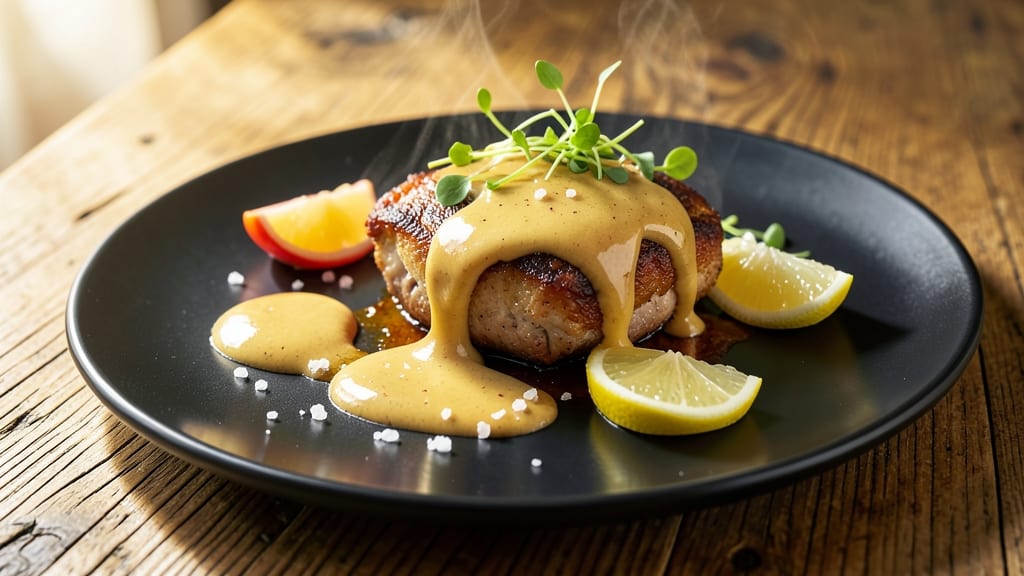
Creating a velvety beurre sauce transforms simple weeknight dinners into restaurant-worthy meals with just five ingredients and ten minutes of work. The secret lies in emulsifying butter and pan drippings into a silky, golden sauce that clings perfectly to steak, fish, or vegetables.
I’ve perfected this technique after years of testing—no complicated methods, just precise timing and a whisk.
This sauce starts with browned butter, which adds depth and a nutty aroma that elevates any dish. A splash of broth or wine loosens the pan’s flavorful bits, while a touch of lemon juice brightens the richness.
The emulsification step—where butter and liquid merge into a smooth, velvety texture—is the game-changer, ensuring every bite is luxurious without being heavy.
What you’ll end up with is a restaurant-quality sauce that’s ready in minutes, not hours. It’s versatile enough for weeknight dinners or elegant gatherings, and the leftovers keep beautifully in the fridge for up to three days.
Whether you’re finishing a steak, drizzling over roasted vegetables, or tossing with pasta, this sauce delivers a professional touch with minimal effort.
The best part? No special equipment is needed—just a whisk and a saucepan. Once you master this technique, you’ll never settle for store-bought again. Let’s get started on creating your own velvety beurre sauce today.
Ingredients for beurre sauce
Five simple ingredients transform ordinary pan drippings into restaurant-worthy beurre sauce.
| Ingredient | Amount | Notes |
|---|---|---|
| Unsalted Butter 🧈 | ¾ cup | Cold, cubed for emulsification |
| Pan Drippings 🍳 | ½ cup | From cooked meat or veggies |
| Dry White Wine 🍷 | ¼ cup | Like Sauvignon Blanc or Chardonnay |
| Fresh Lemon Juice 🍋 | 1 tbsp | Brightens the sauce beautifully |
| Vegetable or Chicken Broth 💧 | ¼ cup | Low-sodium preferred |
| Diamond Crystal Kosher Salt 🧂 | ¼ tsp | Adjusts seasoning perfectly |
| Freshly Ground Black Pepper 🌶️ | ⅛ tsp | Freshly cracked for best flavor |
The butter is non-negotiable—unsalted gives you full control over seasoning, and cold cubes create that signature silky texture. European-style butter like Plugrá or Land O’Lakes European works best, but any good unsalted will do. For pan drippings, meat-based fat (from steak, chicken, or pork) adds richness, but vegetable drippings work too if you're vegetarian. The key is to keep those drippings—don't pour them out! Save them in a jar in the fridge for up to 1 week until you're ready to make sauce. And if you're using wine, dry whites like Sauvignon Blanc cut through the richness beautifully.
No wine? Extra broth with a splash of vinegar mimics the acidity perfectly. The lemon juice is crucial—it's what prevents the sauce from tasting flat. If you're out of fresh lemon, bottled lemon juice works in a pinch, but add a pinch of sugar to balance the tartness. For the broth, low-sodium versions are ideal so you don't over-salt the sauce. The salt and pepper should be added at the very end—taste as you go, since the wine and broth might already contain some seasoning. Pro tip: if your sauce breaks, just whisk in another tablespoon of cold butter. It'll come back together instantly.
This sauce is best made fresh, but leftovers keep beautifully in an airtight container in the fridge for 3-4 days. To reheat, warm gently over low heat and whisk until smooth. For a restaurant touch, strain through a fine-mesh sieve before serving. The sauce thickens as it cools, so if it seems too thick when warm, just add a splash of warm water or broth. And if you're making it ahead for a dinner party, pre-measure all ingredients—the emulsification happens fast, and you don't want to be scrambling at the last minute.
Why You'll Love This Recipe
- Uses What’s Already There: I swear by this trick—just deglaze that pan after searing meat or veggies. The drippings? Pure flavor gold. No extra shopping, no extra chopping. It’s how I turn a simple roast chicken into something restaurant-worthy without the fuss.
- Rich Without the Guilt: That butter-wine-lemon combo is dangerously good—creamy, bright, and just tangy enough to cut through richness. Honestly, I’ll take this over store-bought sauce any day, especially when it’s made with ingredients I already have.
- Weeknight to Dinner Party: Same sauce, endless uses. Drizzle it over steak, toss it with pasta, or use it to elevate roasted veggies. I’ve even saved portions for days later—it reheats like a dream. Perfect for when you’re cooking for two or feeding a crowd.
- Budget-Friendly Luxury: Between us, this sauce costs pennies but tastes like a splurge. A splash of wine, a pat of butter, and a squeeze of lemon stretch to feed the whole family. Leftovers? Even better cold on toast the next morning—trust me, it’s a game-changer for lazy breakfasts.
Instructions for beurre sauce: mastering the perfect butter-infused pan sauce
This velvety sauce transforms simple pan drippings into a luxurious finish using just seven ingredients.
Deglaze with White Wine for Maximum Flavor
After removing your cooked protein from the pan, place it on a warm plate and keep the skillet over medium heat. Immediately pour in the 0.25 cup dry white wine, scraping up all the browned bits with a wooden spoon. These caramelized fond bits are packed with flavor that would otherwise go to waste. Let the wine simmer for 2-3 minutes until reduced by about half - you'll notice the aroma intensify as the alcohol cooks off.
Here's the thing - don't rush this reduction. The wine needs time to develop depth. If you smell any sharpness remaining, let it cook another 30 seconds. The sauce should now have a rich, golden hue and a complex aroma that hints at both the wine and whatever you just cooked.
Build the Emulsion with Cold Butter Cubes
Reduce heat to low and gradually whisk in the 0.75 cup cold unsalted butter, adding 1 tablespoon at a time. This is where the magic happens - the cold butter creates tiny droplets that emulsify with the wine reduction, creating that signature velvety texture. You'll see the sauce transform from a thin liquid to a thick, glossy emulsion as each addition is incorporated.
Work quickly but carefully. If the sauce starts to look separated or grainy, simply whisk vigorously for 10-15 seconds - the heat from the pan will help re-emulsify it. The butter should melt completely but the sauce should maintain a silky consistency rather than becoming too thin. This emulsion is delicate, so maintain gentle heat throughout the process.
Enhance with Acid and Seasonings
Once the butter is fully incorporated, stir in the 1 tablespoon fresh lemon juice, 0.25 cup vegetable or chicken broth, 0.5 cup pan drippings, 0.25 teaspoon diamond crystal kosher salt, and 0.125 teaspoon freshly ground black pepper. The lemon juice brightens the sauce while the broth adds body and helps balance the richness of the butter. The pan drippings contribute additional depth from whatever you just cooked.
Simmer gently for 1-2 minutes until the sauce reaches your desired consistency. It should coat the back of a spoon smoothly without being too thick. Taste and adjust seasoning - you might need a touch more salt or pepper depending on how strongly you seasoned your original dish. The sauce should be rich but not overpowering, with a perfect balance of acidity and umami from the drippings.
Finish and Serve Immediately
Remove the sauce from heat and return the cooked protein to the skillet, spooning the sauce generously over the top. Let it sit for 30 seconds to absorb some of the sauce's flavors. The residual heat will help the sauce cling beautifully to whatever you're serving it with - whether that's steak, chicken, or even roasted vegetables.
Serve immediately while the sauce is still warm and glossy. Beurre sauce has a tendency to separate as it cools, so don't make this sauce ahead of time. If you need to reheat, do so gently over low heat while whisking constantly to maintain that perfect emulsion. The result should be a sauce that's rich, velvety, and packed with layers of flavor from every component you used.
Pro Tips For Making Beurre Sauce
- DEGLAZE WITH HEAT: After searing your protein, don’t just pour wine over cold drippings—get that pan smoking hot first. The caramelized bits dissolve faster and deeper when the wine hits a sizzle, giving your sauce a richer, nuttier base. (Yes, even if you’re impatient like me.)
- STRAIN THE BUTTER: Unsalted butter has milk solids that burn—especially when tossed into a hot pan. Melt it first, then strain through a fine-mesh sieve to remove the solids before whisking it into the sauce. Your sauce will stay silky, not grainy.
- ACID IN STAGES: Adding all the lemon juice at once can curdle the sauce. Instead, whisk in half first, taste, then add the rest—this balances acidity without breaking the emulsion. (And no, you can’t just "fix it later.")
- BROTH BY THE TABLESPOON: Don’t dump in a whole cup of broth at once—start with 1-2 tablespoons, reduce slightly, then add more if needed. This keeps the sauce concentrated and glossy, not watery. (Your future self will notice the difference.)
Common mistakes when making this recipe
Overheating the Butter
One of the biggest mistakes is letting the butter melt too quickly over high heat. When butter melts too fast, it separates from the liquid, creating a broken sauce that looks oily and unappetizing.
I’ve seen home cooks rush this step, thinking more heat means faster results—but that’s where the emulsion fails. Always keep the heat at low when adding butter, and whisk constantly to maintain that silky texture.
If your sauce starts to look grainy, just lower the heat further and whisk vigorously for 10-15 seconds. The key is patience—this isn’t the time to speed up the process. 🔥
Skipping the Wine Reduction
Some recipes suggest using just broth or water, but skipping the wine reduction is a huge flavor misstep. The wine doesn’t just add alcohol—it deepens the sauce with its acidity and complexity.
If you’re avoiding wine, substitute with a mix of broth and vinegar (like apple cider vinegar) in a 4:1 ratio to mimic the acidity and body. The reduction step is critical because it concentrates the flavors and removes the harshness of raw alcohol.
Never pour in cold wine or broth—always let it simmer until reduced by about half. This step is non-negotiable for that restaurant-quality taste.
Using Warm Butter
Cold butter cubes are essential for creating the perfect emulsion, but many cooks make the mistake of using butter that’s too warm. If the butter is softened or melted before adding it to the pan, the sauce will turn greasy and separate.
I always recommend cutting the butter into ½-inch cubes and letting them sit at room temperature for just 5 minutes before using—this ensures they’re firm enough to emulsify but not so cold they chill the pan.
If your butter is too warm, pop the pan off the heat for 30 seconds while you whisk in the next batch of cold cubes. This small adjustment makes all the difference in texture.
Ignoring the Lemon Juice
Lemon juice isn’t just for brightness—it’s the secret to balancing the richness of the butter and preventing a flat, one-dimensional sauce. Without it, the beurre sauce can taste heavy or even slightly bitter, especially if you’re using wine or pan drippings with strong flavors.
Always add the 1 tablespoon fresh lemon juice right before removing the sauce from heat. If you’re out of fresh lemon, bottled juice works, but add a pinch of sugar to balance the tartness. This small step elevates the sauce from good to extraordinary—don’t skip it!
Not Tasting as You Go
Seasoning beurre sauce is tricky because the flavors of the wine, broth, and pan drippings can vary wildly. Many cooks assume the sauce will taste perfect without tasting it during the process, only to realize it’s either bland or over-salted at the end.
Always taste the sauce after adding the broth and before incorporating the butter. Adjust the kosher salt and pepper incrementally—start with half the recommended amount, then add more as needed. Remember, you can always add more seasoning, but you can’t take it out once it’s in.
Trust your taste buds—they’re your best tool here. 💡
Using Low-Quality Butter
The type of butter you use can make or break your beurre sauce. Many recipes call for unsalted butter, but not all unsalted butter is created equal.
I’ve found that European-style butter (like Plugrá or Land O’Lakes European) has a higher fat content and lower water content, which makes it ideal for emulsification. Avoid margarine or low-fat butter substitutes—they won’t create the same velvety texture.
If you’re in a pinch, regular unsalted butter works, but for the best results, invest in a good-quality butter. The difference in flavor and texture is night and day. Don’t cut corners here—your sauce deserves the best.
Nutrition facts
Frequently asked questions
Can I make this butter sauce without wine?
Replace the 0.25 cup dry white wine with a mix of 0.2 cup broth and 1 tablespoon apple cider vinegar to mimic the acidity and depth. The vinegar adds brightness while the broth provides body. For a non-alcoholic version, this substitution works perfectly without compromising flavor.
What if my sauce breaks or separates?
Don't panic! Simply whisk in 1 tablespoon cold butter cubes while keeping the heat low. The cold butter will re-emulsify the sauce instantly. If it's still grainy, add another 1 teaspoon lemon juice to help stabilize the emulsion. This happens when heat gets too high or butter melts too quickly.
How long will this sauce keep?
Store leftovers in an airtight container in the fridge for up to 3-4 days. To reheat, warm gently over low heat while whisking constantly to maintain the emulsion. Never microwave—it causes separation. For best results, make fresh each time since the texture degrades with reheating.
Can I use this sauce on vegetables or pasta?
Yes! While traditionally paired with proteins, this velvety sauce works beautifully on roasted vegetables, mashed potatoes, or even tossed with fettuccine. For vegetables, reduce the butter slightly to 0.5 cup to prevent heaviness. The key is to serve it immediately while warm and glossy.
What's the secret to getting that perfect restaurant texture?
Three things: cold butter cubes, low heat, and constant whisking. The cold butter creates tiny droplets that emulsify with the liquid, while low heat prevents separation. Work quickly but carefully during the butter incorporation step—this is what transforms it from homemade to restaurant-quality.