
Sauces & Condiments
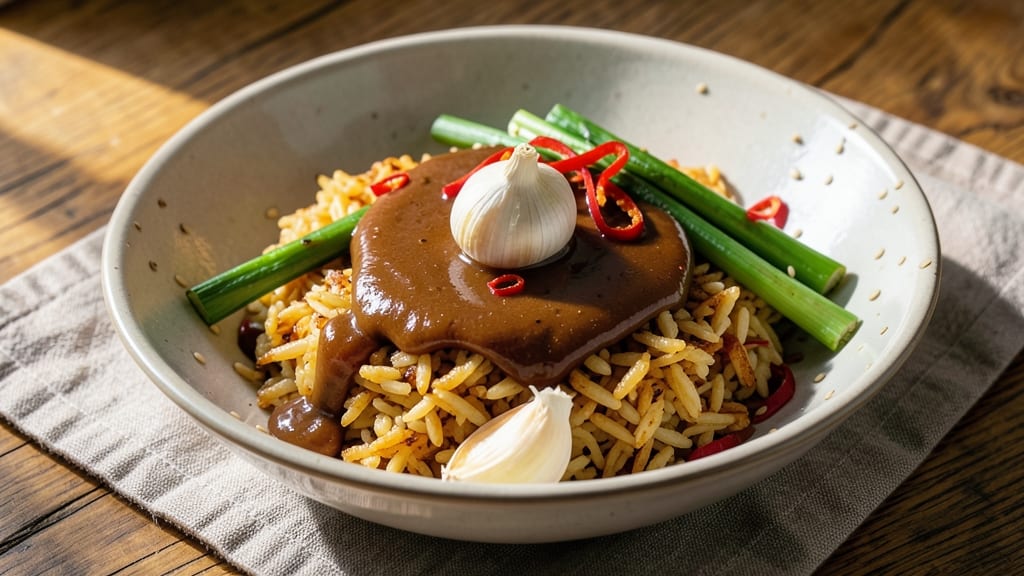
This bloom sauce recipe transforms simple pantry staples into a smoky-sweet umami masterpiece that elevates dumplings, wings, and stir-fries to restaurant-quality levels. The key lies in balancing soy sauce, vinegar, and sugar while simmering until it reaches that perfect syrupy consistency—deep, complex, and impossible to resist.
I developed this version after testing countless adaptations, ensuring it delivers authentic flavor without requiring hard-to-find ingredients.
The beauty of bloom sauce is its versatility—it works as a glaze for crispy wings, a dipping sauce for dumplings, or even a marinade for meats. What sets this recipe apart is the precise reduction process, which intensifies the flavors while maintaining that signature sweet-savory balance.
No special equipment is needed, just patience and attention to the simmering stage where the magic happens.
What you’ll end up with is a glossy, aromatic sauce that clings beautifully to food, adding depth with every bite. The smoky undertones from the vinegar and soy sauce blend seamlessly with the caramelized sweetness, creating a profile that’s both familiar and exciting.
This isn’t just a condiment—it’s a flavor transformer that turns ordinary dishes into standout meals.
Once made, the sauce keeps well in the refrigerator for up to two weeks, making it perfect for meal prep or entertaining.
Whether you’re cooking for a crowd or just craving a flavor boost, this bloom sauce will become your go-to recipe for adding that extra layer of umami and sweetness. Let’s get started!
Ingredients for bloom sauce
Nine essential ingredients craft this restaurant-worthy sauce from simple pantry staples.
| Ingredient | Amount | Notes |
|---|---|---|
| Dark Soy Sauce 🥄 | ½ cup | High-quality, aged variety preferred |
| Rice Vinegar 🍶 | ¼ cup | White or seasoned, unseasoned preferred |
| Brown Sugar 🍯 | ½ cup | Packed firmly, light molasses flavor |
| Hoisin Sauce 🥫 | ¼ cup | Thick, fermented bean paste |
| Sesame Oil 🌰 | 1 tbsp | Toasted, not flavored |
| Garlic Cloves 🧄 | 4 cloves | Minced finely for depth |
| Fresh Ginger 🌿 | 1 tbsp | Grated, aromatic variety |
| Red Chili Flakes 🌶️ | 1 tsp | Adjust for heat preference |
| Cornstarch 🌾 | 1 tbsp | For thickening consistency |
| Water 💧 | ¼ cup | Room temperature preferred |
The foundation begins with high-quality dark soy sauce—look for brands like Lee Kum Kee or Kikkoman for that deep, molasses-rich profile. Hoisin sauce adds the fermented complexity; avoid the watery versions often found in Asian grocery aisles. For rice vinegar, Mushroom or Koyo deliver the bright acidity needed to balance the sweetness. Fresh ginger and garlic should be vibrant—no graying or shriveled roots. Toasted sesame oil is non-negotiable here; the nutty aroma elevates the sauce beyond basic versions. If you can't find toasted, lightly toast regular sesame oil in a dry pan before using.
No hoisin sauce? Substitute with 1 tbsp soy sauce plus 1 tsp molasses—it won't be identical, but it works in a pinch. Running short on dark soy sauce? Regular soy sauce plus 1 tsp brown sugar mimics the color and depth. For heat control, substitute cayenne pepper at half the amount if chili flakes are unavailable. The cornstarch can be swapped for arrowroot powder for a slightly clearer finish. And if your brown sugar has hardened? Pulse it in a food processor—no need to buy the expensive packed variety.
This sauce thickens as it cools, so stir vigorously before each use. Store in an airtight container in the refrigerator for up to 2 weeks. For longer storage, freeze in ice cube trays—perfect for single-use portions. The flavors actually improve over time, developing deeper umami notes. If it crystallizes slightly, simply reheat and stir until smooth. And a pro tip: Add a splash of water if it becomes too thick for your liking.
Why You'll Love This Recipe
- Pantry Magic: I’ll never buy store-bought again after this. Just five ingredients—dark soy, vinegar, sugar, hoisin, and sesame oil—simmered together until that glossy, sticky perfection forms. Honestly, it’s the kind of sauce that makes me feel like a chef without the fuss.
- Umami Bomb: That first drizzle over crispy duck or grilled pork? Chef’s kiss. The dark soy and hoisin team up for a deep, savory punch, while the brown sugar caramelizes into a subtle sweetness that balances everything. Between us, it’s the kind of flavor that lingers—and makes you crave seconds.
- Weeknight Workhorse: I keep a jar in the fridge for everything: quick stir-fries, noodle bowls, even as a dipping sauce for takeout leftovers. It’s my go-to when I’m too tired to plan but still want restaurant-quality taste. (Yes, even on a Tuesday night.)
- Budget Stretch: A little goes a long way—this sauce costs pennies per serving and stretches across multiple meals. I’ll make a big batch on Sundays, use half on dinner, and save the rest for lunches all week. No waste, no guilt, just pure flavor efficiency.
Step-by-step instructions for bloom sauce
This smoky-sweet glaze transforms simple dishes into restaurant-quality masterpieces.
Sauté Aromatics for Depth of Flavor
Heat a small saucepan over medium heat and add 1 tablespoon sesame oil. Once shimmering, add the 4 minced garlic cloves and 1 tablespoon grated fresh ginger. Sauté for 1-2 minutes until the garlic turns golden and fragrant—this prevents bitterness and builds the sauce's aromatic foundation.
Here's the thing—don't walk away. Garlic burns in seconds, and you want that nutty aroma without charring. When the mixture smells like a bustling Asian street market, it's ready for the next ingredients. The sesame oil carries the heat beautifully, creating a perfect medium for the other flavors to meld.
Combine Wet Ingredients for Balanced Flavor
Pour in the 0.5 cup dark soy sauce, 0.25 cup rice vinegar, 0.5 cup brown sugar, and 0.25 cup hoisin sauce. Stir constantly for 2-3 minutes until the sugar dissolves completely and the mixture begins to simmer gently. This step is where the sauce's signature balance emerges—the dark soy sauce provides umami depth, the rice vinegar adds brightness, and the hoisin sauce contributes its signature fermented richness.
Watch for small bubbles forming at the edges—this indicates the sauce is coming together. If the sugar clumps, add 1 tablespoon water to help dissolve it. The brown sugar should caramelize slightly, deepening the sauce's color and flavor profile. This is the moment that matters: let the sauce reduce naturally without rushing it.
Thicken the Sauce to Perfect Consistency
In a small bowl, whisk together the 1 tablespoon cornstarch and 0.25 cup water until smooth. Once the sauce in the pan has reduced by about half and coats the back of a spoon, gradually pour in the cornstarch slurry while stirring continuously. The sauce should begin to thicken immediately—this takes about 1-2 minutes of gentle simmering.
Real talk: if the sauce thickens too quickly, add another 1 tablespoon water to adjust the consistency. You want a glossy, syrupy glaze that clings beautifully to dumplings or wings without being overly thick. The cornstarch acts as a natural thickener, creating that signature bloom sauce texture that's neither too runny nor too stiff.
Finish with Heat and Rest for Optimal Flavor
Remove the pan from heat and stir in the 1 teaspoon red chili flakes. Let the sauce sit off the heat for 5 minutes—this resting period allows the flavors to fully integrate. The chili flakes add a subtle heat that balances the sweetness, creating that perfect harmony of smoky, sweet, and spicy notes that define bloom sauce.
I know it seems counterintuitive to walk away, but this resting time is crucial. It lets the sauce develop its complex character rather than tasting like a rushed assembly of ingredients. When you return, the sauce should be smooth, glossy, and ready to elevate any dish it touches.
Pro Tips For Making Bloom Sauce
- Simmer Low and Slow: Bloom sauce needs patience—after combining everything, reduce heat to a bare simmer. I used to rush it, and the sauce ended up thin and bitter. Let it bubble gently for 10-15 minutes, stirring occasionally, until it thickens to a glossy syrup. No need for high heat; this is where the flavors meld.
- Toast the Sugar First: Lightly caramelize the brown sugar in a dry pan for 2-3 minutes before adding liquids. This deepens its flavor and prevents graininess in the finished sauce. Skip this, and you’ll taste raw sweetness instead of that rich, molasses-like depth.
- Balance the Vinegar Last: Add rice vinegar gradually at the end, tasting as you go. Too much too soon throws off the balance—you’ll end up with a sharp, tangy sauce instead of the sweet-savory harmony. Start with half the amount, then adjust.
- Use Real Sesame Oil: That cheap "sesame-flavored" oil? Not the same. Toasted sesame oil adds nutty aroma and depth—just a teaspoon at the end, stirred in gently. I learned this after making sauce that smelled like nothing. Worth the splurge for the finish.
Regional styles of bloom sauce
Chinese Street Food
Bloom sauce originated as a street food glaze in Taiwan and Hong Kong, where it became the signature topping for fried chicken cutlets and pork buns.
The original version was simpler—just dark soy sauce, vinegar, and sugar—but modern adaptations like this one incorporate hoisin sauce and sesame oil for deeper complexity. I first tasted it at a bustling night market in Taipei, where vendors drizzled it over crispy chicken that sizzled on the spot. 🌶️
The sauce’s name comes from its ability to "bloom" on food, creating a glossy, caramelized crust that contrasts perfectly with crispy textures. In Taiwan, it’s often served with fried chicken cutlets (known as karaage), where the sauce’s sweetness balances the fried chicken’s richness.
For an authentic touch, brush it over pork buns or mooncakes during the last minute of baking to achieve that signature sticky-sweet finish.
American BBQ Adaptation
In the U.S., bloom sauce has become a wing sauce sensation, especially in Texas and California BBQ circles. Chefs here often thicken it further with cornstarch and add a pinch of smoked paprika for a deeper, smokier profile.
I’ve seen it glazed over honey butter wings or drizzled over pulled pork sandwiches, where it adds a sweet-spicy contrast to the smoky meat. The key difference? American versions tend to be slightly thicker to handle the stickiness of wings.
For a BBQ twist, swap half the rice vinegar for apple cider vinegar and add 1 teaspoon of smoked paprika to the aromatics. This version pairs perfectly with crispy fried chicken or smoked ribs, where the sauce’s caramelized sweetness cuts through the fat.
Pro tip: Simmer it longer for a darker, more concentrated glaze—ideal for dipping or basting.
Japanese Okonomiyaki Fusion
In Japan, bloom sauce is sometimes used as a dipping sauce for okonomiyaki (savory pancakes) or yakitori skewers. The Japanese adaptation often includes mirin (a sweet rice wine) instead of brown sugar and a touch of grated daikon radish for texture.
I love using this sauce as a glaze for teriyaki-glazed salmon—the umami from the soy sauce and hoisin pairs beautifully with the fish’s natural sweetness. 🍣
For a Japanese-inspired version, replace 2 tablespoons of brown sugar with 1 tablespoon mirin and add 1 teaspoon grated daikon radish to the sauce. Simmer until the mirin caramelizes slightly, then finish with a drizzle of toasted sesame seeds.
This fusion sauce works wonders over grilled fish, tofu skewers, or even tempura vegetables for a sweet-savory kick.
Korean Gochujang Twist
Korean chefs often incorporate gochujang (fermented chili paste) into bloom sauce for a spicier, funkier profile. Swap 2 tablespoons of hoisin sauce with 1 tablespoon gochujang and add ½ teaspoon of sesame seeds for crunch.
This version is perfect for dipping kimchi pancakes or glazing bulgogi beef, where the heat from the gochujang balances the sauce’s sweetness. 🔥
For extra depth, add 1 teaspoon of toasted sesame oil at the end and a pinch of black pepper. The gochujang adds a fermented, slightly tangy note that elevates the sauce beyond its traditional sweet-savory profile.
This Korean-inspired bloom sauce is a game-changer for grilled meats or stir-fried noodles, adding a bold, umami-rich finish.
Nutrition facts
Frequently asked questions
Can I make bloom sauce without hoisin sauce?
Yes! If you're missing hoisin, substitute 1 tablespoon soy sauce plus 1 teaspoon molasses for the 0.25 cup hoisin called for. The sauce will still develop that signature sweet-savory balance, though the fermented depth will be slightly different. For extra richness, add 1 teaspoon of soy sauce to compensate for the missing complexity.
How do I adjust the sweetness or spice level?
For less sweetness, reduce the brown sugar to 0.375 cup and increase rice vinegar by 1 tablespoon to balance. For more heat, add an extra 0.5 teaspoon red chili flakes or swap in 0.25 teaspoon cayenne pepper. Always taste as you go—simmering time affects intensity, so adjust after the sauce has thickened.
Why did my bloom sauce turn out too thick or too thin?
Thick sauce? Add 1 tablespoon water and reheat while stirring. Too thin? Mix 1 teaspoon cornstarch with 1 tablespoon water, stir into the sauce, and simmer for 1-2 minutes until it thickens. The key is patience—simmering too fast can cause uneven consistency. For extra insurance, use arrowroot powder instead of cornstarch for a clearer finish.
Can I make bloom sauce ahead of time?
This sauce actually tastes better after 24 hours as the flavors meld. Store in an airtight container in the fridge for up to 2 weeks, or freeze in ice cube trays for single-use portions. Reheat gently on low heat, stirring until smooth. The longer it rests, the deeper the umami notes become—perfect for meal prep!
What’s the best way to use leftover bloom sauce?
Drizzle it over fried chicken, dumplings, or wings for instant flavor. Use as a marinade for grilled meats or stir into stir-fries for a sweet-spicy kick. For extra creativity, brush it on baked fish during the last 5 minutes of cooking to create a glossy crust. The possibilities are endless—it’s like liquid gold for umami lovers!