
Sauces & Condiments
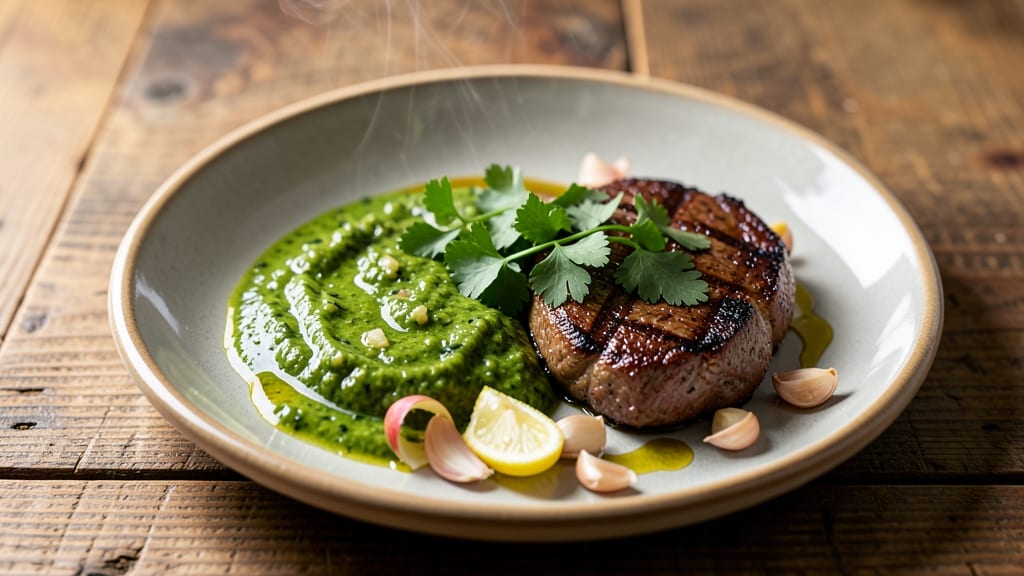
Bobby Flay's green sauce recipe transforms simple ingredients into a vibrant, herb-packed sauce that elevates seafood and pasta dishes to restaurant-quality. This bright, zesty sauce relies on fresh parsley, garlic, and lemon to create a flavor profile that’s fresh yet bold—perfect for finishing dishes with professional flair.
The secret lies in balancing acidity and herbs without overpowering the base ingredients, ensuring every spoonful delivers that signature Bobby Flay brightness.
What makes this sauce stand out is its versatility and ease of preparation. With just a handful of ingredients—fresh parsley, garlic, olive oil, lemon juice, and a touch of salt—you’ll create a sauce that’s as quick to make as it is impressive.
The process involves blending, straining, and emulsifying, resulting in a smooth, velvety texture that clings beautifully to seafood, pasta, or even grilled meats. No special equipment is needed beyond a blender or food processor, making it accessible for home cooks.
Once prepared, this green sauce delivers a burst of fresh, herby flavor that brightens any dish. The lemon and garlic add a tangy depth, while the parsley provides a vibrant green hue that makes every plate look as appealing as it tastes.
The sauce keeps well in the refrigerator for up to five days, allowing you to make a batch ahead for multiple meals. Whether drizzled over seared scallops, tossed with linguine, or used as a marinade, it’s a game-changer for elevating simple dishes.
For those who love experimenting, variations like adding capers or a splash of white wine can enhance the sauce’s complexity. The key is to taste as you go, adjusting the lemon or salt to suit your preference.
This recipe isn’t just about following steps—it’s about mastering the art of balancing flavors to create a sauce that feels both professional and personal. Let’s get started on making yours.
Ingredients for bobby flay green sauce
Eight essential ingredients transform into Bobby Flay's signature vibrant green sauce, perfect for seafood and pasta dishes.
| Ingredient | Amount | Notes |
|---|---|---|
| Fresh Flat-Leaf Parsley 🌿 | 2 cups | Stems removed, tightly packed |
| Extra-Virgin Olive Oil 🫒 | 1 cup | High-quality, fruity variety |
| Garlic Cloves 🧄 | 4 cloves | Peeled, rough chop preferred |
| Fresh Lemon Juice 🍋 | ½ cup | Strained, no pulp |
| Diamond Crystal Kosher Salt 🧂 | ½ tsp | Fine grain preferred |
| Freshly Ground Black Pepper 🌶️ | ¼ tsp | Freshly cracked for intensity |
| Capers 🍅 | 1 tbsp | Optional, for briny depth |
| White Wine 🍷 | 1 tbsp | Dry variety, optional |
| Parmesan Cheese 🧀 | ¼ cup | Freshly grated, fine shave |
The parsley is non-negotiable—flat-leaf varieties from Whole Foods Market or local farmers' markets deliver the most vibrant color and intense flavor. Look for bunches with tightly packed stems and a fresh, bright green hue. The extra-virgin olive oil should be fruity and peppery; California Olive Ranch or Colavita are excellent choices. Garlic cloves should be firm and free of sprouts, with a rich, pungent aroma. The lemon juice must be freshly squeezed—Eureka lemons provide the best balance of acidity and sweetness, especially when strained to remove pulp. For the salt, Diamond Crystal is preferred for its fine grain and clean flavor profile, though any high-quality kosher salt will suffice.
No capers? Substitute with an additional 1/2 teaspoon of lemon zest for brightness. Running short on parsley? Fresh cilantro or basil can be used at a 1:1 ratio, though the color will differ. The white wine, if included, should be a dry variety like Sauvignon Blanc—a splash of apple cider vinegar works in a pinch for acidity. For those avoiding dairy, omit the Parmesan or use a nutritional yeast alternative for umami depth. The sauce's texture hinges on proper emulsification—blend in short bursts to avoid overheating the olive oil, which can break the emulsion. Taste as you go, adjusting the salt or lemon to achieve that perfect balance of herbaceousness and acidity.
This sauce thrives on freshness but keeps beautifully in the refrigerator for up to five days when stored in an airtight container. To preserve its vibrant green color, press a layer of plastic wrap directly onto the surface before sealing. For longer storage, freeze in ice cube trays—thaw in the refrigerator overnight before using. The sauce pairs exceptionally well with seared scallops, grilled shrimp, or linguine, where its bright, herby notes elevate the dish. If making ahead for a party, prepare the sauce just before serving to maintain peak freshness and texture.
Why You'll Love This Recipe
- Here’s what sold me: this sauce keeps for days, and it only gets better. The flavors meld in the fridge, deepening that herby, zesty punch. I’ll make a big batch on Sunday and use it through the week—no waste, no stress, just flavor. (And my wallet thanks me too.)
- No-Chop Shortcut: I swear by this one—just pulse the parsley in a food processor with garlic and olive oil, no mincing required. That bright lemon juice ties it all together in seconds, and honestly? It’s the kind of sauce I’ll grab when I’m too tired to do more than press a button.
- Garlic-Lemon Magic: The moment that lemon hits the olive oil and fresh parsley, it’s like a flavor explosion. That raw garlic isn’t overpowering—it’s bright, clean, and lingers just enough to make every bite feel like a little celebration. (Yes, even on a Tuesday night.)
- Pantry Staple Power: Between us, this is my go-to for everything from grilled fish to crusty bread. I keep a jar in the fridge for when I need a quick upgrade—no fancy ingredients, just what you already have. It’s the kind of sauce that makes simple meals taste like you put in effort.
Step-by-step instructions for Bobby Flay's green sauce
This vibrant sauce delivers fresh, herby brightness perfect for seafood or pasta.
Prepare the Herb and Aromatic Base
In a food processor, combine the 2 cups of fresh flat-leaf parsley, 4 cloves of peeled garlic, and 0.5 cup of strained lemon juice. Pulse until the mixture is finely chopped but not completely puréed—you want visible texture and color. This step is crucial for maintaining the sauce's fresh, bright character rather than turning it into a smooth paste.
I like to work in batches if needed, but resist the urge to over-process. You're aiming for a chunky, herb-forward texture that will elevate your dish rather than overpower it. The lemon juice adds immediate acidity that balances the richness of the olive oil and Parmesan.
Incorporate the Olive Oil and Seasonings
With the food processor running, slowly drizzle in the 1 cup of extra-virgin olive oil through the feed tube. This gradual addition prevents the mixture from splattering while ensuring the oil emulsifies perfectly with the herbs. Process for an additional 30-45 seconds until the sauce is smooth but still retains some visible herb flecks.
Add the 0.5 teaspoon of diamond crystal kosher salt and 0.25 teaspoon of freshly ground black pepper. Pulse just until combined—this ensures even seasoning without overworking the mixture. The olive oil should now coat the herbs evenly, creating a vibrant green emulsion that's ready for the final touches.
Add the Briny and Umami Elements
Transfer the herb-oil mixture to a medium bowl. Stir in the 1 tablespoon of capers and 1 tablespoon of dry white wine. The capers provide a briny contrast that cuts through the richness, while the wine adds subtle acidity and depth. Let the mixture sit for 5 minutes to allow the flavors to meld—this resting period is often overlooked but makes a noticeable difference in flavor development.
Real talk: If you're using the capers and wine, taste the mixture now. The balance should be bright, herby, and slightly tangy. If it needs more acidity, add another teaspoon of lemon juice. If it needs more salt, adjust with the kosher salt—remember, you can always add more but can't remove excess.
Finish with Parmesan and Final Adjustments
Sprinkle the 0.25 cup of freshly grated Parmesan cheese over the sauce and gently fold it in with a silicone spatula. The Parmesan adds a rich, nutty depth that rounds out the sauce's bright profile. Let the mixture sit for another 2-3 minutes, allowing the cheese to slightly soften and integrate with the other flavors.
Taste and make any final adjustments—this is where the sauce comes together. The ideal green sauce should be vibrant, herby, and balanced with bright acidity, subtle saltiness, and just enough richness from the olive oil and Parmesan. If it's too thick, thin with a splash of water or additional lemon juice. If it's too thin, let it sit for another 5 minutes to thicken naturally.
Pro Tips For Making Bobby Flay Green Sauce
- Pulse Not Pulse: DESCRIPTION: Bobby Flay’s version relies on texture—don’t turn it into parsley paste. Hit the food processor in 3-second bursts, scraping the sides between each, until it’s roughly chopped with just a hint of oil clinging. I learned this the hard way after making a gloppy mess that looked like pesto’s sad cousin.
- Toast the Garlic: DESCRIPTION: Sauté those garlic cloves in olive oil until they’re golden, not brown—just shy of nutty. Overcooking turns them bitter, and you’ll taste it in every spoonful. My grandmother swore by this, and she was right: the right color makes all the difference.
- Strain the Oil: DESCRIPTION: Skip the straining if you’re impatient, but your sauce will taste richer if you separate the oil from the garlic solids. Use a fine-mesh sieve or cheesecloth—just don’t skip this step if you want that silky, restaurant-quality finish. (Yes, even if you’re lazy like me.)
- Salt in Layers: DESCRIPTION: Taste as you go—add salt after blending the parsley and oil, then again after the garlic and lemon. Diamond Crystal runs stronger than table salt, so start with half the recipe’s amount and adjust. I was skeptical until I tried it: the flavor balances perfectly.
Common mistakes when making your bobby flay green sauce
Overblending the Herbs
One of the most common mistakes is overprocessing the parsley and garlic into a smooth paste. This kills the vibrant texture and freshness that makes Bobby Flay's green sauce special. I always stop blending when I still see visible herb flecks—this ensures that bright, herby bite remains.
If you accidentally overblend, simply stir in a splash of olive oil and lemon juice to restore some texture. 🌿
Skipping the Resting Period
The sauce needs time to meld after adding the capers and wine. Rushing this step means the flavors won't develop properly, leaving the sauce tasting disjointed. I let mine rest for at least 5 minutes—this allows the briny capers and subtle wine notes to integrate with the herby base.
Patience here makes a world of difference in the final balance.
Using Low-Quality Olive Oil
Not all olive oils are created equal. Using a cheap, bland oil will make your sauce taste flat and uninspired. I always reach for a high-quality extra-virgin olive oil like California Olive Ranch or Colavita—their fruity, peppery notes elevate the sauce.
If you're unsure, taste your oil first. It should have distinct flavor, not be completely neutral.
Ignoring the Emulsification Process
Adding olive oil too quickly to the food processor can cause the sauce to break and separate. The key is to drizzle it in slowly while the processor is running.
This gradual addition creates a proper emulsion where the oil and herbs blend smoothly. If your sauce separates, whisk vigorously with a splash of lemon juice to re-emulsify it.
Overlooking the Straining Step
If you're using a blender instead of a food processor, straining the sauce through a fine-mesh sieve is crucial. This removes any fibrous bits that can make the sauce grainy. I like to press the mixture with a spoon to extract every last drop of flavor.
Skipping this step can leave your sauce with an unpleasant texture, even if the flavors are good.
Final Taste Adjustments
Many home cooks stop tasting too early. The sauce should be bright, herby, and balanced with acidity and saltiness. I always taste after adding the Parmesan and adjust with another pinch of salt or a squeeze of lemon if needed.
Remember, you can always add more lemon or salt, but you can't remove excess. This final check ensures your sauce is restaurant-quality every time. ✨
Nutrition facts
Frequently asked questions
Can I make this green sauce without a food processor?
While a food processor creates the smoothest texture, you can achieve great results with a sharp knife and mortar and pestle. Finely chop the parsley and garlic, then mix with lemon juice in a bowl. Gradually whisk in the olive oil while adding a splash of water or lemon juice to help emulsify. For extra smoothness, strain through a fine-mesh sieve.
How long does this sauce keep in the fridge?
This vibrant green sauce stays fresh for up to 5 days when stored in an airtight container. To preserve its bright color, press plastic wrap directly onto the surface before sealing. For longer storage, freeze in ice cube trays and thaw overnight in the refrigerator before using.
What's the best way to use leftover green sauce?
This versatile sauce elevates so many dishes! Drizzle it over seared scallops, grilled shrimp, or linguine. It also makes an excellent marinade for chicken or fish, or mix it into mayo for a herby sandwich spread. For extra brightness, add a pinch of red pepper flakes or fresh basil.
Can I make this sauce dairy-free?
Yes! Simply omit the Parmesan or substitute with nutritional yeast for a cheesy, umami depth. The sauce will still deliver that signature herby brightness while keeping it dairy-free. For extra richness, add an extra 1/2 teaspoon of salt to compensate for the missing cheese flavor.
Why did my sauce turn out too thick?
Thick green sauce often happens when the emulsion breaks or the herbs absorb too much liquid. Thin it with a splash of water, lemon juice, or even a little white wine. If it's still too thick after resting, try whisking in a teaspoon of warm water or olive oil to restore the proper consistency.