
Sauces & Condiments
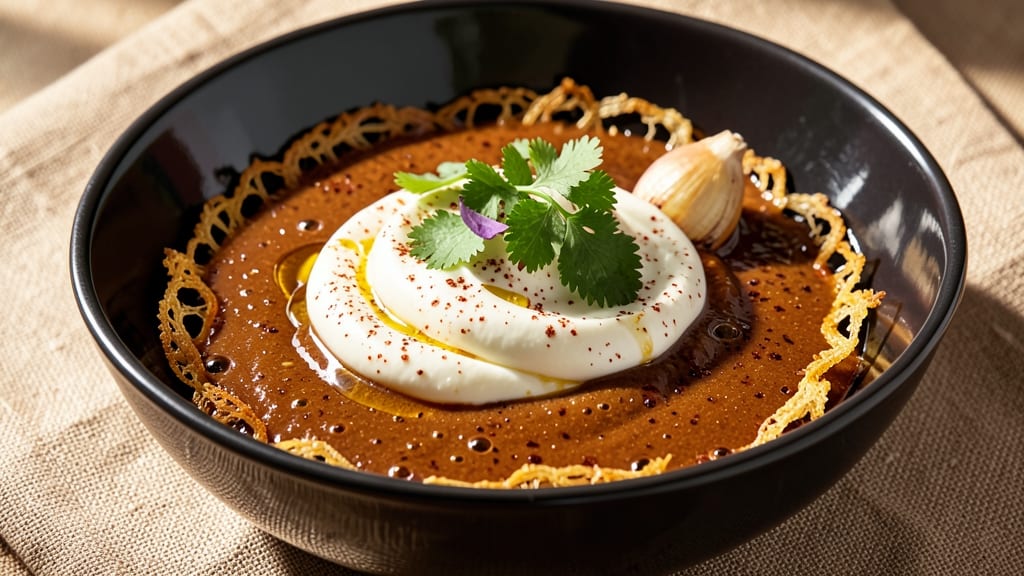
Creating the perfect bufallo sauce recipe starts with a simple but powerful combination of heat, richness, and tang—this version delivers a velvety, balanced sauce that’s ideal for wings, dipping, or drizzling over grilled meats.
The secret lies in blending hot sauce with melted butter and buttermilk for a creamy yet sharp finish that won’t overpower your dish. I’ve tested this recipe countless times, refining it to ensure the right balance of spice and smoothness every time.
What makes this sauce stand out is its versatility and foolproof method—just melt butter, mix in hot sauce, and stir in buttermilk until silky smooth. The buttermilk adds a subtle tang that cuts through the heat, while the butter creates a luxurious texture that clings beautifully to wings or vegetables.
This recipe comes together in under 10 minutes, making it perfect for game day or a quick weeknight meal.
The result is a sauce that’s bold yet balanced, with a velvety consistency that’s far superior to store-bought versions. It’s spicy enough to satisfy cravings but smooth enough to enjoy without discomfort, and it keeps well in the fridge for up to a week.
Whether you’re tossing wings, marinating chicken, or drizzling over roasted veggies, this sauce elevates every bite.
For extra depth, I recommend adding a pinch of garlic powder or smoked paprika to the mix—these spices enhance the flavor without altering the sauce’s signature tangy heat. Let’s get started on creating a sauce that’ll become your new go-to for spicy dishes.
Ingredients for bufallo sauce
Five ingredients—three staples, two secret weapons—transform into the creamiest, tangiest bufallo sauce you'll ever make.
| Ingredient | Amount | Notes |
|---|---|---|
| Unsalted Butter 🧈 | ½ cup | Cut into small cubes for faster melting |
| Hot Sauce 🌶️ | ½ cup | Frank's RedHot preferred, but any works |
| Buttermilk 🥛 | ½ cup | Full-fat for best creaminess |
| Garlic Powder 🧄 | ½ tsp | Freshly ground preferred |
| Smoked Paprika 🌶️ | ¼ tsp | For subtle smoky depth |
| Salt 🧂 | ¼ tsp | Kosher or sea salt |
| Black Pepper 🌶️ | ⅛ tsp | Freshly cracked for best flavor |
| Lemon Juice 🍋 | 1 tbsp | Freshly squeezed for brightness |
The butter is non-negotiable here—unsalted, full-fat is the only way to go. Trader Joe's or Land O'Lakes are solid choices, but honestly, whatever's in your fridge works. The hot sauce? Frank's RedHot is the classic, but Crystal or Louisiana are great too. If you're using a different brand, taste it first—some are spicier than others. I've made this with homemade hot sauce too, and it's delicious, but the store-bought stuff is foolproof for consistency. The buttermilk should be cold when you add it—room temperature makes the sauce split.
No buttermilk? Substitute with 0.5 cup whole milk + 0.5 tsp vinegar—let it sit for 5 minutes to curdle. Short on smoked paprika? Regular paprika at double the amount works, but you'll lose that smoky depth. Want more heat? Add 0.125 tsp cayenne or a dash of hot sauce. The lemon juice is key for brightness—bottled works in a pinch, but fresh is better. If you're making this ahead, skip the lemon juice until serving—it keeps the sauce fresher longer. For extra richness, a pinch of cream cheese (about 0.25 tsp) blends right in.
This sauce keeps for 5-7 days in the fridge, sealed in a jar. The texture thickens as it sits—just stir before using. For leftovers, add a splash of milk or water to thin it out. Freezes beautifully for up to 3 months—portion into ice cube trays for single-use servings. Pro tip: Double the batch and freeze half—game day hero move. If the sauce gets too thick, warm it gently with a splash of water. Never boil it, or you'll break the emulsion.
Why You'll Love This Recipe
- Five-Ingredient Magic: I swear, this sauce comes together with what’s already in my fridge. Melt butter, stir in hot sauce, whisk buttermilk—no fancy techniques, just layers of smoky heat and tang that hit the spot every time.
- Smoky Heat Fix: That smoked paprika and garlic powder blend? It’s the secret weapon. The butter keeps it rich while the buttermilk cools the burn, leaving you with a sauce that’s bold but balanced—like a hug for your taste buds.
- Game-Day Ready: Between us, this is my go-to for game nights, lazy Sundays, or when I’m too tired to cook. Drizzle it on wings, toss it with fries, or even slather it on grilled cheese—it’s the kind of sauce that turns ordinary meals into something special.
- Leftovers That Last: Make a double batch—trust me, you will. It keeps for days in the fridge, and the flavor only gets better as it sits. Plus, it’s cheap to make, so you’re not breaking the bank for something this delicious.
Instructions for buffalo sauce: creamy heat in minutes
This sauce comes together faster than you can say "wings." Just follow these simple steps for a velvety, tangy sauce that's perfect for wings, chicken, or even dipping.
Melt the Butter Slowly
Place the 0.5 cup unsalted butter in a medium saucepan over medium-low heat. Let it melt completely, stirring occasionally until it's fully liquid and smooth. You don't want to rush this—melting butter too quickly can cause it to burn, and that's a flavor you definitely don't want.
Once melted, reduce the heat to the lowest setting and keep it warm. This gentle heat will help prevent any scorching while we build our sauce. The butter should stay just warm enough to stay liquid but not hot enough to bubble vigorously. If you see any brown spots forming, immediately remove the pan from heat and stir until it clears up.
Whisk in Hot Sauce and Spices
With the butter still on low heat, slowly pour in the 0.5 cup hot sauce while whisking constantly. This gradual addition prevents the sauce from splattering and helps blend everything smoothly. You'll notice the sauce immediately take on a deeper red color and a tangy aroma.
Next, sprinkle in the 0.5 tsp garlic powder, 0.25 tsp smoked paprika, 0.25 tsp salt, and 0.125 tsp black pepper. Whisk everything together until the spices dissolve completely and the sauce looks uniform. The smoked paprika will add that signature depth, while the garlic powder brings a subtle savory note that balances the heat. Let the sauce simmer gently for 2-3 minutes to let the flavors meld together.
Add Buttermilk for Creaminess
Remove the saucepan from heat completely and let it cool slightly for 1-2 minutes. This prevents the buttermilk from curdling when you add it. Slowly pour in the 0.5 cup buttermilk while whisking continuously. The sauce will thicken noticeably as the buttermilk incorporates.
Stir in the 1 tbsp lemon juice and give everything one final whisk to ensure complete blending. The lemon juice brightens the sauce and cuts through the richness of the butter and buttermilk. At this point, you should have a smooth, velvety sauce with a perfect balance of heat and tang. If the sauce is too thick, you can thin it with a splash of warm water or more buttermilk, but it should be just right for most applications.
Taste and Adjust
Let the sauce sit for 5 minutes off the heat before tasting. This gives the flavors time to settle and develop. Take a small spoonful and taste it plain first—this helps you judge the balance before adding any food. The sauce should be tangy with a smooth heat, not overwhelming.
If it needs more heat, add another tablespoon of hot sauce. If it needs more tang, add a bit more lemon juice or buttermilk. If it's too thin, simmer it gently for another minute to thicken. Remember, you can always adjust the heat level later by adding more hot sauce, but you can't take it out once it's in. Once you're happy with the flavor, your buffalo sauce is ready to use.
Pro Tips For Making Bufallo Sauce
- Melt Butter Slowly: If you dump cold butter into hot sauce, you’ll end up with clumps that never fully blend. Instead, melt the butter first—just until it’s liquid but not browned—then whisk it into the hot sauce while it simmers. This keeps the sauce smooth and avoids that lumpy texture I used to hate.
- Whisk in Buttermilk Last: Buttermilk curdles fast when it hits heat, and once it does, your sauce turns grainy. Stir the buttermilk into the warm sauce off the heat and give it a quick whisk, then let it sit for 30 seconds before tasting. This gives it time to stabilize instead of separating on you.
- Skip the Pre-Measurement: Measuring hot sauce by volume is unreliable—brands vary wildly in heat and thickness. Instead, taste as you go: start with ¼ cup, then add 1 tablespoon at a time until it’s tangy enough. You’ll save time and avoid overpowering the dish, which I did the first five times.
- Toast the Spices First: Dry-toast the garlic powder and smoked paprika in a cold pan for 30 seconds before adding them to the butter. This deepens their flavor without burning them—something I learned after my sauce tasted flat. The aroma alone makes the difference.
Essential equipment for great bufallo sauce
Essential Mixing Tools
You don’t need a fancy kitchen to make great bufallo sauce, but a few key tools make the process smoother. A heatproof whisk (like the OXO Good Grips) is my go-to for blending the butter and hot sauce—its sturdy build prevents bending, and the angled handle makes mixing easier.
For measuring, a stainless steel liquid measuring cup (like Pyrex) ensures accuracy, especially with the buttermilk. 🥄
Heat Control Essentials
A medium saucepan with sloped sides (I use All-Clad) is ideal because it prevents spills when whisking. The saucepan should have a tight-fitting lid for simmering if needed, though this recipe rarely requires it.
For gentle heat control, a kitchen torch (like Weck) works wonders if you’re melting butter on the stovetop—it gives you precision without risking scorching.
Storage Containers
Once your sauce is ready, transfer it to glass jars with airtight lids (like Ball Mason jars) for fridge storage. The glass preserves the sauce’s color and prevents absorption of fridge odors.
For freezing, silicone ice cube trays (like Nordic Ware) are perfect for portioning single-serving batches—just pop a cube into a bowl of warm water to thin it out later. ❄️
Optional Upgrades
If you’re serious about sauce-making, a small immersion blender (like Magic Bullet) lets you blend in extra ingredients like roasted garlic or pureed tomatoes for depth. For heat control, a digital thermometer (like Thermoworks) helps monitor butter temperature—ideal if you’re experimenting with variations.
Even a fine-mesh strainer (like OXO Good Grips) comes in handy if you want ultra-smooth sauce.
Budget-Friendly Swaps
No fancy tools? No problem. A wooden spoon works for stirring, and a measuring spoon set (like KitchenAid) covers the basics. For heat control, a cast-iron skillet (like Lodge) distributes heat evenly—just keep the flame low.
A small bowl and whisk (even a fork!) suffice for mixing buttermilk. The key is patience—gentle heat and slow whisking are more critical than expensive gear. 💡
Nutrition facts
Frequently asked questions
Can I make this sauce without buttermilk?
Yes! Mix 0.5 cup whole milk with 0.5 tsp vinegar or lemon juice and let it sit for 5 minutes to curdle—this mimics buttermilk perfectly. For extra richness, add 1 tbsp sour cream instead. The texture stays creamy, though slightly thinner than traditional buttermilk sauce.
How do I adjust the heat level?
Start with 0.5 cup hot sauce for medium heat. For milder sauce, reduce to 0.25 cup and add 1 tbsp honey or maple syrup to balance. For extra spice, increase hot sauce to 0.75 cup or add 0.125 tsp cayenne pepper. Always taste before serving!
Can I use this sauce for marinating instead of dipping?
This sauce works perfectly for marinating chicken, shrimp, or tofu. For best results, use 0.5 cup sauce per pound of protein and marinate for 30 minutes to 2 hours in the fridge. The acidity in the buttermilk tenderizes while the spices infuse flavor. Reserve 2 tbsp sauce for basting during cooking.
Why did my sauce separate?
Sauce separates when buttermilk is added to hot liquid. Always let the butter-hot sauce mixture cool 1-2 minutes before adding buttermilk. If it splits, whisk in 1 tbsp cold water or milk and reheat gently until smooth. For prevention, whisk constantly when combining ingredients.
What’s the best way to reheat leftover sauce?
Gently warm in a saucepan over low heat for 1-2 minutes, stirring constantly. Avoid high heat to prevent separation. For microwave reheating, use 10-second intervals on low power, stirring between each. If too thick, thin with 1 tbsp warm water or buttermilk. Never boil—this breaks the emulsion.