
Sauces & Condiments
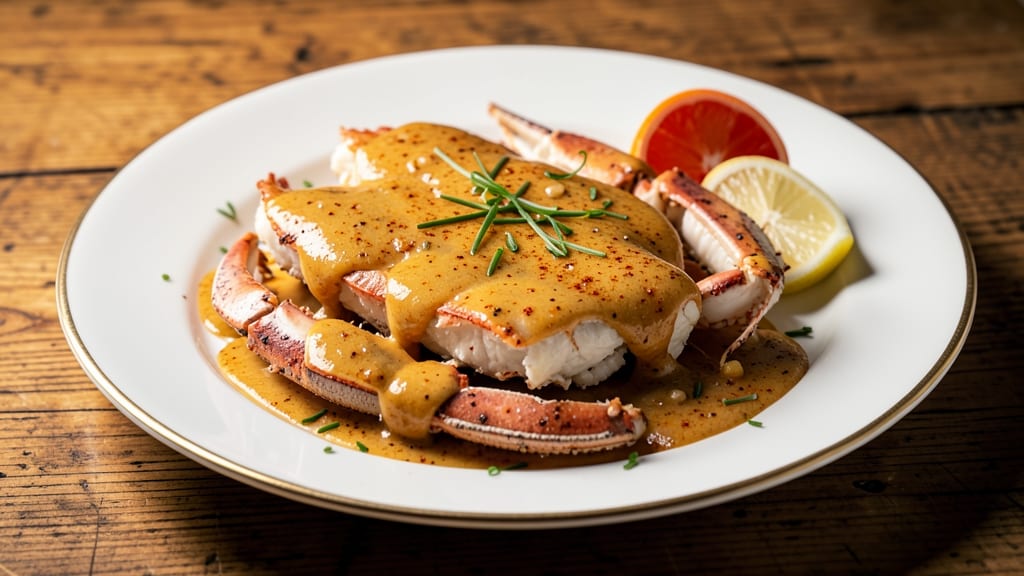
Transforming crab legs into a restaurant-worthy dish starts with this Cajun butter sauce—a bold, garlicky, spicy richness that clings to every bite.
The secret lies in balancing heat, butter, and aromatic spices until the sauce achieves that perfect emulsified texture, ready to melt over steamed crab legs in just 15 minutes.
I developed this sauce after years of experimenting with Cajun seasoning blends, ensuring the flavors are deep and complex without overpowering the delicate sweetness of the crab.
What sets this sauce apart is its foolproof technique: melted butter infused with Cajun seasoning and garlic, then emulsified with a splash of cream or lemon juice for stability.
The result is a velvety, golden-brown sauce with a kick of cayenne and smoky paprika—just enough to make your taste buds tingle. Unlike store-bought versions, this sauce delivers a restaurant-quality finish that elevates even the simplest crab leg preparation.
The best part? This sauce isn’t just for crab legs—it works wonders on shrimp, grilled fish, or even as a finishing drizzle for corn or potatoes. Once you taste the difference, you’ll never go back to bottled sauces again. Ready to make your seafood shine? Let’s get started.
Store any leftovers in an airtight container in the fridge for up to 5 days, or freeze for 3 months. Reheat gently over low heat, stirring in a splash of cream or water if it thickens too much.
The sauce’s versatility and bold flavor make it a professional-grade secret weapon for any seafood lover’s kitchen.
Ingredients for cajun butter sauce for crab legs
This sauce transforms simple crab legs into a restaurant-worthy masterpiece with bold Cajun heat and velvety butter richness.
| Ingredient | Amount | Notes |
|---|---|---|
| Unsalted Butter 🧈 | ¾ cup | Cold, cubed for even melting |
| Cajun Seasoning 🌶️ | 2 tbsp | High-quality blend, like Tony Chachere's |
| Garlic Cloves 🧄 | 4 cloves | Freshly minced, not pre-minced jar |
| Heavy Cream 🥛 | ¼ cup | Full-fat for best emulsification |
| Lemon Juice 🍋 | 1 tbsp | Freshly squeezed, seedless |
| Smoked Paprika 🌶️ | ½ tsp | For extra depth of flavor |
| Cayenne Pepper 🔥 | ¼ tsp | Adjust for desired heat level |
| Salt 🧂 | ½ tsp | Diamond Crystal kosher preferred |
| Black Pepper 🌶️ | ¼ tsp | Freshly cracked for best flavor |
| Fresh Parsley 🌿 | 2 tbsp | Chopped, for garnish and freshness |
The butter is the foundation—use high-quality unsalted (like Plugrá or Land O'Lakes) for the best flavor. Tony Chachere's Cajun seasoning is my go-to, but any blend with cayenne and smoked paprika works. Fresh garlic is non-negotiable here; pre-minced jarred garlic lacks the aromatic depth. For the cream, heavy cream (not light) ensures proper emulsification. I like to buy mine from Whole Foods or Trader Joe's where it's consistently fresh. The smoked paprika adds that signature smoky note—Penzeys sells a fantastic organic version if you want to splurge. And trust me on the fresh parsley—it brightens up the sauce and adds a pop of color.
No heavy cream? Half-and-half or whole milk will work, though the sauce might separate slightly. Short on Cajun seasoning? Mix smoked paprika, cayenne, garlic powder, and onion powder (1 tsp each) for a quick substitute. Pre-minced garlic is a no-go—freshly minced is essential. The lemon juice can be swapped for white wine or apple cider vinegar if you prefer. For extra richness, add 1 tbsp of cream cheese when mixing. And if you're feeling adventurous, a dash of hot sauce (like Crystal) at the end adds another layer of complexity. The sauce should be smooth, glossy, and just thick enough to coat the back of a spoon—not too runny, not too stiff.
This sauce keeps beautifully—up to 5 days in the fridge sealed in an airtight container. For longer storage, freeze in ice cube trays and transfer to a bag. Thaw overnight in the fridge before reheating. The sauce thickens as it cools, so add a splash of cream or water when reheating. I like to make a double batch because it disappears fast—perfect for shrimp, grilled fish, or even corn on the cob. The parsley wilts quickly, so add it fresh right before serving. If you're prepping ahead, store it separately and mix it in at the end.
Why You'll Love This Recipe
- Five-Ingredient Magic: The pantry already has these—no fancy shopping list. Melt butter, toss in garlic and Cajun, simmer until the cream gets velvety, and boom—you’ve got a sauce that feels like a hug. (Yes, even on a Tuesday night.)
- Butter Meets Spice: That first bite? Rich, garlicky, with a kick that lingers. The lemon cuts through the cream’s heaviness, and the Cajun seasoning—oh man—turns ordinary crab legs into something you’d pay double for at a seafood shack.
- Tailgate or Tuesday: This sauce works for game day (trust me, it’s my football season MVP) or a lazy weekend brunch. Double the batch, store it in the fridge, and drizzle it over shrimp, grilled chicken, or even roasted veggies when inspiration strikes.
- Leftovers That Don’t Let You Down: Make a big batch—it reheats like a dream. The sauce thickens just enough to coat, so every forkful of reheated crab (or whatever you’re tossing it with) tastes fresh. Honestly, I’ve had it three days later and still craved more.
Step-by-step instructions for Cajun butter sauce for crab legs
This sauce comes together faster than you can say "spicy richness"—just 15 minutes of focused work.
Melt the Butter and Bloom the Spices
In a medium saucepan over medium-low heat, add the 0.75 cup unsalted butter in cold cubes. Let it melt slowly while stirring occasionally—you want it to foam gently without browning. Once fully melted, add the 2 tablespoons Cajun seasoning, 0.5 teaspoon smoked paprika, and 0.25 teaspoon cayenne pepper. Stir constantly for 1 minute until the spices bloom and release their aromatic oils. You'll notice the mixture darken slightly and fill your kitchen with that unmistakable Cajun warmth.
Here's the thing—don't rush this step. The spices need time to fully awaken their flavors. If you see the butter starting to brown too quickly, immediately reduce the heat to low and keep stirring. This is where the sauce's depth of flavor begins to develop, so pay attention to those visual and aromatic cues.
Add Garlic and Cook Until Fragrant
Push the spiced butter mixture to one side of the pan and add the 4 minced garlic cloves to the empty space. Cook for 30-45 seconds over medium heat until the garlic becomes golden around the edges but doesn't burn. You'll know it's ready when the kitchen fills with that irresistible garlic aroma—this is your signal to stir everything together.
Burnt garlic makes the sauce bitter, so watch it carefully. Once the garlic is golden, immediately stir it into the butter mixture and cook for another 1 minute to distribute those flavors evenly. The butter should now be infused with both the spice blend and garlic, creating a fragrant base for the sauce.
Incorporate Heavy Cream and Simmer
Reduce the heat to low and pour in the 0.25 cup heavy cream. Stir constantly for 2-3 minutes until the sauce begins to thicken slightly. You're looking for a velvety consistency that coats the back of a spoon—this ensures the sauce will cling beautifully to your crab legs. If you notice any skin forming on the surface, simply stir it back into the sauce.
This is where the sauce transforms from a simple spiced butter to something truly luxurious. The cream adds richness while helping to emulsify the butter, creating that signature velvety texture. Keep the heat gentle—too high and the cream will curdle, ruining all your hard work.
Finish with Lemon and Seasonings
Remove the pan from heat and stir in the 1 tablespoon lemon juice, 0.5 teaspoon salt, and 0.25 teaspoon black pepper. The lemon brightens the rich, spicy flavors and adds a touch of acidity that balances the dish. Taste the sauce and adjust the seasoning if needed—you might want to add a pinch more salt or cayenne depending on your heat preference.
Return the pan to low heat for just 30 seconds to warm through. The sauce should now be silky, aromatic, and perfectly seasoned. If it's too thick for your liking, you can thin it slightly with a splash of warm water or additional heavy cream. The key is achieving that perfect balance between richness and brightness.
Garnish and Serve Immediately
Transfer the sauce to a warm serving bowl and stir in the 2 tablespoons chopped fresh parsley. The parsley adds a fresh, herbaceous note that cuts through the richness. Serve the sauce immediately alongside your steamed crab legs, spooning it generously over each one. The contrast of the warm, spicy sauce against the sweet, tender crab meat is what makes this dish truly special.
Don't let the sauce sit too long before serving—it's best enjoyed while still warm and vibrant. The flavors meld beautifully with the crab's natural sweetness, creating a harmonious balance that's both comforting and exciting. This sauce isn't just a topping; it's the star of the show.
Pro Tips For Making Cajun Butter Sauce For Crab Legs
- Melt Butter Slowly: If you dump cold butter into the pan, you’ll get butter grease instead of a smooth sauce. Warm the butter over medium-low heat first—just until it starts to foam—before adding garlic or Cajun seasoning. This ensures the spices bloom properly and the sauce emulsifies right.
- Toast Your Garlic: Raw garlic in this sauce tastes harsh and underwhelming. Sauté the minced cloves in the butter until they’re golden (about 30 seconds), not browned—just enough to release their sweetness. Skip this, and your sauce will taste flat, even if the rest is perfect.
- Whisk in Cream Gradually: Pouring heavy cream all at once risks curdling from the heat. Add it slowly, a splash at a time, while whisking constantly. If it splits, immediately turn off the heat and stir like your life depends on it—this sauce won’t recover if you ignore it.
- Finish with Lemon Last: Acid kills flavor when added too early. Let the Cajun butter and cream simmer together for at least 2 minutes before stirring in the lemon juice. This lets the spices meld, so the acid brightens—not overpowers—the sauce. Trust me, the order matters.
Dietary considerations for this cajun butter sauce for crab legs
Gluten-Free Adaptations
This sauce is naturally gluten-free as written, since it relies on butter, cream, and fresh ingredients. However, always double-check your Cajun seasoning label—some blends contain anti-caking agents with gluten. I recommend Tony Chachere's Original or Louisiana Hot Sauce brands, which are certified gluten-free.
For extra caution, use a dedicated gluten-free Cajun mix like Simply Organic. The sauce's creamy base ensures it won't thicken or separate when made gluten-free. 🌾
Dairy-Free Substitutes
For a dairy-free version, replace the butter with vegan butter (like Miyoko's) or olive oil (use ½ cup for richness). Swap heavy cream for full-fat coconut milk—just ¼ cup works well. The sauce will still emulsify beautifully, though it may have a slightly different texture.
Add 1 tsp cornstarch to help stabilize it if needed. Taste as you go, since coconut milk has a natural sweetness that might require extra salt. 🥥
Shellfish Allergy Note
While this sauce is designed for crab legs, it contains no shellfish proteins, making it safe for those with shellfish allergies. However, always prepare it in a clean kitchen where no cross-contamination occurs. If serving to someone with severe allergies, use separate utensils and cooking surfaces.
The sauce itself is a standalone condiment—just ensure no shellfish residue remains from previous prep. Always confirm with your guests about their specific allergy protocols. 🚨
Low-Fat Versions
For a lighter take, reduce the butter to ½ cup and use low-fat Greek yogurt (like Fage) instead of heavy cream. Add 1 tbsp lemon juice to balance the tang. The sauce will still cling to crab legs but with fewer calories.
Another trick: blend 1 tbsp melted butter with 1 tbsp Greek yogurt before adding to the pan. This keeps the richness while cutting fat by 30%. Just be prepared for a slightly thinner consistency. 💪
Spice Sensitivity Adjustments
If cayenne is too intense, reduce it to ¼ tsp or omit entirely. For a milder kick, use smoked paprika (already in the recipe) as the primary heat source.
For those avoiding all spice, replace the Cajun seasoning with 2 tbsp garlic powder + 1 tsp onion powder + ½ tsp thyme. The sauce will still taste rich and garlicky—just without the heat. Always taste as you go! 🌶️
Pescatarian-Friendly Tips
This sauce is already pescatarian-perfect, but here’s how to make it even more seafood-friendly: Add 1 tsp Old Bay seasoning for a Maryland crab house twist. For extra umami, stir in 1 tsp fish sauce (like Red Boat) at the end—it enhances the crab’s natural sweetness without overpowering.
Serve with steamed asparagus or sautéed zucchini for a complete seafood platter. The sauce’s creamy texture complements all types of fish and shellfish beautifully. 🦞
Nutrition facts
Frequently asked questions
Why does my Cajun butter sauce separate when I reheat it?
The sauce may separate if it cools too quickly or if the cream wasn't properly emulsified. To fix this, gently reheat over low heat while whisking continuously. Add 1 tablespoon of warm heavy cream or water to help re-emulsify. For prevention, always stir the sauce constantly while cooking and avoid high heat. The sauce should be silky, not grainy.
Can I make this sauce ahead of time?
Yes! Store the sauce in an airtight container in the fridge for up to 5 days. For longer storage, freeze in ice cube trays, then transfer to a freezer bag. Thaw overnight in the fridge and reheat gently over low heat, adding a splash of cream if needed. The flavors actually deepen over time.
What's the best way to adjust the heat level?
Start by reducing the cayenne pepper to ¼ teaspoon for mild heat, or omit it entirely. For a smoky flavor without spice, increase the smoked paprika to 1 teaspoon. Always taste as you go—you can add more cayenne later if needed. The Cajun seasoning already provides some heat, so adjust gradually.
Can I use this sauce on other seafood besides crab legs?
This sauce works perfectly on shrimp, lobster, or grilled fish like salmon or halibut. The creamy, spicy profile complements all shellfish and fish. For shrimp, reduce the cayenne slightly (¼ teaspoon) since their delicate flavor can handle less heat. The sauce also pairs well with corn on the cob or roasted potatoes for a non-seafood twist.
What if I don't have heavy cream?
Use half-and-half or whole milk as a substitute, though the sauce may separate slightly. For a richer alternative, blend ¼ cup Greek yogurt with 2 tablespoons melted butter before adding to the pan. The sauce will still cling beautifully to crab legs, though the texture may be slightly lighter. Always taste and adjust seasoning after substituting.