
Sauces & Condiments
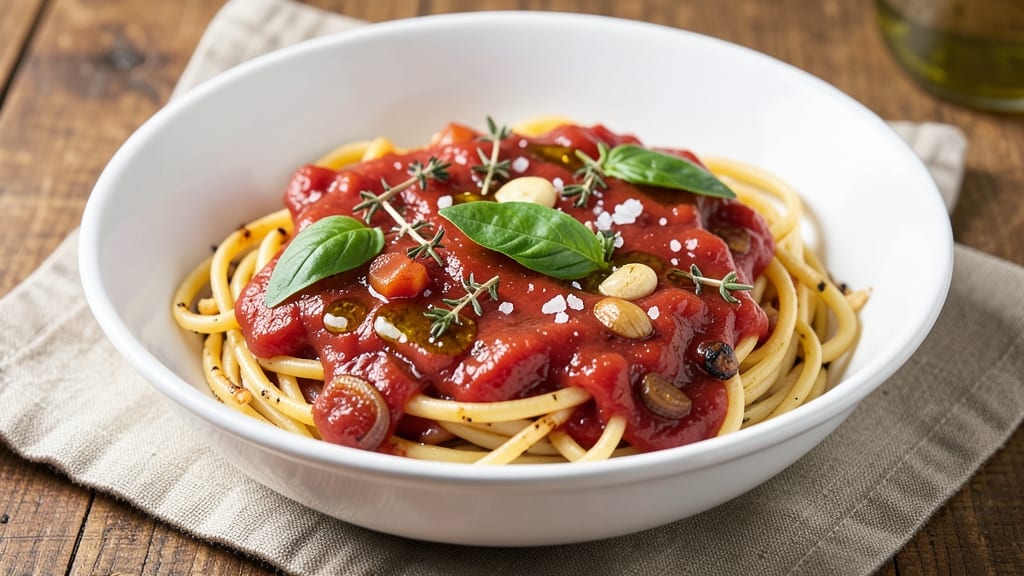
Transform your pantry with a Campbell’s-inspired spaghetti sauce recipe—rich, homemade flavor begins with fresh ingredients and a slow simmer. This recipe transforms canned tomatoes, garlic, and herbs into a deeply flavorful sauce with layers of umami and sweetness—no shortcuts, just authentic depth.
The key lies in balancing acidity and sweetness while letting the flavors meld over time, just like the classic version you know and love.
What sets this sauce apart is its versatility and ease—no special equipment or advanced techniques required. With just a few pantry staples, you’ll achieve a sauce that’s smooth, slightly sweet, and packed with aromatic herbs.
The process involves simmering, blending (or not, depending on your preference), and adjusting seasoning until it’s perfectly balanced. This is the kind of sauce that elevates any pasta dish, meatballs, or even as a dip for crusty bread.
The result is a homemade spaghetti sauce that’s richer than store-bought, with a velvety texture and a depth of flavor you won’t find in a can. The slow cooking process caramelizes the tomatoes, intensifying their natural sweetness while the garlic and herbs infuse every spoonful.
Whether you blend it smooth or leave it rustic, this sauce delivers restaurant-quality results with minimal effort.
Use it immediately or store it in the fridge for up to a week—it only gets better with time. Here’s how to make it, step by step, for a sauce that’s foolproof, flavorful, and foolproof every time.
Ingredients for campbell's spaghetti sauce
Pantry staples meet fresh herbs—this sauce starts with canned tomatoes but ends with restaurant-quality depth.
| Ingredient | Amount | Notes |
|---|---|---|
| Canned San Marzano Tomatoes 🍅 | 28 oz | Crushed by hand for texture |
| Extra-Virgin Olive Oil 🫒 | ¼ cup | High-quality, fruity variety |
| Yellow Onion 🧅 | 1 whole | Diced, medium size preferred |
| Garlic Cloves 🧄 | 4 cloves | Fresh, minced finely |
| Fresh Basil Leaves 🌿 | ½ cup | Packed, stems removed |
| Fresh Oregano Leaves 🍃 | ¼ cup | Packed, chopped finely |
| Tomato Paste 🍅 | 2 tbsp | Squeeze tube or canned |
| Granulated Sugar 🍬 | 1 tbsp | Balances acidity |
| Diamond Crystal Kosher Salt 🧂 | 1 ½ tsp | Adjust to taste |
| Freshly Ground Black Pepper 🌶️ | ½ tsp | Cracked peppercorns preferred |
San Marzano tomatoes are the secret weapon here—they’re sweeter and less acidic, which makes this sauce taste like it simmered for hours (even if you’re in a hurry). Trader Joe’s and Whole Foods carry them year-round, but any high-quality crushed tomatoes work in a pinch. The olive oil matters too—California avocado oil or Spanish Arbequina adds a fruity note that cuts through the acidity. I always grab a small bottle of Penzeys dried oregano for backup, but fresh is ideal if you’ve got it. The garlic? Freshly minced makes all the difference—jarred minced garlic tastes like sawdust after a few months.
No fresh basil? Dried basil at one-third the amount works, but it won’t have that bright, fresh punch. Short on sugar? A splash of balsamic vinegar adds depth without sweetness. The tomato paste can be swapped for extra crushed tomatoes if you’re avoiding cans, but it’s worth having for that concentrated umami. If your sauce tastes too sharp, another tablespoon of sugar or a pinch of baking soda (just a pinch!) can help. And if you’re feeling fancy, a dash of red wine or a pinch of smoked paprika adds complexity—no one will know it’s not the Campbell’s version.
This sauce tastes even better the next day—3-4 days in the fridge is ideal, with flavors deepening over time. For longer storage, freeze in 1-cup portions—thaw overnight in the fridge. The texture thickens as it cools, so add a splash of water or broth when reheating. I always make double batches—one for pasta night, one to freeze for lazy days. The herbs? Add them at the end if you’re freezing, so they don’t wilt into oblivion.
Why You'll Love This Recipe
- No-Chop Necessary: I swear by this—just slice the onion and mince the garlic, then let the San Marzano tomatoes do the heavy lifting. The canned tomatoes already break down into silky perfection, so you’re basically simmering, not slaving.
- Garlic-Basil Magic: That first hit of sizzling garlic in olive oil? Pure alchemy. The fresh basil at the end—torn by hand, not chopped—adds bright, peppery notes that make this sauce taste like a sun-drenched Italian terrace, not a weeknight.
- Weeknight to Potluck: Same sauce, endless uses. Toss it with pasta for a 20-minute dinner, slather it on grilled chicken for game day, or freeze half for when you’re too tired to cook. It’s my go-to for lazy nights and impressing guests.
- Budget-Friendly Luxury: San Marzano tomatoes and fresh basil might sound fancy, but they stretch this sauce into three meals for under $10. Honestly, I’ve made it with store-brand tomatoes too—it’s still rich, still satisfying, just proof you don’t need a gourmet budget for restaurant-quality flavor.
Step-by-step instructions for Campbell's spaghetti sauce recipe
Transform simple pantry staples into a restaurant-worthy tomato sauce with this foolproof method.
Build the Flavor Base with Olive Oil and Aromatics
Heat the 0.25 cup extra-virgin olive oil in a large, heavy-bottomed pot over medium heat. Add the 1 whole yellow onion, diced into even ¼-inch pieces, and cook for 5-6 minutes until the onions soften and become translucent. You'll notice the edges start to caramelize slightly—that's when you know they're ready for the next step.
Push the onions to the sides of the pot and add the 4 cloves garlic cloves, minced finely. Cook for 30 seconds until the garlic becomes fragrant but doesn't brown. Here's the thing—garlic burns quickly, so keep an eye on it. If it starts to darken, remove the pot from heat for a moment to let it cool slightly before continuing.
Develop Depth with Tomato Paste and Crushed Tomatoes
Return the pot to medium heat and stir in the 2 tbsp tomato paste, spreading it evenly over the onions and garlic. Cook for 1-2 minutes until the paste darkens slightly and releases its rich, concentrated flavor. This step is crucial—it creates a flavorful crust at the bottom of your pot that will dissolve into the sauce later.
Pour in the 28 oz canned San Marzano tomatoes, crushed by hand to release their juices. Add the 1 tbsp granulated sugar and 1.5 tsp diamond crystal kosher salt at the same time. Stir well to combine, then bring the mixture to a gentle simmer. The sugar balances the acidity of the tomatoes, while the salt enhances all the flavors. Let it simmer uncovered for 15 minutes, stirring occasionally, until the sauce thickens slightly and the raw taste of the tomatoes mellows.
Incorporate Fresh Herbs and Finish the Sauce
Reduce the heat to low and stir in the 0.5 cup fresh basil leaves and 0.25 cup fresh oregano leaves, chopped finely. The basil adds bright, sweet notes, while the oregano brings an earthy depth. Let the sauce simmer gently for another 10 minutes, allowing the herbs to infuse their flavors without overpowering the dish.
Taste the sauce and adjust the seasoning if needed. You might need a pinch more salt or a crack of freshly ground black pepper to achieve the perfect balance. The sauce should be rich, slightly sweet, and deeply aromatic. If it's too thick, add 2-3 tablespoons of water to reach your desired consistency. Real talk: this is the moment that matters—your sauce should coat the back of a spoon with a velvety texture.
Rest and Serve for Maximum Flavor
Remove the pot from heat and let the sauce rest for 10-15 minutes. This resting period allows the flavors to meld and the sauce to thicken slightly as it cools. Don't skip this step—I learned the hard way that serving sauce immediately can make it taste flat and underdeveloped.
Ladle the sauce over al dente spaghetti and garnish with additional fresh basil or oregano if desired. The sauce should cling beautifully to each strand of pasta, delivering layers of tomato sweetness, herbal brightness, and savory depth. Serve immediately while the pasta is hot, and enjoy the rich, comforting flavors of this homemade creation.
Pro Tips For Making Campbell'S Spaghetti Sauce
- Crush the Garlic: Mince it finely—not just chopped, but almost paste-like—so it dissolves into the sauce instead of sitting as chunks. I used to skip this, and those little garlic bits were always the first thing people picked out. (And yes, even if you’re impatient like me, take the 30 seconds to do this right.)
- Sweat the Onion Low: Cook the diced onion in olive oil over medium-low heat until it’s translucent and just starting to caramelize—about 8-10 minutes. Rushing this step makes the sauce taste raw and bitter. (I learned this the hard way after burning two batches.)
- Strain the Tomatoes: Pour the crushed San Marzano tomatoes through a fine-mesh sieve to remove skins and seeds—it’s extra work, but the sauce will be silky smooth. Skip this, and you’ll get a chunky, watery mess that needs constant stirring. (Your future self will thank you.)
- Toast the Basil: Add the fresh basil leaves after the sauce has simmered for 15 minutes, then turn off the heat and let them steep for 2 minutes before serving. This keeps their bright flavor instead of turning them to mush. (Sounds weird, but it works—trust me.)
Common mistakes when making your campbell's spaghetti sauce
Skipping the Simmer
Rushing the simmer is the fastest way to end up with a sauce that tastes flat and underdeveloped. The 15-minute simmer after adding tomatoes is non-negotiable—it’s where the magic happens as the acidity mellows and flavors meld.
I’ve made this mistake when I’m impatient and skipped ahead, only to taste a sauce that’s still sharp and one-dimensional. Low and slow is the key here—cover your pot and let it bubble gently. 🔥
Over-Salting Early
Adding all the salt at once can make your sauce inedible if you misjudge the balance. I learned this the hard way when I added the full 1.5 tsp kosher salt upfront, only to realize after 10 minutes of simmering that it was already too salty.
The rule of thumb? Add half the salt initially, then adjust at the end. Taste as you go—this sauce should be rich but balanced, not overwhelming.
Using Jarred Minced Garlic
Jarred minced garlic lacks the fresh, bright flavor you get from freshly minced cloves. The difference is night and day—I’ve tried using jarred garlic in this sauce, and it always tastes slightly metallic and dull.
If you’re short on time, at least use freshly peeled and crushed cloves (not minced) for better texture and flavor. The extra 30 seconds of mincing is worth it. 🧄
Ignoring the Resting Time
Skipping the 10-15 minute rest after cooking is a huge mistake. The sauce continues to thicken and deepen in flavor as it cools. I once served it immediately, and it tasted thin and underwhelming.
Let it sit—this is when the flavors truly come together. If you’re in a rush, at least let it rest for 5 minutes before serving.
Not Adjusting Thickness
Sauce consistency matters—too thick, and it’s gluey; too thin, and it’s watery. If your sauce is too thick after simmering, add 2-3 tablespoons of water or broth to loosen it. If it’s too thin, simmer uncovered for another 5-10 minutes to reduce it.
I’ve had to fix both issues, and the key is to taste as you go. The ideal sauce should coat the back of a spoon smoothly. 🥄
Using Low-Quality Tomatoes
Not all canned tomatoes are created equal. Using budget crushed tomatoes with high acidity and low sweetness will make your sauce taste sharp and one-dimensional. Invest in San Marzano tomatoes for that classic, slightly sweet flavor.
If you can’t find them, look for whole peeled tomatoes that you can crush yourself—they’re often higher quality. The difference in flavor is dramatic. 🍅
Nutrition facts
Frequently asked questions
Can I make this sauce without fresh herbs?
Use 1 tbsp dried basil and 1 tsp dried oregano instead of fresh. Add them during the final 10-minute simmer so they don't overpower the sauce. For extra depth, a pinch of dried thyme works too. The flavor won't be as vibrant, but it'll still taste delicious.
How do I adjust the thickness of the sauce?
For a thicker sauce, simmer uncovered for 5-10 extra minutes to reduce the liquid. If it's too thick, stir in 2-3 tbsp water or broth to loosen it. The ideal texture should coat the back of a spoon smoothly—like a velvety glaze. Pro tip: Simmering longer caramelizes the tomatoes, adding natural sweetness.
Can I use this sauce for other dishes besides pasta?
This versatile sauce works perfectly for meatball subs, grilled chicken, or even as a dip for garlic bread. Its rich, slightly sweet profile pairs well with proteins and carbs alike. For extra flavor, stir in 1 tsp Italian seasoning or a splash of red wine when simmering. The possibilities are endless!
Why does my sauce taste too acidic?
Acidity comes from the tomatoes. To balance it, add 1 extra tbsp sugar or a pinch of baking soda (just a pinch!). Simmering longer also mellows the acidity. If it's still too sharp, stir in 1 tsp tomato paste or a splash of balsamic vinegar to round out the flavors. Taste as you go!
How long can I store this sauce?
Store in an airtight container in the fridge for up to 5 days—it actually tastes better after resting! For longer storage, freeze in 1-cup portions for up to 3 months. Thaw overnight in the fridge and stir in a splash of water if it thickens too much. The flavors deepen over time, so make extra!