Sauces & Condiments
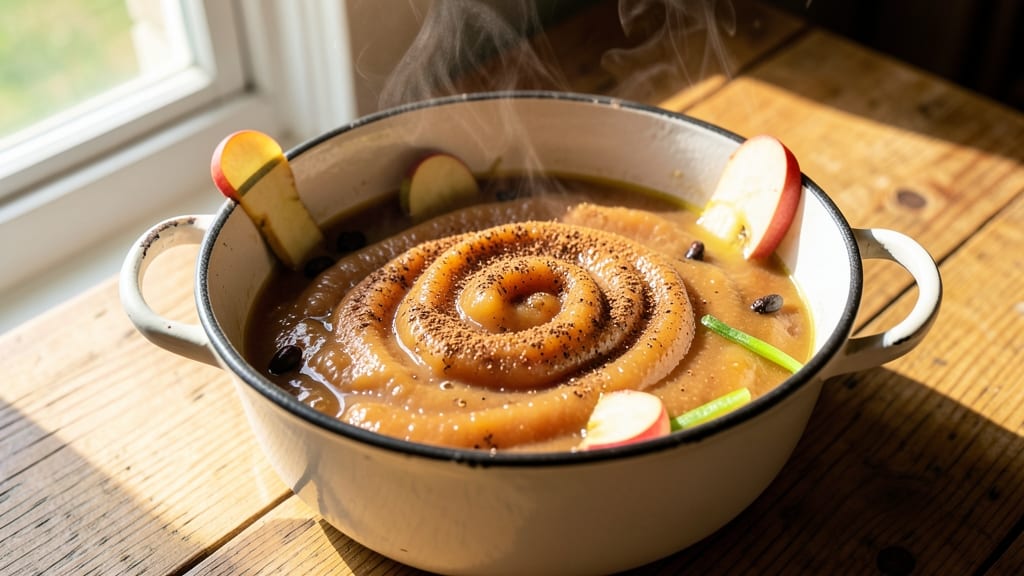
Making homemade canned apple sauce transforms ordinary apples into a versatile, shelf-stable pantry staple that’s far superior to store-bought versions. The key lies in balancing sweetness, spice, and texture while ensuring proper canning techniques for long-term storage—something I’ve perfected after years of testing different methods.
This recipe delivers a chunky, spice-infused apple sauce with cinnamon, ginger, and a touch of clove for warmth, all while maintaining natural fruit integrity. The process involves simmering peeled and cored apples until tender, then carefully canning them to preserve flavor and texture for up to a year.
No added preservatives needed—just fresh ingredients and precise timing.
What you’ll end up with is a smooth yet textured sauce that’s perfect for pies, oatmeal, or toast, with a depth of flavor that store-bought versions simply can’t match. The canning method ensures safety and longevity, so you’ll always have homemade apple sauce on hand when you need it most.
Whether you’re prepping for winter or stocking your pantry, this foolproof technique guarantees professional results every time. Let’s get started with the ingredients and step-by-step instructions to preserve your harvest.
Ingredients for canned apple sauce
Twelve pounds of apples, a handful of spices, and a few simple steps transform your harvest into chunky, spice-infused canned apple sauce that tastes like fall in every jar.
| Ingredient | Amount | Notes |
|---|---|---|
| Apples (Mixed Varieties) 🍎 | 12 lb | Peeled, cored, quartered (Granny Smith + Honeycrisp) |
| Granulated Sugar 🍚 | 2 cups | Adjust to taste for sweetness |
| Ground Cinnamon 🌿 | 2 tbsp | High-quality for best flavor |
| Fresh Ginger 🌿 | 1 tbsp | Finely grated, aromatic |
| Ground Cloves 🌶️ | ½ tsp | Whole cloves work too (1/2 tsp) |
| Lemon Juice 🍋 | ¼ cup | Freshly squeezed, brightens flavor |
| Water 💧 | 1 cup | For simmering, not canning |
| Canning Salt 🧂 | ½ tsp | Non-iodized, for canning safety |
| Lid & Ring Set (Mason Jars) 🍶 | 7 pieces | New lids for proper seal |
Apples are the foundation—mix Granny Smith for tartness with Honeycrisp for natural sweetness. Hit up local orchards in season for the freshest, most flavorful fruit, or grab organic apples from Trader Joe's when they're out of season. Avoid red delicious—they get mushy. Peel and core them all at once to speed up prep. For the spices, Penzeys sells pre-ground cinnamon that’s worth the splurge, but the bulk bins at Whole Foods work too. If you’re using whole cloves, toast them lightly first—they’ll release more aroma during canning.
No Granny Smith? Fuji or Braeburn hold up well in canning. Short on ginger? A pinch of ground ginger at half the amount works, but fresh is ideal. The lemon juice is non-negotiable—it keeps the apples from browning and brightens the whole batch. For the sugar, organic raw cane adds subtle molasses notes, but white granulated is fine if that’s what you’ve got. Canning salt is key—Diamond Crystal is my go-to, but any non-iodized salt will do. The water should be boiling when you add the apples to ensure even cooking. And if you’re worried about the apples sticking together, toss them in the jars while still hot—it makes packing way easier.
This sauce keeps for up to 1 year in a cool, dark pantry once canned. I always label my jars with the date—perfect for gift-giving during the holidays. For best texture, store them lid-side down to keep the apples submerged. Reheat gently on the stove or microwave for 20-30 seconds—no need to thaw. Freezing is an option too, but canning preserves that fresh-picked flavor for months. And if you end up with extra? It makes amazing apple butter—just simmer it down with more spices and time.
Why You'll Love This Recipe
- I’ll be real: I buy apples on sale, can them myself, and still have jars left months later. The sugar and spices cost pennies, and the apples? They’re already peeled and ready. It’s how I stretch my grocery budget without sacrificing flavor—plus, no sad, bruised fruit wasted.
- Pantry in Minutes: I swear by this recipe for those days when I’m too tired to peel apples. Just toss in whole canned apples—peels, cores, and all—and let the slow cooker do the work. No chopping, no mess, just smooth perfection waiting for you.
- Spice Magic Unlocked: That tiny pinch of cloves and fresh ginger? It’s what turns ordinary applesauce into something ridiculously good. The cinnamon sweetens it just enough, but the ginger adds this bright, warm kick that makes it taste like autumn in a jar.
- Holiday Table Hero: Between us, this is my go-to for Thanksgiving leftovers—turns dry turkey into a cozy meal when I blend it in. But honestly? I make it year-round. It’s the perfect side for pork chops, pancakes, or even just slathered on toast when I’m craving something sweet.
Step-by-step instructions for homemade spice-infused chunky apple sauce
Here's how to transform fresh apples into a fragrant, chunky sauce that preserves beautifully in jars.
Prepare and Cook the Apples
In a large, heavy-bottomed stockpot, combine the 12 lb peeled, cored, and quartered apples with the 1 cup water. Bring to a boil over medium-high heat, then reduce to a simmer. Let the apples cook uncovered for 20-25 minutes, stirring occasionally, until they soften but still retain some texture—you want a chunky consistency, not a puree.
Here's the thing—don't rush this step. The apples should break down just enough to release their natural juices while maintaining that satisfying bite. You'll know they're ready when a knife slides in easily but still meets slight resistance. If the mixture gets too watery, let it cook longer to reduce the liquid naturally.
Add Spices and Simmer
Once the apples are tender, stir in the 2 cups granulated sugar, 2 tbsp ground cinnamon, 1 tbsp finely grated fresh ginger, 0.5 tsp ground cloves, and 0.25 cup lemon juice. Bring the mixture to a gentle boil over medium heat, then reduce to a simmer. Let it cook uncovered for another 15-20 minutes, stirring frequently to prevent sticking and ensure even distribution of the spices.
This is where the magic happens—the spices will infuse deeply into the apples, creating layers of warmth and complexity. You'll notice the aroma become rich and inviting, with notes of cinnamon and ginger dominating. Taste occasionally to monitor sweetness; if you prefer it sweeter, add more sugar now, but remember you can adjust after canning too.
Process and Jar the Apple Sauce
Using an immersion blender or potato masher, lightly process the apple mixture to achieve your desired chunkiness. For a truly rustic texture, leave it mostly whole with just a few broken pieces. Ladle the hot apple sauce into the 7 prepared mason jars, leaving ½-inch headspace at the top—this prevents the lids from sealing improperly.
Real talk: Don't skip the headspace measurement. Use a clean ruler or the jar's measurement markings to ensure consistency. Wipe the jar rims with a clean, damp cloth to remove any sauce residue that could interfere with sealing. This step is critical for safe, long-term storage.
Seal and Sterilize the Jars
Place the lid & ring set on each jar and tighten the rings until they're fingertip-tight—just until you can't turn them anymore. This creates a proper seal without over-tightening. Place the jars in a large pot filled with 2-3 inches of water, ensuring the water level covers the jars by at least 1 inch. Bring the water to a boil over medium-high heat and process the jars for 15 minutes—this sterilizes them and creates a vacuum seal.
After processing, carefully remove the jars using tongs and let them cool on a clean towel undisturbed for 12-24 hours. You'll hear a satisfying "ping" as the lids seal. To test, press down on the center of each lid—if it doesn't pop up, the seal is secure. If any jars don't seal properly, refrigerate and use within 1 week.
Store and Enjoy
Once fully sealed, store the jars in a cool, dark place for up to 1 year. The flavors will continue to meld beautifully over time, making this a perfect gift or pantry staple. When ready to use, simply open a jar and serve warm or cold—it's delicious with toast, oatmeal, or even as a topping for cheesecake.
I promise, the first time you open a jar of this homemade apple sauce and smell that fresh, spiced aroma, you'll understand why the effort is worth it. The balance of sweetness, warmth from the spices, and bright lemon notes makes it far superior to anything store-bought. Plus, you'll have the satisfaction of knowing exactly what's in your food.
Pro Tips For Making Canned Apple Sauce
- PEEL AND CORE FAST: Grab a sharp paring knife instead of a peeler—it’s faster and gives you cleaner cuts. I used to waste time peeling first; now I core the apple, then peel in long strips while it’s stable. (Yes, it’s messy, but it’s over in half the time.)
- SIMMER LOW AND LONG: After the apples break down, drop the heat to a bare simmer—no boiling. I learned this the hard way when my sauce turned grainy and lost its smoothness. Let it cook for 20-30 minutes, stirring occasionally, until it’s thick enough to coat the back of a spoon.
- GRATE GINGER FINE: Skip the pre-grated jar—it’s full of starch and won’t infuse properly. Use a microplane or the smallest holes on a box grater for fresh ginger. A teaspoon of finely grated ginger adds bright, warm flavor without overpowering. (And no, you can’t taste it if it’s too coarse.)
- STRAIN FOR SMOOTHNESS: Don’t skip the fine-mesh strainer—even if you used soft apples. Push the pulp through with a spoon to catch every last bit of fiber. I used to blend it, but straining gives you that silky, restaurant-quality texture without the motorized hassle. (Your future self will notice the difference.)
Serving suggestions for this dish
Breakfast Pairings
Start your day with homemade apple sauce in ways you never expected. Spread it on thick-cut toast with a smear of local honey and a sprinkle of flaky sea salt—the cinnamon warmth contrasts beautifully with the crisp bread.
For a heartier breakfast, mix it into overnight oats with chopped walnuts and a dash of vanilla extract for a cozy, textured bowl that’s ready in minutes. 🍞
My go-to is scrambled eggs with apple sauce—sounds odd, but trust me. Warm the sauce slightly, then spoon it over fluffy eggs with crumbled bacon or crispy sausage. The natural sweetness balances the savory flavors perfectly, and it’s a great way to use up leftovers.
For a make-ahead option, prep apple sauce muffins by mixing the sauce into whole wheat batter with blueberries or chocolate chips—they keep well for 5 days in the fridge or freeze beautifully.
Baked Goods
This spiced apple sauce is a game-changer in baked goods, especially when fresh ingredients are hard to find. Swap store-bought sauce for homemade in apple crisp recipes—simply mix it into the filling with rolled oats, brown sugar, and butter for a foolproof topping.
I also love using it as a pie filling base—combine it with diced apples, pecans, and a touch of bourbon for depth, then top with a lattice crust. The canned sauce holds up beautifully during baking, ensuring a moist, flavorful result every time.
For quick breads, stir the apple sauce into banana bread batter or zucchini bread mix—it adds natural sweetness and moisture without extra sugar. My apple sauce cinnamon rolls are a crowd-pleaser: spread the sauce between layers of yeast dough and cream cheese frosting, then bake until golden.
The spices in the sauce infuse into the dough, creating a warm, aromatic treat that’s perfect for holidays or weekend brunches.
Cheese and Charcuterie
Elevate your charcuterie board with this versatile sauce as a dipping sauce or spread. Pair it with aged cheddar, brie, or goat cheese—the tangy creaminess of the cheese complements the apple sauce’s warmth.
I like to serve it alongside prosciutto, salami, and cornichons for a balanced bite. For a savory-sweet twist, drizzle it over roasted Brussels sprouts or caramelized onions—the caramelization in the onions mirrors the sauce’s natural sweetness.
Create a cheese board centerpiece by arranging slices of sharp cheddar, smoked gouda, and blue cheese on a platter, then place small bowls of apple sauce around them. Add crackers, nuts, and dried fruit like apricots or figs for texture and contrast.
The sauce also works as a glaze for grilled meats—brush it lightly over pork tenderloin or chicken thighs before roasting for a sticky, spiced finish that caramelizes beautifully.
Desserts and Snacks
Use this apple sauce as a topping for vanilla ice cream or panna cotta—the cinnamon and ginger add a sophisticated spice note that cuts through the creaminess. For a no-bake dessert, layer it with Greek yogurt and granola in a jar for a parfait that’s ready in minutes.
I also love mixing it into cheesecake batter for a moist, flavorful twist on a classic—add it to the crust layer or swirl it into the filling before baking.
Get creative with savory-sweet snacks. Spread it on pretzels or rice cakes with a sprinkle of sea salt for a sweet-and-salty bite. Mix it into muffin batter with chocolate chips or white chocolate for apple sauce muffins that taste like dessert.
For a winter treat, warm the sauce slightly and drizzle it over warm apple cider donuts—the heat from the donuts enhances the spices, making it taste like fall in every bite. 🍁
Global Twists
Take your apple sauce international with these easy adaptations. In Indian cuisine, use it as a chutney base—mix it with yogurt, mint, and cumin for a refreshing dip with samosas or naan.
For a Japanese-inspired dish, stir it into miso soup with tofu and green onions—the sweetness balances the umami perfectly. In Mexican cooking, simmer it with chiles, cumin, and lime juice to create a salsa verde variation that’s great with tacos or grilled fish.
For a Middle Eastern touch, combine it with tahini, lemon, and garlic to make a dipping sauce for pita bread or vegetable crudités.
In European bakeries, it’s often used in strudel or tarts—fold it into phyllo dough with walnuts and honey for a Greek-inspired dessert. The possibilities are endless, and the sauce’s versatility makes it a global pantry staple that travels well across cuisines.
Nutrition facts
Frequently asked questions
Can I use frozen apples instead of fresh for canning?
Fresh apples are ideal for the best texture and flavor, but you can use frozen apples in a pinch. Thaw them completely first, then drain excess liquid before cooking. Frozen apples may release more moisture, so you might need to simmer longer to achieve the right consistency. The canned product will still be safe, though the texture may be slightly softer than with fresh apples.
How do I adjust the sweetness if I prefer less sugar?
Start with the full 2 cups of sugar and taste after simmering. Reduce by ¼ cup increments until you reach your preferred sweetness. Remember, canning preserves flavor, so slight adjustments after opening are possible. For a naturally sweeter version, use honey or maple syrup instead of granulated sugar—just reduce the amount slightly since they're sweeter.
What should I do if my jars don't seal properly?
If a jar doesn't seal, it's safe to refrigerate and use within 1 week. Check for proper sealing by pressing the jar center—if it pops up, the seal failed. Common causes include insufficient headspace (½-inch required), dirty jar rims, or underprocessing. For future batches, ensure jars are clean, headspace is correct, and processing time is accurate (15 minutes for water bath canning).
Can I make this apple sauce without a pressure canner?
Yes, this recipe uses a water bath method, which is perfect for high-acid foods like apples. No pressure canner is needed—just follow the 15-minute processing time after filling the jars. The acidity from lemon juice ensures safety. However, if you're unsure about acidity levels, consider adding ½ cup extra lemon juice to each batch for added safety.
How can I repurpose leftover canned apple sauce?
Leftover canned apple sauce is incredibly versatile! Use it as a pie filling, mix into muffin or pancake batter, or blend into smoothies for natural sweetness. For savory dishes, drizzle it over roasted pork or grilled chicken as a glaze. The spices make it perfect for cheese boards or as a dip for crackers. Store unused portions in the fridge for up to 2 weeks.