
Sauces & Condiments
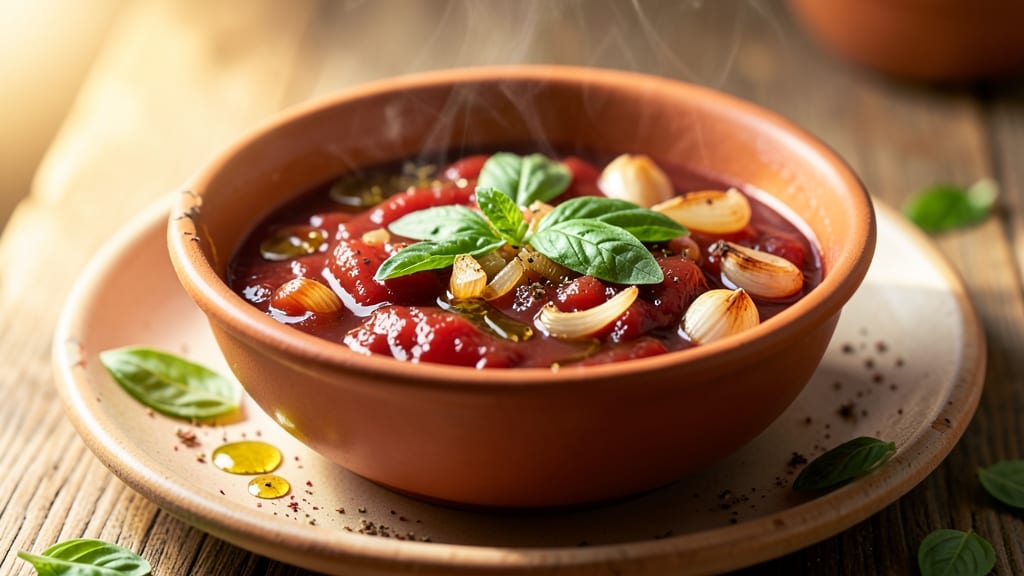
Transforming canned plum tomatoes into a rich, sweet-tart sauce unlocks a pantry staple that elevates everything from pasta to meatballs—this recipe delivers restaurant-quality depth with minimal effort. The key lies in simmering down the tomatoes with aromatics until their natural sugars caramelize, creating a sauce that’s both vibrant and complex.
I developed this method after realizing store-bought plum tomato sauces often lack the bright acidity and concentrated flavor of homemade versions.
What sets this sauce apart is its versatility—use it as a base for marinara, a glaze for grilled meats, or a tangy addition to stews. The process is straightforward: combine canned plum tomatoes, garlic, onion, and herbs, then simmer until thickened.
No special equipment is needed beyond a heavy pot and patience, making it perfect for home cooks who want professional results without the fuss.
The finished sauce will be velvety with a glossy sheen, balancing sweet plum notes with a sharp tang that cuts through rich dishes. It keeps well in the refrigerator for up to two weeks or can be canned for long-term storage, ensuring you always have flavor on hand.
This is the kind of sauce that transforms ordinary meals into something memorable—let’s get started.
Whether you’re prepping for a week of dinners or stocking your pantry for winter, this recipe delivers consistent, high-quality results. The method is foolproof, and the flavor only improves with time as the tomatoes break down further.
Perfect for pasta, meatballs, or as a marinade, this sauce is a game-changer for any kitchen.
Ingredients for canned plum tomato sauce
Nine simple ingredients transform canned plum tomatoes into velvety, restaurant-quality sauce.
| Ingredient | Amount | Notes |
|---|---|---|
| Canned Plum Tomatoes 🍅 | 28 oz | San Marzano preferred, crushed by hand |
| Yellow Onion 🧅 | 1 whole | Diced, medium size preferred |
| Garlic Cloves 🧄 | 4 cloves | Fresh, peeled and smashed |
| Extra-Virgin Olive Oil 🫒 | ¼ cup | High-quality, fruity variety |
| Fresh Basil Leaves 🌿 | ½ cup | Packed, stems removed |
| Dried Oregano 🍃 | 1 tsp | Italian variety preferred |
| Salt 🧂 | 1 ½ tsp | Diamond Crystal preferred |
| Black Pepper 🌶️ | ½ tsp | Freshly ground preferred |
| Red Wine Vinegar 🍷 | 1 tbsp | For acidity balance |
| Granulated Sugar 🍚 | 1 tbsp | Adjust to taste |
The tomatoes are everything here. San Marzano is the gold standard—sweeter, meatier, and with fewer seeds than other varieties. If you can't find them, Muir Glen or Whole Foods organic plum tomatoes work well too. The key is to crush them by hand (or use your fingers in the can) to release more juice and break down the skins faster. Fresh basil adds brightness, but dried basil at one-third the amount works in a pinch. For the olive oil, California Extra Virgin brands like Corto or Lucini provide the best fruity depth without overpowering.
No red wine vinegar? Balsamic vinegar or lemon juice works just as well for that tangy kick. The sugar is optional but helps balance the natural acidity of the tomatoes—skip it if your canned tomatoes are already sweet. For the garlic, roasting the cloves first (wrap in foil, bake at 400°F for 10 minutes) adds a sweet, caramelized depth that takes this sauce to the next level. The oregano should be Italian, not Mexican—it has a more subtle, earthy flavor that complements the tomatoes beautifully. If you're short on time, dried thyme at half the amount can stand in, but fresh herbs always win for flavor.
This sauce tastes even better the next day as the flavors meld. Store it in an airtight container in the fridge for up to 2 weeks, or freeze in 1-cup portions for 6 months. For long-term storage, canning is ideal—process pint jars in a water bath for 75 minutes. The sauce thickens as it cools, so you can always thin it with a splash of water or broth later. Double the batch and freeze extras—you'll want this on hand for everything from pasta to meatballs.
Why You'll Love This Recipe
- No Pantry Panic: I swear by this sauce because it only needs five things—and three of them (the tomatoes, onion, garlic) are already in my fridge or pantry 90% of the time. That olive oil and basil? You’ll have those too, or you’re not cooking at all.
- Umami Bomb: The plum tomatoes bring that deep, sweet-savory punch that’s chef’s kiss—especially when you let them simmer until the edges caramelize just a little. Add the garlic at the end, and suddenly you’ve got restaurant-quality depth in a skillet.
- Weeknight to Dinner Party: This sauce works just as well drizzled over toasted bread with good cheese as it does tossed with pasta for a quick weeknight meal. Honestly, I’ve even used it as a marinade for grilled chicken—versatile enough to handle whatever you throw at it.
- Budget-Friendly Leftovers: A single can of plum tomatoes stretches into enough sauce to feed four for dinner, with leftovers that taste even better the next day. Between us, I’ve reheated this stuff for breakfast with eggs and never regretted it. Zero waste, maximum flavor.
Step-by-step instructions for canned plum tomato sauce
This method delivers a perfectly balanced sauce with rich depth and vibrant flavor using simple pantry staples.
Sauté Onion and Garlic Until Translucent
Heat the 0.25 cup extra-virgin olive oil in a large saucepan over medium heat. Add the 1 whole yellow onion, diced into ¼-inch pieces, and cook for 5-6 minutes until softened and beginning to caramelize at the edges. This step builds the sauce's foundation by developing natural sweetness.
Push the onion to the sides of the pan and add the 4 cloves garlic cloves, smashed with the flat side of your knife. Cook for 30-45 seconds until fragrant but not browned. Watch carefully—garlic burns quickly. Remove the pan from heat temporarily if it starts to darken too soon.
Add Tomatoes and Seasonings
Return the pan to medium heat and pour in the 28 oz canned plum tomatoes, crushing them by hand with your fingers or a wooden spoon. This releases their juices and creates a smoother texture. Stir in the 1 tbsp red wine vinegar and 1 tbsp granulated sugar, then add the 1 tsp dried oregano, 1.5 tsp salt, and 0.5 tsp black pepper. The vinegar brightens the tomatoes while the sugar balances their natural acidity.
Bring the mixture to a gentle simmer, then reduce heat to low. Partially cover the pan and let it cook for 15-20 minutes, stirring occasionally. You'll notice the sauce thickens slightly as the tomatoes break down and release their juices. This simmering process allows all the flavors to meld together harmoniously.
Finish with Fresh Basil and Adjust Seasoning
Remove the pan from heat and stir in the 0.5 cup fresh basil leaves, packed and stems removed. The basil adds a bright, aromatic finish that elevates the sauce's complexity. Taste the sauce and adjust the seasoning if needed—you might need a pinch more salt or a splash of vinegar to achieve the perfect sweet-tart balance.
For a smoother texture, use an immersion blender to blend the sauce directly in the pan for 10-15 seconds. If you prefer a rustic texture, simply leave it as is. The sauce should coat the back of a spoon with a velvety consistency. Let it sit at room temperature for 5 minutes before serving to allow the flavors to fully develop.
Pro Tips For Making Canned Plum Tomato Sauce
- CRUSH THE ONIONS: Dice the onion small—no bigger than ¼-inch pieces—and sweat them in olive oil for 8–10 minutes until they’re translucent and just starting to caramelize. I used to rush this, but letting them break down fully keeps the sauce from tasting raw or bitter later.
- SIMMER GENTLY AFTER PEAKING: Once the tomatoes are crushed and the garlic’s added, bring the sauce to a boil once to sterilize it, then drop to a low simmer. After burning three batches, I finally figured out that a rolling boil concentrates bitterness—keep it at 180°F (93°C) max for even flavor.
- STRAIN THE SEEDS: Use a slotted spoon to fish out tomato seeds and pulp before simmering—this cuts the natural acidity and keeps the sauce smooth. I was skeptical until I tried it; the texture’s noticeably cleaner, and the basil shines brighter without competing bitterness.
- ADD BASIL LATE—VERY LATE: Toss in fresh basil only in the last 5 minutes of cooking, or even after removing the pan from heat. The heat kills its bright flavor fast, and I’ve learned the hard way that adding it early turns your sauce into a sad, muted mess.
Wine and beer pairings for this canned plum tomato sauce
Red Wine Pairings
This sauce’s sweet-tart balance makes it a perfect match for medium-bodied red wines with bright acidity. I reach for a Chianti Classico from Tuscany—its cherry and herbal notes complement the plum tomatoes beautifully.
The wine’s 12-14% alcohol cuts through the sauce’s richness while enhancing its herbal undertones. For a lighter option, try a Valpolicella from Italy, which offers red fruit flavors without overpowering the dish. 🍷
White Wine Options
Surprisingly, dry white wines work well with this sauce, especially when paired with seafood or roasted vegetables. A Vermentino from Sardinia—crisp with citrus and mineral notes—balances the sauce’s sweetness.
For a richer profile, a Chardonnay with subtle oak (like a Meursault) adds a creamy texture that harmonizes with the sauce’s velvety finish. Chill the wine slightly before serving to refresh your palate between bites.
Beer Pairings
For beer lovers, a Belgian-style witbier like Hoegaarden is ideal—its coriander and orange peel notes mirror the sauce’s herbal and citrusy undertones. If you prefer a darker beer, a German Helles Lager (like Weihenstephaner) provides a clean, malty contrast that cleanses the palate.
Avoid heavy stouts or IPAs, as their bitterness can clash with the sauce’s sweetness. Serve the beer slightly chilled for the best experience. 🍺
Sparkling Wine
For a festive touch, Prosecco or Cava adds a celebratory lift to this sauce. The bubbles and slight sweetness of Prosecco enhance the plum’s natural sugars, while the acidity of Cava cuts through the richness.
I love pairing this with grilled meats or as a dipping sauce for crusty bread—it’s a crowd-pleaser for gatherings. Keep the sparkling wine well-chilled to preserve its crispness.
Non-Alcoholic Options
Don’t overlook sparkling water with citrus—a splash of lemon or lime juice and a few ice cubes mimic the acidity of wine while keeping things light. For a more substantial option, a ginger beer (like Feather) adds a spicy kick that pairs well with the sauce’s herbal notes.
These choices work perfectly for brunch or when you’re avoiding alcohol. 💧
Nutrition facts
Frequently asked questions
Can I substitute regular tomatoes for plum tomatoes in this sauce?
While you can use regular canned tomatoes, plum tomatoes are ideal because their sweeter, meatier texture creates a richer sauce. For best results, stick with plum varieties like San Marzano. If substituting, add an extra ½ teaspoon sugar and ½ teaspoon vinegar to balance the flavor. The sauce will still work, but the texture and depth won't be as vibrant.
How do I adjust the thickness of the sauce?
If your sauce is too thin, simmer it uncovered for an additional 10-15 minutes to evaporate excess liquid. For a thicker texture, mash the tomatoes more thoroughly or blend the sauce briefly with an immersion blender. If it becomes too thick, thin it with a splash of water, broth, or even a little red wine while reheating.
Can I make this sauce in a slow cooker?
Combine all ingredients in your slow cooker and cook on low for 4-5 hours, stirring occasionally. The slow cooking enhances the flavors even more. For a quicker version, use high for 2-3 hours. Just be sure to adjust the seasoning at the end since slow cooking can concentrate flavors differently than stovetop simmering.
What are the best ways to use this sauce?
This versatile sauce works beautifully as a marinade for chicken or pork, a topping for pizza, or a base for pasta dishes like spaghetti or lasagna. It also pairs well with grilled meats, roasted vegetables, or as a dipping sauce for crusty bread. The sweet-tart balance makes it perfect for balancing rich, hearty dishes.
Why does my sauce taste too acidic?
If your sauce tastes too sharp, balance it by adding a pinch of sugar or a splash of 1 teaspoon honey or maple syrup while warming. The red wine vinegar is the main culprit—reduce it to ½ teaspoon in future batches if needed. Alternatively, stir in a small piece of fresh basil or a pinch of salt to round out the flavors.