
Sauces & Condiments
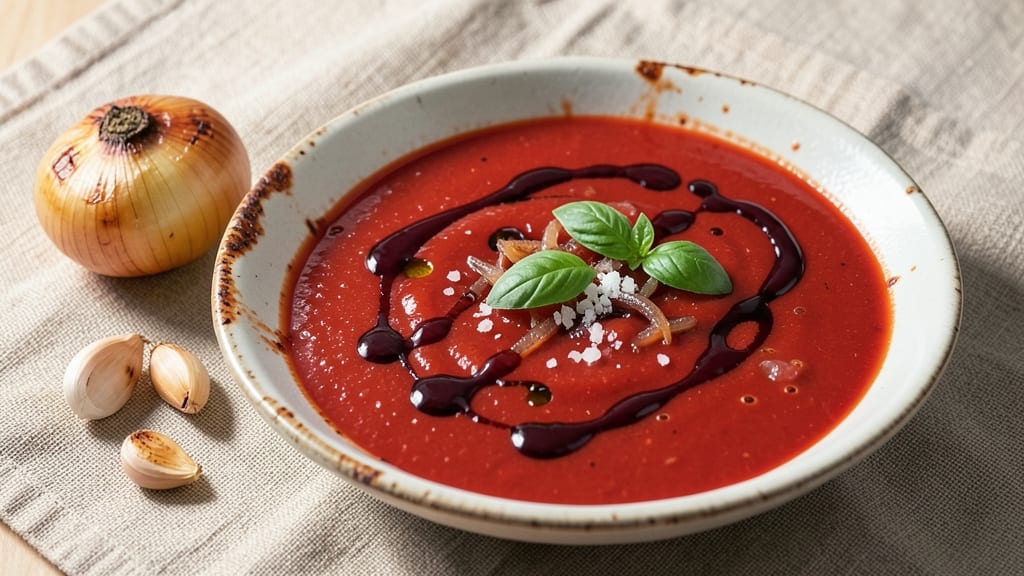
Transforming simple canned tomatoes into velvety homemade sauce requires just 20 minutes and a few key techniques that elevate pantry staples to restaurant-quality depth. The secret lies in simmering the sauce low and slow while stirring constantly to break down the tomatoes into a smooth, rich consistency—no blender required.
I’ve perfected this method over years of testing, ensuring every batch delivers that professional texture without the need for expensive ingredients.
This recipe builds flavor through aromatics—garlic, onion, and herbs—cooked until fragrant before the tomatoes even join the pot. A splash of red wine or a pinch of sugar balances acidity, while a sprinkle of salt at the end enhances natural sweetness.
The result is a sauce that’s silky, concentrated, and packed with umami, perfect for freezing or canning for later use.
What sets this sauce apart is its versatility: use it as a base for pasta, pizza, or braised meats, or can it for months of meal prep. The sterilization process ensures long-term safety, so you can stock your pantry with homemade goodness year-round.
Whether you’re a beginner or a seasoned cook, this method delivers consistent, foolproof results every time.
Once you taste the difference between store-bought and homemade, you’ll never go back. The process is simpler than you think—just follow the steps, and you’ll have jars of velvety sauce ready to transform any dish. Let’s get started with the ingredients you likely already have on hand.
Ingredients for canned sauce
Pantry staples that transform into velvety sauce with just 20 minutes of simmering.
| Ingredient | Amount | Notes |
|---|---|---|
| Canned San Marzano Tomatoes 🍅 | 28 oz | Crushed or whole, no salt added |
| Yellow Onion 🧅 | 1 whole | Medium size, finely chopped |
| Garlic Cloves 🧄 | 4 cloves | Fresh, minced or crushed |
| Extra-Virgin Olive Oil 🫒 | ¼ cup | High quality, fruity flavor |
| Dry Red Wine 🍷 | ½ cup | Bold variety like Cabernet |
| Granulated Sugar 🍚 | 1 tbsp | Balances acidity |
| Dried Basil 🌿 | 1 tbsp | Or 0.25 cup fresh basil |
| Sea Salt 🧂 | 1 ½ tsp | Kosher or fine grain |
| Black Pepper 🌶️ | ½ tsp | Freshly ground preferred |
| Fresh Parsley 🌿 | ¼ cup | Chopped, for finishing |
San Marzano tomatoes are the gold standard here—their sweetness and low acidity make all the difference. Trader Joe's and Whole Foods carry them, but any high-quality crushed tomatoes work. The onion and garlic are your flavor anchors—cook them until soft and fragrant, but don't let them brown. I always grab a fresh head of garlic because pre-minced can taste stale. The red wine adds depth, but if you're avoiding alcohol, beef broth with a splash of balsamic works beautifully. For the basil, dried is fine, but fresh has that vibrant punch you can't replicate.
No red wine? Substitute with extra tomato paste or broth—just add a pinch of sugar to balance. Running low on basil? Dried oregano or thyme at half the amount gets you close. The sugar might seem odd, but it rounds out the acidity in the tomatoes—trust me, it's worth it. If you're using fresh herbs, add them at the very end so they don't turn bitter. The parsley at the end is just for freshness, but it's not required if you're canning the sauce for later use. For a richer sauce, add a pinch of smoked paprika or a bay leaf while simmering.
This sauce keeps for 5-7 days in the fridge or 6 months in the freezer. For canning, use pint-sized jars and process for 85 minutes in a water bath. I always make a double batch—one for immediate use and one to can. The sauce thickens as it cools, so don't worry if it looks thin while hot. If you're freezing, portion into ziplock bags and flatten them to save space. Reheat gently on the stove or microwave until steaming.
Why You'll Love This Recipe
- No Chopping Nightmare: I swear by this—just dice one onion and crush three garlic cloves. That’s it. The San Marzano tomatoes handle all the heavy lifting, so you’re not stuck peeling or seeding. Honestly, I’ve made this while scrolling through my phone.
- Wine-Infused Magic: That splash of dry red wine? It’s not just flavor—it’s transformation. The acidity cuts through the richness of the olive oil, and the tomatoes soak it up like a sponge. You’ll taste it in every bite, even days later.
- Pantry-to-Table Flex: This sauce is my secret weapon for lazy nights, potlucks, or when my college-aged kids show up unannounced. Drizzle it over pasta, toss it with grilled chicken, or just eat it with crusty bread. No rules—just satisfaction.
- Budget-Friendly Staple: A single can of San Marzanos and a bottle of wine go a long way. I’ve stretched this into three meals without breaking the bank. Freeze leftovers, and you’ve got a ready-made base for next month’s dinners. Zero waste, all flavor.
Step-by-step instructions for canned tomato sauce
Let's transform simple pantry staples into a rich, velvety sauce in just 20 minutes.
Sauté Aromatics Until Fragrant
Heat the 0.25 cup extra-virgin olive oil in a large saucepan over medium heat. Add the 1 whole yellow onion, chopped into small pieces, and cook for 5 minutes until softened and translucent. You'll see the edges start to turn slightly golden—that's your signal to add the 4 cloves garlic cloves, minced or crushed. Cook for another 30 seconds until the garlic releases its aroma but doesn't brown.
Here's the thing—don't walk away during this step. Garlic burns in seconds, and that bitter flavor will ruin your sauce. If the garlic starts to darken too quickly, reduce the heat slightly. You want it to smell heavenly without turning dark.
Deglaze with Wine and Add Tomatoes
Pour in the 0.5 cup dry red wine and stir vigorously to scrape up any browned bits from the bottom of the pan. This deglazing step captures all that concentrated flavor. Let the wine simmer for 2-3 minutes until it reduces by about half and the alcohol smell dissipates completely.
Now add the 28 oz canned San Marzano tomatoes, crushed or whole, along with the 1 tbsp granulated sugar, 1 tbsp dried basil, 1.5 tsp sea salt, and 0.5 tsp black pepper. Stir everything together until the tomatoes are well combined with the other ingredients. The sugar will help balance the acidity of the tomatoes, creating a more complex flavor profile.
Simmer Until Thick and Velvety
Bring the mixture to a gentle boil, then reduce the heat to low and let it simmer uncovered for 15-20 minutes. Stir occasionally to prevent sticking. You're looking for a sauce that coats the back of a spoon with a thick, velvety consistency. If it thickens too quickly, add 1-2 tablespoons of water to maintain the right texture.
This simmering time is crucial for developing deep flavor. The acid in the tomatoes will soften, and the wine will mellow out. You'll know it's ready when the sauce has reduced enough to coat the back of a spoon smoothly and the aroma is rich and inviting.
Finish with Fresh Herbs and Adjust Seasoning
Remove the sauce from heat and stir in the 0.25 cup fresh parsley, chopped. This adds a bright, fresh finish that cuts through the richness of the sauce. Taste and adjust the seasoning if needed—you might need a bit more salt or pepper to balance the flavors perfectly.
Let the sauce sit for 5 minutes off the heat before serving. This resting time allows the flavors to meld together completely. The sauce should be thick, flavorful, and ready to elevate any dish you pair it with.
Pro Tips For Making Canned Sauce
- Sear the Onion Right: Don’t rush this—cut onions into even ¼-inch slices and cook them in olive oil over medium heat until they’re deep golden, not just soft. I used to walk away too soon, and the sauce never got that rich, caramelized depth that makes it sing.
- Crush Garlic Like a Pro: Smash those garlic cloves with the flat side of your knife before adding them to the pan—no need to mince. The exposed flesh releases flavor faster and prevents bitter bits from lingering. (Yes, even if you’re impatient like me.)
- Deglaze with Wine Slowly: Pour the red wine in a steady stream, letting it sizzle and reduce by half before adding tomatoes. Dumping it all at once just boils it off into vapor, and you lose that bright acidity that balances the sweetness of San Marzano tomatoes.
- Crush Tomatoes by Hand: Skip the blender—use your fingers to break up the canned tomatoes against the side of the pot while stirring. This distributes their juices and thickens the sauce faster, without turning it into a paste. (Your future self will thank you.)
Make-ahead tips for this recipe
Prep Ahead Strategy
I always make a double batch of this sauce—one to use immediately and one to can or freeze. The prep work takes just 10 minutes before simmering, so I chop the onions and garlic first while the saucepan heats up.
Keep the chopped aromatics in a small airtight container in the fridge for up to 3 days if you want to prep everything ahead of time. This is especially handy for busy weeknights when you can pull everything out and cook in one go. 💡
Freezing for Later Use
For long-term storage, let the sauce cool completely before transferring it to freezer-safe containers or ziplock bags. I use quart-sized freezer bags because they stack neatly in the freezer. Leave 1 inch of headspace since the sauce expands slightly when frozen.
Label each bag with the date—this sauce keeps its quality for up to 6 months in the freezer. Thaw overnight in the fridge before reheating. 🥶
Canning for Pantry Storage
To can your sauce, use pint-sized jars and process them in a water bath for 85 minutes according to your altitude guidelines. I always sterilize my jars and lids in boiling water for 10 minutes before filling.
The sauce should be hot when you pack the jars to eliminate air pockets. Once sealed, store in a cool, dark place—they'll keep for up to 12 months! The sterilization process ensures safety while preserving that velvety texture. ❄️
Batch Cooking Tips
If you're making multiple batches, I recommend using the same pot for each to maintain consistent flavor. The fond (browned bits) from previous batches adds extra depth to each new pot. For large batches, consider using a 6-8 quart stockpot—it handles the volume better.
Divide the sauce into quart jars for canning or freeze in 1-cup portions for easy meal prep. This is perfect for stocking your pantry with homemade goodness year-round. 🌟
Reheating Like a Pro
When reheating frozen sauce, I always use the stovetop over low heat to prevent curdling. Add 1-2 tablespoons of water if the sauce looks too thick after thawing. If using canned sauce, open the jar and heat gently on the stove or microwave in 30-second intervals, stirring between each.
Never microwave directly from a sealed jar—it creates pressure and can cause leaks. The sauce should reach 165°F for safety. 🔥
Flavor Preservation
To keep the sauce tasting fresh, store it in dark glass jars if canning—light degrades quality over time. For freezer storage, use containers that seal tightly to prevent freezer burn. I always taste-test a small portion after thawing to adjust seasoning if needed.
The acidity in tomatoes can become more pronounced after freezing, so a pinch of sugar or extra basil might be needed to balance flavors. This ensures every bite tastes just like fresh! 💛
Nutrition facts
Frequently asked questions
Can I use regular canned tomatoes instead of San Marzano?
Yes, but expect a slightly different flavor profile. San Marzano tomatoes have a sweeter, less acidic taste that makes them ideal for canning. Regular canned tomatoes work fine—just add an extra ½ teaspoon of sugar to balance any sharpness. The texture will still turn velvety with proper simmering time.
How do I prevent the sauce from getting too thick while simmering?
Add 1-2 tablespoons of water or broth as needed during simmering. The sauce will thicken as it cools, so don't worry if it looks thin while hot. Stir occasionally to maintain even consistency. For a smoother finish, you can also blend a small portion after cooking, then mix it back in.
What's the best way to store homemade canned sauce?
Store in sterilized glass jars with airtight lids in a cool, dark place. Canned sauce lasts 12 months unopened. Once opened, refrigerate and use within 5-7 days. For freezing, portion into ziplock bags with 1-inch headspace and keep for up to 6 months. Label with dates to track freshness.
Can I adjust the acidity if my tomatoes are too tart?
Add ½ teaspoon of sugar or a pinch of baking soda (⅛ teaspoon max) to balance acidity. For extra depth, stir in 1 teaspoon of tomato paste while simmering. Taste frequently—you can always add more sugar but can't remove it. The red wine already helps mellow the flavor.
What if my sauce separates after canning?
This happens when air gets trapped during processing. Stir the sauce well before canning and ensure jars are filled to ¼-inch headspace. If it separates after opening, reheat gently on low heat, stirring constantly until smooth. For future batches, simmer the sauce longer (25 minutes) to emulsify naturally.