
Sauces & Condiments
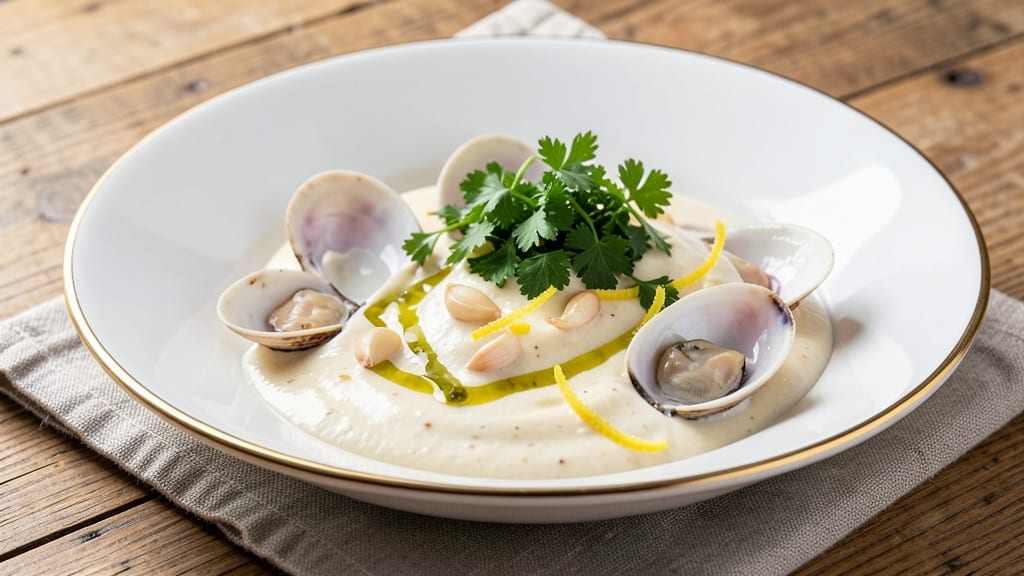
Transforming canned white clams into a rich, briny sauce unlocks a world of umami flavor for seafood lovers and pasta enthusiasts alike. This versatile clam sauce delivers the depth of fresh clams without the hassle of shelling, perfect for elevating dishes from simple to extraordinary.
The secret lies in balancing the natural saltiness of the clams with aromatic herbs and a touch of acidity—creating a sauce that clings to pasta, enhances seafood, and even transforms into a bold dip.
What makes this sauce stand out is its foolproof simplicity—just five core ingredients blend together in minutes, yet the result is restaurant-quality depth. The clams provide that signature briny richness, while garlic, white wine, and a splash of lemon brighten the profile.
Simmering reduces the sauce to a velvety consistency that coats every noodle or fish fillet with effortless elegance.
Imagine twirling a forkful of linguine through this sauce, where each bite carries the ocean's essence—salty, sweet, and deeply savory. It works just as beautifully drizzled over grilled shrimp or spread on crusty bread with a sprinkle of parsley.
The best part? This sauce keeps well in the fridge for up to five days, so you can make a batch and enjoy it all week.
Whether you're preparing a weeknight dinner or hosting a seafood feast, this clam sauce delivers professional results with minimal effort. Let's get started—your taste buds will thank you.
Ingredients for canned white clam sauce
Five simple ingredients transform canned clams into a briny, umami-rich sauce perfect for pasta and seafood.
| Ingredient | Amount | Notes |
|---|---|---|
| Canned White Clams 🦪 | 14 ½ oz | Drained and liquid reserved |
| Extra-Virgin Olive Oil 🫒 | ¼ cup | High quality, fruity |
| Garlic Cloves 🧄 | 4 cloves | Minced, fresh preferred |
| Dry White Wine 🍷 | ½ cup | Sauvignon Blanc or Pinot Grigio |
| Fresh Lemon Juice 🍋 | 1 tbsp | Freshly squeezed |
| Fresh Parsley 🌿 | ¼ cup | Chopped, flat-leaf preferred |
| Sea Salt 🧂 | ½ tsp | Fine grain preferred |
| Black Pepper 🌶️ | ¼ tsp | Freshly ground preferred |
| Clam Juice 💧 | ¼ cup | Reserved from canned clams |
The clams are the star here—look for brands like Brooklyn Clam Company or Italian-style cans at grocery stores. They should smell clean and briny, not fishy or sour. I always grab the 14.5 oz cans because they give you the most liquid for the sauce. The juice from the clams is just as important as the clams themselves—reserve it in a separate bowl. For garlic, fresh is non-negotiable—pre-minced garlic from jars loses its punch. White wine? Sauvignon Blanc or Pinot Grigio work best—they're crisp and won't overpower the clam flavor. If you're short on time, dry white wine from a box (like Barefoot) works in a pinch, but it won't have the same depth.
No white wine? Substitute with clam juice plus a splash of lemon—it's still delicious, just less refined. Fresh parsley is ideal, but dried parsley at one-third the amount works if that's what you've got. Short on clam juice? Fish or vegetable stock gets you close. The olive oil matters—use something fruity and peppery like California Early Harvest. It should have a strong aroma, not be completely odorless. For extra richness, add a pat of butter at the end—it blends in beautifully and rounds out the flavors. If you're making this ahead, reduce the lemon juice slightly since it'll intensify over time.
This sauce keeps beautifully—5 days in the fridge in an airtight container. The flavors actually improve as it sits, letting everything meld together. For longer storage, freeze in ice cube trays—perfect for single-use portions. It reheats like a dream—just warm it gently on the stove or microwave for 30 seconds. I like to drizzle it over linguine or use it as a dipping sauce for grilled fish. A sprinkle of fresh parsley right before serving adds that restaurant-quality finish.
Why You'll Love This Recipe
- Five-Ingredient Magic: I swear by this one—just clams, olive oil, garlic, wine, and lemon. That’s it. No fancy prep, no hidden pantry staples you don’t already own. Honestly, if you can open a can and chop garlic, you’re golden.
- Bright & Briny Balance: The white wine cuts through the richness, while the lemon keeps it fresh. That first spoonful? The clams hit with a salty punch, but the olive oil softens it into something velvety. (Yes, even on a Tuesday night.)
- Pasta’s New Best Friend: Drizzle it over linguine, toss it with grilled fish, or slather it on crusty bread. It’s the kind of sauce that makes you want to eat it three ways in one meal. Between us, my kids now ask for it more than marinara.
- Leftovers That Don’t Suck: This sauce actually tastes better the next day—if you can resist eating it all. Store it in the fridge for up to five days, and it’s still the star of your next quick dinner. Budget win, flavor win.
Step-by-step instructions for canned white clams sauce
Here's how to transform simple canned clams into a rich, briny sauce perfect for pasta or seafood dishes.
Sauté Garlic in Olive Oil Until Fragrant
Heat the 0.25 cup extra-virgin olive oil in a medium saucepan over medium heat. Add the 4 minced garlic cloves and cook for 1-2 minutes until they're golden and smell irresistibly fragrant. This is where the sauce builds its aromatic foundation—don't rush this step or the garlic will burn quickly.
Watch the garlic carefully—it should transform from pale to deep golden brown. If it starts to darken too quickly, reduce the heat slightly. The oil should be shimmering but not smoking. This golden garlic will infuse the entire sauce with its sweet, pungent flavor.
Deglaze with White Wine and Clam Juice
Pour in the 0.5 cup dry white wine and 0.25 cup clam juice, scraping up any browned bits from the bottom of the pan with a wooden spoon. These bits are packed with flavor—don't miss them. Let the mixture simmer gently for 3-4 minutes until reduced by about half and slightly thickened.
You'll notice the alcohol smell dissipating as the wine reduces. This is important because raw alcohol can overpower the delicate clam flavor. The sauce should now have a glossy sheen and smell rich with wine and garlic aromas. If it reduces too quickly, lower the heat slightly to prevent scorching.
Add Clams and Simmer Until Tender
Drain the 14.5 oz canned white clams, reserving the liquid, and add them to the pan along with the reserved clam liquid. Stir gently and simmer for 5-6 minutes until the clams are tender and have released their juices into the sauce. The clams should open completely if they were fresh to begin with.
Here's the thing—if you notice any unopened clams, discard them immediately as they may be bad. The sauce should now have a thick, creamy consistency with visible clam pieces suspended throughout. The briny, oceanic aroma should be prominent—this is exactly what you want in a clam sauce.
Finish with Lemon and Seasonings
Remove the pan from heat and stir in the 1 tbsp fresh lemon juice, 0.5 tsp sea salt, and 0.25 tsp black pepper. The acidity from the lemon brightens the sauce and balances the richness. Taste and adjust seasoning if needed—you might need a bit more salt to enhance the briny flavor.
Let the sauce sit off the heat for 2 minutes to allow all the flavors to meld together. The lemon juice will help emulsify the sauce slightly, giving it a silky texture. The final sauce should coat the back of a spoon and have a beautiful, glossy appearance with visible clam pieces.
Stir in Parsley and Prepare to Serve
Add the 0.25 cup chopped fresh parsley and stir gently to distribute it throughout the sauce. The parsley adds a fresh, bright note that cuts through the richness. If you're using this sauce immediately, you can serve it as-is over pasta or with seafood. For best results, keep the sauce warm until serving.
This sauce works beautifully tossed with linguine or spaghetti, drizzled over grilled fish, or spooned over crusty bread. The briny, umami-rich flavor makes it incredibly versatile. Store any leftovers in an airtight container in the refrigerator for up to 3 days—though it's likely to disappear much faster than that.
Pro Tips For Making Canned White Clam Sauce
- Sauté Garlic Slow: I learned this the hard way—blasting garlic in olive oil turns it bitter fast. Keep the heat medium-low until it’s just golden, then crank it up for the wine. That way, the garlic adds flavor without overpowering the delicate clams.
- Drain Clams Dry: Those little juice packets in canned clams are sneaky. Drain them well and pat them with a paper towel—wet clams steam instead of sear, and you’ll end up with a watery sauce. Trust me, your pasta will taste better.
- Deglaze Hot: Pour that white wine in when the pan is still hot from the garlic. The alcohol will cook off faster, leaving behind richer flavor instead of a boozy aftertaste. Skip the wait, and the sauce won’t taste as clean.
- Lemon Last: Add lemon juice at the very end—right when you’re plating. It brightens the sauce instantly, but squeeze it too early, and the acid will mute the clams’ natural sweetness. A few drops is enough; you’re not making a cocktail here.
Dietary considerations for this canned white clam sauce
Gluten-Free Adaptation
This clam sauce is naturally gluten-free as long as you use certified gluten-free white wine and check your clam brand for cross-contamination warnings. I always opt for Brooklyn Clam Company cans—they're tested for gluten-free standards.
The sauce's base ingredients are inherently safe, but always verify labels since some clam juice products may contain additives with gluten traces. 🌾
Low-Carb/Keto Friendly
For a low-carb version, simply omit the pasta and serve the sauce over zucchini noodles or as a dip with cucumber slices or celery sticks. The sauce itself contains only 2 grams of carbs per serving (about ½ cup), making it a perfect keto-friendly condiment.
Just be mindful of the wine—some dry wines contain added carbs, so stick to unsweetened varieties. 🥒
Shellfish Allergy Note
If you're serving someone with a shellfish allergy, this sauce contains canned clams which are a type of shellfish. Unfortunately, there's no safe substitution—clam juice and clams are both derived from shellfish.
For those with allergies, I recommend preparing a separate sauce using fish stock or mushroom broth with similar umami depth. Always check with the guest first about their specific allergy triggers. 🦞
Pescatarian-Friendly
This sauce is already pescatarian-approved since it contains only fish (clams) and plant-based ingredients. To make it even more seafood-forward, serve it with grilled shrimp skewers or seared scallops.
The briny clam flavor pairs beautifully with other seafood proteins. For a complete pescatarian meal, toss the sauce with brown rice or quinoa instead of pasta. 🐟
Dairy-Free Option
The recipe is already dairy-free, but if you want to add richness without butter, try stirring in 2 tbsp olive oil at the end for a silky texture. Some people also like to add 1 tsp nutritional yeast for a cheesy flavor without dairy.
Just remember that nutritional yeast can add a slightly nutty taste that complements the clam's brininess perfectly. 🧀
Vegetarian Substitution
For a vegetarian version, replace the clams with 14.5 oz canned white beans (like cannellini) and use 1 tbsp miso paste for umami depth. Drain the beans well and simmer them with the garlic, wine, and clam juice (substitute with vegetable broth).
The texture will be thicker but still delicious when tossed with pasta or used as a dip. 🌱
Nutrition facts
Frequently asked questions
Can I use this sauce on dishes other than pasta?
This versatile clam sauce works beautifully as a marinade for grilled fish or shrimp skewers, a dip for crusty bread or veggie sticks, and even a topping for baked potatoes. The briny flavor elevates any dish where you want that oceanic richness without overpowering the main ingredient.
What if I don't have white wine? Can I substitute something else?
Yes! Use clam juice plus 1 tbsp lemon juice for the same acidity and depth. If you're out of clam juice, dry vermouth or even apple cider vinegar (reduce by half) work in a pinch. The key is balancing the sauce's saltiness with acidity—just adjust the lemon to taste.
How do I fix a sauce that's too thin or too thick?
For a thinner sauce, stir in 1-2 tbsp clam juice or water while heating. For a thicker sauce, simmer uncovered for 2-3 extra minutes to reduce, or stir in 1 tsp cornstarch mixed with water. Avoid over-thickening—this sauce should coat the back of a spoon but remain silky.
Can I make this sauce ahead of time?
This sauce actually improves overnight! Store it in an airtight container in the fridge for up to 5 days, and the flavors will meld even deeper. Reheat gently on the stove—never microwave, as it can break the sauce's delicate emulsion. Stir in extra parsley before serving to brighten the flavors.
What's the best way to serve this sauce with seafood?
Drizzle it over grilled or baked fish like cod or halibut, or toss it with steamed mussels or clams for a one-pan meal. For extra elegance, finish with a sprinkle of toasted breadcrumbs or crispy capers. The sauce's briny notes complement seafood perfectly without competing.