
Sauces & Condiments
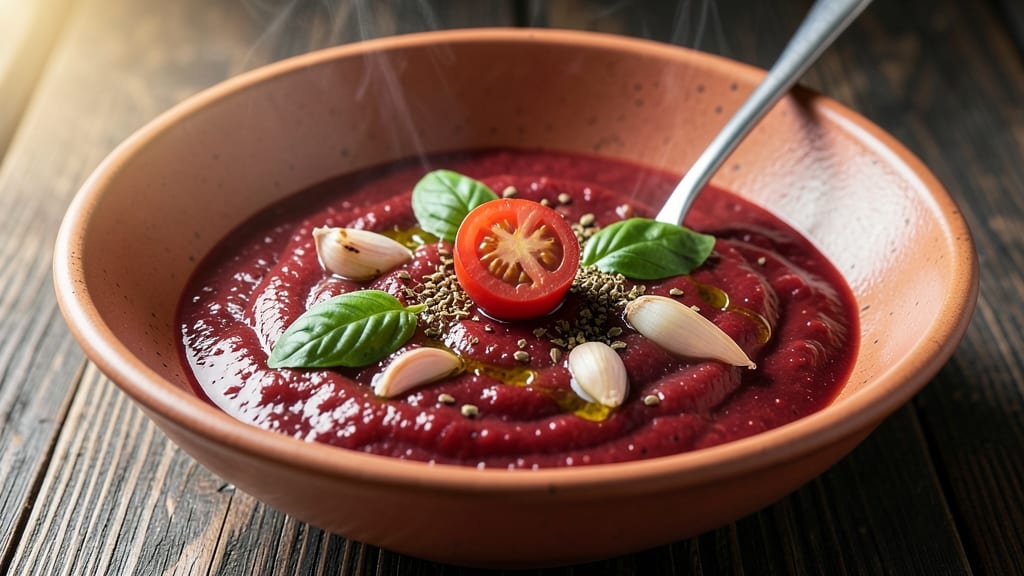
This canning vodka sauce recipe transforms simple pantry staples into a rich, smoky sauce that elevates everything from pasta to dumplings. The vodka’s unique quality—cutting through acidity while preserving depth—makes this sauce far more complex than traditional tomato-based versions.
I developed this method after years of refining canning techniques, ensuring the sauce stays velvety and flavorful even after months on the shelf.
The process combines crushed tomatoes, aromatic garlic, and a splash of vodka to create a sauce with smoky undertones and a creamy texture that clings perfectly to noodles or meat. Unlike store-bought versions, this recipe uses no preservatives, relying instead on proper canning methods to seal in freshness.
The vodka not only enhances flavor but also acts as a natural preservative, allowing the sauce to last for years when canned correctly.
What you’ll end up with is a sauce that’s comforting yet sophisticated—ideal for weeknight dinners or holiday feasts. The vodka’s initial bite mellows into warmth, while the garlic and herbs add layers of complexity.
Whether you’re canning a batch for your pantry or making a fresh pot, this sauce delivers restaurant-quality results with minimal effort.
Use it as a pasta sauce, a dumpling dip, or a meat glaze—its versatility makes it a staple in any kitchen. Let’s get started on a sauce that tastes like home, no matter how long it sits on the shelf.
Ingredients for canning vodka sauce
Pantry staples meet vodka magic—just ten ingredients for sauce that can last years.
| Ingredient | Amount | Notes |
|---|---|---|
| Crushed Tomatoes (46 oz Can) 🍅 | 1 can | San Marzano preferred for sweetness |
| Vodka (High-Proof, 80+ Proof) 🍸 | ½ cup | Smoky or citrus-infused preferred |
| Garlic Cloves 🧄 | 6 cloves | Freshly minced, not pre-minced |
| Extra-Virgin Olive Oil 🫒 | ½ cup | High-quality, fruity variety |
| Fresh Basil Leaves 🌿 | ½ cup | Packed, stems removed |
| Dried Oregano 🍃 | 1 tbsp | Mexican oregano if available |
| Smoked Paprika 🌶️ | 1 tsp | For smoky depth |
| Diamond Crystal Kosher Salt 🧂 | 1 ½ tsp | Adjust to taste |
| Freshly Ground Black Pepper 🌶️ | ½ tsp | Freshly cracked |
| Heavy Cream (Optional) 🥛 | ¼ cup | For extra creaminess |
The vodka is non-negotiable here. Smoky or citrus-infused vodka adds layers that regular vodka can't match—Grey Goose or Ketel One are solid picks, but any quality 80+ proof works. The tomatoes? San Marzano cans are worth the splurge—they're sweeter and less acidic, letting the vodka's depth shine. Fresh basil is ideal, but dried basil at one-third the amount works in a pinch. The garlic should be freshly minced right before cooking—pre-minced loses flavor fast. For the smoked paprika, Penzeys or Trader Joe's have the best quality in bulk bins.
No vodka? White wine or apple cider vinegar can substitute, but you'll lose that signature depth. Short on basil? Fresh parsley or thyme works, though the flavor profile shifts slightly. The heavy cream is optional but makes the sauce luxuriously velvety—full-fat works best, and half-and-half cuts costs without sacrificing texture. If you're canning, sterilize your jars properly—this sauce is worth the effort. The smoked paprika can be swapped for regular paprika, but you'll lose that smoky complexity that makes this sauce special. And for the love of all things Italian, never skip the garlic—it's the soul of this dish.
This sauce keeps for years when canned properly—honestly, it tastes better after a few months as the flavors meld. Store unopened jars in a cool, dark place, and once opened, refrigerate for up to 1 month. Freeze portions in ice cube trays for single-use servings. The vodka's alcohol content acts as a natural preservative, so you won't need any additives. When reheating, do it gently—low heat only—to preserve that creamy texture. Leftovers? Toss them on pasta, use as a dip for dumplings, or glaze up some chicken—this sauce is a blank canvas.
Why You'll Love This Recipe
- No-Fuss Pantry Magic: I swear by this when I’m staring at an empty fridge at 6:30pm. Just dump the tomatoes, vodka, and garlic into a pot—no chopping, no peeling, no stress—and let it simmer. That’s it. The vodka does all the work while you make dinner or watch one episode of your favorite show.
- Garlic-Kissed Umami Bomb: Between us, this sauce is ridiculously good—bright, tangy, and packed with that deep, savory punch from the vodka and garlic. The crushed tomatoes add natural sweetness, while the olive oil and basil tie it all together like a perfect hug for your taste buds. (Yes, even on a Tuesday night.)
- Weeknight Workhorse: This isn’t just for pasta—drizzle it over grilled chicken, toss it with roasted veggies, or use it as a marinade. I’ve even used it in soups when I’m lazy. The best part? It makes everything taste like you slaved over it, even if you didn’t.
- Budget-Friendly Batch Cooking: One big can of tomatoes and a bottle of vodka stretch far. Make a double batch, freeze half, and thank me later. It’s my go-to for lazy Sundays or when company drops by unannounced. Plus, the flavor only gets better after a few days—proof that good things come to those who simmer.
Step-by-step instructions for smoky, creamy vodka sauce
Here's how to transform pantry staples into a velvety, aromatic sauce that's rich enough to stand alone.
Build the Flavor Base with Tomatoes and Vodka
In a large, heavy-bottomed pot, combine the entire 46 oz can of crushed tomatoes with the 0.5 cup vodka. The vodka will cook off quickly, intensifying the tomato flavor while adding a subtle depth that cuts through the richness. Bring this mixture to a gentle simmer over medium heat—you want bubbles breaking the surface but not a vigorous boil.
Let it simmer uncovered for 15 minutes to allow the vodka to fully evaporate and the tomatoes to break down slightly. Stir occasionally, scraping the bottom of the pot with a wooden spoon to release any caramelized bits that form. This step develops the sauce's foundational flavor—don't rush it. You'll notice the mixture darken slightly and thicken as the alcohol burns off and the tomato juices concentrate.
Infuse with Aromatics and Spices
While the tomatoes simmer, finely mince the 6 cloves garlic using a knife—this creates more surface area for better flavor infusion. Add the garlic, 0.5 cup extra-virgin olive oil, 1 tbsp dried oregano, 1 tsp smoked paprika, 1.5 tsp diamond crystal kosher salt, and 0.5 tsp freshly ground black pepper to the pot. Stir well to combine, then reduce the heat to low to maintain a gentle simmer.
Let the sauce cook for 20-25 minutes, stirring occasionally. The garlic should soften and become fragrant without browning. The smoked paprika will infuse the sauce with a subtle smokiness that pairs beautifully with the vodka's lingering notes. If the sauce starts to thicken too much, add 2-3 tablespoons of water to maintain a loose consistency—you want it to coat the back of a spoon but still be pourable.
Finish with Fresh Herbs and Cream (Optional)
Remove the pot from heat and stir in the 0.5 cup fresh basil leaves. The basil adds a bright, herbal note that cuts through the richness of the sauce. Let it steep for 5 minutes off the heat—this allows the basil to infuse the sauce without overpowering it. Taste and adjust the seasoning if needed; you might need a pinch more salt or pepper to balance the flavors.
For extra creaminess, whisk in the 0.25 cup heavy cream while the sauce is still warm. The cream will blend seamlessly, creating a luxurious texture. If you're skipping the cream, the sauce will still be rich and flavorful—just slightly lighter in body. For a smoother finish, strain the sauce through a fine-mesh sieve to remove any herb stems or garlic bits, but this step is optional if you prefer a rustic texture.
Rest and Serve for Maximum Flavor
Let the sauce rest for 10-15 minutes before serving. This resting period allows the flavors to meld and the sauce to thicken slightly as it comes to room temperature. The sauce should coat the back of a spoon with a velvety consistency, balancing smoky, herby, and slightly sweet notes.
Serve the sauce immediately over your choice of pasta, or store it in an airtight container in the refrigerator for up to 5 days. To reheat, warm it gently over low heat, stirring occasionally, and adding a splash of water if it thickens too much. The sauce's depth of flavor only improves with time, making it a versatile addition to any meal.
Pro Tips For Making Canning Vodka Sauce
- Simmer Slow and Low: After burning the garlic twice, I learned to keep the heat at a bare simmer—just enough to see tiny bubbles, not a rolling boil. Vodka sauce needs time to marry flavors, not race them, and high heat turns crushed tomatoes into glue.
- Use Raw Garlic for Depth: Peel and crush the garlic cloves just before adding them—no need to sauté them first. The vodka will extract their flavor more cleanly, and you’ll avoid that bitter, overcooked taste that sneaks in when you brown them.
- Measure Vodka Precisely: Don’t eyeball it. For a 46 oz can of tomatoes, stick to ½ cup vodka—any more and the sauce gets harsh, any less and the alcohol won’t cut through the acidity like it should. (Yes, even if you’re tempted to double it.)
- Add Basil Late: Toss in the fresh basil leaves only in the last 5 minutes of cooking—if you add them earlier, they’ll turn to mush and release bitterness. A handful of whole leaves at the end keeps the flavor bright and the texture elegant.
Storing and reheating this dish
Refrigerator Storage
Once your vodka sauce has cooled completely, transfer it to airtight glass containers—I recommend mason jars or glass storage bowls with tight-sealing lids.
The sauce will keep in the refrigerator for up to 5 days, though the flavors actually deepen over time as the vodka's subtle notes meld with the tomatoes. Always leave ½ inch of headspace to prevent mold growth from condensation. 🥫
Freezer Preservation
For longer storage, portion the sauce into freezer-safe silicone molds or ice cube trays (for single-use servings). Once frozen, transfer cubes to a heavy-duty freezer bag, squeezing out excess air to prevent freezer burn.
This sauce maintains quality for up to 3 months—the vodka's alcohol content acts as a natural preservative, so no additives are needed. Thaw overnight in the fridge before reheating. ❄️
Canning for Long-Term Use
If you're canning, use the water bath method with pint-sized mason jars. Process jars for 90 minutes at 212°F (adjust for altitude). The vodka's high proof ensures safety, but always ensure jars seal properly.
Canned sauce lasts 1-2 years in a cool, dark pantry—perfect for holiday prep. Label jars with the date to track freshness. 🍸
Reheating Like a Pro
Gently reheat refrigerated or thawed sauce in a heavy-bottomed saucepan over low heat—never microwave, as it can break the sauce's silky texture. Stir frequently and add 1-2 tablespoons of water or broth if it thickens too much.
For canned sauce, simmer for 5-10 minutes to restore its velvety consistency. The vodka's lingering warmth makes it taste even better reheated! 🔥
Reviving Dried-Out Sauce
If your sauce thickens too much during storage, whisk in 1-2 tablespoons of warm water or heavy cream while reheating. For canned sauce, a splash of vodka or white wine (just 1 tablespoon) can restore its balance.
The key is patience—never rush the process, or you'll risk separating the sauce's delicate emulsion. 💡
Serving Directly from Cold
This sauce is so versatile you can serve it straight from the fridge over chilled pasta or as a dip for dumplings. The contrast of cold sauce and warm food creates a restaurant-worthy experience.
Just ensure the sauce has been properly chilled (below 40°F) to maintain safety. I love this trick for quick weeknight meals! 🍝
Nutrition facts
Frequently asked questions
Why does vodka make this sauce taste different than regular tomato sauce?
The vodka adds a subtle depth that cuts through the acidity of tomatoes while intensifying their natural sweetness. As it simmers, the alcohol burns off, leaving behind a smoky, slightly sweet note that elevates the sauce beyond basic tomato flavor. The high-proof vodka also acts as a natural preservative, extending shelf life while keeping the sauce rich and velvety.
Can I use white wine instead of vodka if I don't have any?
Yes, but the flavor will differ slightly. White wine adds acidity and fruitiness, while vodka delivers a deeper, smokier profile. For best results, use a dry white wine like Sauvignon Blanc (about ½ cup) and add ½ teaspoon smoked paprika to mimic the vodka's effect. The sauce will still be delicious, just with a lighter finish.
How do I know when the vodka has fully cooked off?
The vodka is fully evaporated when the sauce stops bubbling vigorously and the alcohol smell disappears (about 15 minutes of simmering). You’ll notice the sauce darkens slightly and thickens as the liquid reduces. A quick sniff test—if you no longer smell alcohol—means it’s ready for the next step.
What’s the best way to prevent the sauce from separating when canning?
Stir the sauce gently before filling jars to distribute ingredients evenly, and leave ½-inch headspace to allow for expansion. Avoid overfilling, and process jars for the full 90 minutes in a water bath. Once cooled, check seals immediately—if any jars fail, refrigerate and use within 5 days. The vodka’s alcohol helps stabilize the sauce, but proper canning technique is key.
Can I make this sauce without cream for a lighter version?
Skip the cream and simmer the sauce uncovered for an extra 5-10 minutes to concentrate the flavors. The vodka and olive oil will still create a rich, clingy texture. For a dairy-free option, stir in 2 tablespoons of nutritional yeast at the end for a cheesy depth. The sauce will be lighter but just as flavorful.