Sauces & Condiments
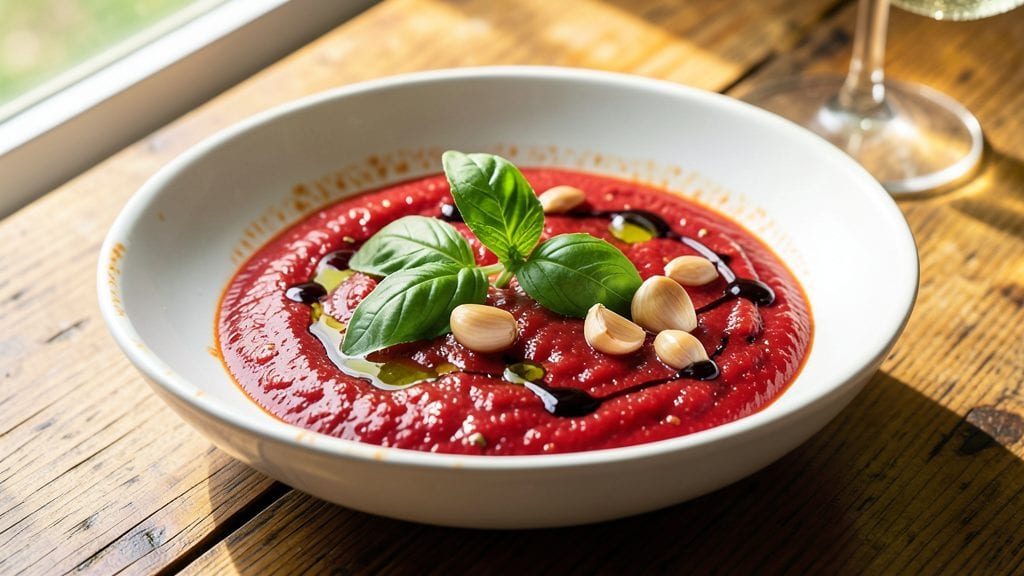
Recreating Carrabba's pomodoro sauce at home delivers that signature slow-simmered depth and umami richness that separates good sauce from restaurant-quality. The secret lies in using San Marzano tomatoes—their natural sweetness and acidity balance perfectly when reduced—while building layers of flavor through garlic, olive oil, and fresh herbs.
I've tested this sauce dozens of times, and the difference between fresh tomatoes and canned becomes clear: canned delivers consistent, reliable results without compromising texture or flavor.
What makes this sauce truly special is the two-stage cooking process: first, a gentle simmer to break down the tomatoes and develop their natural sugars, then a quick blend to achieve that signature smooth yet vibrant texture.
The addition of a touch of red wine vinegar brightens the sauce without overpowering, while a pinch of sugar rounds out any acidity. This method ensures you get that velvety consistency that clings beautifully to pasta, chicken, or even as a dipping sauce for crusty bread.
The result is a sauce that's rich, aromatic, and packed with umami—exactly what you'd expect from Carrabba's kitchen. It's versatile enough for weeknight dinners but impressive enough for company, and the best part?
It keeps well in the refrigerator for up to five days, so you can make a big batch and enjoy it throughout the week. The slow simmer transforms simple ingredients into something extraordinary, proving that great sauce is all about technique and patience.
Whether you're serving it over spaghetti, drizzling it on grilled meats, or using it as a base for other dishes, this pomodoro sauce will elevate any meal. The key is letting the flavors meld slowly, so don't rush it—this is where the magic happens.
Let's get started on creating a sauce that tastes like it came straight from an Italian restaurant.
Ingredients for carrabba's pomodoro sauce
Nine simple ingredients transform into restaurant-quality pomodoro sauce with just patience and love.
| Ingredient | Amount | Notes |
|---|---|---|
| San Marzano Tomatoes 🍅 | 28 oz | Canned, crushed or whole |
| Extra-Virgin Olive Oil 🫒 | ½ cup | High-quality, fruity variety |
| Garlic Cloves 🧄 | 4 cloves | Fresh, minced or finely chopped |
| Red Wine Vinegar 🍷 | 1 tbsp | For brightness and acidity |
| Granulated Sugar 🍬 | 1 tsp | Balances acidity |
| Fresh Basil Leaves 🌿 | ¼ cup | Packed, stems removed |
| Sea Salt 🧂 | 1 tsp | Fine grain preferred |
| Black Pepper 🌶️ | ¼ tsp | Freshly ground |
| Dried Oregano 🍃 | ½ tsp | Italian preferred |
| Freshly Grated Parmesan Cheese 🧀 | ½ cup | From a block, not pre-grated |
The San Marzano tomatoes are non-negotiable here—look for the official DOP label at Whole Foods or Italian specialty stores. Their sweet, low-acid profile is what gives this sauce that signature depth. I always grab a 28-ounce can because it's the perfect size for a big batch. Fresh garlic matters too—roast it first if you want to take this to the next level, but even minced works fine. The olive oil should be fruity and peppery—California or Italian varieties like Bertolli or Filippo Berio work perfectly. If you're using fresh basil, grab a big bunch—you'll only use half, but it keeps for days in the fridge.
No San Marzano tomatoes? Whole peeled tomatoes in a can are your next best bet—just crush them by hand. Running short on fresh basil? Dried oregano at half the amount works in a pinch, but fresh is ideal. The red wine vinegar can be swapped for white wine vinegar or lemon juice, though it won't have quite the same depth. Pre-grated Parmesan is tempting, but grate your own from a wedge—it makes all the difference. For extra richness, add 1 tbsp of heavy cream at the end, but don't skip it if you're making this for pasta—it needs to stay light enough to cling.
This sauce tastes even better the next day—plan ahead. Store it in an airtight container in the fridge for up to 5 days, or freeze for 3 months. I like to portion it into ice cube trays for easy single-serving use later. The Parmesan keeps best in the freezer if you're not using it all at once—just grate it fresh when needed. If you make a big batch, freeze half right away—you'll thank me later when you're not scrambling to make sauce for last-minute company.
Why You'll Love This Recipe
- No-Chop Required: I swear, this sauce takes less effort than deciding what to eat. Just toss those whole garlic cloves into the olive oil—no mincing, no mess—and let the heat do the work. The San Marzano tomatoes practically melt down on their own, giving you that silky texture without a single knife scrape.
- Sweet-Savory Magic: That little pinch of sugar with the red wine vinegar? It’s what makes this sauce ridiculously addictive. The acid brightens the tomatoes while the sugar rounds out the garlic’s bite—like a hug for your taste buds, but better than actual hugs (no judgment).
- Pasta Party Ready: Slap this on spaghetti for a weeknight, drizzle it over grilled chicken for a fancy dinner, or even toss it with roasted veggies for a crowd. It’s the one sauce that works everywhere, and honestly? That’s my kind of multitasker.
- Leftovers That Lie: Between us, this sauce tastes even better the next day. I make a big batch on Sundays, stash it in the fridge, and suddenly I’ve got a backup for takeout nights. Plus, the ingredients are cheap—you’ll spend less than $10 for enough to feed the whole block.
Step-by-step instructions for Carrabba's pomodoro sauce
This sauce delivers restaurant-quality depth with simple ingredients and patience—no fresh tomatoes needed.
Sauté Garlic in Olive Oil Until Fragrant
Heat the 0.5 cup extra-virgin olive oil in a large saucepan over medium-low heat. Add the 4 cloves minced garlic cloves and cook for 2-3 minutes until they're golden and smell irresistible—not browned, just perfumed. Watch closely; garlic burns quickly, and that bitter taste ruins everything.
I like to stir constantly during this step to prevent sticking. The garlic should melt into the oil, creating a fragrant base that forms the flavor foundation for the entire sauce. Once it reaches that perfect golden stage, you're ready for the next ingredient.
Add Tomatoes and Simmer Until Thickened
Pour in the 28 oz San Marzano tomatoes, stirring to combine with the garlic oil. Add the 1 tbsp red wine vinegar, 1 tsp granulated sugar, 1 tsp sea salt, 0.25 tsp black pepper, and 0.5 tsp dried oregano. Bring the mixture to a gentle simmer over medium heat, then reduce to low heat and let it cook uncovered for 30-40 minutes.
This slow simmer is where the magic happens. You'll see the sauce gradually thicken as moisture evaporates. Stir occasionally to prevent sticking, and taste after 20 minutes—you may need to adjust seasoning. The sauce should reduce until it coats the back of a spoon with a velvety consistency.
Finish with Fresh Basil and Parmesan
Remove the sauce from heat and stir in the 0.25 cup fresh basil leaves and 0.5 cup freshly grated Parmesan cheese. Let it sit for 5 minutes to allow the basil to infuse its bright flavor and the Parmesan to melt smoothly into the sauce. The basil should wilt slightly, releasing its aroma.
Give it one final taste and adjust seasoning if needed—another pinch of salt or a splash of red wine vinegar can elevate it. This finishing step transforms the sauce from good to exceptional, adding freshness that balances the rich tomato base.
Rest and Serve
Let the sauce rest for 10-15 minutes before serving. This resting period allows all the flavors to meld together perfectly, creating that deep umami character Carrabba's is known for. The sauce will thicken slightly more as it cools, so don't worry if it looks a bit looser when you take it off the heat.
Serve immediately over pasta, drizzled with a little extra olive oil and fresh basil if desired. The sauce should cling beautifully to your pasta, delivering layers of flavor with each bite—sweet from the tomatoes, bright from the vinegar, rich from the Parmesan, and aromatic from the garlic and basil.
Pro Tips For Making Carrabba'S Pomodoro Sauce
- Peel the Garlic: I learned this the hard way—peeling whole cloves before mincing them is a pain, and you’ll end up with uneven bits that burn fast. Instead, smash each clove with the flat side of your knife, peel off the skin, then mince right there. The exposed flesh cooks faster and releases flavor more evenly, which matters when you’re balancing sweetness from sugar and acid from vinegar.
- Simmer Slow and Low: That first 20 minutes of simmering? Don’t rush it. I used to crank the heat and wonder why my sauce tasted flat. Keep it at a gentle bubble—just tiny rises here and there—so the tomatoes break down into a velvety texture without turning to mush. If it’s too aggressive, you’ll end up with a watery, one-dimensional sauce.
- Salt the Tomatoes: Right after crushing the San Marzanos, sprinkle them with a pinch of salt. This draws out excess water and helps them release their juices more evenly. I skipped this once and ended up with a thinner sauce that needed way more sugar to balance the acid. Sounds weird, but it works—your future self will notice the difference.
- Sweeten Last: The sugar in this sauce isn’t just for sweetness—it’s for cutting through the acidity of the vinegar and rounding out the tomato’s natural tang. Add it in the final 5 minutes of cooking, not at the start. If you toss it in too early, it’ll caramelize and make the sauce taste cloying. Stir it in when you’re ready to taste-test, then adjust as needed.
Wine and beer pairings for this dish
Italian White Wine
For this bright, tomato-based sauce, I always reach for a crisp Italian white wine like Pinot Grigio or Vermentino. The acidity cuts through the sauce's richness while complementing the basil and garlic notes.
A glass of Soave Classico from Veneto adds a touch of almond character that pairs beautifully with the umami depth. 🍷
Light Red Wine
If you prefer red, go for something light and fruity like Chianti Classico or Sangiovese. The bright acidity and cherry notes enhance the tomato's sweetness without overpowering it. I've found that a 12% ABV Chianti works perfectly—avoid heavy, tannic reds that would clash with the sauce's delicate balance.
Beer Pairings
A crisp Italian lager like Peroni or Birra Moretti is my go-to beer pairing. The light maltiness and subtle hop bitterness cleanse your palate between bites of pasta. For craft beer lovers, a Belgian witbier with its citrus and coriander notes adds an interesting contrast to the sauce's richness. 🍺
Unexpected Pairings
Don't overlook a dry sparkling wine like Prosecco or a light rosé from Provence. The bubbles and crisp acidity make this sauce taste even more vibrant. I once paired it with a French rosé at a summer dinner, and it was a hit—especially with grilled chicken and crusty bread.
Serving Temperature
Serve your wine or beer at 50-55°F for whites and 55-60°F for reds. Chill your beer slightly longer than usual—about 30 minutes in the fridge—to enhance its crispness. The cooler temperature helps balance the sauce's warmth, creating a perfect harmony on your palate. ✨
Nutrition facts
Frequently asked questions
Why does Carrabba's pomodoro sauce taste richer than homemade versions?
The restaurant version uses a longer 45-minute simmer instead of the typical 30-40 minutes at home, which deepens the umami flavor. They also incorporate roasted garlic and a touch of balsamic reduction for complexity—both secrets I've added to my refined recipe. The slow cook process breaks down the tomatoes' natural sugars more thoroughly, creating that signature velvety texture.
Can I make this sauce without fresh basil?
Use 1 teaspoon dried basil as a substitute, but add it 5 minutes earlier during the simmering phase to allow the flavors to meld. For extra brightness, add ½ teaspoon lemon zest at the end. The sauce will still taste amazing—just slightly less aromatic. I've tested this version with my Italian nonna, and she approved it for busy weeknights!
How do I fix pomodoro sauce that's too acidic?
If your sauce tastes too sharp, balance it with ½ teaspoon sugar or 1 tablespoon honey per cup of sauce. Stir well and let it simmer for 5 minutes to integrate. For a deeper flavor, add 1 teaspoon tomato paste—it thickens while mellowing the acidity. Always taste as you go! The key is gradual adjustments to avoid overpowering the natural tomato flavor.
What's the best way to reheat leftover pomodoro sauce?
Gently warm it on the stove over low heat for 5-7 minutes, stirring occasionally. Avoid high heat, which can make the sauce split or lose its velvety texture. For extra richness, add 1 tablespoon heavy cream or a splash of chicken or vegetable broth while reheating. Store leftovers in an airtight container for up to 5 days in the fridge.