
Sauces & Condiments
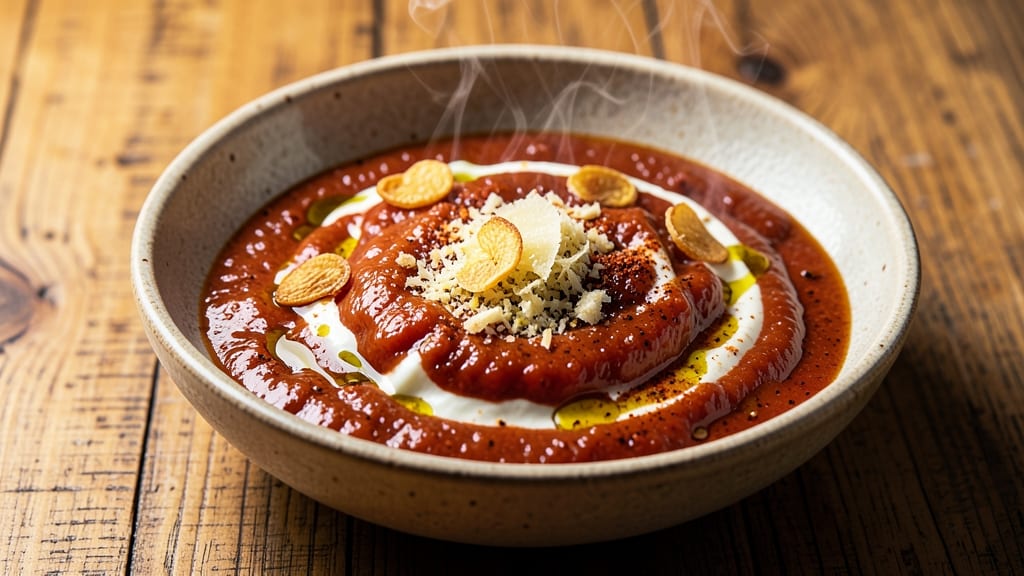
This CFA sauce recipe delivers the kind of deep, smoky richness that transforms ordinary dishes into something extraordinary—think creamy tomato base layered with slow-simmered depth and just the right amount of tang.
The secret lies in balancing canned tomatoes with cream and cheese while letting the flavors meld over 20 minutes of gentle heat, creating a sauce that clings perfectly to pasta, drizzles beautifully over pizza, or elevates grilled meats.
I developed this version after years of testing store-bought alternatives, and the difference is night and day.
The beauty of this sauce is its versatility—it works as a restaurant-quality pasta topping, a rich dip for breadsticks, or even a glaze for roasted vegetables. The slow simmer allows the flavors to develop fully, avoiding the metallic aftertaste that often plagues hurried recipes.
You’ll need just 8 ingredients, most of which you likely already have in your pantry, making this a foolproof project for any home cook.
What you’ll end up with is a velvety sauce that’s smooth yet complex, with a perfect balance of smoky, tangy, and creamy notes. The tomatoes provide the base, while the cream and cheese add richness, and a touch of garlic and onion powder ensures depth without overpowering.
This isn’t just a sauce—it’s a flavor multiplier that turns simple meals into something memorable.
Once you’ve mastered the technique, you can adjust the consistency by thinning with broth or thickening with a cornstarch slurry. Store leftovers in the fridge for up to 5 days or freeze for 3 months, making it the ultimate pantry staple. Let’s get cooking—your taste buds will thank you.
Ingredients for cfa sauce
Eight pantry staples transform into restaurant-quality sauce with just 20 minutes of patience.
| Ingredient | Amount | Notes |
|---|---|---|
| San Marzano Crushed Tomatoes 🍅 | 2 cans | 28 oz each, no salt added |
| Heavy Cream 🥛 | 1 cup | Full-fat for richness |
| Parmesan Cheese 🧀 | ¾ cup | Freshly grated from block |
| Smoked Paprika 🌶️ | 1 tbsp | For authentic smokiness |
| Garlic Powder 🧄 | 1 tsp | Freshly ground preferred |
| Onion Powder 🧅 | 1 tsp | Adds subtle sweetness |
| Extra-Virgin Olive Oil 🫒 | ¼ cup | For finishing drizzle |
| Diamond Crystal Kosher Salt 🧂 | ½ tsp | Adjust to taste |
The tomatoes are non-negotiable—San Marzano delivers that natural sweetness and acidity that store brands can't match. Grab the 28 oz cans (they're the standard size) from Whole Foods or any Italian market for the best quality. If you're using regular crushed tomatoes, strain out any large chunks for a silky texture. The heavy cream needs to be full-fat—none of that light stuff. I keep a small tub in my fridge at all times because it makes everything better. For the Parmesan, grate it yourself—pre-grated is full of anti-caking agents and won't melt as beautifully. If you're short on time, Parmigiano-Reggiano from the deli counter is worth the splurge.
No smoked paprika? Substitute with 1/2 tsp liquid smoke plus 1/2 tsp regular paprika—it's not identical, but close. Running low on garlic powder? Fresh minced garlic works at double the amount, but it burns easily, so sauté it separately first. The onion powder can be swapped for 1/2 tsp onion salt, but you'll need to adjust the overall salt at the end. For a tangier sauce, add 1 tbsp lemon juice at the finish. If you're making this ahead, reduce the cream to 1/2 cup and add it back later—prevents curdling during storage. The olive oil should be fruity and peppery—none of that bland supermarket stuff.
This sauce keeps beautifully—5 days in the fridge sealed in an airtight container, or 3 months frozen in ice cube trays for single servings. To reheat, warm gently on the stove with 1 tbsp water or broth to restore creaminess. I always make a double batch because it disappears so fast—pasta, pizza, grilled chicken, you name it. If the sauce gets too thick after reheating, thin with warm water or broth. The flavors actually improve overnight, so leftovers are my favorite part.
Why You'll Love This Recipe
- Pantry Magic: I swear by this sauce because it uses what I always have—no last-minute grocery runs. The San Marzano tomatoes alone make it taste like I simmered for hours, even though it’s just 15 minutes of stirring.
- Smoky Creamy Bliss: That smoked paprika and garlic powder combo? It’s the secret weapon. The heavy cream smooths it out while the Parmesan adds this nutty, salty punch that makes everything taste richer instantly.
- Game for Any Meal: Slather it on pasta, toss it with roasted veggies, or even use it as a dip—it’s my go-to for weeknights and lazy Sundays. Honestly, I’ve served it at potlucks, and no one ever asks what’s in it.
- Leftovers That Don’t Suck: This sauce actually improves the next day. The flavors meld even better, and it reheats like a dream. I make a double batch on Sundays so I’m not scrambling midweek—plus, it freezes perfectly for when I forget to thaw.
Instructions for slow-simmered CFA sauce
This sauce builds depth through patience—where the flavors meld into something richer than the sum of its parts.
Bloom the Spices in Olive Oil
Heat the 0.25 cup extra-virgin olive oil in a heavy-bottomed saucepan over medium-low heat. Add the 1 tablespoon smoked paprika, 1 teaspoon garlic powder, and 1 teaspoon onion powder, stirring constantly for 1 minute until the spices release their aroma and the oil takes on a warm, earthy hue.
Here's the thing—smoked paprika needs time to sing. If you rush this step, you'll miss that deep, campfire-like flavor that defines CFA sauce. Watch for the moment when the spices stop sizzling and begin to perfume the air—that's your cue to move forward.
Incorporate Tomatoes and Simmer
Pour in the 2 cans San Marzano crushed tomatoes, stirring to combine with the spiced oil. Increase heat to medium-high and bring to a gentle boil, then immediately reduce to low heat. Let it simmer uncovered for 20 minutes, stirring occasionally, until the sauce thickens slightly and the raw tomato acidity mellows into something sweet and balanced.
You'll notice the sauce darkening and developing a glossy sheen—that's the natural sugars in the tomatoes caramelizing. This is where the sauce transforms from simple tomato to something complex and layered. If it looks too thin at this point, resist the urge to add water; let it reduce naturally for maximum flavor concentration.
Add Cream and Parmesan
Reduce heat to lowest setting and whisk in the 1 cup heavy cream and 0.75 cup freshly grated Parmesan cheese. The sauce will bubble gently as the dairy comes to temperature. Let it simmer for another 10 minutes, stirring frequently, until the Parmesan melts completely and the sauce reaches a velvety consistency.
This is the moment that matters: the cream adds luxurious body while the Parmesan contributes a sharp, salty backbone. If you taste it now, you'll notice how the smoke from the paprika has infused the entire sauce, not just the surface. The sauce should coat the back of a spoon without being gluey—if it's too thick, whisk in 1-2 tablespoons of water to adjust.
Season and Finish
Remove the sauce from heat and stir in the 0.5 teaspoon Diamond Crystal kosher salt. Taste and adjust the seasoning—you might need a touch more salt to balance the acidity from the tomatoes and the richness of the cream. Let the sauce rest off heat for 5 minutes to allow the flavors to fully integrate.
For the finishing touch, I like to drizzle in an additional 1 tablespoon extra-virgin olive oil while the sauce is still warm. This adds a silky mouthfeel and helps distribute the flavors evenly. The sauce should now have a perfect balance: smoky depth from the paprika, creamy richness from the dairy, and a bright acidity from the tomatoes that cuts through the fat.
Serve Immediately or Store
Serve the sauce immediately over your choice of pasta, grilled meats, or roasted vegetables while it's still warm. If you need to store it, let it cool completely, then transfer to an airtight container. It will keep in the refrigerator for up to 5 days—though I promise you won't have leftovers that last that long.
Real talk: this sauce tastes even better the next day as the flavors continue to develop. If you reheat it, do so gently over low heat, stirring frequently to prevent scorching. A splash of water or pasta water can help restore its silky texture if it thickens too much during storage. The key is never to let it boil when reheating—just warm through until steaming hot.
Pro Tips For Making Cfa Sauce
- Simmer Slow and Steady: This sauce isn’t a race—low heat (around medium-low) is your friend. I learned this after watching my tomatoes curdle like a science experiment when I cranked the heat. Let it bubble gently for at least 20 minutes, stirring occasionally, so the flavors meld without breaking.
- Whisk in Cream Gradually: Heavy cream hates heat. Add it in small batches while stirring constantly, or you’ll end up with a greasy, separated mess. I now use a ladle to drizzle it in, keeping the sauce under 160°F (70°C) the whole time—yes, even if you’re impatient like me.
- Grate Parmesan Fresh: Pre-shredded Parmesan is packed with anti-caking agents that make your sauce taste like sawdust. Use a microplane or fine grater for a powdery finish—it dissolves better and adds real depth. (I keep a small block in the fridge just for this.)
- Toast the Garlic Powder: Bloom the garlic powder in a dry pan for 30 seconds before adding it to the sauce. It deepens the flavor without bitterness—like a warm-up act for the smoky paprika. Skip this, and your sauce will taste flat, even if everything else is perfect.
Regional styles of this recipe
Southern Smoky Style
In the American South, CFA sauce takes on a deeper, smokier profile inspired by traditional BBQ traditions. Add 1 tbsp apple cider vinegar and ½ tsp liquid smoke to the tomato base before simmering to amplify that campfire essence.
Top with chopped scallions and a sprinkle of crumbled bacon for a sauce that pairs perfectly with fried chicken or pulled pork. 🌶️
Italian-Inspired Tomato Cream
For a lighter, herb-forward version, swap the smoked paprika for 1 tsp dried oregano and ½ tsp red pepper flakes. Add 1 cup fresh basil leaves at the end, reserving some for garnish.
Finish with a drizzle of balsamic glaze—this works beautifully over fresh pasta or as a marinara alternative. The acidity from the tomatoes shines through without the smokiness.
Mexican-Inspired Chipotle Twist
Transform this sauce into a creamy salsa base by adding 1 chipotle pepper in adobo sauce (minced) and 1 tsp ground cumin with the spices. Use cotija cheese instead of Parmesan for a tangy kick, and finish with cilantro and lime juice.
This version is perfect for tacos, nachos, or as a dip for tortilla chips. The chipotle adds heat that lingers beautifully.
Creamy Buffalo Wing Sauce
For a spicy, tangy twist, reduce the Parmesan to ¼ cup and add ½ cup hot sauce (like Frank's RedHot) with the cream. Stir in 2 tbsp melted butter at the end for a velvety texture.
Serve warm with celery sticks and blue cheese dressing—this version is a crowd-pleaser at game day gatherings. The heat from the hot sauce balances the richness perfectly. 🔥
Vegetarian-Friendly Version
Skip the Parmesan and use ½ cup nutritional yeast for a cheesy flavor without dairy. Add 1 tbsp soy sauce to deepen the umami, and finish with toasted sesame oil for a nutty aroma.
This version works as a pasta sauce, stir-fry glaze, or dipping sauce for spring rolls. The soy sauce adds complexity that vegetarians will love.
Thai-Inspired Coconut Cream
Replace the heavy cream with 1 cup coconut milk and add 1 tbsp fish sauce (or soy sauce for vegetarian) and 1 tsp lemongrass paste. Finish with fresh Thai basil and a squeeze of lime.
This version pairs wonderfully with noodles, grilled tofu, or as a dipping sauce for satay. The coconut milk adds a tropical richness that’s completely unexpected but delicious. 🌴
Nutrition facts
Frequently asked questions
What makes CFA sauce different from other creamy tomato sauces?
The key difference is the smoked paprika and slow-simmering technique that develops deep, campfire-like flavor. Unlike quick marinara or Alfredo, this sauce builds complexity through 30 minutes of gentle heat, creating a velvety texture with balanced smokiness and tang. The Parmesan adds a sharp, salty backbone that sets it apart from milder creamy sauces.
Can I make this sauce without heavy cream for a lighter version?
Replace the 1 cup heavy cream with ½ cup Greek yogurt or ½ cup coconut milk for a lighter texture. The sauce will still be rich but with less fat. For extra tang, stir in 1 tbsp lemon juice at the end. The yogurt version works beautifully as a pasta sauce or dip.
How do I fix a sauce that's too thick or too thin?
For a thick sauce, whisk in 1-2 tablespoons warm water or broth until smooth. If it's too thin, mix 1 teaspoon cornstarch with 1 tablespoon water, stir into the sauce, and simmer for 2-3 minutes until it reaches your desired consistency. Always adjust heat gradually to avoid lumps or scorching.
Can I use this sauce as a marinade for meats?
Yes, but reduce the cream to ½ cup and add 1 tablespoon olive oil to help it cling. Marinate proteins like chicken or pork for 2-4 hours (not overnight) to avoid over-tenderizing. The smoky, creamy flavors work beautifully on grilled or baked meats, especially with a crispy skin.
What's the best way to reheat leftover sauce?
Gently reheat over low heat on the stove, stirring frequently to prevent scorching. Add 1 tablespoon water or broth to restore creaminess if needed. Never microwave—it can cause separation. For best results, reheat just until steaming, then adjust seasoning with a pinch of salt or a splash of lemon juice.