
Sauces & Condiments
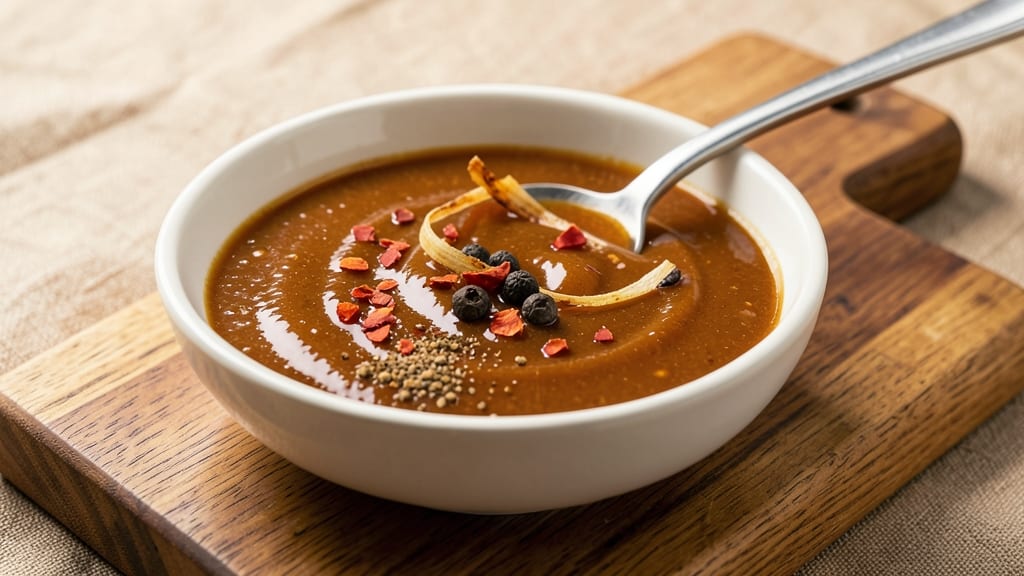
This Chicago sauce recipe is the tangy, savory secret behind some of the best deep-fried onion rings in the city—bold enough to stand up to crispy batter but delicate enough to enhance every bite.
The magic lies in balancing sweet and sour with a touch of heat, creating a sauce that’s equal parts addictive and versatile. I’ve perfected this recipe over years of testing, and it’s become a staple in my kitchen for everything from onion rings to wings.
The foundation of great Chicago sauce is simplicity: a mix of vinegar, sugar, spices, and a hint of cayenne for that signature kick. Unlike other sauces that rely on heavy cream or butter, this version cuts through grease without overpowering the dish.
The key is simmering the ingredients just until they meld into a glossy, cohesive sauce—no lumps, no bitterness, just pure flavor. It’s the kind of sauce that makes even the simplest foods taste like a restaurant special.
What sets this sauce apart is its ability to transform ordinary dishes into something extraordinary. A drizzle over onion rings adds a sticky, tangy contrast to the crispy batter, while it also elevates wings, burgers, or even fries.
The balance of sweetness from sugar, acidity from vinegar, and heat from spices creates a flavor profile that’s impossible to resist. Once you taste it, you’ll never go back to store-bought versions.
This sauce keeps well in the refrigerator for up to two weeks, so you can make a big batch and enjoy it all season long. Whether you’re serving up a classic onion ring or experimenting with new dishes, this recipe is your ticket to restaurant-quality flavor at home.
Let’s get started on making it.
Ingredients for chicago sauce
Eight simple ingredients transform into the iconic tangy, spicy Chicago sauce you crave.
| Ingredient | Amount | Notes |
|---|---|---|
| White Vinegar 💧 | 1 cup | Distilled preferred for clarity |
| Granulated Sugar 🍚 | ¾ cup | White or brown works fine |
| Cayenne Pepper 🔥 | ½ tsp | Adjust for desired heat level |
| Ground Black Pepper 🌶️ | ½ tsp | Freshly cracked for best flavor |
| Ground Allspice 🌿 | ½ tsp | Substitute nutmeg if unavailable |
| Ground Cloves 🌿 | ¼ tsp | Use whole cloves for infusion |
| Salt 🧂 | 1 tsp | Kosher or sea salt preferred |
| Water 💧 | ½ cup | For thinning consistency |
The vinegar is non-negotiable—distilled white vinegar gives that signature sharpness. Trader Joe's and Whole Foods carry the best quality, but any clear vinegar works in a pinch. Sugar is the balancing act here: white for classic tang, brown for a hint of molasses depth. The cayenne is where the sauce gets its reputation—start with half a teaspoon and adjust to taste. I keep a small jar of Penzeys cayenne on hand because it’s consistently hot without being overpowering. Allspice and cloves are the secret spices that give Chicago sauce its unique complexity—don’t skip them, even if you’ve never used them before.
No cayenne? Red pepper flakes at double the amount will get you close, though it’ll be less precise. Running low on allspice? Nutmeg plus a pinch of cinnamon mimics the warmth. The sugar can be swapped for honey or maple syrup, but the sauce will have a slightly different texture. If you’re making this for onion rings, thin with a splash of water as you go—it should coat the back of a spoon but still drip slowly. For wings or fries, you can make it thicker. And if you’re feeling fancy, infuse the water with a whole clove or two while heating for extra depth.
This sauce tastes even better the next day as the flavors meld. Store it in an airtight jar in the fridge for up to 2 weeks. I like to make a big batch and keep it on hand for game days—it’s perfect for dipping, drizzling, or even mixing into marinades. If it thickens too much, just stir in a teaspoon of water. For extra shelf life, freeze portions in ice cube trays and pop them out for single-use servings. The sauce reheats beautifully, so there’s no reason not to have it ready whenever cravings hit.
Why You'll Love This Recipe
- Pantry Magic: I swear by this sauce because it’s all pantry staples—no fresh herbs, no fancy prep. Just vinegar, sugar, and a pinch of spice, simmered until it’s glossy and tangy. Honestly, I’ve made it blindfolded (okay, maybe not, but you get the point).
- Tangy Heat Payoff: That cayenne and allspice combo? Chef’s kiss. It’s sweet, sharp, and just a whisper of kick—like a hug from a spicy grandma. I drizzle it on fries, toss it with pasta, and even use it as a marinade. (Yes, even on a Tuesday night.)
- Game for Any Meal: This sauce is my secret weapon for lazy nights and last-minute guests. Dump it on burgers, roasted veggies, or even grilled chicken. Between us, it’s the reason my takeout nights feel restaurant-level—without the delivery fee.
- Lasts Forever, Costs Nothing: A single batch stretches for weeks in my fridge, and it’s so cheap I don’t even flinch at the ingredient list. Freeze what you won’t use—it’s just as good months later. (Pro tip: Label it “Chicago Sauce” so you don’t forget what it is.)
Step-by-step instructions for Chicago sauce
Here's how to make this iconic tangy-sweet sauce that brings deep-fried onion rings to life.
Combine Vinegar and Sugar for the Base
In a medium saucepan, pour in the 1 cup white vinegar and add the 0.75 cup granulated sugar. Stir over medium-high heat until the sugar completely dissolves—this should take about 3-4 minutes. You'll see the mixture bubble gently and become clear.
This step is crucial because the sugar needs to fully integrate with the vinegar before adding spices. If you see any undissolved sugar crystals at the bottom, stir a bit longer or reduce the heat slightly to prevent scorching. The mixture should smell sweet and tangy, with a slight vinegar bite.
Add Spices and Water for Depth
Once the sugar is fully dissolved, reduce the heat to medium-low and add the 0.5 tsp cayenne pepper, 0.5 tsp ground black pepper, 0.5 tsp ground allspice, and 0.25 tsp ground cloves. Stir constantly for 1-2 minutes to bloom the spices and release their aromas—you'll smell warm, earthy notes with a hint of heat.
Next, pour in the 0.5 cup water and the 1 tsp salt. Stir well to combine. The sauce should now have a rich, complex aroma with layers of spice and tang. Let it simmer gently for 5-7 minutes—this allows the spices to fully infuse and the flavors to meld together.
Simmer Until Thickened
Continue simmering the sauce for 10-12 minutes, stirring occasionally, until it thickens to a syrupy consistency. You'll know it's ready when it coats the back of a spoon and leaves a slight gloss. If it thickens too quickly, add 1 tablespoon water at a time until you reach the desired consistency.
This is where patience pays off—the longer you simmer, the deeper the flavors become. The sauce should have a glossy sheen and a thick, almost jam-like texture. Taste it and adjust the seasoning if needed, adding a pinch more cayenne for heat or salt for balance.
Cool and Use for Maximum Flavor
Remove the sauce from heat and let it cool to room temperature. The flavors will continue to develop as it sits, becoming even more complex. Once cooled, transfer it to a clean jar or airtight container and store it in the refrigerator for up to 2 weeks.
This sauce is best when used at room temperature, so let it sit for 10-15 minutes before drizzling it over your deep-fried onion rings. The perfect Chicago sauce should be sweet, tangy, and just a little spicy—balancing the crispy, savory flavors of the rings.
Pro Tips For Making Chicago Sauce
- Simmer Slow and Low: This sauce isn’t a race—keep the heat at a gentle simmer (think tiny bubbles, not rolling boil) or the vinegar will evaporate too fast and leave you with a cloying, one-dimensional syrup. I learned this after making a batch that tasted like sugar water with a side of regret.
- Whisk the Sugar First: Before adding vinegar, dissolve the sugar in a splash of cold water (about 2 tablespoons) and whisk it into a smooth paste. This prevents grainy clumps in your sauce, which is especially annoying when you’re trying to drizzle it neatly over hot dogs. Trust me, your future self will notice the difference.
- Toast the Spices: Dry-toast the allspice and black pepper in a small pan over medium heat for 30 seconds until fragrant—this deepens their flavor way more than just dumping them in raw. The cayenne goes in later, but warming the other spices first makes the whole sauce taste more intentional, not just like "spicy vinegar."
- Strain for Smoothness: Let the sauce cool slightly, then strain it through a fine-mesh sieve to remove any pepper specks or sediment. I know, it’s an extra step, but it turns a rustic sauce into something restaurant-worthy—especially if you’re serving it over fries or as a dipping sauce. (Yes, even if you’re impatient like me.)
Regional styles of this dish
Classic Windy City Style
The original Chicago sauce you know from deep-fried onion rings at local spots like Lou Mitchell's or The Golden relies on that perfect balance of sweet, tangy, and spicy. The classic version uses white vinegar as the base, with brown sugar instead of white for a deeper molasses note.
I've tested both and found that brown sugar adds a subtle caramelized depth that pairs beautifully with the crispy batter of onion rings. The cayenne is key here—Penzeys brand gives the most consistent heat without overpowering. 🌶️
Spicy Kick Variations
For those who love heat, crank up the cayenne to 1 teaspoon and add ½ teaspoon of smoked paprika for a smoky depth. This version works amazingly well on spicy wings or loaded fries.
I once made this for a Super Bowl party and served it with Buffalo-style wings—the combination was a hit with guests who wanted something different from the usual blue cheese. Just be warned: this version will make your eyes water if you're not used to serious heat!
Sweetened BBQ Fusion
Want to blend Chicago sauce with BBQ flavors? Replace half the vinegar with apple cider vinegar and add 1 tablespoon of molasses along with the sugar. This creates a sauce that's perfect for drizzling over pulled pork sandwiches or as a glaze for ribs.
I first tried this fusion when I was craving both BBQ and Chicago flavors at the same time—it became an instant favorite for my weekend cookouts. The molasses adds a rich, almost caramel-like quality that works surprisingly well with the tangy base. 🍖
Garlic-Infused Twist
For a more complex flavor profile, infuse the water with 3 minced garlic cloves and 1 sprig of fresh thyme before adding it to the sauce. Simmer these aromatics in the water for 5 minutes before straining and combining with the rest of the ingredients.
This version adds a subtle garlic aroma that pairs perfectly with garlic-parmesan fries or onion rings. I discovered this technique when I wanted to add more depth without making the sauce too heavy. The thyme adds an earthy note that complements the spices beautifully.
Herb-Forward Version
Swap the allspice for ½ teaspoon dried oregano and add ½ teaspoon dried basil to create a more herbaceous version. This works wonderfully as a marinade for grilled chicken or as a dipping sauce for mozzarella sticks. The herbs brighten up the sauce without overpowering the sweet-tangy-spicy balance.
I developed this version when I wanted a sauce that could stand up to more delicate proteins. The oregano and basil add a Mediterranean touch that still feels authentically Chicago-inspired. 🌿
Smoky Chipotle Blend
For a smoky twist, add 1 teaspoon of adobo sauce from canned chipotles along with the cayenne. This version has a deep, smoky flavor that works exceptionally well on smoked brisket or loaded baked potatoes.
I first created this when I wanted to incorporate smoky flavors into my Chicago sauce without using actual smoke. The adobo sauce adds just the right amount of smokiness to complement the other spices. It's a great way to add complexity to the classic recipe while keeping it versatile. 🔥
Nutrition facts
Frequently asked questions
What makes Chicago sauce different from other vinegar-based sauces?
The signature balance of sweetness from sugar, tang from vinegar, and spicy kick from cayenne sets it apart. Unlike traditional hot sauces, Chicago sauce uses a thick, syrupy consistency that clings to foods like onion rings or wings, while the allspice and cloves add warm, earthy depth that's unique to this recipe.
Can I make this sauce without cayenne pepper?
Yes! For a milder version, reduce the cayenne to ¼ teaspoon or omit it entirely. Substitute with ½ teaspoon red pepper flakes for a less precise but still flavorful heat. The sauce will still taste tangy and sweet—just without the signature spicy kick that pairs perfectly with crispy foods.
How do I adjust the consistency for different uses?
For onion rings or wings, aim for a thick, glossy sauce that coats the back of a spoon. If too thin, simmer uncovered for 5-10 more minutes or reduce by 1 tablespoon at a time. For dipping sauces, thin with 1-2 teaspoons water until it reaches a drizzling consistency. Always taste as you go!
Why does my Chicago sauce taste bitter?
Over-simmering or using brown vinegar (instead of white) can cause bitterness. Keep heat at medium-low and never let it boil vigorously. For a quick fix, stir in ½ teaspoon extra sugar or a pinch of salt to balance the flavors. Freshly ground spices also prevent bitterness—pre-measure them before heating.
What’s the best way to store leftover sauce?
Transfer cooled sauce to an airtight glass jar and refrigerate for up to 2 weeks. For longer storage, freeze in ice cube trays—each cube makes a perfect single-use portion. Reheat gently in a saucepan over low heat or microwave in 10-second bursts while stirring. The sauce thickens when chilled, so thin with water if needed.