
Sauces & Condiments
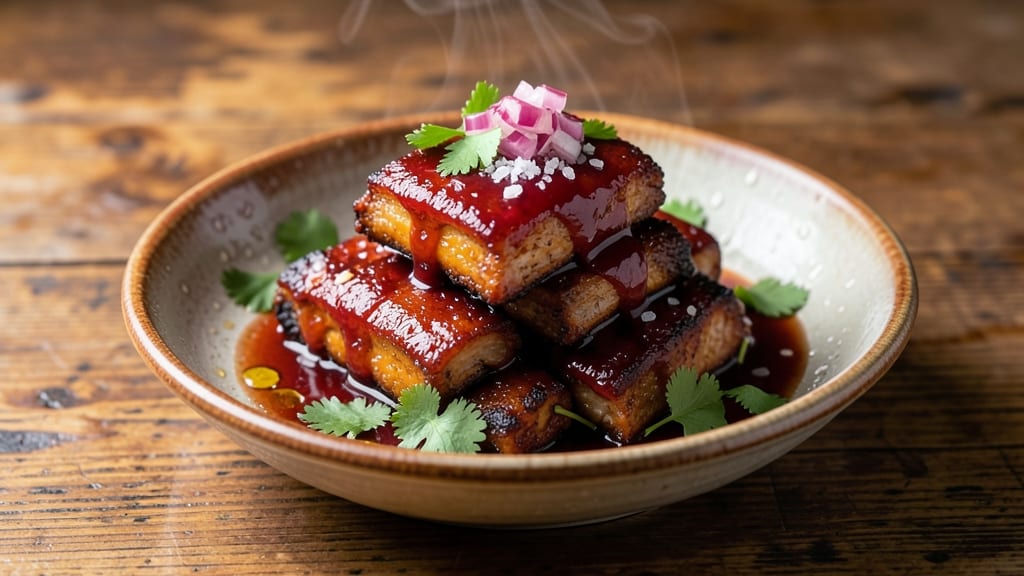
This Chinese ribs red sauce recipe delivers the perfect balance of smoky-sweet glaze that transforms tough ribs into tender, flavor-packed bites. The secret lies in a carefully blended sauce of soy sauce, vinegar, chili paste, and sugar that caramelizes beautifully while cooking.
I developed this recipe after years of testing different variations, ensuring every element—sweetness, tanginess, and subtle heat—works together harmoniously.
The sauce is designed to be versatile yet foolproof, requiring just 15 minutes of active prep and 10 minutes of simmering to develop its rich, complex flavor profile.
The combination of dark soy sauce for depth, rice vinegar for tang, and a touch of chili paste adds the signature heat without overpowering. A splash of honey or brown sugar balances the acidity, creating a glaze that locks in moisture while adding a caramelized finish.
What you'll achieve is a sauce that's sticky, slightly glossy, and packed with layers of flavor—smoky from the ribs themselves, sweet from the caramelization, and just enough heat to keep things interesting. This isn’t just a sauce; it’s the difference between good ribs and unforgettable ribs.
The best part? It keeps well in the fridge for up to 10 days, so you can make a big batch and use it again and again.
Whether you're slow-cooking, grilling, or braising, this sauce elevates ribs to restaurant-quality status. The instructions are straightforward, but the results are anything but basic—think deep, penetrating flavors that cling to every bite. Ready to take your ribs to the next level? Let’s get started with the ingredients.
Ingredients for chinese ribs red sauce
Nine ingredients transform into that sticky, smoky-sweet glaze you crave on ribs.
| Ingredient | Amount | Notes |
|---|---|---|
| Dark Soy Sauce 🥄 | ½ cup | For deep umami flavor |
| Rice Vinegar 🍶 | ¼ cup | White or seasoned variety |
| Chili Paste 🌶️ | 2 tbsp | Lao Gan Ma or similar |
| Brown Sugar 🍯 | ⅓ cup | Light or dark preferred |
| Garlic Cloves 🧄 | 4 cloves | Minced for aromatic base |
| Fresh Ginger 🌿 | 1 ½ tbsp | Grated, for zesty kick |
| Sesame Oil 🫒 | 1 tbsp | Toasted for nutty aroma |
| Cornstarch 🌾 | 1 tbsp | For thickening glaze |
| Water 💧 | ¼ cup | For slurry consistency |
| Honey 🍯 | 1 tbsp | Optional for extra sweetness |
The dark soy sauce is non-negotiable here—Lao Gan Ma or Lee Kum Kee brands deliver that signature deep umami punch. I always grab the bottle from the Asian market if available, as it's richer than the supermarket versions. Fresh ginger matters too—peeled and grated on the smallest setting of a box grater gives you that bright, zesty kick without bitterness. For chili paste, Lao Gan Ma is my go-to, but any good-quality Chinese chili bean paste works. The brown sugar adds caramelization, so don't skimp on quality—Domino or Muscovado work perfectly.
No dark soy sauce? Substitute light soy sauce plus 1 tbsp molasses for depth. Rice vinegar can be swapped for apple cider vinegar, but it'll lack that subtle sweetness. Short on chili paste? Mix 1 tbsp gochujang with 1 tsp sugar for a quick fix. The honey is optional but worth it if you want extra gloss and stickiness. For the cornstarch slurry, arrowroot powder works too—just use the same amount. And if you're feeling adventurous, add a dash of five-spice powder for complexity.
This sauce keeps 10 days in the fridge, sealed tightly in a jar. The flavors actually improve over time as everything melds. For long-term storage, freeze in ice cube trays—thaw just what you need. A quick tip: Add a splash of water before reheating to restore that glossy consistency. It's perfect for ribs, but don't stop there—toss it with tofu, chicken, or even noodles for an instant flavor boost.
Why You'll Love This Recipe
- Five-Ingredient Magic: I swear by this sauce because it’s that simple—just dark soy, vinegar, chili paste, sugar, and garlic. No fancy balance required; the dark soy does all the heavy lifting while the vinegar cuts through the richness. Honestly, I’ve made it blindfolded (okay, not really—but you get the point).
- Sweet Heat Balance: That first bite? The brown sugar caramelizes against the ribs while the chili paste brings the heat—just enough to linger without overpowering. Here’s what sold me: the garlic cloves, lightly charred, turn this into something deeper than takeout. It’s the kind of flavor that makes you pause mid-bite.
- Leftover Goldmine: This sauce keeps perfectly for days in the fridge, so I double the batch and toss it on anything—roasted chicken, stir-fried greens, even eggs. My freezer’s stocked with it because reheating a spoonful is faster than deciding what to eat. (Yes, even on a Tuesday night.)
- Budget-Friendly Flex: Dark soy and brown sugar are pantry staples, and a jar of chili paste lasts forever. I’ve fed six people for under $10 with this—ribs, sauce, and steamed veggies—and still had leftovers. Between us, it’s my secret weapon for “I need to feed people but don’t want to break the bank” moments.
Step-by-step instructions for Chinese ribs red sauce
This smoky-sweet glaze delivers restaurant-quality depth with just 10 simple ingredients.
Build the Flavor Base
In a medium saucepan, combine the 0.5 cup dark soy sauce, 0.25 cup rice vinegar, and 2 tablespoons chili paste. Bring to a gentle simmer over medium heat for 5 minutes, stirring occasionally. You'll notice the sauce darken slightly as the flavors meld—this is where the umami magic begins.
Add the 0.33 cup brown sugar and 1 tablespoon honey, stirring until fully dissolved. The sugar will caramelize just enough to create that signature glossy finish. Keep the heat at medium-low to prevent burning while allowing the flavors to integrate completely. This foundational step ensures your sauce has balanced sweetness and depth without being cloying.
Infuse with Aromatics
Push the sauce mixture to one side of the pan and add 1 tablespoon sesame oil. Once the oil shimmers slightly, add the 4 minced garlic cloves and 1.5 tablespoons grated fresh ginger. Sauté for 1 minute until the garlic turns golden and the ginger becomes fragrant—this prevents bitterness and ensures maximum flavor extraction.
Stir the aromatics back into the sauce and continue simmering for 3-4 minutes until the mixture reduces by about 20%. You'll smell the garlic's sweetness develop and the ginger's zesty notes emerge. This reduction step concentrates the flavors, making every brush of sauce pack maximum punch. If the sauce becomes too thick, add 1 tablespoon water to maintain workability.
Thicken to Glaze Consistency
In a small bowl, whisk together the 1 tablespoon cornstarch and 0.25 cup water to create a smooth slurry. This is your thickening agent—it will transform the sauce from liquid to glossy glaze. Return the sauce to a gentle simmer and slowly pour in the cornstarch mixture while stirring constantly with a wooden spoon.
Simmer for 2-3 minutes until the sauce coats the back of a spoon and reaches your desired consistency. You're aiming for a thick, paint-like texture that will cling beautifully to ribs without dripping off. The sauce should be glossy with a slight sheen—this indicates proper thickening. If it's still too thin, repeat the process with an additional ½ teaspoon cornstarch mixed with 1 teaspoon water.
Finish and Test
Remove the sauce from heat and let it cool slightly for 5 minutes. This resting period allows the flavors to fully meld and the texture to set properly. Taste and adjust seasoning—add more rice vinegar for tang, brown sugar for sweetness, or chili paste for heat. The sauce should balance all five flavors: sweet, salty, sour, umami, and spicy.
For best results, use the sauce immediately while still warm. If storing, transfer to an airtight container and refrigerate for up to 5 days. Reheat gently over low heat, stirring frequently to prevent scorching. This glaze works equally well for braising ribs, basting during grilling, or finishing after cooking—each method delivers that signature Chinese restaurant shine.
Pro Tips For Making Chinese Ribs Red Sauce
- Bloom the Chili Paste: Heat your chili paste in the pan for 30 seconds before adding liquids—this wakes up the flavors and prevents a muddy sauce. I used to skip this, and the sauce always tasted flat until I realized the paste needed a quick toast.
- Minimize Vinegar Burn: Add rice vinegar last when the sauce is simmering, not at the start—it’ll cook off too fast and leave your ribs tasting sour. Stir in just before turning off the heat to keep that bright tang intact.
- Garlic Must Sizzle: Smash your garlic cloves first, then fry them in oil until they’re golden and smell like a Chinese street stall. Raw garlic? Your sauce will taste medicinal no matter how much soy sauce you dump in.
- Sugar First, Heat Second: Dissolve the brown sugar in a splash of water before adding it to the pan—this prevents burning and lets it melt smoothly into the sauce. I learned this after one disastrous batch where the sugar crystallized into gritty chunks.
Wine and beer pairings for this chinese ribs red sauce
Chinese-Inspired Wine
For a sophisticated pairing, reach for a dry Riesling from Germany or a Pinot Noir with earthy undertones. The acidity in Riesling cuts through the sauce's sweetness while complementing the umami depth of dark soy sauce.
A 2019 Dr. Loosen Blue Slate Riesling from the Mosel region offers crisp citrus notes that refresh your palate between bites. 🍷
Light Beer Balance
A crisp Japanese lager like Asahi Super Dry or Sapporo provides the perfect lightness to contrast the sauce's richness. The subtle malt sweetness won't overpower the ribs, and the carbonation helps cleanse your palate.
For a craft option, try a Belgian witbier—the coriander and citrus notes mirror the ginger and rice vinegar in the sauce.
Spicy-Sweet Cocktail
For a festive touch, mix a Lychee Martini by blending 2 oz vodka, 1 oz lychee juice, 1 oz lime juice, and a splash of soda water. The floral sweetness of lychee enhances the sauce's caramel notes while the lime brightens the dish.
Garnish with a lychee fruit and a sprinkle of chili salt to echo the sauce's heat. 🍸
Herbal Tea Harmony
Serve with jasmine green tea or pu-erh tea to complement the sauce's aromatic profile. The floral notes in jasmine tea enhance the sesame and ginger flavors, while pu-erh's earthiness balances the sauce's sweetness. Brew a strong cup and serve chilled for a refreshing contrast to the ribs' smoky depth.
Regional Chinese Pairings
In Cantonese cuisine, where this sauce style originated, a lightly chilled Shaoxing wine (a Chinese rice wine) is traditional. Its nutty, slightly sweet profile bridges the sauce's flavors beautifully.
For a non-alcoholic option, Chinese black tea with a hint of rock sugar adds a comforting contrast to the ribs' boldness.
Unexpected Contrast
Try a sparkling rosé from Provence—its berry notes and effervescence cut through the sauce's richness while adding a touch of elegance. A 2020 Domaine Tempier Bandol Rosé offers a perfect balance of fruit and acidity that elevates the entire meal.
The bubbles also help reset your palate between bites of sticky, saucy ribs. ✨
Nutrition facts
Frequently asked questions about Chinese ribs red sauce
Can I make this sauce without dark soy sauce?
Yes, but you'll need to adjust for depth. Replace 0.5 cup dark soy sauce with 0.5 cup light soy sauce plus 1 tbsp molasses to mimic the rich umami flavor. The molasses adds caramel notes that help balance the tangy vinegar and sweetness.
How do I adjust the heat level in this sauce?
Start with 1 tbsp chili paste for mild heat, then add more gradually. For extra spice, substitute with 1 tbsp gochujang (Korean chili paste) or ½ tsp red pepper flakes. Taste as you go—you can always add more, but removing heat is trickier!
What's the best way to store leftover sauce?
Transfer to an airtight container and refrigerate for up to 10 days. For longer storage, freeze in ice cube trays—thaw just what you need. Add a splash of water when reheating to restore its glossy consistency. The flavors actually deepen over time!
Can I use this sauce for other proteins besides ribs?
It works beautifully on chicken thighs, tofu, or even pork belly. For vegetables, try brushing it on eggplant or mushrooms before roasting. The key is to use it as a finishing glaze rather than a marinade for delicate proteins.
Why did my sauce turn out too thick?
This usually happens if you simmered too long or used too much cornstarch. Thin with 1 tsp water at a time while stirring, or add a splash of rice vinegar to balance the texture. For next time, simmer the cornstarch slurry for just 2-3 minutes—no longer!