
Sauces & Condiments
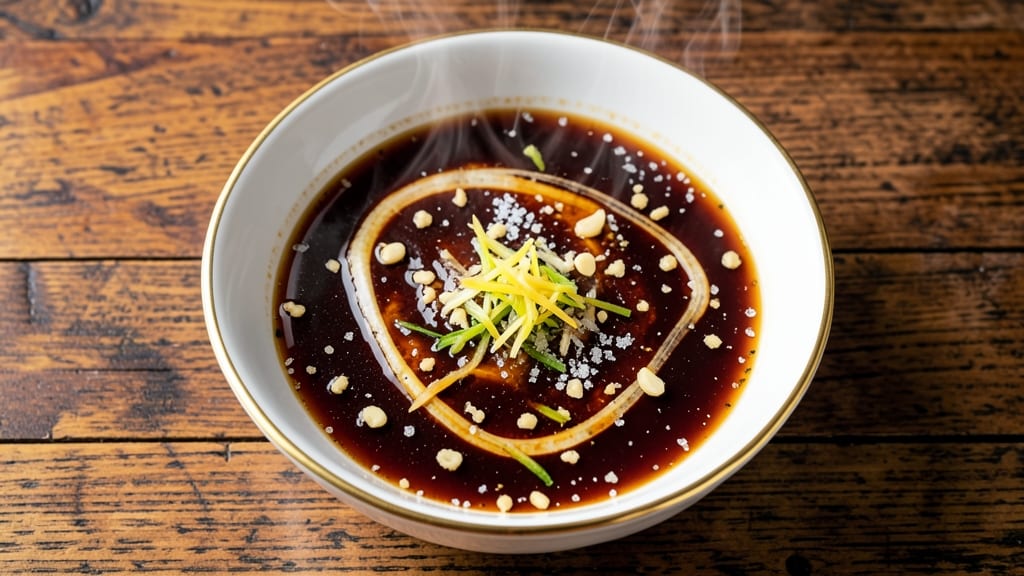
This Chinese takeout sauce recipe captures the sweet-spicy umami bomb you crave from your favorite takeout spot—ready in just 15 minutes with simple pantry staples. The secret lies in balancing soy sauce, vinegar, and sugar while building layers of depth with garlic, ginger, and a touch of chili.
I developed this version after years of tweaking store-bought sauces that never quite hit the mark.
The sauce starts with a simmered base of soy, vinegar, and sugar, then gets elevated with aromatics and a splash of sesame oil for that signature takeout richness.
Unlike bottled versions, this recipe delivers bold, restaurant-quality flavor without artificial additives. The texture is silky yet clings perfectly to noodles, dumplings, or stir-fries.
What makes this sauce truly special is its versatility—use it as a dipping sauce, stir it into fried rice, or drizzle it over steamed veggies.
The ingredients are straightforward, but the technique ensures maximum flavor extraction without overpowering your dish. Once you taste the difference, you’ll never go back to store-bought.
Store leftovers in an airtight container for up to one week, or freeze for longer shelf life. The sauce thickens slightly when refrigerated, so stir before using. Let’s make this homemade takeout sauce that’ll have everyone asking for the recipe.
Ingredients for chinese takeout sauce
Nine pantry staples transform into that addictive takeout sauce you can't live without.
| Ingredient | Amount | Notes |
|---|---|---|
| Light Soy Sauce 🥢 | ½ cup | Kikkoman preferred for authentic flavor |
| Dark Soy Sauce 🥢 | 1 tbsp | For deeper umami richness |
| Rice Vinegar 🍶 | ⅓ cup | White or seasoned variety |
| Granulated Sugar 🍚 | ¼ cup | Or light brown sugar |
| Garlic Cloves 🧄 | 4 cloves | Minced for maximum flavor |
| Fresh Ginger 🌿 | 1 tbsp | Finely grated, not powdered |
| Sesame Oil 🫒 | 1 tbsp | Toasted sesame for aroma |
| Red Chili Flakes 🌶️ | 1 tsp | Adjust for heat preference |
| Cornstarch 🌾 | 1 tsp | For silky texture |
| Water 💧 | ¼ cup | Room temperature preferred |
The soy sauces are non-negotiable for that signature takeout taste. Kikkoman light soy sauce is my go-to—it's what you'll find in most authentic Chinese restaurants. For the dark soy, Lee Kum Kee or La Choy work perfectly. Grab the white rice vinegar from the Asian aisle (not the balsamic vinegar substitute), and trust me, it makes all the difference. The sugar should dissolve completely—no graininess here. Fresh ginger and garlic are worth the extra minute to grate and mince; powdered ginger just won't cut it. If you're in a rush, use freshly minced garlic from a jar (the kind with no preservatives).
No sesame oil? Toasted sesame seeds mixed with neutral oil works in a pinch—just blend a teaspoon of seeds with a tablespoon of oil. Too much heat? Swap the red chili flakes for Sichuan peppercorns (crushed) or even a pinch of cayenne. The cornstarch is your secret weapon for that silky texture—don't skip it. If you're making a big batch, double the cornstarch and water ratio to keep it smooth. And if you're out of rice vinegar, apple cider vinegar plus a pinch of sugar gets you close, though it won't be identical.
This sauce tastes even better the next day as the flavors meld. Store it in an airtight container in the fridge for up to one week, or freeze in ice cube trays for 3 months—perfect for single-use portions. Stir before using, as it thickens when chilled. I always make a double batch—one for immediate use, one to freeze. The leftovers keep beautifully in the freezer, ready to elevate any takeout-inspired meal.
Why You'll Love This Recipe
- Five-Ingredient Magic: I swear by this combo—just soy sauces, vinegar, sugar, and garlic. No fancy gadgets, no stress. Honestly, I’ve made it wrong twice, but now it’s my go-to for instant flavor.
- Umami Bomb: That dark soy sauce? It’s what turns this from "okay" to "mind-blowing." The garlic hits hard but balances perfectly with the tangy vinegar and sweetness—like a flavor party in your mouth.
- Takeout Hack: Slather it on dumplings, toss with noodles, or drizzle over veggies. I keep a jar in the fridge because it’s my secret weapon for lazy nights or when I’m craving that restaurant taste without the takeout markup.
- Budget Booster: A splash of vinegar and a pinch of sugar stretch this sauce further than any store-bought bottle. I make a big batch—it lasts weeks, saves me money, and still tastes fresh every time. (Yes, even on a Tuesday night.)
Step-by-step instructions for Chinese takeout sauce
Here's how to create this addictive sauce that balances sweet, spicy, and umami in perfect harmony.
Prepare the Aromatics
In a small bowl, finely mince the 4 cloves garlic cloves and grate the 1 tablespoon fresh ginger using a microplane. The goal is to create a paste-like consistency that will infuse deeply into the sauce. I like to press the garlic and ginger through a sieve to remove any fibrous bits that might make the sauce grainy. Set this mixture aside - we'll use it to build the sauce's aromatic foundation.
While you're working with the aromatics, take a moment to toast the 1 teaspoon red chili flakes in a dry skillet over medium-low heat for about 30 seconds. This simple step deepens their flavor and removes any raw heat. Let them cool completely before adding to your sauce mixture - we don't want to shock the other ingredients with sudden heat spikes.
Build the Sauce Base
In a medium saucepan, combine the 0.5 cup light soy sauce, 1 tablespoon dark soy sauce, 0.33 cup rice vinegar, and 0.25 cup granulated sugar. Bring this mixture to a gentle simmer over medium heat, stirring constantly to dissolve the sugar completely. You'll notice the sugar crystals disappear and the liquid becomes slightly cloudy - this indicates proper dissolution. Let it simmer for 3-4 minutes until the mixture reduces slightly and begins to thicken.
Here's where the magic happens: add the minced garlic-ginger paste and toasted chili flakes to the simmering mixture. Stir well to distribute the aromatics evenly. The sauce should develop a rich, complex aroma that combines sweet, spicy, and umami notes. If you're sensitive to heat, taste the sauce now - you can always add more chili flakes later if needed. The sauce should be vibrant red from the dark soy sauce and chili, with a glossy sheen from the vinegar.
Thicken the Sauce
In a small bowl, whisk together the 1 teaspoon cornstarch with the 0.25 cup water until completely dissolved. This cornstarch slurry is what will give your sauce that perfect silky texture. Slowly pour the slurry into the simmering sauce while whisking constantly. The moment you add it, you'll see the sauce begin to thicken noticeably - this is your signal to keep whisking vigorously for about 1-2 minutes until it reaches a smooth, glossy consistency that coats the back of a spoon.
Add the 1 tablespoon sesame oil to the finished sauce and stir gently. The oil should be distributed evenly throughout, adding a nutty aroma and helping to balance the sauce's flavors. Taste and adjust the seasoning if needed - you might want to add a pinch more sugar for sweetness or a splash more rice vinegar for acidity. The sauce should be perfectly balanced between sweet, spicy, and umami with a smooth, velvety texture.
Finish and Rest
Remove the sauce from heat and let it cool to room temperature. This resting period allows the flavors to meld completely and the sauce to thicken further. I find that letting it sit for at least 15 minutes makes a noticeable difference in flavor development. While it rests, give it an occasional stir to prevent a skin from forming on the surface.
For best results, store the sauce in an airtight container in the refrigerator for up to 2 weeks. The flavors will continue to develop and deepen over time, making it even more complex with each day. When you're ready to use it, simply reheat it gently in a saucepan over low heat, stirring constantly until warmed through. This sauce works perfectly as a dipping sauce for spring rolls, a marinade for meats, or a glaze for stir-fried vegetables - its versatility makes it a true pantry staple.
Pro Tips For Making Chinese Takeout Sauce
- Mince That Garlic Fine: I learned this the hard way—chunky garlic just sits there like a bitter afterthought. Use a knife or press to get it into a paste before adding it to the sauce. It blends in smoothly and releases flavor evenly, not like you’re chewing on a garlic clove mid-bite.
- Start with Cold Soy: Dump your soy sauces straight from the fridge into the pan. Cold liquid cools the heat faster and prevents scorching, which turns your sauce into a bitter, burnt mess. Let it warm gradually while you prep the rest.
- Skip the Vinegar Rush: Adding rice vinegar at the end kills the garlic’s aroma. Stir in half the vinegar with the sugar first, let it bloom for 30 seconds, then add the rest. This balances the tang without wiping out the garlic’s punch.
- Use Dark Soy Last: Dark soy sauce burns faster than light—save it for the final 30 seconds of simmering. It adds color and depth, but if you add it too early, you’ll end up with a gloppy, overcooked sludge instead of that glossy, restaurant-quality finish.
Troubleshooting this dish
Sauce Too Thin?
If your sauce ends up too thin after simmering, don’t panic—simply whisk in an extra ½ teaspoon cornstarch mixed with 1 tablespoon water and return to heat for 1-2 minutes.
Stir constantly until thickened. For a quicker fix, reduce the sauce uncovered over medium-high heat for 3-5 minutes, stirring frequently. The key is patience—rushing causes lumps. 💡
Grainy Texture?
Graininess usually means undissolved sugar or cornstarch. If your sauce has sugar crystals, whisk in 1 teaspoon warm water and simmer for another 1-2 minutes. For cornstarch lumps, blend the sauce briefly with an immersion blender or strain through a fine-mesh sieve.
Always whisk the cornstarch slurry thoroughly before adding—clumps are the #1 cause of graininess. 🥄
Too Salty?
Balance excess salt by adding 1-2 tablespoons water or rice vinegar (which also brightens flavors). If the sauce is severely oversalted, stir in ½ teaspoon sugar to mellow the saltiness. Never add more vinegar alone—it’ll throw off the sweet-spicy balance. Taste as you go! 🧂
Not Spicy Enough?
Boost heat by stirring in ½ teaspoon extra red chili flakes or ¼ teaspoon cayenne pepper. For smoky depth, add ¼ teaspoon smoked paprika. If you want real kick, mash 1-2 fresh chili peppers (like Thai bird’s eye) into the sauce—just remove seeds for less heat. 🌶️
Sauce Separated?
Separation happens when oil and water split. Fix it by whisking vigorously while reheating the sauce over low heat for 2-3 minutes. For stubborn separation, blend briefly with an immersion blender or stir in 1 teaspoon cornstarch slurry.
Prevent this by adding sesame oil last and stirring gently. ⚡
Flavor Too Weak?
Revive flat sauce by adding 1 teaspoon dark soy sauce (for umami) or ½ teaspoon fish sauce (for depth). A splash of sesame oil or a pinch of white pepper can also elevate flavors. If it’s too weak, simmer uncovered for 5 extra minutes to concentrate the taste. 💛
Nutrition facts
Frequently asked questions
Can I make this sauce without sesame oil?
If you don’t have sesame oil, substitute with 1 teaspoon toasted sesame seeds blended with 1 tablespoon neutral oil. For a completely oil-free version, simply omit it—though you’ll lose some nutty depth. The sauce will still taste delicious, just slightly lighter.
How do I adjust the heat level for kids?
For milder versions, reduce the red chili flakes to just ¼ teaspoon or omit them entirely. Add a pinch of garlic powder instead for flavor without heat. Always taste as you go—you can’t take heat out, but you can always add more later.
What’s the best way to use leftover sauce?
This sauce keeps beautifully for 2 weeks refrigerated or 3 months frozen. Use it as a marinade for chicken, drizzle over noodles, or mix into fried rice. For frozen storage, portion into ice cube trays—perfect for single-use portions. Thaw overnight in the fridge before reheating.
Why does my homemade sauce taste different from takeout?
Restaurant versions often use MSG or hydrolyzed vegetable protein for extra umami. For closer results, add ½ teaspoon fish sauce or a pinch of white pepper. The real difference? Fresh ingredients always taste better than bottled versions.
Can I make this sauce vegan?
Yes! Use tamari or coconut aminos instead of soy sauce, and ensure your vinegar is vegan-certified. The rest of the recipe remains the same. For extra depth, add 1 teaspoon mushroom powder to replace umami from animal products.