
Sauces & Condiments
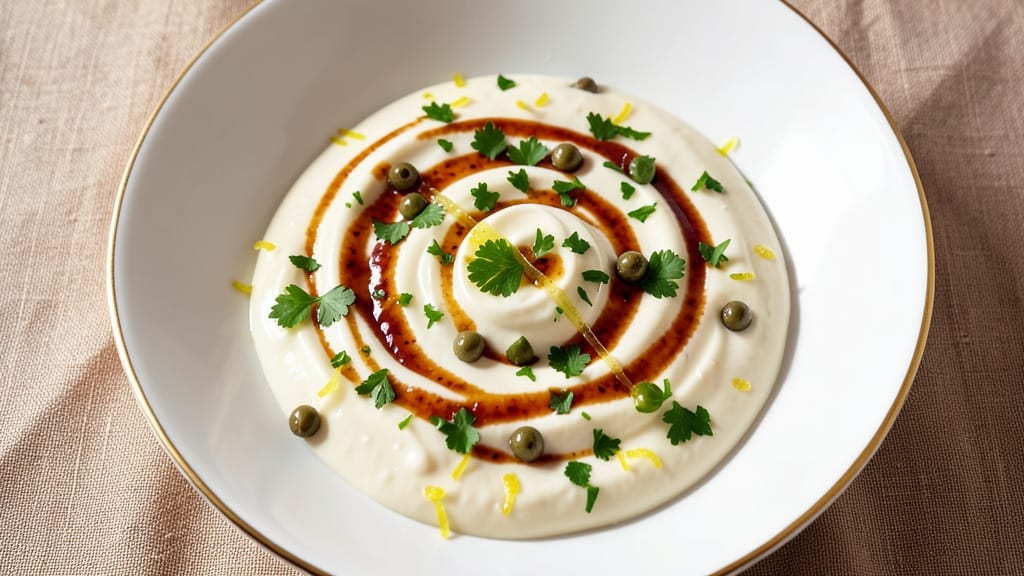
This classic remoulade sauce recipe delivers that perfect balance of creamy, tangy, and herby flavors that elevates everything from grilled shrimp to fried chicken. The secret lies in the careful blend of mayonnaise, mustard, and briny capers, which create a sauce that's both bold and refined—something you'll reach for again and again. I developed this version after years of testing, ensuring it stays true to tradition while being simple enough for weeknight meals.
What sets this remoulade apart is its herb-citrus brightness, achieved through fresh parsley, lemon zest, and a touch of hot sauce for depth. The sauce comes together in just 15 minutes, making it ideal for last-minute preparations without sacrificing flavor.
Unlike store-bought versions, this recipe uses real ingredients—no shortcuts—that transform ordinary dishes into something special.
Once you taste this sauce, you'll understand why it's a staple in seafood restaurants and backyard barbecues alike. The creamy texture coats every bite while the tangy, briny notes cut through rich proteins like shrimp, lobster, or even fried chicken.
It's the kind of sauce that makes you slow down and savor each mouthful, proving that simple ingredients can deliver restaurant-quality results.
Store it in an airtight container in the fridge for up to 5 days, or freeze for longer shelf life. Whether you're serving it as a dip, a topping, or a marinade, this remoulade will become your go-to sauce for bold, flavorful meals. Let's get started!
Ingredients for classic remoulade sauce
Nine essential ingredients transform into restaurant-quality remoulade sauce in minutes.
| Ingredient | Amount | Notes |
|---|---|---|
| Mayonnaise 🥛 | ¾ cup | High-quality, full-fat preferred |
| Dijon Mustard 🍯 | 2 tbsp | Mild or medium heat variety |
| Capers 🫒 | 2 tbsp | Chopped, brined or salt-packed |
| Fresh Parsley 🌿 | ¼ cup | Finely chopped, stems removed |
| Lemon Zest 🍋 | 1 tbsp | From 1 large organic lemon |
| Lemon Juice 🍋 | 1 ½ tbsp | Freshly squeezed from same lemon |
| Hot Sauce 🌶️ | 1 tsp | Crushed red pepper or Tabasco |
| Garlic Cloves 🧄 | 2 cloves | Minced, fresh preferred |
| Extra-Virgin Olive Oil 🫒 | 1 tbsp | For finishing, fruity variety |
| Salt 🧂 | ½ tsp | Diamond Crystal kosher preferred |
The mayonnaise sets the creamy foundation—Duke's or Hellmann's are my go-tos for that perfect balance. Capers bring the briny punch, so look for jarred capers in the international aisle if your regular store doesn't carry them. Fresh parsley is non-negotiable here; the bright green kind from the grocery store's produce section works best, but if you're in a pinch, frozen parsley (thawed and drained) is better than nothing. For lemon zest, organic lemons have thicker peels, so you'll get more flavor. The garlic? Freshly minced makes all the difference—pre-minced garlic from jars just doesn't cut it.
No capers? Chopped cornichons or pickled giardiniera add a similar tang. Short on parsley? Fresh dill or chives at half the amount work in a bind. The mustard can be swapped for whole-grain mustard for extra texture. If you're avoiding hot sauce, a pinch of cayenne pepper gives heat without liquid. For a smoother texture, blend everything except the olive oil and hot sauce first, then stir those in at the end. The sauce thickens as it chills, so add a splash of water or lemon juice if it gets too stiff.
This sauce keeps beautifully—5 days in the fridge sealed in an airtight container. For longer storage, freeze in ice cube trays and transfer to a bag; thaw overnight in the fridge. The flavors actually deepen after a day or two, so make extra and save it for next week's shrimp night. If it separates, just whisk vigorously—it'll come back together. The olive oil on top acts as a preservative, so don't skip that final drizzle.
Why You'll Love This Recipe
- Five-Ingredient Magic: I swear by this lineup—mayo, mustard, capers, parsley, and lemon zest. That’s it. No fancy gadgets, no last-minute grocery runs. Honestly, I keep everything in my pantry except the parsley, which I grow in a tiny pot by the window because it’s that easy to grab.
- Tangy, Briny Bliss: The capers pack a punch, but the lemon zest softens it into something addictive. That bright, salty-sweet balance? It’s the kind of flavor that makes you reach for seconds without even thinking—especially when drizzled over grilled shrimp or fried fish.
- Weeknight to Party Fix: Slather it on fish tacos for a quick dinner or serve it in a bowl at your next potluck. Between us, it’s the secret weapon I pull out when I need something that feels special but doesn’t require hours. (Yes, even on a Tuesday night.)
- Makes Leftovers Worth It: This sauce keeps like a dream—tight lid, fridge shelf, up to a week. I double the batch and save half for my next seafood night or to toss into a grain bowl when I’m too tired to cook. Budget-friendly? Absolutely. Zero waste? Even better.
Step-by-step instructions for classic remoulade sauce
This classic remoulade comes together in minutes with bold flavors that balance perfectly.
Combine Base Ingredients for Smooth Texture
In a medium bowl, whisk together the 0.75 cup mayonnaise and 2 tablespoons Dijon mustard until completely smooth. This foundational blend creates the sauce's signature velvety consistency. I like to use a wire whisk here—it incorporates air better than a spoon, giving you that light, luxurious texture.
Next, add the 2 tablespoons chopped capers and 2 cloves minced garlic. Stir well to distribute the briny, tangy capers and aromatic garlic evenly throughout the mixture. The capers will add that signature salty punch while the garlic builds depth. Let this sit for 2 minutes while you prepare the citrus components—this gives the flavors a chance to meld slightly before you add the fresh elements.
Incorporate Citrus and Herbs for Brightness
Zest the 1 tablespoon lemon zest directly into the bowl using a fine grater or microplane. This step is crucial—fresh zest carries far more aromatic compounds than bottled versions. Then add the 1.5 tablespoons freshly squeezed lemon juice and 0.25 cup finely chopped parsley. The parsley not only adds freshness but also brightens the sauce's color to that classic vibrant green.
Gently fold these ingredients together using a rubber spatula, being careful not to overmix. You want the parsley to remain visible as flecks throughout the sauce rather than turning it into a uniform green paste. The lemon's acidity will begin to cut through the richness of the mayonnaise, creating that perfect balance of flavors that defines remoulade.
Season and Finish with Heat
Add the 1 teaspoon hot sauce and 0.5 teaspoon kosher salt, then drizzle in the 1 tablespoon extra-virgin olive oil. The hot sauce introduces just the right amount of heat to complement the sauce's other flavors without overpowering them. Taste carefully at this stage—you're looking for a harmonious blend of tangy, briny, and slightly spicy notes.
If the sauce feels too thick, add 1 teaspoon water at a time until it reaches a smooth, spoonable consistency. It should coat the back of a spoon but still be vibrant in color. Here's where it gets fun—give it one final taste and adjust the seasoning if needed. I often find I need a touch more salt or lemon juice to perfect the balance. This sauce should sing with flavor, not just taste good.
Rest for Maximum Flavor Development
Cover the bowl and let the sauce rest at room temperature for at least 10 minutes. This resting period allows all the flavors to truly meld together. The capers will soften slightly, the garlic will mellow, and the lemon's acidity will integrate more smoothly with the mayonnaise's richness.
After resting, give it one final stir before serving. The sauce should now have that perfect balance of textures—smooth from the mayonnaise, briny from the capers, fresh from the herbs, and bright from the citrus. This classic remoulade pairs beautifully with grilled seafood, fried dishes, or even as a sandwich spread. The flavors will continue to develop even after serving, so make it just before you're ready to eat.
Pro Tips For Making Classic Remoulade Sauce
- Whisk, Don’t Stir: Remoulade needs air—literally. Stirring with a spoon packs the sauce too tightly and dulls the brightness. Use a whisk or fork to fold in ingredients gently, especially the lemon zest and parsley, so the sauce stays light and tangy. (Yes, even if you’re impatient like me.)
- Drain Those Capers: Skip this step, and your sauce will taste like swimming in brine. Rinse capers under cold water, then drain them in a fine-mesh strainer for 30 seconds. Pat them dry with a paper towel—wet capers add unwanted liquid and dilute the sauce’s punch.
- Balance the Mustard: Too much Dijon and your sauce turns bitter; too little and it’s bland. Start with 1 tablespoon per ½ cup mayonnaise, then adjust by the teaspoon. Taste as you go—remember, you’re building flavor, not just following a number.
- Zest, Don’t Juice: Lemon zest adds aroma; juice adds water. Use a fine grater or microplane to get just the yellow part—no pith—and measure it carefully. A teaspoon is enough; any more and you’ll end up with a soggy sauce. (I learned this after ruining a batch.)
Best sauces and condiments for these flavors
Seafood Pairings
This remoulade sauce shines brightest with grilled or fried seafood, where its briny, herby notes cut through delicate flavors. I love serving it with perfectly cooked shrimp—toss them in the sauce just before serving so they absorb that tangy, creamy goodness.
For a restaurant-worthy dish, pair it with blackened redfish or mahi-mahi, where the sauce's acidity balances the smoky char. 🦐
Grilled Meats
Don't limit remoulade to seafood—it elevates grilled chicken or pork chops beautifully. The sauce's richness complements the smoky flavors of the grill, while the capers and lemon add a refreshing contrast. I brush it on skinless chicken thighs during the last 2 minutes of grilling so they don't overcook.
For pork, serve it as a dipping sauce alongside crispy pork belly bites or as a marinade for pork tenderloin before grilling.
Sandwich Spread
Transform your next sandwich into a gourmet meal by using remoulade as a spread. Slather it generously on toasted baguette slices and layer with grilled chicken, avocado, and arugula for a French-inspired twist.
The sauce also works wonders in po'boys—I love it with fried oysters or shrimp on a crusty French roll. For extra crunch, sprinkle toasted breadcrumbs on top before serving.
Dipping Sauce
This sauce doubles as an irresistible dip for fried calamari, shrimp cocktails, or golden fries. The creamy texture clings perfectly to crispy foods while the tangy, briny flavors keep each bite exciting.
I serve it in a small bowl with a wooden spoon for easy scooping—it's especially popular at parties where guests can't resist seconds. For a smoky twist, add ½ teaspoon smoked paprika to the sauce before serving.
Marinade Magic
Use remoulade as a marinade for fish fillets or chicken breasts—the acidity tenderizes while the herbs infuse flavor. I marinate white fish like cod or halibut for 15-20 minutes before grilling or pan-searing.
For chicken, let it sit for 30 minutes to maximize flavor penetration. Always pat the protein dry before cooking to ensure a perfect sear. 🍗
Vegetable Dippers
Don't overlook vegetables! Remoulade pairs surprisingly well with roasted or steamed veggies like asparagus, Brussels sprouts, or even crispy cauliflower florets. The sauce's brightness contrasts beautifully with the earthy flavors of roasted vegetables.
I like to serve it with warm, buttery polenta as a dipping station—it's a crowd-pleaser at dinner parties. For extra flair, garnish with edible flowers or microgreens before serving.
Nutrition facts
Frequently asked questions
What's the secret to getting that perfect creamy texture in remoulade?
The key is using high-quality mayonnaise and whisking it thoroughly with the Dijon mustard first. This creates tiny air pockets that give the sauce its signature lightness. Also, let the sauce rest for 10 minutes before serving—this allows all the ingredients to fully meld and thicken naturally.
Can I make remoulade ahead of time?
This sauce actually tastes better after resting. Store it in an airtight container in the fridge for up to 5 days. The flavors deepen over time, making it perfect for meal prep. Just give it a quick whisk before serving to restore its smooth texture.
What can I use if I don't have capers?
No problem—try chopped cornichons or pickled giardiniera for a similar tangy, briny flavor. For a milder option, use ½ teaspoon of fish sauce (though this adds umami rather than saltiness). The sauce will still be delicious, just with slightly different depth.
Why does my remoulade turn out too thick?
This usually happens when the sauce sits too long without resting properly. Thin it with 1 teaspoon water or lemon juice at a time until it reaches a smooth, spoonable consistency. The sauce naturally thickens as it chills, so making it slightly thinner than desired initially helps prevent this issue.
Is remoulade sauce gluten-free?
Only if you use gluten-free mayonnaise and mustard. Most traditional recipes contain wheat-based ingredients, but you can easily adapt this by checking labels. The rest of the ingredients—capers, lemon, herbs—are naturally gluten-free. Always verify your specific brands to be safe.