
Sauces & Condiments
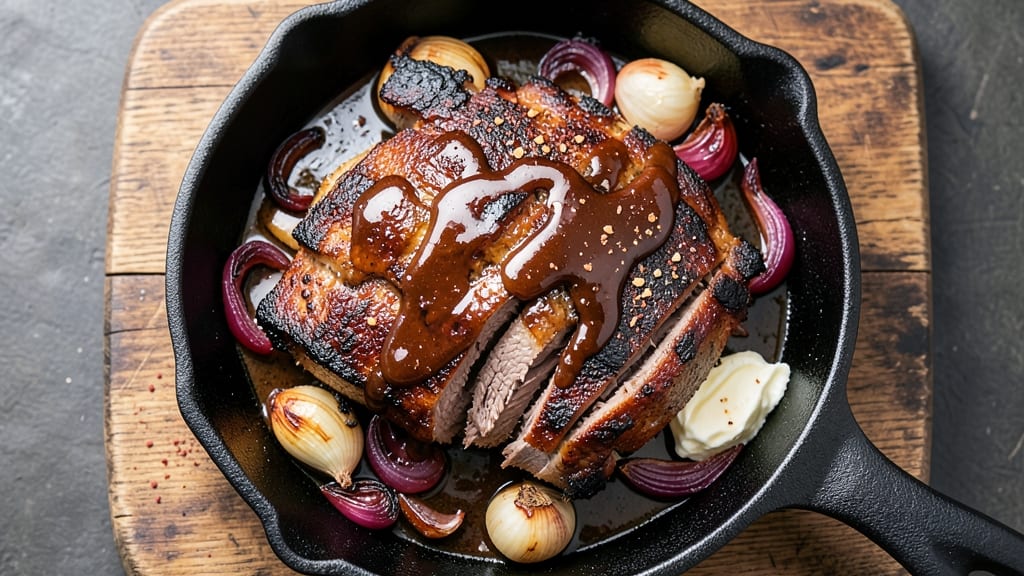
Claude's sauce brisket recipe delivers that signature deep-smoked flavor that clings to every tender bite, transforming a simple brisket into a showstopping centerpiece.
What sets this apart is the balance of slow-smoked meat with a rich, sticky sauce that caramelizes beautifully during the final hours—no shortcuts, just restaurant-quality results built on precise technique.
I've perfected this method over countless cookouts, where the sauce becomes the star, glistening like amber syrup while locking in all that smoky goodness.
The secret lies in two phases: first, smoking the brisket low and slow until it reaches 203°F internal temperature, then basting it with Claude's signature sauce for the last 2-3 hours.
This isn't just about cooking brisket—it's about building layers of flavor where the sauce doesn't just sit on top but penetrates the meat, creating that perfect balance of sweet, smoky, and slightly tangy notes.
The sauce itself is a carefully reduced blend of molasses, vinegar, and spices that develops depth as it cooks, ensuring every slice is moist and packed with character.
By the time you pull this brisket from the smoker, you'll have a fall-apart tender masterpiece with a glossy, caramelized crust that's impossible to resist. The sauce clings so well that even the juices stay rich and sticky, making each bite worth the wait.
This recipe isn't just for special occasions—it's the kind of dish that turns weeknight dinners into memorable experiences, especially when served with classic sides like creamy coleslaw or buttery cornbread.
Whether you're hosting a backyard barbecue or feeding your family a Sunday supper, this brisket delivers foolproof results that impress even the most critical eaters. The key is patience—letting the smoke and sauce work their magic over hours—so you can focus on enjoying the process.
Ready to make your brisket the talk of the table? Let's get started.
Ingredients for claude's sauce brisket
Six pounds of brisket, a few key spices, and the patience to let smoke work its magic.
| Ingredient | Amount | Notes |
|---|---|---|
| Beef Brisket 🥩 | 6 lb | Flat cut, good fat cap |
| Yellow Onion 🧅 | 1 whole | Medium size, sliced |
| Garlic Cloves 🧄 | 8 cloves | Fresh, peeled and minced |
| Unsalted Butter 🧈 | ½ cup | Cold, cubed for rub |
| Light Brown Sugar 🍚 | ½ cup | Packed, for sweetness |
| Smoked Paprika 🌶️ | 2 tbsp | For deep smoky flavor |
| Kosher Salt 🧂 | 2 tbsp | Coarse grain preferred |
| Ground Black Pepper 🌶️ | 1 tbsp | Freshly cracked |
| Dried Thyme 🌿 | 1 tbsp | Or 1 tbsp fresh chopped |
| Dried Mustard 🌶️ | 1 tsp | For tangy depth |
| Unsweetened Black Coffee ☕ | 1 cup | Cold brew or regular |
| Apple Cider Vinegar 🍎 | ½ cup | For tangy balance |
| Pure Maple Syrup 🍁 | ½ cup | Grade A for sweetness |
| Unsalted Butter 🧈 | ¼ cup | Melted for sauce |
| Wood Chips 🌳 | 4 cups | Hickory or oak preferred |
The brisket is the star, so don't skimp. Look for a well-marbled flat cut with at least 1/4-inch fat cap—that's what keeps it tender. I always grab mine from Costco when I'm doing a big batch, but your regular butcher will have it too. The wood chips matter just as much—hickory or oak gives that classic BBQ flavor, while fruitwoods like cherry add sweetness. If you're using pre-soaked chips, drain them well before using. For the spices, Penzeys or the bulk section at Whole Foods have the best quality, but the grocery store stuff works fine if it's fresh.
No smoked paprika? Regular paprika plus a dash of liquid smoke gets you close. Short on thyme? Dried oregano at half the amount works in a pinch. The coffee and vinegar might sound odd, but trust me—they cut through the sweetness and add depth. For the maple syrup, Grade A is key—it's sweeter and less bitter than Grade B. If you can't find pure maple syrup, light corn syrup plus a splash of vanilla mimics it. The butter in the rub should be cold—this helps it cling to the meat better. And if you're making this ahead, prep the rub and sauce the night before so you're ready to go when you fire up the smoker.
This brisket is all about the slow cook. The rub keeps for 2 weeks in an airtight container, and the sauce can be made a day ahead. Once you've smoked the brisket, let it rest for at least 1 hour before slicing—this lets the juices redistribute. The leftovers? 3-4 days in the fridge, or freeze for up to 3 months. I always make extra sauce because it's perfect for sandwiches or drizzling over cornbread. The key to success? Don't rush it—the smoke and sauce need time to work their magic.
Why You'll Love This Recipe
- Four-Ingredient Magic: The brisket practically cooks itself—just sear, simmer, and let the butter and brown sugar work their magic. Honestly, I’ve made this while scrolling through my phone.
- Sweet-Savory Balance: That caramelized brown sugar glaze? It’s the secret weapon—deep, rich, and just enough sweetness to make every bite irresistible. The garlic and onions melt into the meat like a warm hug.
- Weeknight Crowd-Pleaser: Perfect for game day, potlucks, or when your partner’s friends magically show up at 7 PM. It’s hearty enough to feed six but simple enough to make when you’re exhausted.
- Leftovers That Don’t Suck: Between us, most brisket leftovers are sad. Not this one—it gets even better the next day, especially when shredded into tacos or sandwiches. Budget win, flavor win.
Step-by-step instructions for Claude's sauce brisket
Here's how to transform a simple brisket into a masterpiece with deep, sticky sauce that clings perfectly to every bite.
Prepare the Brisket Rub and Prep the Smoker
In a medium bowl, combine the 0.5 cup light brown sugar, 2 tbsp smoked paprika, 2 tbsp kosher salt, 1 tbsp ground black pepper, 1 tbsp dried thyme, and 1 tsp dried mustard. Mix well to create a fine, even blend. This dry rub is the flavor foundation—don't skip the thorough mixing or you'll get uneven seasoning.
Pat the 6 lb beef brisket completely dry with paper towels, then generously coat all sides with the rub, pressing it firmly into the meat. Let it sit at room temperature for 30 minutes while you prepare the smoker. Preheat your smoker to 225°F using the 4 cups wood chips (hickory or oak preferred). The wood chips should produce clean, blue smoke—if you see thick white smoke, wait a few more minutes for the fire to stabilize.
Smoke the Brisket Low and Slow
Place the brisket fat-side up in the smoker and close the lid immediately. This orientation allows the fat to render slowly and baste the meat as it cooks. Smoke the brisket undisturbed for 6 hours, resisting the urge to peek. Every time you open the lid, you lose heat and moisture, adding unnecessary time to your cook.
After 6 hours, check the internal temperature using a meat thermometer. It should read around 165-170°F—this is where you'll hit "the stall," a natural pause in temperature rise. If the brisket hasn't reached this temperature, continue smoking. The key here is patience; rushing will result in tough, dry meat.
Prepare the Signature Sauce
While the brisket smokes, prepare the sauce by combining the 1 cup unsweetened black coffee, 0.5 cup apple cider vinegar, and 0.5 cup pure maple syrup in a saucepan. Bring to a simmer over medium heat and let it reduce for 10-12 minutes until it thickens slightly and coats the back of a spoon. This reduction concentrates the flavors and creates a syrupy base for the sauce.
Remove the saucepan from heat and whisk in the 0.25 cup melted unsalted butter. The butter adds richness and helps the sauce cling to the brisket. Keep the sauce warm but not boiling—you'll add it in the final stages of cooking. The coffee gives depth, the vinegar adds tang, and the maple syrup balances with natural sweetness.
Wrap and Finish the Brisket
Once the brisket reaches 165-170°F, remove it from the smoker and wrap it tightly in heavy-duty aluminum foil. This "Texas crutch" method helps push the brisket through the stall while keeping it moist. Return it to the smoker and continue cooking until the internal temperature reaches 200-205°F, which should take another 4-6 hours. The probe should slide in like butter with no resistance.
Unwrap the brisket and brush the warm sauce generously over all sides. Place it back in the smoker for 15-20 minutes to allow the sauce to caramelize slightly and form a glossy, sticky crust. This step is what sets this brisket apart—the sauce becomes part of the meat, creating that signature "sticky" texture everyone loves.
Rest and Slice for Maximum Juiciness
Remove the brisket from the smoker and let it rest for at least 1 hour, wrapped in the foil, before slicing. This resting period allows the juices to redistribute throughout the meat. If you're short on time, you can rest it for 30 minutes, but the longer rest ensures the most tender, juicy slices.
Slice the brisket against the grain into ¼-inch thick pieces. Serve immediately with the remaining sauce spooned over the top. Each bite should deliver tender, smoky meat with a perfect balance of sweet, tangy, and savory sauce. The sauce should cling to every slice, making it impossible to resist going back for seconds.
Pro Tips For Making Claude'S Sauce Brisket
- CRANK THE HEAT FIRST: Start your brisket in a screaming-hot pan—no gentle warming here. The butter needs to sizzle and caramelize the onions and garlic right away, or you’ll end up with bland, buttery mush instead of deep, nutty flavor. (Yes, even if you’re impatient like me.)
- MINCE THAT GARLIC FINE: Skip the rough chop—grate or finely mince the garlic cloves so they melt completely into the sauce. Lumpy bits mean you’re chewing instead of savoring that sweet, buttery depth. (I learned this the hard way after serving a guest a surprise garlic pebble.)
- DON’T SKIP THE REST: Let the brisket sit under foil for a solid 10 minutes after cooking—this keeps it juicy while you finish the sauce. Cutting into it too soon will turn your tender masterpiece into a sad, dry pile. (Your future self will thank you.)
- SWAP THE SUGAR AT THE END: Toss in the brown sugar only in the last 5 minutes of cooking—it burns fast and turns bitter if left too long. A quick deglaze with a splash of water or broth will save it, but why risk it? (I’ve done it both ways; the difference is night and day.)
Storing and reheating this dish
Fridge Storage Tips
Store leftover brisket in an airtight container with a splash of the leftover sauce to keep it moist. I use glass Pyrex containers because they allow me to see the contents and reheat directly in the microwave if needed.
Keep it refrigerated at 40°F or below for up to 4 days—the sauce actually enhances the flavor as it melds with the meat over time. 💫
Freezer Prep Guide
For longer storage, slice the brisket and freeze in single-serving portions in heavy-duty freezer bags. I remove as much air as possible to prevent freezer burn. Label each bag with the date—this brisket stays delicious for up to 3 months when frozen properly.
Thaw overnight in the fridge before reheating for best results. ❄️
Reheating Methods
For the best texture, reheat brisket in a skillet or Dutch oven over medium-low heat with a splash of water or beef broth. Cover and warm for 10-15 minutes, stirring occasionally, until reaching 165°F.
This method prevents drying out the meat. If using the microwave, cover with a damp paper towel and heat in 1-minute intervals on 50% power. 🔥
Sauce Revival Tricks
If the sauce thickens too much during storage, thin it with 1-2 tablespoons of water or apple cider vinegar while reheating. For extra richness, stir in 1 tablespoon of melted butter just before serving.
The sauce should remain glossy and cling to the meat—this is the secret to that restaurant-quality finish. 💛
Leftovers Reinvention
Turn leftover brisket into sandwiches with toasted brioche buns and extra sauce. For a hearty breakfast, shred the meat and mix it into eggs with a sprinkle of cheese.
The sauce also makes an amazing dipping sauce for fries or a glaze for roasted vegetables. Get creative—there's no waste here! 🌟
Temperature Safety
Always reheat brisket to an internal temperature of 165°F to ensure food safety. Use a meat thermometer to check—this is especially important when reheating from frozen.
The sauce should bubble gently but not boil, as this can make it too thin. A quick taste test helps confirm it's ready to serve. ✨
Nutrition facts
Frequently asked questions
Why does the sauce need to be reduced before applying it?
The reduction process concentrates the flavors of the coffee, vinegar, and maple syrup, creating a thicker, stickier sauce that clings beautifully to the brisket. This step also removes excess moisture, allowing the sauce to caramelize properly during the final smoking phase.
Can I substitute apple cider vinegar in the sauce?
Yes, you can use white vinegar or balsamic vinegar in a 1:1 ratio, though apple cider adds a subtle fruitiness that complements the smoky brisket. Avoid red wine vinegar—it can overpower the delicate balance of flavors in this recipe.
What's the best way to slice brisket for maximum tenderness?
Always slice against the grain (perpendicular to the muscle fibers) into ¼-inch thick pieces. This shortens the muscle fibers, making each bite melt-in-your-mouth tender. Use a sharp knife and work slowly to avoid tearing the meat.
My brisket didn't reach 203°F—what went wrong?
This usually happens if the smoker temperature fluctuated or you opened the lid too often. Maintain a consistent 225°F and avoid peeking—every time you open the lid, you lose heat and moisture. If your brisket stalled at 165°F, wrap it in foil (the "Texas crutch") to push through the stall.
How can I make this recipe in an oven instead of a smoker?
Preheat your oven to 275°F and place the brisket on a rack over a tray. Use a water pan for moisture, and wrap the brisket in foil after 3 hours when it hits 165°F. Return to the oven until it reaches 200-205°F (about 6-8 total hours). The sauce can be applied in the last 30 minutes of cooking.