
Sauces & Condiments
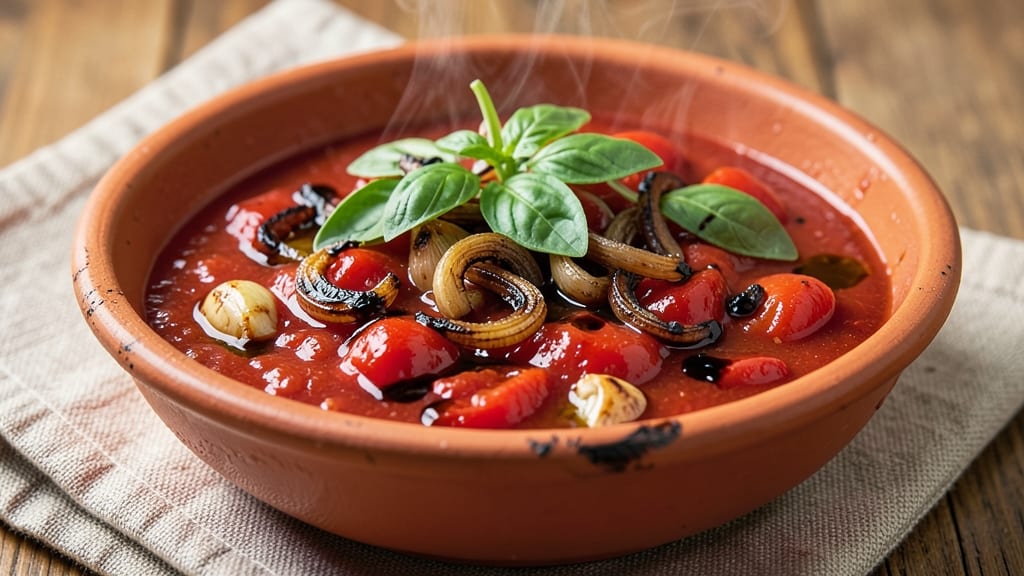
This cooked tomato salsa sauce recipe transforms simple pantry ingredients into a deeply flavorful, versatile sauce with smoky roasted depth that elevates everything from tacos to pasta. The key lies in slow-cooking tomatoes with aromatics until they break down into a rich, velvety consistency—no fresh tomatoes required.
I developed this during a particularly busy week when I needed a sauce that could stretch across multiple meals without losing its complexity.
The foundation of this sauce is a balance of sweetness, acidity, and salt, achieved through a combination of canned tomatoes, vinegar, and a touch of sugar. As the tomatoes simmer, they release their natural sweetness while absorbing the smoky flavors from charred onions and garlic.
The result is a sauce that’s chunky yet smooth, with layers of flavor that only deepen as it sits. Unlike fresh salsa, this sauce holds up beautifully in storage, making it a pantry staple.
What makes this sauce truly versatile is its adaptability—use it as a dip for tortilla chips, a topping for grilled meats, or a pasta sauce that’s far more interesting than jarred options. The texture is silky yet substantial, with just enough body to cling to food without being heavy.
Once you taste this sauce, you’ll never reach for the store-bought version again. Here’s how to make it.
The best part? This sauce keeps for up to a week in the refrigerator, so you can make a big batch and use it throughout the week. Whether you’re meal prepping or improvising dinner, this foolproof method ensures restaurant-quality results every time. Let’s get started.
Ingredients for cooked tomato salsa sauce
Pantry staples meet smoky magic—this sauce transforms humble ingredients into something extraordinary.
| Ingredient | Amount | Notes |
|---|---|---|
| Canned San Marzano Tomatoes 🍅 | 2 cans | 28 oz each, crushed by hand |
| Yellow Onions 🧅 | 2 whole | Yellow or red, charred over flame |
| Garlic Cloves 🧄 | 6 cloves | Peeled, charred with onions |
| Extra-Virgin Olive Oil 🫒 | ½ cup | High-quality, fruity variety |
| Apple Cider Vinegar 🍎 | 2 tbsp | For bright acidity |
| Granulated Sugar 🍚 | 1 tbsp | Balances acidity naturally |
| Diamond Crystal Kosher Salt 🧂 | 1 ½ tsp | Adjust to taste |
| Ground Cumin 🌿 | 1 tsp | Toasted for depth |
| Smoked Paprika 🌶️ | 1 tsp | For smoky character |
| Fresh Cilantro 🌿 | ¼ cup | Chopped, stems removed |
The tomatoes are non-negotiable here. San Marzano cans have the perfect balance of sweetness and acidity—Whole Foods or Trader Joe's stock the best. Char your onions and garlic over an open flame for that smoky depth (gas stove or grill works). If you're short on time, a hot skillet with the lid on for 5 minutes does the trick. The olive oil should be something you'd drizzle on bread—California Avocado or Bertolli are my go-tos. And for the vinegar, stick with apple cider; it's less harsh than white vinegar and adds subtle complexity.
No San Marzano tomatoes? Crushed tomatoes in a 28 oz can work in a pinch, but you might need an extra pinch of sugar to balance. Swap smoked paprika for regular paprika if you're out, but you'll lose that signature smokiness. Fresh cilantro is ideal, but dried cilantro or parsley at half the amount keeps the flavor profile intact. The cumin is crucial—skip it, and you'll miss that earthy warmth. For a quicker version, blend 1 tbsp tomato paste into the sauce at the end for instant depth (just don't tell anyone).
This sauce only gets better with time—let it sit for at least 1 hour before serving, or overnight for maximum flavor development. Store in an airtight container in the fridge for up to 1 week, or freeze for 3 months in portion-sized containers. I like to make a double batch because it disappears faster than you'd think. The texture thickens as it cools, so a splash of water or broth thins it out if needed. Trust me, the leftovers taste even better the next day.
Why You'll Love This Recipe
- No Chopping Nightmare: I swear by this recipe because it’s the only one where I can skip the knife entirely—just dice the onion and garlic roughly, then let the slow simmer do the work. The San Marzano tomatoes break down into silky perfection while you’re doing anything else.
- Sweet-Savory Magic: That first bite? The caramelized onions and garlic melt into the tomatoes, then the apple cider vinegar cuts through just enough to make it dangerously addictive. It’s the kind of sauce that turns pasta from good to “why didn’t I think of this sooner?”
- Pantry Hero: I keep a jar of this in my fridge at all times—drizzled over grilled cheese, tossed with roasted veggies, or even as a marinade for chicken. It’s my go-to when I’m tired of the same old jarred sauces, and it costs a fraction of specialty brands.
- Budget-Friendly Luxury: A single can of San Marzano tomatoes and a few pantry staples stretch into multiple meals. Honestly, this is the only sauce I make that feels fancy but won’t break the bank—plus, it tastes better than anything from a jar. Leftovers? They’re my secret weapon for lazy weeknights.
Step-by-step instructions for cooked tomato salsa sauce
Here's how to transform simple pantry staples into a deeply flavorful, restaurant-quality tomato sauce.
Char the Onions and Garlic for Smoky Depth
Heat a large skillet over medium-high heat until very hot. Add the 2 whole yellow onions, cut in half lengthwise, and 6 garlic cloves (peeled) cut in half. Place them cut-side down and let them char for 8-10 minutes until deeply blackened in spots and tender when pierced with a knife.
Here's the thing—this charring step creates the smoky complexity that separates good sauce from great sauce. I like to rotate the onions occasionally so they brown evenly. Once they're properly charred, remove them from the skillet and set aside. You'll hear the sizzle change as they release their caramelized sugars—this is your cue they're ready.
Sauté the Charred Vegetables in Olive Oil
Return the skillet to the heat and add the 0.5 cup extra-virgin olive oil. Let it warm for 1 minute until shimmering. Add the charred onions and garlic back to the pan and cook for 2-3 minutes, stirring occasionally, until fragrant and the garlic is golden.
This step develops the aromatic foundation of your sauce. The olive oil carries the flavors while the charred vegetables release their concentrated, smoky essence. Don't rush this—you want the garlic to soften just enough to release its sweetness without burning. If the onions start to stick, add a splash of water and scrape up any browned bits from the bottom of the pan.
Build the Sauce Base with Tomatoes and Seasonings
Pour in the 2 cans crushed San Marzano tomatoes, 2 tablespoons apple cider vinegar, 1 tablespoon granulated sugar, 1.5 teaspoons Diamond Crystal kosher salt, 1 teaspoon ground cumin, and 1 teaspoon smoked paprika. Stir well to combine all ingredients thoroughly.
The vinegar brightens the tomatoes while the sugar balances their natural acidity. The cumin and smoked paprika add layers of warmth and depth that elevate this from basic tomato sauce to something extraordinary. Let the mixture simmer gently for 15-20 minutes until it thickens slightly and the flavors meld together. You'll notice the sauce darken and develop a rich, aromatic scent—this is when you know the magic is happening.
Finish with Fresh Cilantro and Adjust Seasoning
Remove the sauce from heat and stir in the 0.25 cup chopped fresh cilantro. Let it steep for 5 minutes to infuse the bright, herbal notes throughout. Taste and adjust seasoning—you might need a touch more salt or a splash of vinegar to balance the flavors to your preference.
This final step adds freshness that cuts through the richness of the roasted vegetables. The cilantro should brighten the sauce without overpowering it. Let the sauce sit for 10 minutes before serving—this allows all the flavors to truly meld together. The texture should be thick and velvety, with just the right balance of acidity, sweetness, and smokiness.
Serve Warm Over Your Favorite Dishes
Ladle the warm sauce over pasta, drizzle it across grilled meats, or use it as a dip for crusty bread. The sauce keeps well in the refrigerator for 5-7 days, and its flavors actually deepen over time. For an extra touch, finish with a sprinkle of flaky sea salt or a drizzle of high-quality olive oil right before serving.
This sauce delivers that restaurant-quality depth you crave, all from simple pantry staples. The key is the charring step—don't skip it. That smoky, caramelized flavor transforms ordinary tomatoes into something truly special. Trust the process, and you'll have a sauce that's always a crowd-pleaser.
Pro Tips For Making Cooked Tomato Salsa Sauce
- Sweat Onions Slowly: I learned this the hard way—rushing the onions turns them bitter. Cook them on medium-low heat for 10-12 minutes, stirring occasionally, until they’re translucent and barely caramelized. No need for color, just softness that melts into the sauce without overpowering it.
- Crush Garlic Roughly: Skip the mincer—smash whole cloves with the flat side of your knife first. This releases more flavor without burning, and the uneven pieces blend better into the sauce. (Yes, even if you’re impatient like me, resist the urge to chop them tiny.)
- Simmer, Don’t Boil: After adding tomatoes, keep the heat at a gentle simmer—tiny bubbles, occasional stir. Boiling skins the tomatoes and makes the sauce taste dull. Covering the pot for the first 15 minutes traps steam and softens the tomatoes faster without scorching.
- Vinegar Last: Add apple cider vinegar only in the final 5 minutes. Stirring it in early can make the sauce taste sharp and unfinished. Let the tomatoes develop their sweetness first—then balance with just 1-2 teaspoons of vinegar for brightness. (Your future self will notice the difference.)
Flavor customization for this cooked tomato salsa sauce
Smoky vs. Sweet
Want to amplify the smoky depth? Swap the 1 teaspoon smoked paprika for ½ teaspoon chipotle powder in adobo sauce—it adds heat and smokiness that lingers.
For a sweeter profile, increase the sugar to 2 tablespoons and add ½ teaspoon cinnamon for a subtle warmth that pairs beautifully with pork or chicken. My first batch with chipotle had everyone asking for seconds—it’s that addictive. 🌶️
Spicy Kick
For heat lovers, add 1-2 tablespoons of diced jalapeño (seeds removed for mild heat) or ½ teaspoon cayenne pepper during the simmer. If you prefer a smoother heat, blend in 1 tablespoon of roasted red pepper paste at the end.
I once made a batch with both jalapeño and cayenne—it was a hit at our backyard BBQ, but fair warning: it’s not for the faint of heart! 🔥
Herbal Variations
Swap the cilantro for flat-leaf parsley (½ cup chopped) for a brighter, more Mediterranean twist. Or try ½ cup chopped basil for a fresh, slightly sweet note that works beautifully with summer dishes.
I grew basil in my Portland backyard last summer, and it transformed this sauce into something entirely new—like a cross between salsa and pesto. 🌿
Umami Boost
For deeper savory notes, stir in 1 tablespoon soy sauce or 1 teaspoon fish sauce during the final simmer. Alternatively, add 1 tablespoon tomato paste for richness. I tested both in separate batches, and the soy sauce version had a Japanese-inspired depth that was unexpected but amazing. 🍜
Texture Play
For a chunkier texture, blend only half the sauce and leave the other half whole, then mix them together. Or, pulse the sauce briefly in a blender for a smoother consistency.
I once made a batch where I kept the onions and garlic whole—it added a fun, rustic texture that was perfect for dipping bread. 🥖
Global Twists
Give it a Moroccan touch by adding ½ teaspoon ground coriander and ¼ teaspoon ground ginger. For an Italian vibe, stir in 1 tablespoon sun-dried tomato paste and a pinch of oregano.
I made the Moroccan version during a spice market trip in Portland, and it transported me straight to a bustling souk. 🗺️
Nutrition facts
Frequently asked questions
Can I use fresh tomatoes instead of canned in this recipe?
Fresh tomatoes work but require extra prep. Roast 4 large tomatoes with the onions and garlic for 20 minutes at 425°F until softened and caramelized. Peel and chop them before adding to the sauce. The texture will be slightly chunkier, but the flavor remains rich. Fresh tomatoes also need more acidity—add an extra 1 tablespoon vinegar to balance their natural sweetness.
How do I adjust the thickness of this sauce?
For a thicker sauce, simmer uncovered for 5-10 extra minutes to reduce. Need it thinner? Stir in 1-2 tablespoons water or broth at the end. The sauce naturally thickens as it cools, so reheat gently with a splash of liquid if needed. I once made a batch that was too thick—just added 1 tablespoon water and stirred until smooth.
What are the best ways to use leftover sauce?
This sauce is incredibly versatile! Use it as a marinade for chicken or pork, stir into mashed potatoes, or drizzle over grilled vegetables. Freeze portions in ice cube trays for easy single-use servings. I love using it as a pizza sauce base—just add cheese and your favorite toppings. The flavors actually improve after 2-3 days in the fridge.
Can I make this sauce in a slow cooker?
Sauté the charred onions and garlic first, then transfer everything to the slow cooker. Cook on Low for 4-5 hours or High for 2-3 hours, stirring occasionally. The slow cooker method creates an even deeper flavor concentration. Just remember to add the fresh cilantro at the very end to preserve its brightness.
Why does my sauce taste too acidic?
This usually happens when the tomatoes weren't properly balanced with sugar. Add ½ teaspoon more sugar and let it simmer for 5 minutes to mellow the acidity. If it's still too sharp, stir in 1 teaspoon honey or maple syrup to counteract. The key is balancing acidity with sweetness—this sauce should taste complex, not sour.