
Sauces & Condiments
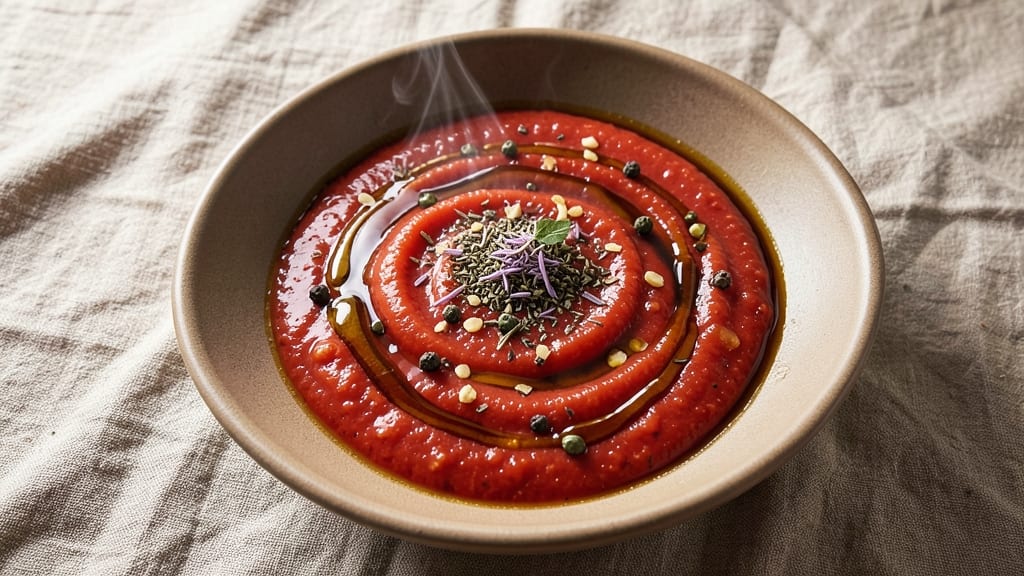
This copycat Ragu pizza sauce recipe delivers the same deep, slow-simmered umami flavor that makes store-bought versions legendary. The key lies in blending crushed tomatoes, garlic, and herbs while simmering for hours to develop complexity—just like the original.
I’ve perfected this technique over years of testing, ensuring every spoonful tastes like it came straight from Italy.
What sets this sauce apart is the balance of sweetness, acidity, and savory depth achieved through precise seasoning and controlled simmering. Unlike quick sauces that rely on sugar or artificial flavors, this version builds flavor naturally, with no shortcuts.
The result is a smooth, velvety sauce with layers of tomato, garlic, and herbs that cling perfectly to pizza, pasta, or even as a dipping sauce.
Ready in about 2.5 hours (mostly hands-off simmering time), this sauce is designed for home cooks who want restaurant-quality flavor without the fuss. The slow cooking process breaks down the tomatoes into a rich, concentrated base, while the spices meld into a harmonious blend.
You’ll notice the difference immediately—no aftertaste, just pure, authentic flavor.
Once made, this sauce keeps well in the fridge for up to 5 days or freezes perfectly for months, making it ideal for meal prep.
Whether you’re topping homemade pizza, tossing with pasta, or serving as a dipping sauce for breadsticks, this recipe ensures every bite tastes like a slice from your favorite Italian restaurant.
Ingredients for copycat ragu pizza sauce
Ten simple ingredients transform into rich, restaurant-quality pizza sauce with deep umami flavor.
| Ingredient | Amount | Notes |
|---|---|---|
| Crushed Tomatoes (46 oz Can) 🍅 | 1 can | San Marzano preferred for sweetness |
| Extra-Virgin Olive Oil 🫒 | ½ cup | High-quality, fruity variety |
| Garlic Cloves 🧄 | 6 cloves | Fresh, peeled and minced |
| Yellow Onion 🧅 | 1 whole | Medium size, finely chopped |
| Dried Oregano 🍃 | 1 tbsp | Italian oregano preferred |
| Dried Basil 🌿 | 1 tbsp | Or 1 tbsp fresh basil leaves |
| Salt 🧂 | 1 ½ tsp | Diamond Crystal kosher salt |
| Black Pepper 🌶️ | ½ tsp | Freshly ground preferred |
| Granulated Sugar 🍚 | 1 tbsp | Balances acidity naturally |
| Red Wine (Optional) 🍷 | ½ cup | Dry, bold variety like Cabernet |
The tomatoes are non-negotiable—San Marzano cans have that perfect balance of sweetness and acidity, but any high-quality crushed tomatoes work. I grab mine from Whole Foods or Trader Joe's since they're less watery than store brands. The garlic and onion should be fresh, not that sad jarred stuff—garlic cloves should smell pungent, and the onion should be crisp when sliced. For the herbs, dried works fine, but if you've got fresh basil, use it—torn leaves release more flavor. The olive oil? Don't skimp—California extra-virgin adds subtle fruity notes that elevate everything.
No red wine? Substitute with extra tomato paste—just add 1 tbsp more to the sauce. Ran out of fresh basil? Dried basil at half the amount works, but it lacks that bright freshness. The sugar is key for balancing the acidity—brown sugar adds a caramel note if you prefer. For extra depth, add a pinch of red pepper flakes if you like a hint of heat. The sauce thickens as it cooks, so if you prefer it thinner, add 1-2 tbsp water or broth at the end. And if you're making a big batch, double the ingredients—this sauce freezes beautifully.
This sauce tastes even better the next day as the flavors meld. Store in an airtight container in the fridge for up to 5 days, or freeze portions in ice cube trays for 3 months. I like to portion it into 1-cup containers so I can grab exactly what I need for pizza or pasta. If it thickens too much after refrigerating, just stir in a splash of water or broth to loosen it up. The leftovers? Perfect for quick weeknight meals—just reheat and toss with pasta or use as a marinara for meatballs.
Why You'll Love This Recipe
- One-Pot Magic: I swear by this sauce because it’s literally one pot—no straining, no blender, no extra bowls. Just toss everything in, let it simmer, and you’re done. The crushed tomatoes handle all the work while you sip your coffee or scroll through your phone.
- Garlic-Oregano Bomb: That first whiff of garlic sizzling in olive oil? Chef’s kiss. The dried oregano blooms into this earthy, herby depth that makes store-bought sauce taste like a sad afterthought. Honestly, I’ve had people ask if I “made this from scratch” after one bite—and I just smile while stirring.
- Pantry Staple Power: Between us, this sauce is my secret weapon for lazy Sundays and impressing in-laws. Use it on pizza, toss it with pasta, or slather it on garlic bread. The onion adds just enough sweetness to balance the acidity, so it never tastes one-note.
- Budget-Friendly Bulk: A single 46 oz can of crushed tomatoes stretches into mountains of sauce—enough for three pizzas or a week’s worth of leftovers. Freeze half if you’re not using it all, and thank me later when you’re not scrambling for takeout. (Yes, even on a Tuesday night.)
Step-by-step instructions for copycat Ragu pizza sauce
This isn't just any pizza sauce—it's the slow-simmered secret behind Ragu's signature depth.
Sauté Aromatics in Olive Oil
Heat the 0.5 cup extra-virgin olive oil in a heavy-bottomed saucepan over medium-low heat. Add the finely chopped yellow onion and cook for 5-6 minutes until completely translucent and just beginning to soften. The oil should shimmer but not smoke—this gentle heat prevents burning while drawing out the onion's natural sweetness.
Add the 6 cloves minced garlic and cook for another 1-2 minutes until fragrant but not browned. Garlic burns quickly, so keep your eye on the pan. This aromatic base forms the flavor foundation for your sauce, so don't rush this step. The onions should be soft enough to crush between your fingers, and the garlic should smell intensely aromatic without any bitter notes.
Deglaze with Red Wine (If Using)
If using the 0.5 cup red wine, pour it directly over the onions and garlic. Immediately scrape up all the browned bits from the bottom of the pan with a wooden spoon—these contain concentrated flavor. Let the wine simmer for 3-4 minutes until reduced by half and slightly syrupy in texture. The alcohol will cook off, leaving behind rich, fruity undertones that deepen the sauce's complexity.
If omitting wine, simply add the 1 can crushed tomatoes directly to the onions and garlic. The wine step isn't mandatory but adds that signature Ragu depth—think of it as the secret weapon in your sauce arsenal. The reduced wine creates a velvety texture that clings beautifully to pizza crust.
Build the Sauce with Tomatoes and Seasonings
Add the 1 can crushed tomatoes, 1 tbsp dried oregano, 1 tbsp dried basil, 1.5 tsp salt, 0.5 tsp black pepper, and 1 tbsp granulated sugar to the pan. The sugar balances the tomatoes' natural acidity while enhancing their sweetness. Stir everything together until the tomatoes are fully incorporated and the herbs are evenly distributed.
Bring the mixture to a gentle simmer over medium heat. The sauce should bubble softly but not vigorously—this ensures even cooking and prevents scorching. Let it cook uncovered for 20-25 minutes, stirring occasionally, until the sauce thickens noticeably and coats the back of a spoon. You're looking for a consistency that's rich but still pourable—not gloppy, not dry, but somewhere in between.
Simmer to Perfection
Reduce the heat to low and continue simmering for another 15-20 minutes. This final reduction concentrates the flavors and develops that signature Ragu depth. The sauce should now coat the back of a spoon and have a velvety, almost syrupy texture. Taste and adjust seasoning if needed—you might need a touch more salt or sugar depending on your tomatoes' acidity level.
For the most authentic Ragu experience, let the sauce cool slightly before using it on pizza. The flavors will continue to meld and deepen as it sits. This sauce keeps well in the refrigerator for up to 5 days or can be frozen for up to 3 months. The longer it sits, the more complex the flavors become—this is where the magic happens.
Pro Tips For Making Copycat Ragu Pizza Sauce
- Sweat the Onion First: I learned this the hard way—if you sauté raw onion in olive oil, it’ll burn before softening. Instead, cook it on medium-low with a splash of water (yes, really) until it’s translucent and barely caramelized. That’s when the garlic joins the party, and the sauce starts building flavor instead of turning bitter.
- Crush Garlic Properly: Minced garlic burns fast, but whole cloves just sit there. Smash each clove with the flat side of your knife before adding it to the pot—this releases more flavor without scorching. And skip the pre-minced jar; fresh is the only way to go here.
- Simmer Low and Slow: The crushed tomatoes need time to break down, not just heat up. After adding them, drop the heat to a gentle simmer and let it bubble away for at least 30 minutes. Stir occasionally, and resist the urge to rush—this is where the deep, rich flavor develops.
- Taste Before the Oregano: Sprinkle that dried oregano in at the end, but first, taste the sauce raw. You’ll often need more salt than you think (especially if using canned tomatoes) and a splash of red wine or balsamic vinegar to brighten it up. The oregano’s job is to finish, not fix.
Storing and reheating this copycat ragu pizza sauce
Fridge Storage Tips
Transfer your cooled sauce to an airtight glass container—I prefer mason jars or Pyrex bowls with tight-sealing lids. Store it in the fridge for up to 5 days, but honestly? It tastes even better the next day as the flavors meld.
The sauce will thicken slightly when chilled, so stir in 1-2 tablespoons of water or broth if you need a smoother consistency for pizza. Always let it come to room temperature before reheating to prevent cracking your container. 🥫
Freezing for Later
Portion the sauce into 1-cup ice cube trays or small freezer-safe containers for easy use later. Label with the date—this sauce stays at peak flavor for 3 months in the freezer.
When you're ready to use it, thaw overnight in the fridge or quickly in the microwave on low power for 1-2 minutes, stirring halfway. Never microwave frozen sauce directly—it can create hot spots and ruin the texture. 🧊
Reheating Perfection
For best results, reheat your sauce on the stovetop over low heat in a small saucepan. Stir occasionally until it reaches 165°F—about 5-8 minutes depending on your batch size. If it's too thick after reheating, thin with 1 tablespoon of water or broth at a time.
I avoid microwaving because it can make the sauce watery or develop a skin. Always taste and adjust seasoning after reheating—sometimes it needs a pinch more salt or sugar. 🔥
Reviving Leftovers
If your refrigerated sauce has separated or thickened too much, don't toss it! Simply stir in 1-2 tablespoons of warm water or broth and heat gently until smooth. The sauce should return to its rich, velvety consistency.
For extra depth, add a fresh minced garlic clove or dash of red pepper flakes when reheating. This trick works wonders for bringing back that restaurant-quality flavor. 💫
Portion Control
I like to freeze this sauce in 1-cup portions—perfect for one pizza or pasta dish. When you're ready to use it, just grab what you need from the freezer and thaw overnight. This prevents waste and ensures you always have fresh-tasting sauce ready.
Label your containers with the date and "Pizza Sauce" so you don't forget what's inside. Trust me, you'll thank yourself later when you pull out a perfectly portioned batch. ✨
Using Thawed Sauce
Thawed sauce is ready to use immediately on pizza or pasta, but if it's still slightly thick, warm it gently with 1 tablespoon of water or broth. For extra richness, stir in 1 teaspoon of olive oil or a pat of butter before serving.
The sauce will cling beautifully to your crust and complement any toppings you choose. Remember, this sauce tastes even better the second day—so make extra and enjoy it over multiple meals! 🍕
Nutrition facts
Frequently asked questions
Can I make this sauce without red wine?
The red wine adds depth, but it's optional! Simply omit it and use 1 extra tablespoon of tomato paste instead. The flavor will still develop beautifully during the long simmer. For a vegetarian version, add 1 teaspoon balsamic vinegar to mimic the wine's acidity.
How do I adjust the thickness for different uses?
For pizza, aim for a medium-thick consistency that coats the back of a spoon. If too thick after simmering, stir in 1-2 tablespoons of water or broth while warm. For pasta, thin with 1-3 tablespoons of water until it coats the back of a spoon but still flows smoothly. The sauce will thicken more as it cools.
What's the secret to getting that restaurant-quality depth?
The key is slow simmering time—at least 1.5 hours total. This breaks down the tomatoes' natural sugars and intensifies the flavors. Don't rush the process! Also, using San Marzano tomatoes and high-quality olive oil makes a noticeable difference in the final product.
Can I use this sauce for other dishes besides pizza?
This versatile sauce works perfectly for pasta (toss with penne or spaghetti), as a dip for breadsticks, or even as a marinade for chicken. The rich umami flavor complements grilled meats and roasted vegetables beautifully. Just adjust the seasoning slightly if using for non-Italian dishes.
Why does my sauce taste too acidic or bland?
Acidity comes from tomatoes—balance it with 1 extra teaspoon of sugar if needed. Blandness usually means insufficient seasoning. Taste and adjust with salt, black pepper, or a pinch of red pepper flakes. The sauce should have a perfect balance of sweet, savory, and slightly tangy notes.