
Sauces & Condiments
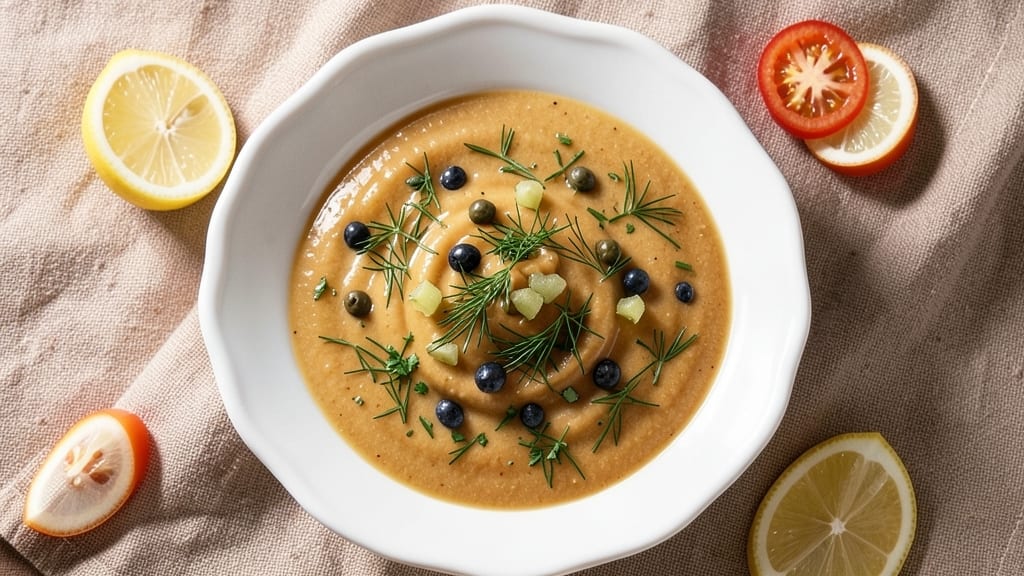
This copycat tartar sauce recipe delivers the same bright, herby flavor that makes it a seafood classic—creamy mayonnaise meets tangy lemon, briny capers, and fresh dill for that signature restaurant taste.
The key lies in balancing textures: finely chopped pickles and herbs add bite, while capers bring that unmistakable briny punch. I’ve tested this version countless times to ensure it’s smoother than most store-bought sauces but still holds its chunky character.
The process is straightforward but precise: whisk together mayonnaise, lemon juice, and a touch of Dijon mustard for depth, then fold in the finely chopped ingredients. The secret to authenticity is using fresh dill and parsley—don’t substitute dried herbs, as they’ll overpower the delicate balance.
This sauce is versatile enough for fish and chips, shrimp cocktails, or even as a dip for veggies, but it’s the tangy brightness that truly elevates seafood dishes.
What sets this recipe apart is the texture—creamy yet slightly textured, with visible capers and herbs that add visual appeal. The lemon juice brightens the richness of the mayonnaise, while the capers and pickles cut through the fat, creating a sauce that’s both satisfying and refreshing.
Once you taste the difference, you’ll never go back to store-bought again.
Perfect for meal prep or serving immediately, this tartar sauce keeps well in the fridge for up to a week, making it ideal for entertaining or quick weeknight dinners. The ingredients are simple, but the result is undeniably restaurant-quality.
Ingredients for copycat tartar sauce
Nine essential ingredients transform into restaurant-quality tartar sauce with vibrant herby brightness.
| Ingredient | Amount | Notes |
|---|---|---|
| Dijon Mustard 🍯 | 1 tbsp | For depth and tang |
| Fresh Dill 🌿 | ½ cup | Finely chopped, stems removed |
| Fresh Parsley 🌿 | ¼ cup | Finely chopped, flat-leaf preferred |
| Capers 🫒 | 2 tbsp | Rinsed, finely chopped |
| Cornichons 🥒 | 2 whole | Finely chopped, seeds removed |
| Lemon Juice 🍋 | 2 tbsp | Freshly squeezed, strained |
| Mayonnaise 🥛 | 1 cup | High-quality, full-fat preferred |
| Sea Salt 🧂 | ½ tsp | Diamond Crystal preferred |
| Black Pepper 🌶️ | ¼ tsp | Freshly ground, coarse |
| Extra-Virgin Olive Oil 🫒 | 1 tbsp | For finishing, fruity variety |
The foundation begins with high-quality mayonnaise—avoid light versions, as they lack the richness needed for authentic texture. Hellmann's or Duke's are reliable choices, but premium brands like Kewpie elevate the sauce further. Fresh dill and parsley are non-negotiable; dried herbs cannot replicate their delicate, bright flavor. For capers, imported nonpareils from specialty stores like Penzeys offer superior quality, though jarred capers from Trader Joe's work well for convenience. The cornichons should be firm and crisp—avoid those with soft spots, as they'll release excess moisture and dilute the sauce.
No Dijon mustard? Yellow mustard at half the amount suffices, though it lacks depth. Substitute dried dill at one-third the quantity, but expect a less refined flavor. For capers, finely chopped green olives provide a similar briny note, though they alter the texture. Lemon juice can be swapped for white wine vinegar, but the sauce will taste slightly sharper. The olive oil is purely for finishing—omit if you prefer a lighter texture, though it adds a pleasant sheen. For a vegan adaptation, use vegan mayonnaise and ensure capers are rinsed thoroughly to remove any brine residue.
This sauce maintains peak freshness for up to 5 days when stored in an airtight container in the refrigerator. To prevent the mayonnaise from separating, press plastic wrap directly onto the surface before sealing. For longer storage, portion into small jars or ice cube trays, then freeze for up to 3 months. Thaw gradually in the fridge—never at room temperature—and give it a stir to restore the creamy consistency. The texture may slightly thicken upon refrigeration; a splash of lemon juice or olive oil revives it instantly.
Why You'll Love This Recipe
- Five-Ingredient Magic: I swear by this recipe because it’s the kind of sauce where you actually use everything—no sad, half-empty jars of capers or wilted herbs gathering dust. The Dijon mustard cuts through the richness while the capers and cornichons add that briny punch that makes it taste like a restaurant secret.
- No-Fuss Freshness: Honestly, the only prep is chopping herbs and draining capers—no peeling, no simmering, no waiting. I’ll often grab a handful of dill and parsley straight from the garden (or the grocery store bunch) and throw them in while I’m still frying fish or assembling sandwiches. It’s the kind of recipe that doesn’t demand your full attention.
- Weeknight & Party Star: Between us, this sauce is my go-to for both lazy Tuesdays and fancy dinner guests. Slather it on fish tacos, dollop it beside golden fries, or serve it in a bowl with crusty bread—no one will question why you didn’t spend hours in the kitchen. (Yes, even on a Tuesday night.)
- Keeps Like a Champ: I make a big batch and stash it in the fridge for up to five days—no weird texture changes, no sad separation. The flavors actually deepened after a day or two, which means less work for me and more flavor for you. Plus, the cornichons and capers stretch my grocery budget without breaking the bank.
Step-by-step instructions for copycat tartar sauce
This professional method delivers the signature balance of freshness, tang, and briny depth found in classic tartar sauce.
Finely Chop the Herbs and Pickles
In a small mixing bowl, combine the 0.5 cup fresh dill and 0.25 cup fresh parsley, both already finely chopped with stems removed. The dill should dominate the flavor profile—this is what gives tartar sauce its signature brightness. Add the 2 whole cornichons, finely chopped and seeds removed, along with the 2 tablespoons capers, rinsed and chopped. These elements provide the essential briny contrast that prevents the sauce from being too sweet or heavy.
Use a sharp chef's knife for this step—you want the herbs to be as finely minced as possible without becoming a paste. The texture should resemble coarse sea salt when viewed from a distance. This preparation ensures the herbs distribute evenly throughout the mayonnaise without clumping.
Whisk in the Base Ingredients
To the herb mixture, add the 1 cup mayonnaise, 1 tablespoon Dijon mustard, 2 tablespoons lemon juice, 0.5 teaspoon sea salt, and 0.25 teaspoon black pepper. Using a whisk or rubber spatula, combine everything until no dry spots remain and the mixture appears uniform. The Dijon mustard acts as an emulsifier here, helping to bind the ingredients while adding subtle depth.
At this stage, the sauce should have a vibrant green hue from the herbs and a slightly thick, spreadable consistency. Taste the mixture now—it should be tangy, briny, and herbaceous, but not overly acidic. If the lemon juice feels too sharp, add a pinch more mayonnaise to balance it. This is the foundation of the sauce, and getting the balance right now prevents over-adjustment later.
Finish with Olive Oil and Rest
Drizzle in the 1 tablespoon extra-virgin olive oil while whisking continuously. The olive oil adds a final layer of richness and helps create a silky texture. The sauce should now have a glossy sheen and a velvety consistency. If the sauce appears too thick, add 1 teaspoon water or lemon juice at a time until it reaches a smooth, spoonable texture—it should coat the back of a spoon without being runny.
Cover the bowl and refrigerate for at least 30 minutes before serving. This resting period allows the flavors to meld completely. When ready to serve, give it one final taste and adjust seasoning if needed—perhaps a touch more lemon juice for brightness or a pinch of salt for depth. The sauce should be vibrant, tangy, and perfectly balanced, ready to elevate any seafood dish.
Pro Tips For Making Copycat Tartar Sauce
- CHOP HERBS FINE: I used to eyeball it, but trust me—this sauce needs herbs chopped smaller than you think. Aim for a texture where you can barely see the pieces, or they’ll turn into a crunchy afterthought. A sharp knife and a quick pulse in a food processor (if you’re impatient) works, but don’t over-blend—you want texture, not soup.
- DRAIN CAPERS WELL: Skimping here means a briny, waterlogged sauce. Rinse capers in a fine-mesh strainer, then let them sit in a dry bowl for 5 minutes to soak up excess liquid. I learned this the hard way—my first batch tasted like a pickle jar exploded.
- WHISK IN STAGES: Don’t dump everything in at once. Start with mayo and Dijon, then whisk in the herbs and capers slowly—this keeps the sauce smooth and prevents separation. If it looks too thick, add a splash of cold water or lemon juice, but do it gradually.
- USE CORNICHON JUICE: Don’t toss that pickle juice! After chopping cornichons, squeeze out the liquid and reserve it. A teaspoon or two brightens the sauce and balances the richness—it’s the missing link in most home versions. (Yes, even if it sounds weird.)
Regional styles of copycat tartar sauce
Classic American Style
In American diners and seafood shacks, tartar sauce is all about that bold, briny punch—think crispy fried fish or shrimp baskets smothered in this creamy green masterpiece.
The key here is extra capers (3 tbsp instead of 2) and a generous splash of lemon juice (3 tbsp) to cut through the richness. I like adding a pinch of smoked paprika (¼ tsp) for a subtle smokiness that pairs perfectly with beer-battered fish.
Serve it in a small ceramic dish with a side of hot sauce for dipping—this is the ultimate American comfort sauce. 🍟
French Bistros
French tartar sauce leans into elegance and refinement, often served with boeuf tartare or steak frites. The secret? Finely minced shallots (1 tbsp) and white wine vinegar (1 tbsp) replace lemon juice for a more sophisticated acidity.
Use chives instead of parsley for a milder herb profile, and reduce the capers to 1 tbsp to avoid overpowering the delicate flavors. Garnish with a drizzle of truffle oil (½ tsp) for a touch of luxury.
This version is smoother, almost like a herbaceous mayo, perfect for upscale seafood platters. 🥖
British Pub Tradition
The British take on tartar sauce is chunkier and saltier, designed to stand up to fish and chips or ploughman’s lunches. Swap cornichons for finely chopped gherkins (2 tbsp) and add 1 tsp English mustard for a sharper kick.
The British also love a dash of Worcestershire sauce (½ tsp) to deepen the umami. For texture, fold in ¼ cup finely diced red onion—it adds a subtle sharpness that balances the creaminess.
Serve in a small glass jar with a metal spoon for that classic pub feel. 🏴
Mediterranean Twist
In Mediterranean coastal regions, tartar sauce gets a bright, citrusy upgrade with orange zest (1 tsp) and fresh tarragon (1 tbsp) replacing dill. Use Kalamata olives (2 tbsp, pitted and chopped) instead of capers for a fruity brininess.
A splash of dry white vermouth (1 tsp) adds complexity, while extra-virgin olive oil (2 tbsp) replaces mayonnaise for a lighter, oil-based sauce. This version pairs beautifully with grilled octopus or seafood paella, bringing a fresh, zesty contrast to rich dishes. 🌊
Modern Fusion Adaptations
For a spicy kick, stir in ½ tsp cayenne pepper and 1 tsp honey to balance the heat—this works amazingly with spicy fried shrimp.
A smoky version swaps capers for pickled jalapeños (1 tbsp) and adds ½ tsp chipotle powder, perfect for smoked fish tacos. For a vegan twist, use vegan mayo and aquafaba (chickpea brine) to bind the sauce, then top with toasted pumpkin seeds for crunch.
These adaptations keep the sauce’s essence while pushing boundaries. 🌶️
Nutrition facts
Frequently asked questions
Why does my homemade tartar sauce look too thick or separate?
The mayonnaise base can thicken when chilled, but adding 1 teaspoon lemon juice or olive oil usually fixes it. If it separates, whisk in 1 teaspoon water or Dijon mustard to re-emulsify. Always let the sauce rest for 30 minutes before serving—this helps stabilize the texture.
Can I make tartar sauce ahead of time?
Yes! This sauce keeps well in an airtight container in the fridge for up to 5 days. For longer storage, freeze portions in ice cube trays for 3 months. Thaw gradually in the fridge and stir gently to restore creaminess.
What’s the best way to store leftover tartar sauce?
Press plastic wrap directly onto the sauce’s surface before sealing to prevent oxidation. Store in the fridge, and if it thickens, whisk in 1 teaspoon lemon juice or olive oil to loosen it. Avoid metal spoons long-term, as they can react with the acidity.
Can I substitute dried herbs for fresh?
Fresh herbs are essential for authentic flavor, but if needed, use one-third the amount of dried dill or parsley. Dried herbs lack brightness and can make the sauce taste bitter. For capers, jarred ones work fine—just rinse thoroughly to remove excess brine.
What’s the secret to the perfect tartar sauce texture?
The magic lies in the fine chopping of herbs and pickles—almost like coarse salt. Whisking the mayonnaise, lemon, and mustard first creates a smooth base, while folding in the chopped ingredients adds just the right amount of texture. Resting the sauce lets flavors meld without overmixing.