
Sauces & Condiments
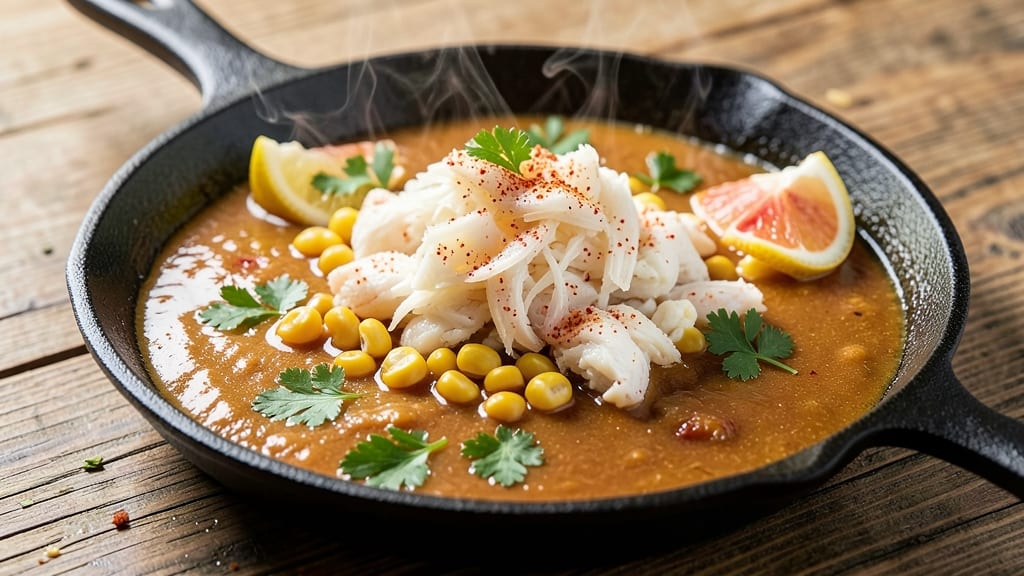
This crab boil butter sauce transforms a simple seafood feast into something truly special—rich, aromatic, and packed with Old Bay and cayenne heat.
I developed it to elevate store-bought crab legs or fresh catches, using just five pantry staples and a foolproof emulsification trick that keeps the sauce silky even when drizzled over steaming hot shells.
The secret lies in balancing melted butter with a touch of cornstarch slurry, which thickens without breaking the sauce's luxurious texture. A splash of lemon juice brightens the richness, while Old Bay and cayenne deliver that signature coastal spice profile.
This isn't just a dipping sauce—it's the star of your seafood spread, turning every bite into a flavor experience.
Ready in just 10 minutes, this sauce stays stable for up to 5 days in the fridge, making it perfect for meal prep. Whether you're hosting a crab boil or serving individual legs with cocktail sauce, this recipe delivers restaurant-quality richness without the fuss.
The best part? It's pescatarian-friendly and works equally well with shrimp or lobster.
Use it to drizzle over steamed crab, as a dip for crusty bread, or even as a finishing touch for grilled fish. The versatility makes it a must-have for any seafood lover's pantry. Let's make it—your taste buds will thank you.
Ingredients for crab boil butter sauce
Five pantry staples transform into a luxurious crab boil butter sauce that elevates any seafood feast.
| Ingredient | Amount | Notes |
|---|---|---|
| Unsalted Butter 🧈 | ¾ cup | Cold, cut into small cubes |
| Cornstarch 🌾 | 1 tbsp | For smooth thickening |
| Fresh Lemon Juice 🍋 | 1 ½ tbsp | Brightens the sauce |
| Old Bay Seasoning 🌶️ | 1 ½ tsp | Signature coastal flavor |
| Cayenne Pepper 🔥 | ½ tsp | Adjust for heat preference |
| Salt 🧂 | ½ tsp | Kosher or sea salt |
| Black Pepper 🌶️ | ¼ tsp | Freshly ground preferred |
| Garlic Powder 🧄 | ½ tsp | For depth of flavor |
The butter is non-negotiable here—European-style unsalted melts more smoothly and adds richness. Plugrá or Kerrygold are my go-tos, but any good-quality brand works. Keep it cold when adding to the sauce to prevent premature melting. The cornstarch is the secret weapon—it creates that silky, restaurant-quality texture without making the sauce grainy. Bob's Red Mill is reliable, but any cornstarch will do. For the Old Bay, McCormick's original is the gold standard—avoid the 'seafood' blends, which often have extra salt.
No cornstarch? All-purpose flour at half the amount works in a pinch, but the sauce might get slightly cloudy. Short on cayenne? Red pepper flakes at one-third the amount gives a similar kick. The lemon juice can be bottled, but fresh is brighter. If you're feeling fancy, add a splash of white wine or seafood stock to the melted butter for extra depth. The garlic powder is optional but recommended—it adds that subtle, savory layer that makes the sauce sing. For a dairy-free version, swap the butter for vegetable shortening or coconut oil (though texture will differ).
This sauce keeps beautifully—5 days in the fridge sealed in a jar. For longer storage, freeze portions in ice cube trays, then transfer to a bag. Thaw overnight in the fridge and reheat gently. The emulsification trick means it reheats smoothly, so no need to stress about separation. I like to make a double batch—one for immediate use and one to stash in the freezer for future seafood nights. Trust me, you'll want leftovers.
Why You'll Love This Recipe
- Five-Ingredient Magic: I swear by this sauce—just butter, cornstarch, lemon, Old Bay, and cayenne. That’s it. No fancy prep, no hidden pantry raids, just pure, bright flavor with zero fuss.
- Lemon-Kissed Heat: The zing of fresh lemon cuts through the richness of the butter while the cayenne adds just enough kick to wake up your taste buds. Honestly, the balance is chef’s kiss—tangy, spicy, and creamy all at once.
- Tailgate to Tuesday: This sauce works for seafood boils, grilled crab legs, or even drizzled over roasted potatoes. I’ve used it at summer cookouts and lazy weeknights—it’s my go-to for anything that needs that briny, buttery punch.
- Leftovers? Better.: The cornstarch thickens it just enough to reheat smoothly, so you can make a big batch and save half for later. Between us, it’s even better the next day—more concentrated, more dangerously good.
Step-by-step instructions for crab boil butter sauce
This sauce comes together in minutes with pantry staples—perfect for drizzling over crab legs, shrimp, or even corn on the cob.
Melt the Butter Over Medium Heat
Place a medium saucepan over medium heat and add the 0.75 cup unsalted butter, cut into small cubes. Let it melt slowly, stirring occasionally with a wooden spoon. You'll know it's ready when the butter has fully melted and starts to foam gently—this usually takes about 3-4 minutes.
I like to watch the butter foam and bubble just slightly before moving forward. This ensures the butter is fully incorporated and won't clump when we add the cornstarch. If you see any browned bits forming, reduce the heat just a touch to prevent burning.
Whisk in Cornstarch and Seasonings
Reduce the heat to low and sprinkle in the 1 tablespoon cornstarch, stirring constantly with a whisk. Let it cook for 1-2 minutes until the mixture thickens slightly and becomes smooth. This step is crucial—it prevents lumps and creates that velvety texture we want.
Next, add the 1.5 teaspoons Old Bay seasoning, 0.5 teaspoon cayenne pepper, 0.5 teaspoon salt, 0.25 teaspoon black pepper, and 0.5 teaspoon garlic powder. Stir well to combine all the spices evenly. The sauce should smell rich and aromatic—like a coastal breeze with a kick of heat. If you're sensitive to spice, you can reduce the cayenne slightly or omit it entirely.
Incorporate the Lemon Juice
Remove the saucepan from heat and slowly pour in the 1.5 tablespoons fresh lemon juice, whisking continuously. The acidity will brighten the sauce and cut through the richness of the butter. You'll notice the sauce lighten in color slightly and become more vibrant.
Here's the thing—don't rush this step. Let the lemon juice sit in the sauce for 30 seconds while you whisk. This allows the flavors to meld together perfectly. The sauce should now have a glossy sheen and a balanced taste—savory, slightly spicy, and tangy all at once.
Simmer Until Thickened
Return the saucepan to low heat and let the sauce simmer gently for 2-3 minutes, stirring occasionally. You're looking for a consistency that coats the back of a spoon but isn't gluey. If it thickens too quickly, add 1 tablespoon water to loosen it up.
Taste the sauce and adjust the seasoning if needed. You might want to add a pinch more salt or a splash of lemon juice for brightness. The sauce should be rich, flavorful, and ready to drizzle over your favorite seafood or side dishes. If you plan to serve it immediately, keep it warm over low heat until ready to use.
Serve Warm Over Your Favorite Dishes
Once the sauce reaches your desired consistency, transfer it to a serving bowl or small sauceboat. Drizzle it generously over steamed crab legs, grilled shrimp, or even buttery corn on the cob. The sauce will cling beautifully and add a burst of coastal flavor to every bite.
For extra presentation, garnish with a sprinkle of Old Bay seasoning or a few lemon zest strips. This sauce is incredibly versatile—it works as a dipping sauce, a finishing drizzle, or even a base for a seafood pasta dish. Store any leftovers in an airtight container in the refrigerator for up to 3 days, reheating gently over low heat before serving.
Pro Tips For Making Crab Boil Butter Sauce
- Whisk the Cornstarch First: Mix the cornstarch with a splash of cold water or lemon juice before adding it to the butter—this prevents clumping like you wouldn’t believe. I used to dump it dry and end up with a lumpy, sad sauce every time.
- Use Room-Temp Butter: Softened, not melted—this is non-negotiable for a smooth sauce. Cold butter clumps, and melted butter can break when you add acid. Take it out 30 minutes early if your kitchen’s chilly.
- Salt the Old Bay: Skip the pre-seasoned Old Bay—measure out the spices separately and add salt to taste. Store-bought blends vary wildly, and you’ll end up with a sauce that’s either bland or drowning in salt.
- Finish with Heat: Bring the sauce to a gentle simmer for 30 seconds after adding lemon juice—this coaxes out the brightest flavor. Skipping this step leaves it tasting flat, like someone forgot the last step of a puzzle.
Common mistakes when making your crab boil butter sauce
Overheating the Butter
Butter burns faster than you think, and once it browns, your sauce will taste bitter. I’ve ruined more sauces than I’d like to admit by letting the butter get too hot. Keep the heat at medium and watch closely—remove the pan as soon as you see golden foam forming.
If it starts to darken, immediately reduce the heat or pull it off the stove. A quick trick? Use a thermometer—butter should never exceed 170°F during melting. 🌡️
Skipping the Cornstarch
Cornstarch is the secret to that silky, restaurant-quality texture, but I’ve seen people skip it for flour or just leave it out entirely. Without it, your sauce will either be too thin or grainy.
If you’re out of cornstarch, all-purpose flour works in a pinch—but use only ½ the amount and whisk it very thoroughly to avoid lumps. The sauce will still be delicious, but it won’t have that same velvety finish.
Adding Lemon Juice Too Early
Lemon juice is what brightens the sauce, but adding it too soon can cause the butter to separate. Always wait until the butter is fully melted and the cornstarch has had a chance to thicken before incorporating the acid.
I’ve learned this the hard way—once, I added the lemon too early, and the sauce broke into little butter globs. Patience here is key! Let the sauce stabilize for 1-2 minutes after adding cornstarch before introducing the lemon.
Over-Stirring After Adding Lemon
Once you’ve added the lemon juice, resist the urge to whisk vigorously. Over-stirring can incorporate too much air, which can cause the sauce to split or become frothy. Instead, give it a gentle stir just to combine, then let it sit for 30 seconds before returning it to low heat.
This brief rest helps the flavors meld without disrupting the emulsion. Trust me, your sauce will thank you.
Ignoring the Heat Adjustment
After adding the lemon, if you crank the heat back up too quickly, the sauce can curdle or separate. Always return the sauce to low heat and let it warm through slowly.
If it starts to thicken too much, thin it with 1 tablespoon water or seafood stock—just a splash is enough to restore balance. The goal is a smooth, glossy finish, not a gluey mess. 💡
Not Tasting as You Go
This is a classic mistake, especially when you’re excited to finish the recipe. But tasting the sauce at each stage—after adding spices, after incorporating lemon, and before serving—lets you adjust seasoning in real time.
I’ve caught under-seasoned sauces and saved them by adding a pinch more Old Bay or a squeeze of lemon. Don’t skip this step, even if it feels like overkill. Your taste buds are your best tool!
Nutrition facts
Frequently asked questions
Can I make this sauce without cornstarch?
You can substitute ½ tablespoon all-purpose flour for the cornstarch, but whisk it very thoroughly to avoid lumps. The sauce will still be delicious but may have a slightly different texture. For the best results, stick with cornstarch—it creates that signature silky finish.
How spicy should the cayenne be?
The ½ teaspoon cayenne gives a mild kick, but you can adjust to taste. For a milder sauce, reduce to ¼ teaspoon or swap for ¼ teaspoon red pepper flakes. If you love heat, increase to 1 teaspoon—just remember, the sauce doubles as a dipping sauce for bread!
Can I use this sauce for other seafood besides crab?
This rich, buttery sauce works beautifully with shrimp, lobster, or even grilled fish. The Old Bay and lemon brighten the flavors perfectly, making it a versatile condiment for any seafood feast. Try drizzling it over steamed mussels or serving it with crusty bread.
Why did my sauce separate?
Sauce separation usually happens from overheating or adding lemon juice too early. To fix it, whisk in 1 teaspoon cold water and return to low heat while stirring gently. For next time, let the butter melt slowly and wait 1-2 minutes after adding cornstarch before incorporating lemon.
How do I store leftovers?
Transfer the sauce to an airtight container and refrigerate for up to 5 days. To reheat, warm over low heat while stirring constantly—never microwave, as it can break the emulsion. For longer storage, freeze in 1-tablespoon portions for easy use later.