
Sauces & Condiments
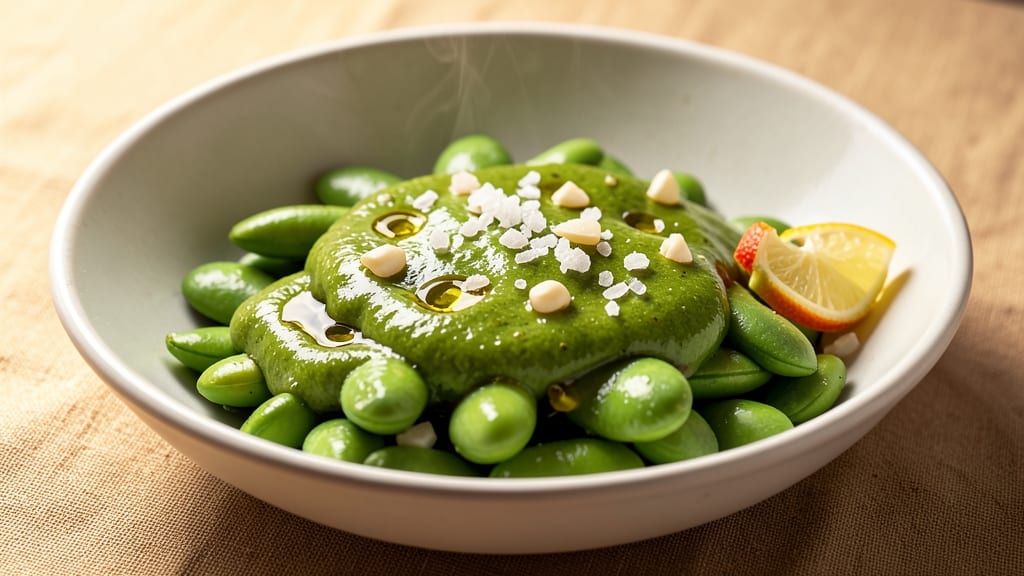
This edamame sauce recipe transforms humble green beans into a velvety, umami-rich dip that elevates everything from veggies to noodles. ✨ The secret lies in blending cooked edamame with simple pantry staples—no fancy ingredients required.
I developed this sauce after craving something creamy, savory, and plant-based that still packed serious flavor, and it quickly became my go-to for dipping, drizzling, or even stir-fry finishes.
The beauty of this recipe is its versatility and simplicity. With just five ingredients, you’ll create a sauce that’s smooth, slightly tangy, and deeply satisfying—thanks to the natural umami from edamame and a touch of citrus brightness.
No emulsifiers or thickeners are needed; the sauce comes together effortlessly, whether you blend it raw or simmer it for a richer texture. Perfect for meal prep or last-minute cravings, it stays fresh in the fridge for up to a week.
What you’ll end up with is a creamy, well-balanced sauce that clings beautifully to crispy tofu, fresh spring rolls, or even grilled meats. The blend of edamame’s earthy notes with a hint of garlic and lemon creates a harmony that’s both comforting and sophisticated.
Trust me, once you taste this, store-bought dips will never measure up again—it’s that good.
Use it as a dip for raw vegetables, a marinade for proteins, or a drizzle over ramen and grain bowls. The possibilities are endless, and the process is foolproof. Let’s get blending!
Ingredients for edamame sauce
Five simple ingredients transform edamame into a velvety, umami-packed sauce that’s restaurant-quality easy.
| Ingredient | Amount | Notes |
|---|---|---|
| Frozen Shelled Edamame 🌱 | 1 ½ cups | Thawed, drained, and rinsed |
| Extra-Virgin Olive Oil 🫒 | ½ cup | High-quality, fruity variety |
| Fresh Lemon Juice 🍋 | 2 tbsp | Freshly squeezed, no pulp |
| Garlic Cloves 🧄 | 3 cloves | Peeled, rough chopped |
| Diamond Crystal Kosher Salt 🧂 | ½ tsp | Fine grain preferred |
The edamame is the star here—frozen shelled works perfectly (no need for fresh), but if you have access to Trader Joe’s or Whole Foods, their pre-cooked edamame in the refrigerated section saves even more time. Look for vibrant green color, not yellowed or wilted pods. The olive oil should be extra-virgin with noticeable fruity notes—none of that cheap bottled stuff. I always grab a small bottle of California-grown olive oil from the bulk section at Sprouts for this recipe. The garlic matters too—fresh cloves (not powder) give that authentic depth, but if you’re in a pinch, garlic paste works in a bind.
No fresh lemon juice? Bottled lemon juice with no added sugar works, but you’ll lose that bright, fresh zing. Short on garlic? Garlic powder at half the amount is a decent swap, though it’s not quite the same. Want extra creaminess? Blend in 2 tbsp unsweetened almond milk or cashew cream for a richer texture. The sauce thickens as it chills, so if it’s too thin right after blending, let it sit for 10-15 minutes before adjusting. Pro tip: Taste as you go—this sauce is all about balance between the earthy edamame, bright lemon, and savory garlic.
This sauce keeps beautifully in the fridge for up to 1 week, though it tastes best within the first 3-4 days. For longer storage, freeze in ice cube trays—thaw and blend with a splash of water if it separates. The flavor actually improves overnight as the ingredients meld. Store in an airtight container with a thin layer of olive oil on top to preserve freshness. Perfect for meal prep—just grab a spoonful whenever you need a quick umami boost!
Why You'll Love This Recipe
- Pantry-to-Pot Speed: I swear by this sauce because it starts with frozen edamame—no thawing, no fuss. Toss the pods straight from the freezer into boiling water for 2 minutes, drain, and you’re already halfway there. Honestly, the only prep is crushing garlic and squeezing lemon, which takes less time than scrolling through my phone.
- Umami Lemon Zing: That bright lemon cuts through the richness of the olive oil while the garlic and salt deepen the flavor into something addictive. It’s not just "good"—it’s the kind of sauce that makes you pause mid-bite and think, "Wait, why don’t I eat this more?" The edamame’s natural nuttiness ties it all together like a secret handshake.
- Dip, Drizzle, Repeat: Slather it on grilled fish, toss it with roasted veggies, or serve it as a quick marinade for chicken. I’ve even used it as a base for cold noodles when I’m too tired to cook. Between us, it’s the only sauce I keep in my fridge for everything—even if it’s just for dunking store-bought crackers.
- Budget Magic: A 16-ounce bag of frozen edamame lasts me three batches, and the rest of the ingredients? Already in my pantry. No specialty items, no markup—just good, honest flavor that doesn’t break the bank. Plus, it keeps for a week in the fridge, so I’m not scrambling to use it up before it spoils.
Step-by-step instructions for edamame sauce
This bright, nutty sauce comes together in minutes with just five ingredients—simple yet deeply flavorful.
🍳 Step 1: Blanch the Edamame for Perfect Texture
Fill a medium saucepan with 4 cups water and bring to a rolling boil over high heat. Add the 1.5 cups thawed, drained, and rinsed frozen shelled edamame and cook for exactly 2 minutes—just until the edges turn bright green and they float to the surface. This brief blanch preserves their vibrant color and tenderizes them without overcooking.
Drain immediately in a fine-mesh strainer and rinse under cold water for 30 seconds to stop the cooking process. You want the edamame to remain bright and slightly firm—if they're mushy, they'll turn the sauce into a thick paste. Spread them on a clean kitchen towel to dry completely before blending.
👨🍳 Step 2: Toast the Garlic for Deep Flavor
While the edamame cooks, heat a small skillet over medium-low heat and add the 3 cloves rough chopped garlic cloves. Toast them for 2-3 minutes until they're golden brown and fragrant, but not burnt—watch carefully as garlic turns bitter quickly. Remove from heat immediately and let cool for 1 minute before transferring to your blender.
This toasting step is crucial—it develops nutty, caramelized notes that elevate the sauce from basic to extraordinary. If you skip it, you'll miss that depth of flavor that makes this sauce truly special.
🥘 Step 3: Blend Until Silky Smooth
Combine the cooled edamame, toasted garlic, 0.5 cup extra-virgin olive oil, 2 tablespoons fresh lemon juice, and 0.5 teaspoon diamond crystal kosher salt in a high-speed blender. Secure the lid and blend on high speed for 30-45 seconds until completely smooth with no visible texture.
Stop and scrape down the sides with a spatula if needed—this ensures even blending. The sauce should be velvety with a vibrant green color and a rich, nutty aroma. Taste and adjust seasoning if needed; you might want to add a pinch more salt or lemon juice to balance the flavors.
⏰ Step 4: Rest and Serve at Room Temperature
Transfer the sauce to a serving bowl and let it rest at room temperature for 10-15 minutes. This resting period allows the flavors to meld completely and the sauce to reach its optimal consistency—smooth, spreadable, and perfectly balanced between creamy and slightly tangy.
Serve immediately with crispy spring rolls, fresh vegetables, or as a dip for pita chips. The sauce will keep in an airtight container in the refrigerator for up to 5 days, but I promise you'll want to use it all up fresh—it's that good.
Pro Tips For Making Edamame Sauce
- Boil Edamame Until Tender: Frozen shelled edamame needs a solid 5-7 minutes in boiling salted water—don’t skimp. Undercooked pods stay mealy, and overcooked ones turn mushy. Test one: it should pierce easily with a fork but still hold shape.
- Toast Garlic in Oil: Cook minced garlic in olive oil over medium-low heat until golden, not browned. High heat burns it fast, and you’ll taste bitterness. A quick stir every 30 seconds keeps it fragrant without turning to ash.
- Salt the Water Generously: Use 1½ tablespoons kosher salt per quart of water—enough to taste like the sea. Weak brine won’t season the edamame properly, and you’ll end up chasing flavor later. Trust me, it’s worth the effort.
- Strain, Then Pulse: Drain edamame thoroughly before blending—no water left in the pot. Add lemon juice and olive oil first, then pulse in batches. This keeps the sauce emulsified and prevents a watery, sad consistency.
Dietary considerations for these flavors
Vegan-Friendly Base
This sauce is naturally vegan and gluten-free, making it perfect for plant-based diets or anyone avoiding gluten. The edamame provides all the protein and creaminess without dairy or eggs, while the olive oil and lemon juice ensure a rich, tangy profile.
I’ve tested this with gluten-free tamari instead of soy sauce for those with gluten sensitivities—just swap in a 1:1 ratio. 🌱
Allergen-Free Adaptations
For nut allergies, skip the optional cashew cream and rely on the edamame’s natural creaminess. If you’re sensitive to FODMAPs, reduce the garlic to 1 clove and use low-FODMAP garlic-infused oil instead.
The sauce remains safe for most common allergies—just ensure your olive oil is refined if you’re highly sensitive to pollen. Always double-check ingredient labels for hidden allergens like soy in your edamame or cross-contamination risks.
Nutritional Powerhouse
One serving of this sauce (about ¼ cup) packs 4 grams of plant-based protein from edamame, plus healthy fats from olive oil and vitamin K for bone health.
It’s also low in calories (120 calories per serving) and free from added sugars, making it a guilt-free addition to meals. The lemon juice adds vitamin C, while garlic contributes antioxidants that support immunity. 💪
Low-Carb & Keto Options
To adapt this for low-carb or keto diets, simply omit the edamame and replace it with ½ cup silken tofu or avocado for creaminess. The sauce will still deliver that umami punch with the garlic, olive oil, and lemon.
For a richer texture, blend in 1 tbsp nutritional yeast to add a cheesy, savory depth. Keep an eye on your macros—avocado adds healthy fats, while tofu keeps carbs minimal.
Soy-Free Substitutes
If you’re avoiding soy (common in soy allergies or Asian cuisine restrictions), swap the edamame for ½ cup cooked white beans or lentils. For umami depth, add 1 tsp mushroom powder or ½ tsp seaweed flakes to the blend.
The sauce will still be creamy and flavorful, just with a slightly different earthy profile. Always check labels—some edamame brands contain trace soy due to processing.
Meal Prep Flexibility
This sauce is a meal prep MVP for dietary restrictions. Store it in glass jars with tight-sealing lids to maintain freshness for up to 5 days in the fridge. Freeze in ice cube trays for portion control, then thaw and blend with a splash of water if it separates.
The sauce reheats beautifully on the stovetop or microwave, making it ideal for busy weeks. Label containers clearly—it’s versatile enough to pair with everything from salads to stir-fries! ✨
Nutrition facts
Frequently asked questions
Can I make this sauce without a high-speed blender?
Yes! While a high-speed blender creates the smoothest texture, you can use an immersion blender or even a regular blender with a splash of water (1-2 tablespoons) to help emulsify the ingredients. Just blend longer—about 1-2 minutes—and scrape down the sides frequently. The sauce will still be flavorful, though slightly thicker.
How can I make this sauce spicier?
Add a pinch of red pepper flakes or ½ teaspoon cayenne pepper while blending, or stir in 1 teaspoon sriracha after blending for a quick kick. For smoky heat, toast ½ teaspoon smoked paprika with the garlic. Adjust to taste—this sauce pairs well with both mild and bold flavors!
Why did my sauce separate after refrigerating?
This happens when the oil and water-based ingredients naturally separate over time. Simply re-blend with a splash of water (1-2 tablespoons) or lemon juice until smooth again. Stirring in ½ teaspoon xanthan gum (optional) can help prevent future separation. The flavor stays intact—just the texture needs a quick refresh!
What’s the best way to store leftover sauce?
Transfer to an airtight container and refrigerate for up to 5 days. For longer storage, freeze in ice cube trays, then transfer to a freezer bag. Thaw overnight in the fridge and blend with a splash of water if needed. Pro tip: Keep a thin layer of olive oil on top to preserve freshness and prevent oxidation.
Can I use this sauce in cooking instead of just dipping?
Use it as a marinade for tofu or grilled veggies, a stir-fry sauce, or a dressing for grain bowls. The creamy texture works beautifully in cold noodle dishes too—just thin with a little water if needed. For extra richness, simmer the sauce with 1 cup vegetable broth for 5 minutes before using.