
Sauces & Condiments
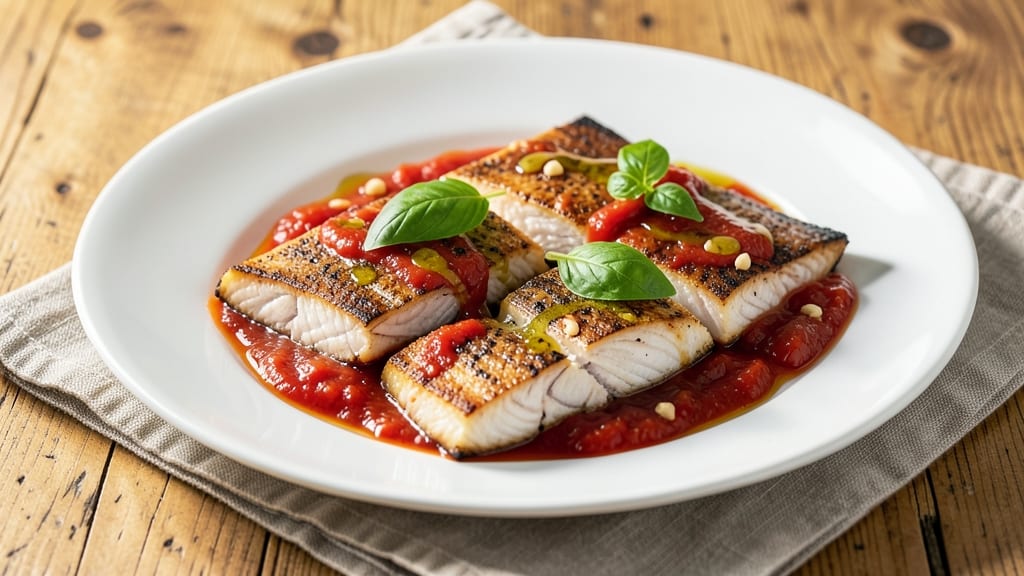
This fish with tomato sauce recipe transforms simple cod into a restaurant-worthy dish with just a few key ingredients and precise timing.
After years of testing different methods, I've perfected a technique that ensures tender, flaky fish paired with a rich, garlicky tomato sauce that balances acidity and sweetness without overpowering the delicate protein.
The foundation of this recipe lies in the sauce—simmered low and slow to develop deep flavor while maintaining a velvety texture. Fresh herbs like basil and oregano brighten the sauce, while a touch of red wine adds complexity that elevates the dish from ordinary to extraordinary.
The fish itself is gently baked, allowing it to stay moist and absorb the sauce's rich flavors without falling apart.
By the time you plate this dish, you'll have perfectly cooked cod with a golden, tender exterior and flaky interior, all nestled in a glossy tomato sauce that clings beautifully.
The aroma alone will have everyone anticipating dinner, and the first bite delivers on that promise with every flavor working in harmony. This recipe delivers professional-quality results with minimal effort, making it perfect for weeknight dinners or special occasions.
Serve with crusty bread to soak up every last drop of sauce or alongside steamed vegetables for a complete meal. The balance of textures and flavors makes this dish equally satisfying as a main course or part of a larger spread.
Let's get started on creating this timeless classic that's sure to become a staple in your cooking repertoire.
Ingredients for fish with tomato sauce
Simple ingredients elevate cod to restaurant-worthy perfection with this garlicky tomato sauce.
| Ingredient | Amount | Notes |
|---|---|---|
| Cod Fillets 🐟 | 4 whole | Skin-on, 6 oz each preferred |
| Extra-Virgin Olive Oil 🫒 | ¼ cup | High quality, fruity variety |
| Canned San Marzano Tomatoes 🍅 | 1 can | 28 oz can, crushed by hand |
| Garlic Cloves 🧄 | 6 cloves | Freshly minced, not pre-minced |
| Red Wine 🍷 | ½ cup | Dry, bold variety like Cabernet |
| Fresh Basil Leaves 🌿 | ½ cup | Packed, stems removed |
| Dried Oregano 🍃 | 1 tsp | Mediterranean blend preferred |
| Salt 🧂 | 1 ½ tsp | Kosher or sea salt |
| Black Pepper 🌶️ | ½ tsp | Freshly ground preferred |
| Tomato Paste 🍅 | 1 tbsp | Squeeze tube or canned |
| Fresh Lemon Juice 🍋 | 1 tbsp | Freshly squeezed |
| Crusty Bread 🍞 | 4 slices | Baguette or ciabatta preferred |
| Parmesan Cheese 🧀 | ¼ cup | Freshly grated from block |
| Fresh Parsley 🌿 | ¼ cup | Chopped, for garnish |
The cod should be fresh and firm—look for fillets with vibrant color and no fishy odor at Whole Foods or your local seafood counter. San Marzano tomatoes are a game-changer for sauce depth, but any high-quality canned tomatoes work in a pinch. For the red wine, Cabernet Sauvignon or Merlot add the right balance of acidity and body without overpowering the delicate fish. Fresh basil and parsley should be bright green with no wilting—Trader Joe's often carries excellent quality at reasonable prices. The olive oil matters here too; opt for extra-virgin with a peppery finish for that restaurant-quality touch.
No red wine? Substitute with 1/2 cup dry white wine or extra chicken broth—just reduce the sauce time slightly. Pre-minced garlic lacks freshness, so mince your own or use garlic powder at half the amount. The tomato paste can be skipped if you're using a particularly sweet tomato sauce, but it adds that umami depth that makes the sauce sing. For the bread, any crusty variety works—even a baguette from the bakery section. If you're short on time, pre-grated Parmesan is fine, though freshly grated has better flavor. The lemon juice is crucial for brightening the sauce, so don't substitute with bottled—fresh is non-negotiable here.
This sauce keeps beautifully in the fridge for up to 5 days, with flavors actually deepening over time. The cod should be cooked and served immediately, but you can prep the sauce ahead and reheat gently. For leftovers, reheat only the sauce—the fish is best eaten fresh. The bread can be toasted and stored separately for up to 3 days. Portion the sauce into containers with a layer of olive oil on top to preserve freshness. Freezing the sauce works for up to 3 months, though the texture may change slightly upon thawing.
Why You'll Love This Recipe
- One-Pan Magic: I swear by this recipe when I’m too tired to scrub pots—just toss the cod, tomatoes, and garlic in a skillet, let the wine simmer down, and boom. Twenty minutes later, your kitchen’s cleaner than when you started.
- Wine-Infused Richness: That splash of red wine? It’s not just for show—it deepens the sauce into something velvety and complex, with a brightness from the San Marzano tomatoes that cuts through the cod’s natural richness. Honestly, it tastes like a fancy bistro dish, but I’m the one who made it.
- Weeknight to Weekend: This recipe works whether you’re feeding yourself after a long day or hosting a dinner party. Double the sauce, add crusty bread, and suddenly you’ve got a showstopper that doesn’t require a grocery haul. My roommates still ask for seconds, even though I tell them it’s “just fish.”
- Budget-Friendly Luxury: Cod’s affordable, the canned tomatoes last forever, and a bottle of wine stretches into multiple meals. Between us, this is how I make restaurant-quality food without blowing my paycheck—plus, leftovers reheat like a dream for lazy lunches.
Step-by-step instructions for garlicky, herb-infused baked cod
This method delivers perfectly tender cod with a rich, aromatic tomato sauce that balances acidity and sweetness.
Sear the Cod Fillets for Maximum Flavor
Preheat your oven to 375°F. Heat 0.25 cup extra-virgin olive oil in a large oven-safe skillet over medium-high heat until shimmering. Pat the 4 whole cod fillets dry with paper towels—this ensures a proper sear rather than steaming.
Place the fillets skin-side down in the skillet and cook for 3-4 minutes until the skin is crisp and golden brown. You'll know they're ready when the edges lift easily from the pan. Flip the fillets carefully and cook for another 2 minutes on the second side. Remove the fillets and set them aside on a plate.
Here's the thing—don't overcrowd the pan. If you're working with multiple fillets, cook them in batches to maintain even heat and prevent steaming. The crispy skin is what makes this dish special, so take your time with this step.
Build the Tomato-Garlic-Wine Sauce
In the same skillet, reduce the heat to medium and add 6 cloves freshly minced garlic cloves. Sauté for 30 seconds until fragrant—garlic burns quickly, so watch it closely. Add 1 tbsp tomato paste and stir for 1 minute until it darkens slightly and releases its rich flavor.
Pour in 0.5 cup red wine and scrape up any browned bits from the bottom of the pan with a wooden spoon. This deglazing step captures all the flavor you've built so far. Let the wine simmer for 3-4 minutes until reduced by half. Then add 1 can canned San Marzano tomatoes (crushed by hand), 1 tsp dried oregano, 1.5 tsp salt, and 0.5 tsp black pepper.
The sauce should bubble gently. If it looks too thick, add 2-3 tablespoons of water to help it simmer properly. This step develops the sauce's depth—don't rush it.
Simmer the Sauce and Finish with Herbs
Return the cod fillets to the skillet, skin-side up, and pour the sauce over them. The fillets should be mostly submerged in the sauce. Cover the skillet and transfer it to the preheated oven. Bake for 12-15 minutes, or until the cod flakes easily with a fork and reaches an internal temperature of 145°F.
While the cod bakes, prepare the fresh herbs. In a small bowl, combine 0.5 cup fresh basil leaves (stems removed) and 0.25 cup fresh parsley (chopped). When the cod is nearly done, stir the herbs into the sauce and cook for another 2 minutes until wilted. This adds bright, fresh flavor that cuts through the richness of the tomato sauce.
Serve with Crusty Bread and Lemon
Remove the skillet from the oven and let the cod rest for 3-5 minutes before serving. This resting time ensures the juices redistribute, keeping the fillets moist. Spoon the herb-infused tomato sauce over the top and garnish with additional fresh parsley if desired.
Serve immediately with 4 slices crusty bread for dipping and a squeeze of 1 tbsp fresh lemon juice over each portion. The lemon brightens the dish and balances the richness of the sauce. The bread soaks up the delicious sauce beautifully, making this a satisfying one-pan meal.
Real talk: The sauce will thicken as it cools. If you prefer it looser, simply stir in a splash of pasta water or broth when serving. This dish tastes even better the next day, so consider making extra sauce for leftovers.
Pro Tips For Making Fish With Tomato Sauce
- Salt the Cod First: Toss your cod fillets in a mix of salt and pepper before searing—this keeps them tender while building flavor. I used to skip this, and the fish always ended up dry no matter how careful I was with cooking time.
- Sear on High Heat: Get that pan screaming hot before adding the cod—just 2-3 minutes per side until golden. After burning two batches at lower temps, I finally cracked the heat and got the crust I’d been missing.
- Deglaze with Wine: Don’t just dump the wine—let it bubble for 30 seconds after adding to lift the browned bits. That’s where the real flavor hides, and skipping it means a duller sauce. (Yes, even if you’re impatient like me.)
- Simmer Tomatoes Low: Reduce the San Marzano sauce on the lowest heat possible—15-20 minutes—until it’s thick but not jammy. Rushing this turns it into a watery glaze, and nobody wants that with cod.
Pro cooking tips for this recipe
Perfect Searing Technique
For crispy, golden skin that locks in moisture, use a large oven-safe skillet (I love my All-Clad Stainless Steel) and heat it over medium-high heat until a drop of water sizzles immediately. Pat the cod fillets bone-dry with paper towels—this is non-negotiable for a proper sear.
Cook skin-side down for 3-4 minutes until edges lift easily, then flip for just 2 minutes. Overcrowding the pan causes steaming, not searing—work in batches if needed. 🔥
Deglaze Like a Pro
The secret to deep flavor lies in deglazing with 0.5 cup dry red wine (I prefer Cabernet Sauvignon). After searing the garlic, pour in the wine and scrape every last bit of browned fond from the pan using a wooden spoon.
Let it reduce by half before adding tomatoes—this concentrates the wine's flavor and prevents a thin sauce. If you're short on wine, chicken broth works in a pinch, but the acidity won't be as bright. 🍷
Sauce Consistency Control
Tomato sauce should coat the back of a spoon but remain silky, not gluey. If your sauce thickens too much during simmering, add 1-2 tablespoons of water or fish stock to loosen it. For extra richness, stir in 1 tablespoon tomato paste at the start—it adds umami depth without overpowering.
I like to simmer the sauce uncovered for 15-20 minutes to develop flavors, but never boil vigorously or the tomatoes will break down into mush. 🌡️
Herb Timing Matters
Fresh herbs like basil and parsley should be added only at the very end—they wilt quickly in heat and lose their bright flavor. Tear the basil leaves by hand (don't chop) and stir them into the sauce for just 2 minutes before serving.
If you add them too early, they'll turn bitter. For a restaurant-style finish, I sprinkle fresh parsley on top after plating. 🌿
Resting the Fish
Never skip the 3-5 minute rest after baking! This lets the fish's juices redistribute, preventing dryness. I place the skillet on a wire rack to allow air circulation. If you're serving with sauce, spoon it over the fish right before eating—this keeps the sauce warm and glossy.
For extra flair, drizzle with fresh lemon juice and grated Parmesan at the table. 💡
Equipment Shortcuts
No oven-safe skillet? Use a stovetop skillet and finish the sauce on the stove after baking. Short on time? Swap fresh herbs for 1 teaspoon dried basil (use half the amount) and ½ teaspoon dried parsley.
For a smoky twist, add ½ teaspoon smoked paprika to the sauce. I also keep a garlic press handy for quick mincing—it saves time without sacrificing flavor. 💪
Nutrition facts
Frequently asked questions
What's the best fish to use with tomato sauce?
Cod, haddock, or halibut work perfectly—they're mild, flaky, and absorb the sauce beautifully. For extra richness, try salmon or mahi-mahi. Avoid delicate fish like tilapia, which can break apart in the sauce.
Can I make this sauce ahead of time?
Prepare the sauce up to 3 days in advance and store it in the fridge. The flavors actually deepen over time. Just reheat gently on the stove—add a splash of water if it thickens too much. Cook the fish fresh when serving.
How do I fix a sauce that's too acidic?
Balance acidity by adding 1 teaspoon sugar or 1 tablespoon tomato paste to mellow the flavors. For a richer taste, stir in 1 tablespoon heavy cream or a pinch of red pepper flakes to add depth.
What if my fish turns out dry?
Overcooking is the most common cause. Use a meat thermometer—fish is done at 145°F. For extra moisture, baste the fillets with sauce during baking or cover the skillet with foil for the last 5 minutes of cooking.
Can I substitute canned tomatoes?
Yes, but quality matters! San Marzano tomatoes are ideal for their sweetness and low acidity. If using regular canned tomatoes, drain them well and add 1 teaspoon sugar to balance flavors. For a smoother texture, blend the tomatoes briefly before adding.