
Sauces & Condiments
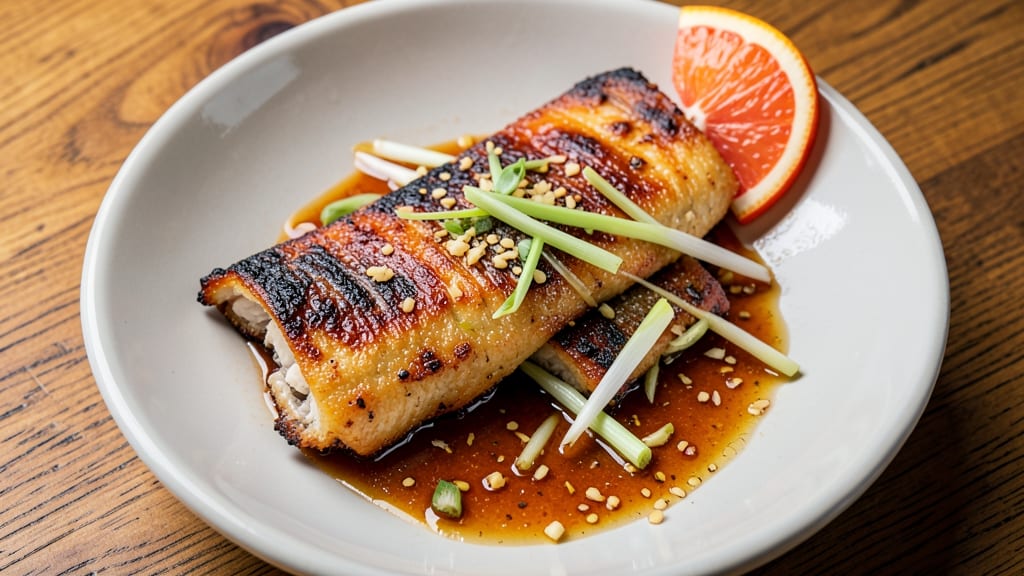
This fried fish with soy sauce and ginger recipe promises the perfect harmony of crispy golden skin and tender flakes, all bathed in a zesty umami sauce that transforms every bite.
The secret lies in a simple marinade of soy sauce, ginger, and a touch of garlic that infuses the fish with bold Asian-inspired flavor while keeping the preparation straightforward. I developed this recipe after years of testing different techniques, and it consistently produces restaurant-quality results at home—no special equipment required.
The beauty of this dish is its versatility. You can pan-fry for a lighter approach or deep-fry for maximum crispiness, and the soy-ginger sauce works equally well as a marinade or finishing drizzle.
The ginger adds a bright, aromatic kick that cuts through the richness of the fried fish, while the soy sauce deepens the umami flavor profile. This recipe is foolproof for beginners but refined enough to impress seasoned cooks.
What you'll end up with is perfectly crispy fish with a tender interior, all coated in a glossy, flavorful sauce that ties every element together. The aroma alone will have everyone gathering around the table, and the first bite delivers that satisfying contrast of textures and flavors.
Whether you're serving it as a main dish or part of a larger spread, this recipe is designed to impress.
Pair it with steamed rice and quick-pickled vegetables for a complete meal, or serve it as part of a larger Asian-inspired feast. The technique here is adaptable—try it with white fish like cod or tilapia, or experiment with firmer varieties like snapper for a heartier bite. Let's get cooking!
Ingredients for fried fish with soy sauce and ginger
Crispy fish, bold flavors, and a simple marinade—just 13 ingredients for restaurant-quality bites.
| Ingredient | Amount | Notes |
|---|---|---|
| White Fish Fillets 🐟 | 1 ½ lb | Cod or tilapia, skin-on preferred |
| All-Purpose Flour 🌾 | 1 cup | For dredging, sifted if lumpy |
| Cornstarch 🌾 | ½ cup | For extra crispiness |
| Soy Sauce 🥄 | ½ cup | Light or dark, not low-sodium |
| Fresh Ginger 🌿 | 2 tbsp | Finely grated, aromatic |
| Garlic Cloves 🧄 | 4 cloves | Minced, fresh preferred |
| Vegetable Oil 🫒 | 3 cups | For deep frying, high smoke point |
| Lemon Juice 🍋 | 2 tbsp | Freshly squeezed, bright acidity |
| Sesame Oil 🫒 | 1 tbsp | Toasted, for finishing |
| Salt 🧂 | 1 tsp | Kosher or sea salt |
| Black Pepper 🌶️ | ½ tsp | Freshly ground for heat |
| Green Onions 🧅 | 3 whole | Thinly sliced, for garnish |
| Sesame Seeds 🌾 | 1 tbsp | Toasted, for crunch |
The fish is the star, so freshness matters. Look for skin-on fillets—the skin crisps beautifully and holds the coating. Whole Foods or your local seafood counter usually have the best selection, but frozen works in a pinch (thaw completely first). For the soy sauce, Kikkoman or Lee Kum Kee are reliable—avoid low-sodium versions, as the salt balance is crucial. The ginger should be bright and aromatic, not woody or dried out (store-bought jars lose potency fast). If using pre-minced garlic, drain and rinse to remove excess moisture, which can make the coating soggy.
No cornstarch? Potato starch or extra flour works, though texture will differ slightly. Running out of sesame oil? A splash of neutral oil plus a pinch of toasted sesame seeds mimics the flavor. The lemon juice can be swapped for white vinegar or rice vinegar, but fresh lemon adds brightness. For a deeper umami kick, add 1 tsp fish sauce to the marinade. If you're pan-frying instead of deep-frying, use less oil (about 0.25 cup) and cook over medium heat to avoid burning. The green onions can be subbed with cilantro or chives, though the color will change.
Store leftover fried fish in an airtight container for up to 2 days, though it's best enjoyed fresh for maximum crispiness. The sauce keeps for 5 days in the fridge—store it separately and reheat gently before drizzling. For longer storage, freeze the fish (without oil) for up to 3 months. To reheat, air-fry at 375°F for 3-4 minutes or pan-fry in a dry skillet for 1-2 minutes per side. The sesame seeds and green onions are best added fresh after reheating for maximum crunch.
Why You'll Love This Recipe
- Pan-Fry in Minutes: I swear, the cornstarch coating crisps up faster than I can wipe my hands on a towel. Just pat the fillets dry, toss in flour and cornstarch, and hit the pan—no waiting for breading to set.
- Ginger-Soy Magic: That fresh ginger and soy sauce combo? It’s like a warm hug for your taste buds. The ginger adds a zingy kick while the soy keeps it rich and savory—no fancy marinades needed.
- Lunchbox or Party Platter: Between us, this is my secret weapon for picnics, potlucks, or just a quick lunch. Pack the leftovers cold for work, or serve it hot at a gathering—everyone clears their plate.
- Budget-Friendly Crunch: White fish is affordable, and a little flour goes a long way. The leftovers reheat beautifully, and honestly? I’ve served this to friends who thought it was from a restaurant. (They never ask for the recipe again.)
Step-by-step instructions for crispy fried fish with soy-ginger glaze
Here's how to achieve perfectly crispy fried fish with a bold soy-ginger marinade and aromatic finish.
Prepare the Marinade and Season the Fish
In a small bowl, combine the 0.5 cup soy sauce, 2 tbsp freshly grated ginger, and 4 minced garlic cloves. Mix thoroughly until the ginger and garlic are fully incorporated. Add 2 tbsp lemon juice and stir again. This marinade will infuse the fish with deep umami and bright citrus notes.
Pat the 1.5 lb white fish fillets completely dry with paper towels—this is crucial for achieving crispy skin. Place the fillets in a shallow dish and pour the marinade over them, ensuring each piece is evenly coated. Let them marinate for 15-20 minutes at room temperature while you prepare the next components. The acidity in the lemon juice will help tenderize the fish slightly, and the ginger will add its signature warmth.
Create the Crispy Battering
In a medium bowl, whisk together the 1 cup all-purpose flour and 0.5 cup cornstarch until fully combined. This blend ensures a lighter, extra-crispy coating compared to flour alone. Add 1 tsp salt and 0.5 tsp freshly ground black pepper to the dry mixture and stir well. The cornstarch will absorb moisture and create a golden, shatteringly crisp crust.
Set up a dredging station by placing three shallow dishes side by side. One will hold the flour-cornstarch mixture, another will contain 3 cups vegetable oil (for frying), and the third will be reserved for the 1 tbsp toasted sesame seeds. Heat the oil in a deep skillet or Dutch oven to 350°F—use a thermometer to monitor the temperature carefully. The oil should be hot enough to sizzle gently when a small piece of flour is dropped in, but not smoking excessively.
Fry the Fish to Perfect Crispiness
Remove the fish from the marinade, allowing any excess to drip off, and dredge each fillet evenly in the flour-cornstarch mixture, pressing gently to adhere the coating. Shake off any excess and carefully place the coated fish into the hot oil. Fry for 3-4 minutes per side until the coating turns a deep golden brown and the fish is cooked through. You'll know it's ready when the crust is crisp and the fish flakes easily with a fork.
During frying, maintain the oil temperature at 350°F—if it drops below 325°F, the coating will absorb oil and become greasy rather than crispy. Work in batches if needed, but avoid overcrowding the pan, as this will lower the oil temperature and result in uneven cooking. Once fried, transfer the fish to a paper towel-lined plate to drain excess oil.
Finish with Aromatic Garnishes
While the fish is still hot, drizzle each piece with 1 tbsp toasted sesame oil and sprinkle with 1 tbsp toasted sesame seeds. Thinly slice the 3 whole green onions and scatter them over the top for a fresh, oniony crunch. The sesame oil adds a nutty depth, while the green onions provide a bright contrast to the rich, savory flavors. Serve immediately to enjoy the fish at its crispest and most flavorful.
This dish delivers a perfect balance of textures—crispy on the outside, tender within, and finished with aromatic garnishes that elevate every bite. The soy-ginger marinade ensures a bold, umami-rich flavor profile that pairs beautifully with the crispy coating and fresh toppings. Enjoy while the fish is still hot and the coating remains shatteringly crisp!
Pro Tips For Making Fried Fish With Soy Sauce And Ginger
- PAT THE FILLETS DRY: I used to skip this step because it felt tedious, but a damp fish fillet won’t crisp—it’ll steam instead. Grab paper towels and press hard for 30 seconds on each side. The extra effort guarantees that golden crust you’re after.
- MIX FLOUR AND CORNSTARCH: Don’t just dust the fillets with flour—combine 70% all-purpose flour with 30% cornstarch in a shallow dish. The cornstarch adds that perfect crunch while the flour binds. Stir it well; lumps ruin the texture.
- FRIED IN BATCHES: Overcrowding drops the oil temperature, and soggy fish is the result. Fry just 2-3 fillets at a time, no matter how impatient you are. A few extra minutes now means a crispy, not greasy, finish.
- GINGER SLICES, NOT GRATES: Skip the food processor—thin, even slices of ginger (about 1/8-inch thick) infuse flavor without bitterness. Toss them in the hot oil for 10 seconds before adding the fish. They’ll crisp slightly and add depth.
Common mistakes when making this recipe
Overcrowding the Fryer
One of the most common mistakes is overcrowding the fryer with too many fish fillets at once. This drops the oil temperature below 325°F, causing the coating to absorb excess oil instead of crisping properly. I learned this the hard way—my first batch turned out greasy and soggy.
Instead, fry in 2-3 batches, giving each piece space to cook evenly. A 10-inch cast iron skillet holds about 2 fillets comfortably. 🔥
Skipping the Drying Step
Wet fish skin is the enemy of crispiness. If you skip patting the fillets completely dry with paper towels, the moisture will steam instead of sizzle in the oil, leading to a limp, greasy crust.
I recommend using two layers of paper towels and pressing firmly—this ensures maximum crispiness. Even a slightly damp surface can ruin the texture.
Incorrect Oil Temperature
Using oil that's too cool (300°F) or too hot (375°F) both ruin the results. At 300°F, the coating becomes greasy; at 375°F, it burns before the fish cooks through.
I use a Thermoworks Smoke thermometer to maintain 350°F consistently. Test with a wooden chopstick—if bubbles form around it immediately, the oil is ready.
Uneven Marinating
Pouring marinade over fish without ensuring full coverage leaves some areas bland. I flip the fillets halfway through marinating to guarantee even flavor distribution. For thicker cuts, consider scoring the flesh lightly with a knife to help the soy-ginger mixture penetrate deeper. This prevents flavorless spots that ruin the dish.
Using Low-Quality Soy Sauce
Not all soy sauces are created equal. Low-sodium or artificial versions lack the deep umami punch needed for this recipe. I recommend Kikkoman Original or Lee Kum Kee Premium—their rich, salty profiles are essential for balancing the ginger's brightness. Avoid "light" soy sauces, which are thinner and less flavorful.
Premature Slicing
Cutting into freshly fried fish too soon releases all the juices, leaving you with dry, flavorless bites. Always let the fish rest for 2-3 minutes after frying before serving. This allows the juices to redistribute, keeping each piece tender and moist.
I place the fish on a wire rack over a baking sheet to drain excess oil while resting. 💡
Nutrition facts
Frequently asked questions
Can I use this recipe with frozen fish?
Yes, but thaw it completely first for best results. Place frozen fillets in a sealed bag and submerge in cold water for 30-45 minutes or use the microwave's defrost setting. Pat them very dry afterward—extra moisture ruins crispiness. For thicker fillets, allow 1-2 hours in the fridge to ensure even thawing.
How do I make this gluten-free?
Swap the flour-cornstarch mix for 1 cup gluten-free all-purpose flour plus 0.25 cup cornstarch (or arrowroot powder). Add 1 tsp xanthan gum if your blend lacks it—this prevents crumbly coatings. The cornstarch still creates crispiness while keeping it gluten-free. Test with a small batch first, as some GF flours absorb differently.
What's the best fish for this recipe?
White, firm fillets work best: cod, tilapia, or snapper for mild flavor, or sea bass for richer taste. Avoid delicate fish like flounder—they fall apart easily. For extra crispiness, use skin-on fillets (the skin acts as a natural barrier). If using frozen, choose previously breaded fillets for convenience, but expect slightly less crispiness.
Can I bake this instead of frying?
Preheat oven to 425°F and brush fillets with 1 tbsp oil after dredging. Bake on a wire rack for 12-15 minutes until golden. For extra crispiness, broil for 2-3 minutes at the end. The texture will be lighter than fried, but still flavorful. Use an oven thermometer to maintain even heat.
How do I store leftovers?
Let fish cool completely, then store in an airtight container for up to 2 days in the fridge. Reheat in a 350°F oven for 5-6 minutes or air-fry at 375°F for 3 minutes to restore crispiness. For longer storage, freeze for up to 3 months. Thaw in the fridge overnight—never at room temperature.