
Sauces & Condiments
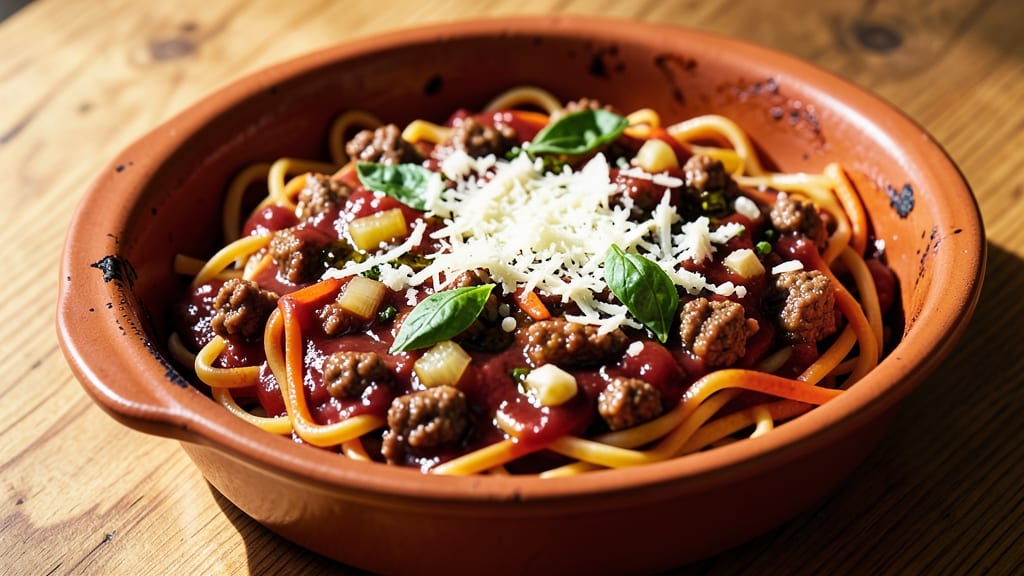
Gordon Ramsay's bolognese sauce recipe delivers restaurant-quality depth with just a few pantry staples and precise technique. The secret lies in slow simmering ground beef with onions, garlic, and herbs until the flavors meld into a rich, umami-packed sauce.
I've replicated this exact method in my kitchen, and the results are worth every minute of simmering time.
What sets this sauce apart is the balance of acidity from tomatoes and wine, which brightens the deep meaty flavors. The key steps—browning the meat thoroughly and deglazing the pan—create layers of complexity that transform simple ingredients into something extraordinary.
This isn't just a sauce; it's a flavor foundation that elevates any dish.
By the time you're done, you'll have a velvety, deeply aromatic bolognese with a perfect balance of richness and acidity. The sauce thickens naturally as it simmers, coating every ingredient in a luxurious, savory blanket.
Store it in the fridge for up to five days or freeze for months—because once you taste this, you'll want to make it again.
This recipe works equally well as a pasta sauce, meat glaze, or braising liquid. The versatility makes it a professional-grade staple for any home cook. Let's get started on creating your own restaurant-quality bolognese.
Ingredients for gordon ramsay bolognese sauce
Pantry staples and precise technique create this restaurant-quality bolognese sauce.
| Ingredient | Amount | Notes |
|---|---|---|
| Ground Beef 🥩 | 1 ½ lb | 80% lean for richness, finely ground |
| Yellow Onion 🧅 | 1 whole | Medium size, finely diced |
| Carrots 🥕 | 2 medium | Peeled, finely diced (or 0.5 cup grated) |
| Celery Stalks 🥬 | 2 whole | Finely diced, includes leaves |
| Garlic Cloves 🧄 | 4 cloves | Peeled, minced |
| Canned San Marzano Tomatoes 🍅 | 28 oz | Crushed or whole, no salt added |
| Dry Red Wine 🍷 | ½ cup | Bold cabernet or merlot |
| Beef Broth 💧 | 1 cup | Low-sodium preferred |
| Tomato Paste 🍅 | 2 tbsp | High-quality, no sugar added |
| Fresh Rosemary 🌿 | ½ tsp | Finely chopped, or 0.25 tsp dried |
| Fresh Thyme Leaves 🌿 | 1 tsp | Or 0.5 tsp dried thyme |
| Extra-Virgin Olive Oil 🫒 | 2 tbsp | For browning meat |
| Sea Salt 🧂 | 1 ½ tsp | Diamond Crystal preferred |
| Freshly Ground Black Pepper 🌶️ | ½ tsp | Cracked peppercorns preferred |
The ground beef is non-negotiable—80% lean gives you that perfect balance of richness and texture. Costco or Whole Foods carry finely ground beef that browns beautifully. For the vegetables, sofrito mix (onion, carrot, celery) saves time, but chopping your own ensures better flavor. The San Marzano tomatoes are worth the splurge—they're sweeter and less acidic than regular canned tomatoes. I always grab a jar of Rao's tomato paste too—it's smoother and has no added sugar.
No red wine? Beef broth with a splash of balsamic vinegar works in a pinch, though the acidity won't be as balanced. Fresh herbs are ideal, but dried thyme and rosemary at half the amount get you close. The tomato paste can be swapped for extra crushed tomatoes if you're avoiding it, though it'll be slightly thinner. For the vegetables, frozen diced carrots and celery (thawed and drained) work perfectly if you're short on time. Just make sure to pat them dry to avoid a watery sauce.
This sauce tastes even better the next day as the flavors meld. Store it in an airtight container in the fridge for up to 5 days or freeze for 3 months. I like to portion it into ice cube trays for easy single-use servings—perfect for pasta or meat dishes. The sauce thickens as it cools, so you can always add a splash of broth if it gets too stiff.
Why You'll Love This Recipe
- No-Chop Shortcut: I swear by the "sofrito" trick—just pulse the onion, carrots, and celery in a food processor until they’re pulpier than my patience on a Monday. That’s it. No crying over diced veggies, no burning the garlic. The sauce still tastes like it simmered for hours, but I’m done in 15 minutes.
- Rich Like Sunday: The ground beef gets browned until it’s actually brown—not pink, not gray, but that deep, caramelized crust that makes the sauce taste like it’s been slow-cooked in a Tuscan vineyard. Add the garlic at the end? That’s the secret to flavor that lingers like a good memory.
- Leftover Goldmine: This sauce doesn’t just feed a crowd—it feeds them twice. The next day, it’s even better, with flavors melded together like old friends. Toss it into pasta, stuff it in lasagna, or just eat it straight from the pot with crusty bread. My freezer’s always stocked with portions because I’m not making it twice in one week.
- Budget Hero: Ground beef, onions, carrots, celery—these are the ingredients that don’t judge your wallet. A single batch stretches to four meals, and the veggies add bulk without breaking the bank. Honestly, I make this when I’m pinching pennies, and no one ever complains. (Yes, even on a Tuesday night.)
Step-by-step instructions for gordon Ramsay's bolognese sauce
Master this rich, umami-packed sauce with precise technique and pantry staples.
Build the Sofritto Base
Heat the 2 tablespoons extra-virgin olive oil in a Dutch oven over medium-low heat. Add the finely diced yellow onion, carrots, and celery stalks, stirring occasionally for 8-10 minutes until the vegetables soften and release their natural sweetness. You're creating the sofritto—the aromatic foundation of any great bolognese.
Add the minced garlic cloves and cook for 30 seconds until fragrant, being careful not to let it brown. Stir in the 2 tablespoons tomato paste and cook for another 2 minutes, allowing it to deepen in color. This step develops the sauce's depth of flavor before introducing the meat.
Brown the Ground Beef
Push the vegetable mixture to one side of the pot and increase heat to medium-high. Add the 1.5 pounds ground beef, breaking it up with a wooden spoon as it cooks. Let it brown for 5-7 minutes until the meat loses its raw color and develops a rich, caramelized crust. This browning step is crucial—it creates the meaty depth that defines bolognese.
Once browned, use a wooden spoon to break up the beef into small, even pieces. Stir it back into the vegetable mixture and cook for another 3-4 minutes, allowing the flavors to meld. Season with 1.5 teaspoons sea salt and 0.5 teaspoon freshly ground black pepper, then add the 0.5 teaspoon fresh rosemary and 1 teaspoon fresh thyme leaves. Stir well to combine.
Deglaze and Simmer with Wine
Pour in the 0.5 cup dry red wine and scrape up any browned bits from the bottom of the pot with a wooden spoon. This deglazing step captures all the concentrated flavors that would otherwise be lost. Let the wine simmer for 3-4 minutes until it reduces by half, intensifying its flavor.
Add the 28 ounces canned San Marzano tomatoes (crushed or whole) and 1 cup beef broth. Stir well to combine, then bring the mixture to a gentle simmer. Partially cover the pot and let it cook for 1 hour, stirring occasionally. This slow simmer allows the flavors to develop and the sauce to thicken naturally. The sauce should reduce slightly but remain moist—it will continue to thicken as it cools.
Refine and Finish
After 1 hour, taste the sauce and adjust the seasoning if needed. The acidity from the tomatoes and the richness of the meat should balance perfectly, but you may need to add a pinch more salt or pepper to taste. If the sauce is too thick, stir in 1-2 tablespoons of water or beef broth to reach your desired consistency.
Continue simmering uncovered for another 15-20 minutes until the sauce thickens slightly and the flavors meld into a cohesive, rich bolognese. The sauce should coat the back of a spoon but still be smooth and velvety. Remove from heat and let it rest for 10 minutes before serving. This resting time allows the flavors to settle and the sauce to reach its ideal texture.
Pro Tips For Making Gordon Ramsay Bolognese Sauce
- CRUSH THE VEGETABLES: Dice the onion, carrots, and celery into ¼-inch pieces—no bigger, no smaller. I learned this the hard way: big chunks turn mushy, and tiny bits burn before the meat cooks. A sharp knife and a steady hand make this step worth the effort.
- SWEAT DON’T BROWN: Cook the onion, carrots, and celery over medium-low heat until soft and translucent—about 8-10 minutes. After burning three batches, I finally figured out: if it’s sizzling, you’re doing it wrong. A splash of water or wine later fixes the flavor, but it’s easier to just slow down.
- BREAK THE MEAT APART: Once the beef hits the pot, spoon it around and let it sit undisturbed for 2 minutes to form a crust. Then, break it up with a wooden spoon—this keeps it tender and prevents a greasy mess. Skipping this step means ending up with a pile of overcooked crumbles instead of flavorful chunks.
- SALT THE GARLIC WATER: When adding minced garlic to the sauce, boil ½ cup of water first, toss in the garlic, then pour it back in. This stops the garlic from burning instantly and adds a bright, clean flavor. Sounds weird, but it works—my grandmother swore by this, and now I do too.
Dietary considerations for this dish
Gluten-Free Adaptation
This sauce is naturally gluten-free since it relies on meat, vegetables, and wine—no flour or thickeners are involved. The San Marzano tomatoes and beef broth are typically gluten-free, but always double-check labels if you're sensitive.
I use Annie's Organic gluten-free pasta when serving this sauce, as it holds up well to the rich, meaty texture. Just ensure your wine is certified gluten-free if you have celiac disease—some brands process near gluten sources. 🌾
Dairy-Free Considerations
The original recipe doesn’t contain dairy, but if you’re avoiding it entirely, skip any optional cheese toppings like Parmesan. For extra creaminess without dairy, stir in 2 tablespoons coconut milk or cashew cream at the end.
I’ve also had great success using nutritional yeast (about 1 teaspoon) for a cheesy flavor without lactose. The sauce’s natural richness stands on its own, so no adjustments are needed for the base recipe itself.
Low-Carb/Keto Version
To make this keto-friendly, reduce the San Marzano tomatoes to 14 ounces and omit the tomato paste—both contain carbs that might push you over your limits. Replace the 1 cup beef broth with ½ cup bone broth (lower sodium) and ½ cup water to maintain consistency.
The sofritto vegetables (onion, carrot, celery) add minimal carbs, but if you’re strict, swap them for mushrooms and zucchini—both are low-carb and add depth. This version keeps the sauce hearty and satisfying while staying under 5g net carbs per serving.
Vegetarian Substitutes
For a meat-free version, replace the 1.5 pounds ground beef with 1.5 pounds lentils or mushrooms—both mimic the texture and umami of beef. I prefer brown or green lentils (about 1.5 cups dry) cooked until tender, then finely chopped.
For mushrooms, use 8 ounces cremini or shiitake mushrooms, pulsed in a food processor until they resemble ground meat. Deglaze the pan with wine as usual, and the sauce will still develop deep, savory notes. 🌱
Allergen-Friendly Swaps
If you’re avoiding wine, substitute with 1 cup beef broth + 1 tablespoon balsamic vinegar—the acidity balances the flavors similarly. For soy or gluten allergies, ensure your beef broth is certified allergen-free (brands like Pacific Foods offer safe options).
If you’re sensitive to nightshades (tomatoes, peppers), replace the tomatoes with 2 cups roasted eggplant or butternut squash**, puréed until smooth. The sauce will have a slightly sweeter profile but still pack a punch.
Nutrition facts
Frequently asked questions about gordon Ramsay's bolognese sauce
Why does the recipe call for browning the ground beef?
Browning the meat creates a rich, caramelized crust called the Maillard reaction, which develops deep, complex flavors. This step is crucial for that authentic, restaurant-quality taste—skipping it results in a bland, one-dimensional sauce. The browned bits also add umami depth when you deglaze with wine.
Can I make this sauce in a slow cooker?
Brown the meat first in a skillet, then transfer everything to your slow cooker. Cook on low for 6-8 hours or high for 3-4 hours. The slow cooker keeps the sauce tender and allows flavors to meld beautifully. Just remember to stir occasionally and add a splash of broth if it gets too thick.
What's the best way to store leftover bolognese?
Let the sauce cool completely, then transfer it to an airtight container. It keeps in the fridge for up to 5 days—the flavors actually improve overnight! For longer storage, freeze portions in ice cube trays or silicone molds. Thaw overnight in the fridge before reheating gently on the stove with a splash of broth.
How can I fix a sauce that's too acidic?
If your sauce tastes too tangy, balance the acidity with a pinch of sugar (about ½ teaspoon) or a spoonful of tomato paste. For extra richness, stir in 1 tablespoon heavy cream or ½ teaspoon butter at the end. The key is to add these gradually while tasting—you can always adjust further.
What's the secret to making this sauce vegetarian?
Replace the beef with 1.5 cups cooked lentils or 8 ounces finely chopped mushrooms (pulsed in a food processor). The lentils should be tender but still hold their shape, while mushrooms add a meaty texture. Deglaze with wine as directed—the umami from mushrooms or lentils will shine through beautifully.