
Sauces & Condiments
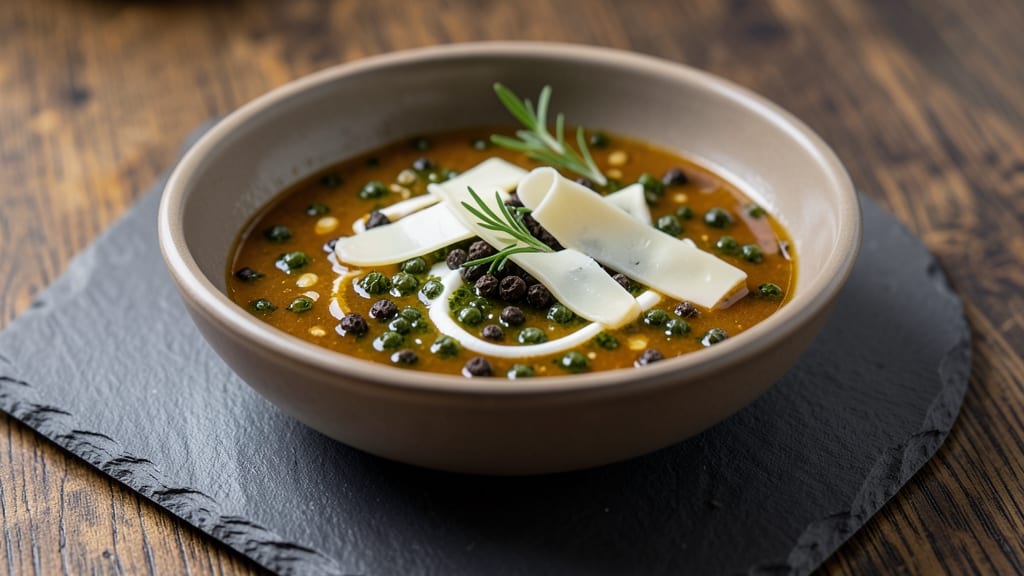
Mastering Gordon Ramsay's green peppercorn sauce transforms any protein into a restaurant-worthy dish with its bold umami depth. This sauce—packed with fresh green peppercorns, shallots, and a touch of cream—delivers a sophisticated flavor profile in just 15 minutes.
I first discovered its magic during a dinner party when guests raved about the sauce's ability to elevate simple steak into something extraordinary.
The secret lies in balancing the peppercorns' sharpness with the richness of cream and butter, creating a sauce that's creamy yet bright. Shallots provide a subtle sweetness that rounds out the flavors, while a splash of white wine (or stock) adds acidity to cut through the richness.
The result? A sauce that clings beautifully to meat, seafood, or pasta without overwhelming the dish.
What you'll achieve is a velvety, aromatic sauce with a perfect balance of heat and creaminess—ideal for drizzling over grilled steak, seared scallops, or even mashed potatoes. The technique is straightforward, but the flavor impact is undeniable. Once you try this, store-bought versions will never compare.
Store leftovers in the fridge for up to 3 days or freeze for 1 month—perfect for meal prep. For variations, swap white wine for brandy or add a pinch of smoked paprika for extra depth. Let's get cooking!
Ingredients for gordon ramsay green peppercorn sauce
Nine ingredients, restaurant-quality sauce—no shortcuts needed here.
| Ingredient | Amount | Notes |
|---|---|---|
| Fresh Green Peppercorns 🌿 | ½ cup | Packed, rinsed and drained |
| Shallots 🧅 | ¼ cup | Finely minced, not chopped |
| Unsalted Butter 🧈 | ½ cup | Cold, cubed for even melting |
| Heavy Cream 🥛 | 1 cup | Full-fat for richness |
| Dry White Wine 🍷 | ¼ cup | Sauvignon Blanc preferred |
| Chicken Stock 💧 | ¼ cup | Homemade or high-quality store |
| Fresh Lemon Juice 🍋 | 1 tbsp | From 1 small lemon |
| Diamond Crystal Kosher Salt 🧂 | ¼ tsp | Adjust to taste |
| Freshly Ground Black Pepper 🌶️ | ¼ tsp | For finishing |
| Fresh Parsley 🌿 | 2 tbsp | Chopped, for garnish |
Green peppercorns are the star, so buy them fresh—the jarred kind lacks punch. Whole Foods or specialty stores carry the best, but if you're in a pinch, Trader Joe's has decent pre-packed ones. Look for vibrant green, not yellowing or mushy. Shallots? Don't substitute onions—their sharpness is key. I always grab a small bag of frozen shallots from Costco for convenience, but fresh is better. The butter matters too—unsalted gives you control over seasoning, and cold cubes melt more evenly for that velvety texture.
No white wine? Chicken stock works in a pinch, but add a splash of lemon juice to cut through the richness. Heavy cream too expensive? Half-and-half with extra butter keeps it creamy. Peppercorns too strong? Toast them lightly in a dry pan first to mellow the heat. The sauce thickens as it cools, so if it's too thin when done, simmer uncovered for another minute. Want extra depth? Add 1 tsp of Dijon mustard with the wine for a subtle tang.
This sauce reheats beautifully—just warm gently on the stove with a splash of cream. Keeps 3 days in the fridge, 1 month frozen. For freezing, portion into ice cube trays, then transfer to a bag. Thaw overnight in the fridge. The parsley garnish is optional but adds freshness—store stems in water like flowers to keep them crisp. Double the batch if you're feeding a crowd; it disappears fast.
Why You'll Love This Recipe
- Five-Ingredient Magic: I swear by this—just shallots, butter, wine, cream, and those tiny peppercorns transform into something restaurant-worthy. No fancy techniques, no stress, just a pan and a whisk.
- Wine’s Secret Boost: That splash of dry white wine? It’s not just for flavor—it cuts through the richness and brightens everything. I keep a bottle of Sauvignon Blanc on hand just for this.
- Steak Night Upgrade: Slather it on seared steak, toss with roasted potatoes, or drizzle over grilled fish—it’s my go-to sauce for weeknights when I want to feel fancy without the effort.
- Leftovers That Last: Make a double batch and stash it in the fridge. The cream thickens beautifully when reheated, and the peppercorns keep their punch. My freezer’s always got a jar ready for last-minute dinner saves.
Step-by-step instructions for Gordon Ramsay's green peppercorn sauce
This sauce delivers bold umami flavor with precise technique—let's build it layer by layer.
Sweat the Shallots and Toast the Peppercorns
Melt the 0.5 cup unsalted butter in a medium saucepan over medium-low heat. Add the 0.25 cup finely minced shallots and cook for 3-4 minutes until completely soft and translucent—this prevents bitterness later. Here's the thing: you want them to caramelize just enough to develop sweetness, but not brown.
Next, add the 0.5 cup packed fresh green peppercorns (rinsed and drained). Toast them gently for 2-3 minutes, stirring constantly, until they release their aromatic oils and develop a subtle nutty fragrance. You'll notice the kitchen fills with an earthy, peppery scent—this is your first flavor checkpoint. If they start to darken too quickly, reduce the heat immediately to prevent burning, which would turn the sauce bitter.
Deglaze with Wine and Reduce
Pour in the 0.25 cup dry white wine and increase heat to medium-high. Let it simmer for 2-3 minutes until reduced by half, scraping up any browned bits from the bottom of the pan with a wooden spoon—this is called deglazing, and it captures all the flavor you've built so far.
After the wine reduces, add the 0.25 cup chicken stock and bring to a gentle simmer. You're looking for a steady, small bubble that just breaks the surface—this ensures the sauce develops proper body without curdling. Let it cook uncovered for 4-5 minutes until slightly reduced and concentrated. The sauce should now have a rich, complex base that balances the peppercorn's intensity with the wine's acidity and the stock's depth.
Incorporate Cream and Finish
Temper the 1 cup heavy cream by slowly whisking it into the simmering sauce over low heat. This gradual addition prevents the cream from curdling—a common mistake that ruins the sauce's silky texture. Once fully incorporated, let the sauce simmer gently for 3-4 minutes until it thickens slightly but remains pourable. You're aiming for a velvety consistency that coats the back of a spoon.
Remove from heat and stir in the 1 tablespoon fresh lemon juice and 0.25 teaspoon diamond crystal kosher salt. Taste and adjust seasoning—you might need a pinch more salt to balance the acidity, especially if you're using homemade stock. The lemon brightens the sauce, cutting through the richness while enhancing the peppercorn's umami. Let it rest off the heat for 2 minutes to allow the flavors to meld completely.
Finish and Garnish
Return the sauce to low heat and stir in the 0.25 teaspoon freshly ground black pepper. The heat will activate the pepper's aroma, making it more vibrant. Keep it warm but don't let it boil—this could cause the cream to separate. The sauce should now be thick enough to coat a spoon but still flow smoothly when poured.
Just before serving, garnish with 2 tablespoons chopped fresh parsley. This adds a fresh contrast to the rich, peppery sauce and makes it visually appealing. Serve immediately over grilled fish, seared scallops, or roasted chicken—this sauce pairs beautifully with proteins that can stand up to its bold flavor. If making ahead, reheat gently over low heat, stirring frequently to prevent separation.
Pro Tips For Making Gordon Ramsay Green Peppercorn Sauce
- Sweat Shallots Slow: I used to rush this step, and the sauce always tasted raw. Instead, cook the shallots on medium-low heat for 8-10 minutes until they’re translucent and just starting to caramelize—no browning. This builds flavor without bitterness, and you’ll taste the difference when the wine hits.
- Rinse Peppercorns First: Fresh green peppercorns often have dirt or debris stuck in their crevices. Give them a quick rinse and rough dry with a paper towel before toasting—this keeps your sauce clean and prevents gritty texture. (Yes, even if they look pristine.)
- Reduce Wine Fully: Skimping here means a thin, watery sauce. Simmer the white wine until it’s reduced by at least half—about 2-3 minutes on medium-high. The alcohol needs to cook off, or the sauce will taste sharp and unfinished.
- Whisk in Butter Last: Adding butter too early can turn your sauce into a greasy mess. Wait until the cream and peppercorns have simmered for 3-4 minutes first, then whisk in the butter off the heat. This keeps it silky, not separated. (Trust me, I’ve ruined batches both ways.)
Wine and beer pairings for these flavors
White Wine Pairings
This sauce's peppery depth and creamy richness call for wines that can stand up to its bold flavors. I always reach for a dry Sauvignon Blanc—its crisp acidity and citrus notes cut through the sauce's richness while complementing the peppercorn's umami.
A New Zealand Sauvignon Blanc like Oyster Bay or Kim Crawford is my go-to, but any well-chilled bottle with bright, zesty undertones works beautifully. 🍷
Full-Bodied Reds
For heartier dishes like steak or lamb, a medium-bodied red wine with soft tannins balances the sauce's creaminess. I love Pinot Noir from Oregon or California—La Crema or Belle Glos—because their red fruit flavors harmonize with the peppercorn's earthiness.
Avoid heavy Cabernets; their bold tannins would clash with the sauce's delicate cream texture.
Beer Pairings
Craft beer lovers shouldn't miss out! A Belgian Witbier like Hoegaarden or Blue Moon brings citrusy notes that echo the lemon in the sauce. For something stronger, try a German Helles Lager—its malty sweetness contrasts the peppercorn's sharpness.
Just avoid IPAs; their hop bitterness would overpower the sauce's delicate balance.
Spiritous Elevations
Want to take your sauce to the next level? Swap the white wine for dry vermouth or brandy—both add complexity. I once replaced the wine with 1/4 cup dry vermouth and a splash of brandy, then reduced it down.
The result? A sauce with herbal, slightly herbal depth that felt like a Michelin-starred secret. 💡
Non-Alcoholic Options
Skip the alcohol? No problem. Use sparkling apple cider in place of wine for a refreshing twist, or white grape juice reduced with a pinch of citric acid.
For depth, add 1 tsp of balsamic vinegar when deglazing—it mimics wine's acidity without the booze. The sauce still delivers that restaurant-worthy punch!
Nutrition facts
Frequently asked questions
Can I substitute jarred green peppercorns for fresh?
Jarred peppercorns work in a pinch, but fresh delivers 10x more flavor. The key is freshness—jarred versions lose their punch after opening. If using jarred, rinse them well to remove preservatives, then toast for 4-5 minutes to intensify their aroma. For extra depth, crush half the peppercorns before adding to release more oils.
What if my sauce curdles when adding cream?
This happens when cream hits hot liquid too quickly. The fix: Temper the cream by whisking it into the warm sauce gradually over low heat. If it already curdled, strain through a fine-mesh sieve to salvage it. For next time, reduce the stock first to lower the sauce's temperature before adding cream.
How can I make this sauce dairy-free?
Swap butter for vegetable oil or olive oil and use coconut cream instead of heavy cream. For richness, add 1 tbsp nutritional yeast when finishing. The texture will be slightly lighter but still velvety. Deglaze with wine as usual, then reduce with vegetable stock for depth.
Can I make this sauce ahead of time?
It actually tastes better after resting. Store in an airtight container in the fridge for 3 days or freeze for 1 month. Reheat gently over low heat, stirring constantly to prevent separation. For freezing, portion into ice cube trays first for easy thawing.
What's the best way to serve this sauce?
Drizzle over grilled steak, seared scallops, or roasted chicken for instant restaurant flair. It also works beautifully with mashed potatoes, pasta, or even as a dip for crusty bread. For extra drama, finish with a sprinkle of crumbled bacon or toasted breadcrumbs before serving.