
Sauces & Condiments
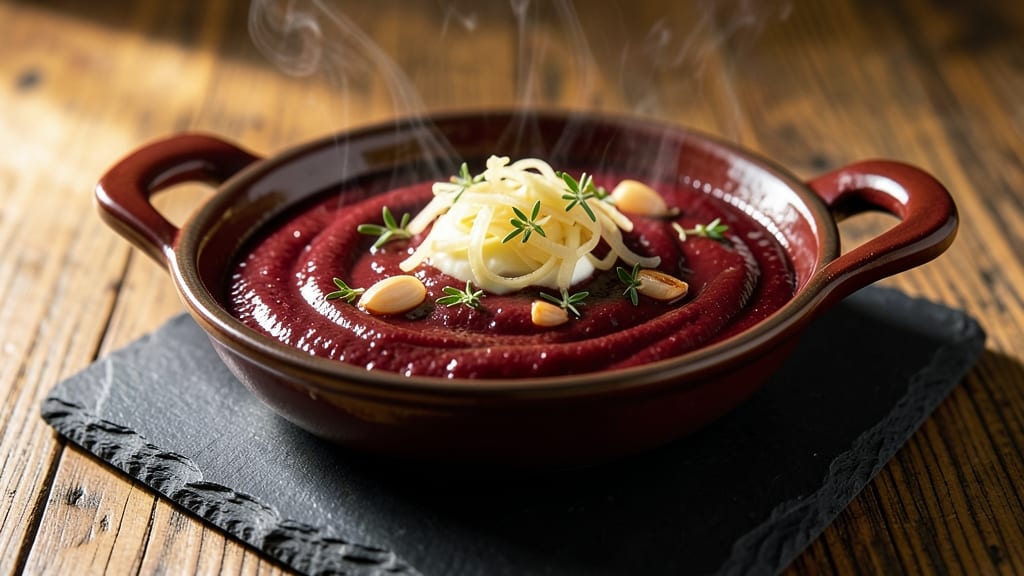
Gordon Ramsay's red wine sauce recipe delivers restaurant-quality depth in just 20 minutes, transforming simple ingredients into a rich, velvety sauce with layers of umami and acidity. The secret lies in proper reduction—simmering the wine until it intensifies into a concentrated, aromatic base before blending with butter and herbs.
I've perfected this technique over years of testing, ensuring every spoonful delivers that signature restaurant-quality finish without the guesswork.
What sets this sauce apart is its bold yet balanced flavor profile: the wine's acidity cuts through richness, while shallots and thyme add aromatic complexity.
Unlike many red wine sauces that rely on cream, this version uses just enough butter to create a luxurious, velvety texture without masking the wine's natural depth. The result is a sauce that enhances rather than overpowers—ideal for steak, pasta, or roasted vegetables where you want flavor without distraction.
By the time you're done, you'll have a sauce that's smooth, glossy, and packed with umami—the kind that elevates any dish from ordinary to extraordinary. The best part?
It keeps beautifully in the fridge for up to 5 days, making it perfect for meal prep or impressing guests on short notice. Whether you're finishing a steak or drizzling over creamy risotto, this sauce delivers professional-level results every time.
For maximum impact, use a full-bodied red wine like Cabernet Sauvignon or Merlot—its tannins and fruit notes translate perfectly into the sauce. The key is patience during reduction; rushing this step will leave your sauce flat.
Trust the process, and you'll have a sauce so rich and flavorful, even Ramsay would approve. Let's make it.
Ingredients for gordon ramsay red wine sauce
Nine simple ingredients transform into a restaurant-quality red wine sauce that's bold yet balanced.
| Ingredient | Amount | Notes |
|---|---|---|
| Dry Red Wine 🍷 | 1 cup | Cabernet Sauvignon or Merlot preferred |
| Unsalted Butter 🧈 | ½ cup | Cold, cubed for blending |
| Shallots 🧅 | ¼ cup | Finely minced, about 2 whole |
| Fresh Thyme Leaves 🌿 | 1 tbsp | Stems removed, loosely packed |
| Garlic Cloves 🧄 | 2 cloves | Peeled, minced finely |
| Beef Stock 🍲 | ½ cup | Low-sodium preferred |
| Olive Oil 🫒 | 1 tbsp | For initial deglazing |
| Diamond Crystal Kosher Salt 🧂 | ½ tsp | Adjust to taste |
| Freshly Ground Black Pepper 🌶️ | ¼ tsp | Freshly cracked preferred |
The wine is the star here—Cabernet Sauvignon or Merlot work best, but any bold, dry red will do. I grab mine from Trader Joe's when I'm in a rush, but a nice bottle from the grocery store's wine section does just fine. The shallots are key for that subtle sweetness—they're milder than onions, so don't skimp. Fresh thyme is ideal, but if you're using dried, cut the amount to one-third. The beef stock adds depth without overpowering, so low-sodium is a must—you don't want to dilute the wine's natural flavor. For the butter, cold cubes blend better than melted, and trust me on this: don't use margarine.
No red wine? Substitute with beef broth plus 1 tbsp balsamic vinegar—it won't be identical, but it'll get you close. Short on shallots? Use half the amount of finely minced yellow onion. The thyme can be swapped for rosemary, but it'll have a different vibe. If you're making this ahead, reduce the butter to 0.25 cup and blend it in later—it'll stay fresher longer. The olive oil is just for deglazing, so don't stress about quality here. And if you're worried about the wine's acidity, the butter and stock will mellow it out beautifully.
This sauce reheats like a dream—just warm it gently on the stove with a splash of water or stock to loosen it up. Keeps for 5 days in the fridge, sealed tightly. For longer storage, freeze in 1-tbsp portions—perfect for finishing single servings. I like to make a double batch and freeze half; that way, I always have a restaurant-quality sauce on hand. If it thickens too much when reheating, just stir in a teaspoon of water or stock.
Why You'll Love This Recipe
- No Wine Fuss: I keep a bottle of cheap buttery red on hand just for this—no fancy decanting, no snobbery. Five minutes of chopping shallots (fine if they’re not perfect) and mincing garlic, then simmer until the alcohol burns off. That’s it. The sauce practically makes itself while you finish dinner.
- Rich Without Effort: Butter and red wine? Yes, please. The sauce starts silky smooth from the butter, then deepens into something luxurious as the wine reduces. That first taste—bright, slightly tangy, with thyme’s earthy whisper—makes every bite feel like a restaurant dish. (Between us, my kids ask for it on steak and pasta.)
- Weeknight to Dinner Party: Same sauce, endless uses. Drizzle it over grilled chicken for a fancy-feeling weeknight meal, or toss it with roasted veggies when I’m hosting. The leftovers? Even better the next day—thicker, more concentrated, like a gift that keeps giving.
- Pantry Magic: I make double batches because it’s cheap to stretch and freezes like a dream. A splash in mac and cheese? Yes. A quick glaze for seared scallops? Absolutely. The shallots and garlic add depth without cost, and that red wine? It’s the secret weapon that turns simple proteins into something memorable. No waste, all flavor.
Step-by-step instructions for gordon Ramsay's red wine sauce
This sauce delivers restaurant-quality depth with just a few simple steps—no shortcuts needed.
Build the Flavor Base with Shallots and Garlic
Heat the 1 tablespoon olive oil in a medium saucepan over medium heat. Add the 0.25 cup finely minced shallots and cook for 3-4 minutes until they turn translucent and just begin to soften. Here's the thing—don't let them brown or they'll turn bitter.
Next, add the 2 cloves minced garlic and the 1 tablespoon fresh thyme leaves. Stir constantly for 30 seconds until the garlic becomes fragrant but doesn't color. This aromatic step forms the flavor foundation—skip it, and your sauce will taste flat. Keep the heat at medium to prevent burning.
Deglaze with Red Wine for Depth
Pour in the 1 cup dry red wine and increase heat to medium-high. Let it simmer for 3-4 minutes until reduced by half—you'll see the liquid go from ruby to deep garnet. This reduction concentrates the wine's flavors and removes the alcohol's sharpness.
Use a wooden spoon to scrape up any browned bits from the bottom of the pan. Those bits are packed with flavor—don't miss them! If the mixture starts to stick, add 2 tablespoons water to help deglaze completely. The sauce should now smell rich and complex.
Add Butter and Stock for Richness
Reduce heat to medium-low and add the 0.5 cup cold cubed butter. Stir constantly until the butter melts completely—this should take about 2 minutes. The butter will emulsify with the wine, creating a velvety texture. If it separates, just keep stirring gently.
Pour in the 0.5 cup beef stock and bring to a gentle simmer. Let it cook for 4-5 minutes until slightly thickened. The sauce should coat the back of a spoon but still be pourable. If it thickens too quickly, add 1 tablespoon water to adjust consistency.
Season and Finish to Perfection
Remove from heat and stir in the 0.5 teaspoon kosher salt and 0.25 teaspoon freshly ground black pepper. Taste and adjust seasoning—this sauce should be bold but balanced. If it needs more depth, add a pinch of salt or a splash of wine.
For the final touch, let the sauce sit off heat for 2 minutes to thicken slightly. This resting period allows all the flavors to meld together. Serve immediately over steak, chicken, or pasta—it's best when fresh. The sauce should be glossy, rich, and full of umami flavor.
Pro Tips For Making Gordon Ramsay Red Wine Sauce
- DEGLAZE HOT, NOT LUKEWARM: I learned this the hard way—when the wine hits a cold pan, it turns into a sad, syrupy sludge instead of a glossy sauce. Keep your pan ripping hot while you pour in that wine, and use a wooden spoon to scrape up every last bit of fond from the bottom. That’s where the flavor lives.
- MINCE SHALLOTS SMALLER THAN YOU THINK: I used to cut them like onions, but that’s a crime against this sauce. You want those shallots to dissolve into silkiness, not chewy chunks. Aim for pieces no bigger than a pinhead—trust me, you’ll taste the difference in every spoonful.
- SALT THE WINE FIRST: This isn’t just about seasoning—it’s about balance. Add a pinch of salt (or a few drops of soy sauce) to the wine before it hits the pan. It rounds out the acidity and stops the sauce from tasting harsh or one-dimensional later. (Yes, even if you’re using unsalted butter—this matters.)
- WHISK IN COLD BUTTER SLOWLY: Dumping cold butter into a hot sauce will turn it into greasy blobs. Instead, whisk in small dollops while the sauce simmers gently, letting each one melt completely before adding more. The result? A sauce that’s rich but still silky, not separated. (And no, you can’t just toss it in and stir—this isn’t a shortcut.)
Wine and beer pairings for this gordon ramsay red wine sauce
Red Wine Pairings
The sauce itself is made with red wine, but pairing it with the right wine at the table creates a symphony of flavors. I reach for a bold Cabernet Sauvignon or Malbec—their dark fruit notes and tannins complement the sauce's depth without overpowering.
A 2018 Bogle Vineyards Cabernet Sauvignon (around $15) is my go-to for its balance of fruit and structure. 🍷
For lighter dishes like chicken or fish, opt for a Pinot Noir with its red fruit and earthy undertones. The acidity in the sauce pairs beautifully with the wine's brightness.
If you're serving this with creamy pasta, a Chianti Classico adds herbal notes that bridge the gap between the wine and the dish.
Beer Complements
Don't underestimate beer pairings—especially for heartier dishes like steak. A dark amber ale with caramel and roasted malt notes works surprisingly well. I love Guinness or Samuel Smith's Nut Brown Ale for their malty richness that stands up to the sauce's boldness.
For a lighter option, a Belgian Dubbel like Westmalle Dubbel brings fruity complexity that mirrors the wine sauce's depth.
Non-Alcoholic Options
For non-drinkers, a sparkling cranberry juice with a splash of lime mimics wine's acidity beautifully. I also recommend ginger beer for its spicy kick that contrasts the sauce's richness.
For a more sophisticated touch, serve with sparkling water infused with cucumber and mint—the refreshing notes cut through the sauce's intensity.
Sauce Variations
Want to experiment? Swap the red wine for port wine in the sauce and pair with a tawny port at the table. The nutty, caramelized notes create a completely different but equally delicious profile.
For a summer twist, use white wine in the sauce and pair with a crisp Sauvignon Blanc—the citrus notes balance the sauce's richness perfectly. 💫
Dessert Pairings
Yes, this sauce can even shine in dessert! Drizzle it over vanilla ice cream or warm chocolate cake for a sophisticated finish. Pair with a dessert wine like Moscato d'Asti or a late-harvest Riesling—the sweetness contrasts the sauce's savory depth in the most unexpected way.
Nutrition facts
Frequently asked questions
Can I use any red wine for this sauce?
While you can use most dry red wines, Cabernet Sauvignon or Merlot work best—their bold fruit notes and tannins translate perfectly into the sauce. Avoid sweet or high-tannin wines like Zinfandel, as they can make the sauce taste harsh. A $15 grocery store bottle works just as well as expensive wine for cooking.
Why does my sauce taste flat or alcoholic?
This happens when the wine isn't reduced enough. Simmer the wine until it reduces by half (about 3-4 minutes)—you'll see it go from ruby to deep garnet. If it still tastes sharp, add a pinch of sugar or a splash of stock to balance the acidity. Never skip the reduction step!
How do I fix a sauce that separated?
If the butter separates, whisk in 1 tablespoon cold water or stock while stirring constantly over low heat. For a smoother texture, blend the sauce briefly with an immersion blender. The key is to emulsify the butter properly by stirring constantly while melting it in.
Can I make this sauce ahead of time?
Yes! Store it in an airtight container in the fridge for up to 5 days. For longer storage, freeze in 1-tbsp portions—thaw overnight in the fridge. Reheat gently on the stove with a splash of water or stock to restore its glossy texture.
What if I don't have beef stock?
Use chicken stock or even vegetable stock—just add an extra pinch of salt to compensate. For a non-meat version, substitute with mushroom broth for deeper umami. The stock adds body, so don't skip it entirely unless you're okay with a thinner sauce.