
Sauces & Condiments
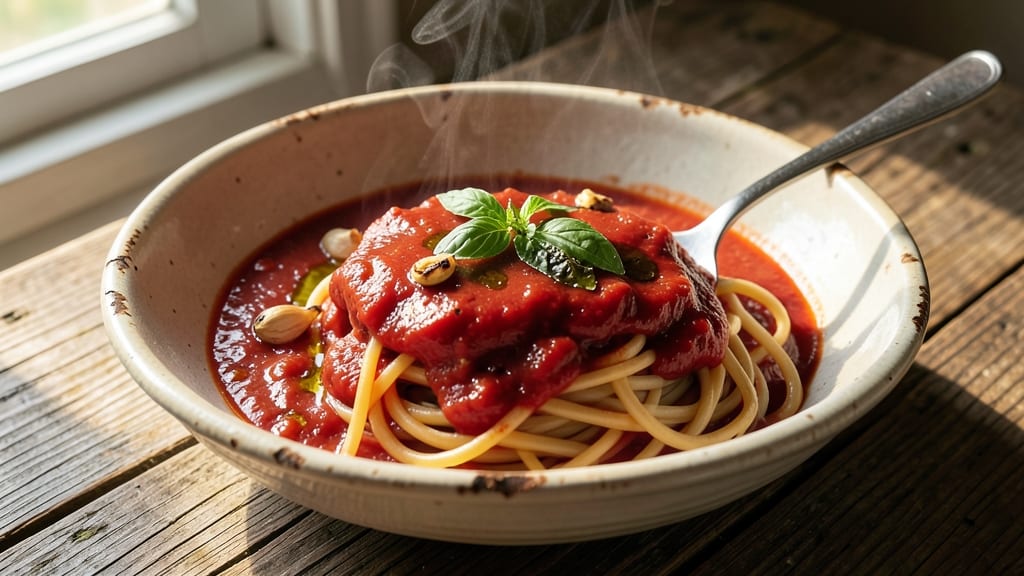
Grandma's red sauce recipe transforms simple pantry staples into a rich, velvety sauce with layers of tomato flavor that deepen the longer it simmers. The secret lies in slow cooking canned tomatoes until they break down into a thick, aromatic paste—no fresh tomatoes required.
I first learned this method from my grandmother, who swore by its ability to elevate everything from pasta to meatballs.
What makes this sauce special is its simplicity and versatility. With just five core ingredients—canned tomatoes, garlic, olive oil, salt, and a touch of sugar—you create a foundation that can be customized with herbs, spices, or even a splash of wine.
The sauce develops its richest flavor after simmering for at least two hours, allowing the natural sweetness of the tomatoes to caramelize and intensify.
By the end, you'll have a deeply flavorful, thickened sauce that coats pasta perfectly and adds richness to any dish. The texture is smooth yet slightly rustic, with a balance of acidity and sweetness that makes it impossible to resist.
This is the kind of sauce that tastes even better the next day, making it ideal for meal prep or gifting.
The best part? You can use it immediately or store it in the refrigerator for up to five days, or freeze it for months. Whether you're making a classic marinara or a bold arrabbiata, this sauce delivers restaurant-quality depth with minimal effort.
Let’s get started on creating a sauce that will become your new kitchen staple.
Ingredients for grandma's red sauce
Five pantry staples create Grandma's deeply flavorful red sauce—simmered until tomatoes melt into velvety perfection.
| Ingredient | Amount | Notes |
|---|---|---|
| San Marzano Tomato Cans 🍅 | 28 oz | Whole peeled tomatoes, no salt added |
| Extra-Virgin Olive Oil 🫒 | ¼ cup | High quality, fruity variety |
| Garlic Cloves 🧄 | 4 cloves | Freshly peeled, whole |
| Granulated Sugar 🍚 | 1 tbsp | Balances acidity |
| Kosher Salt 🧂 | 1 ½ tsp | Adjust to taste |
| Dried Basil 🌿 | 1 tsp | Or 1 tbsp fresh basil |
| Red Wine 🍷 | ½ cup | Optional, dry variety |
| Fresh Basil Leaves 🌿 | ¼ cup | For finishing (optional) |
The tomatoes are everything here. San Marzano cans are the gold standard—they're sweeter and less watery than regular brands. Trader Joe's and Whole Foods carry them, or check the Italian section at any grocery store. If you can't find them, any high-quality canned tomatoes work, but avoid those with added salt. The garlic should be fresh—no pre-minced jars here. I always buy a whole head and peel the cloves myself (takes 30 seconds). For the olive oil, California avocado oil or a good Spanish olive oil works too—just avoid anything that smells harsh or overly peppery.
No red wine? No problem. Substitute with extra tomato paste or beef broth for depth. The sugar is key—it balances the acidity of the tomatoes and helps thicken the sauce. Brown sugar works too, but white granulated is more neutral. Fresh basil is ideal, but dried basil at one-third the amount gets you close. If you're feeling fancy, add a splash of balsamic vinegar at the end for extra richness. The sauce will keep developing flavor as it cooks, so don't rush it—patience is the secret ingredient here.
This sauce tastes even better the next day as the flavors meld. Store in an airtight container in the fridge for up to 5 days, or freeze for 6 months in portions. I like to freeze it in ice cube trays for easy single-serving use later. The texture will thicken more after refrigeration, so add a splash of water or broth if it gets too stiff when reheating. Double the batch—you'll want leftovers.
Why You'll Love This Recipe
- No Chopping Needed: I swear by this recipe because it only asks for two things to prep: crushing garlic and opening a can. That’s it. No onions to cry over, no herbs to measure—just the sweet, juicy San Marzano tomatoes doing all the work while you stir.
- Sweet-Savory Magic: That pinch of sugar isn’t just for show—it balances the acidity so the sauce sings. Low and slow in a simmering pot with olive oil, the garlic turns golden and fragrant, while the tomatoes melt into a velvety consistency that clings to pasta like it’s been waiting its whole life for it.
- Pantry-to-Table Hero: This sauce is my go-to for lazy Sundays, last-minute company dinners, or when I’m too tired to think. Drizzle it over spaghetti, toss it with roasted veggies, or slather it on grilled chicken—it’s the kind of thing that turns a simple meal into something that feels special without trying too hard.
- Makes More Than You’ll Use: Between us, I always double the batch. The leftovers freeze like a dream (thank you, San Marzano’s thick texture) and turn a Tuesday night into a “oh, we’re having Italian again?” moment. Plus, it’s cheap—cans of tomatoes and a head of garlic won’t break the bank, but the flavor? Priceless.
Step-by-step instructions for grandma's red sauce
This sauce builds flavor slowly—don't rush it. Patience here makes all the difference.
Sauté Garlic in Olive Oil
Heat the 0.25 cup extra-virgin olive oil in a large saucepan over medium-low heat. Add the 4 whole garlic cloves and cook until they're golden around the edges but not browned—about 3-4 minutes. You want fragrant, not burnt. Remove the garlic cloves with a slotted spoon and set them aside for later.
Here's the thing—cooking garlic too long turns it bitter. You'll know it's ready when the oil smells rich and nutty, like garlic confit. Keep the oil in the pan; it's the foundation of your sauce.
Add Tomatoes and Simmer
Pour in the 28 oz San Marzano tomato cans, crushing the tomatoes with your hands as you add them. This breaks them up into chunks while keeping some texture. Stir in the 1 tbsp granulated sugar and 1.5 tsp kosher salt—the sugar balances the acidity while the salt enhances all the flavors.
Bring the mixture to a gentle simmer over medium heat. Here's where the magic happens: let it cook uncovered for 30-40 minutes until the sauce thickens and reduces by about a third. Stir occasionally, but don't obsess—just let it work. You're looking for a sauce that coats the back of a spoon with a glossy sheen.
Build Depth with Wine and Basil
After the tomatoes have reduced, stir in the 0.5 cup red wine. The alcohol will cook off quickly, leaving behind concentrated flavor. Add the 1 tsp dried basil and the reserved garlic cloves you set aside earlier. Simmer for another 10-15 minutes until the wine is completely evaporated and the sauce has thickened further.
This is the moment that matters: the wine adds complexity that you wouldn't get from just tomatoes and oil. The dried basil provides earthy notes, while the garlic cloves infuse subtle sweetness. Taste the sauce now—it should be rich, slightly sweet, and deeply tomatoey.
Finish with Fresh Herbs
Remove the sauce from heat and stir in the 0.25 cup fresh basil leaves. Let it steep for 5 minutes off the heat—this allows the fresh basil to infuse the sauce with bright, aromatic notes. The leaves will wilt and soften, releasing their oils into the sauce.
I know it seems weird to add fresh herbs at the end, but trust me—this step makes the difference between good sauce and extraordinary sauce. The fresh basil brightens all the deep, simmered flavors. If you're serving immediately, you can skip this step, but for the best results, let the sauce sit while you finish your pasta.
Adjust and Serve
Taste the sauce one final time and adjust the seasoning if needed. You might need a pinch more salt or sugar, depending on the acidity of your tomatoes. The sauce should be rich, velvety, and balanced—not too sweet, not too tart, not too salty.
This sauce is perfect for tossing with pasta, but it also freezes beautifully for up to 3 months. Let it cool completely before transferring to airtight containers. When you're ready to use it, just reheat gently on the stove—no need to add water or oil. Each bite should remind you of grandma's kitchen.
Pro Tips For Making Grandma'S Red Sauce
- CRUSH GARLIC FIRST: I used to toss whole cloves into the pot and hope for the best—don’t. Mince the garlic finely (or pulse it in a food processor) so it dissolves completely into the olive oil. This prevents bitter, raw garlic bits lurking in your sauce, especially since San Marzano tomatoes are mild and won’t overpower them.
- SIMMER LOW AND LONG: After adding the crushed tomatoes and sugar, resist the urge to boil aggressively. Keep the heat at a gentle simmer—just tiny bubbles breaking the surface—and let it cook uncovered for at least 45 minutes. This deepens the flavor without turning the sauce into tomato paste.
- SALT IN LAYERS: Taste the tomatoes first (yes, right out of the can) and add a pinch of salt before cooking. Then adjust again after simmering—acidity mellows, so what tasted perfect raw might need more later. Granulated sugar works, but a quick pinch of red pepper flakes here can balance sweetness too.
- SKIP THE SUGAR IF NOT NEEDED: San Marzano tomatoes are naturally sweet—test one first. If it’s already rich and mellow, skip the sugar entirely. I’ve ruined batches by overcompensating, turning the sauce cloyingly sweet. A tiny taste is all you need.
Flavor customization for this recipe
Sweet and Tangy
Add 1 tbsp balsamic vinegar at the end for a sweet-tangy depth that pairs perfectly with rich meats like meatballs or sausage. For extra sweetness, stir in 2 tbsp tomato paste during the initial simmer—this caramelizes beautifully and adds a glossy finish.
I also love adding ½ tsp cinnamon for warmth, especially when serving with pork dishes. 🌶️
Herb-Infused Variations
Swap dried basil for 1 tsp dried oregano for a Mediterranean twist that works well with grilled chicken or roasted vegetables. For a brighter profile, add 1 tsp dried thyme along with the basil—it adds an earthy complexity that elevates the sauce for hearty dishes like lasagna.
Fresh rosemary (2 sprigs) infused during the simmer adds a piney aroma that pairs beautifully with lamb.
Spicy Arrabbiata Style
Transform this sauce into a fiery arrabbiata by adding 1-2 tsp red pepper flakes during the initial simmer. For a smoother heat, stir in 1 tbsp tomato paste and ½ tsp smoked paprika—this gives a subtle smokiness that balances the spice.
I also like adding 1 minced jalapeño for fresh heat. Serve with penne or toss with grilled shrimp for a restaurant-worthy dish. 🔥
Creamy Twist
For a velvety texture, stir in ¼ cup heavy cream or ½ cup ricotta cheese at the very end, just before serving. This works amazingly with creamy pasta dishes like fettuccine Alfredo or as a dipping sauce for crusty bread.
If you prefer a lighter option, use ¼ cup Greek yogurt for tanginess without heaviness. The creaminess contrasts beautifully with the sauce’s acidity.
Umami Boost
Add depth with 1 tbsp soy sauce or 1 tsp fish sauce during the final 10 minutes of simmering. This works surprisingly well and adds a savory dimension that pairs perfectly with Asian-inspired dishes like stir-fries or noodles.
For a meatier flavor, stir in 1 tbsp Worcestershire sauce—it’s a secret weapon in many classic sauces. 💡
Seasonal Adjustments
In summer, brighten the sauce with ½ cup fresh cherry tomatoes (diced) and a handful of basil leaves at the end. For winter, add 1 tsp dried marjoram and a pinch of nutmeg for warmth.
Roasted garlic (2 cloves instead of fresh) adds a mellow sweetness that’s perfect for holiday meals. Each season brings its own unique character to the sauce. ✨
Nutrition facts
Frequently asked questions
Can I use fresh tomatoes instead of canned?
Fresh tomatoes work but require extra prep. Peel, seed, and chop 3-4 large tomatoes (about 2 cups) to match the 28 oz canned equivalent. Simmering fresh tomatoes takes longer to break down, so expect 45-60 minutes of cooking time instead of 30-40 minutes. For best results, roast the tomatoes first to concentrate their flavor.
Why does my sauce taste too acidic?
The acidity comes from the tomatoes, but you can balance it easily. Add ½ tsp more sugar or 1 tsp tomato paste to sweeten, or stir in 1 tbsp balsamic vinegar for tangy depth. Simmer for an extra 10 minutes to let flavors meld—sometimes patience is the best fix.
How do I make this sauce thicker?
Simmer uncovered for 15-20 extra minutes to reduce the liquid naturally. For immediate thickening, mix 1 tbsp cornstarch with 2 tbsp water, stir into the sauce, and cook for 2-3 minutes until it gels. Avoid over-mixing to prevent clumping. The sauce will thicken more as it cools, so don't rush it!
Can I make this sauce in a slow cooker?
Combine all ingredients in your slow cooker and cook on low for 4-5 hours or high for 2-3 hours. The slow cooking enhances the flavors even more. Just remember to add fresh basil at the end—it won't survive the long cook time. Perfect for hands-off meal prep!
What's the best way to reheat leftover sauce?
Gently reheat on the stove over low heat for 5-10 minutes, stirring occasionally. If it's too thick, add 1-2 tbsp water or broth to loosen it. Microwaving can make it watery—always use stovetop heat for best texture. The sauce tastes even better reheated, as flavors deepen further.