Sauces & Condiments
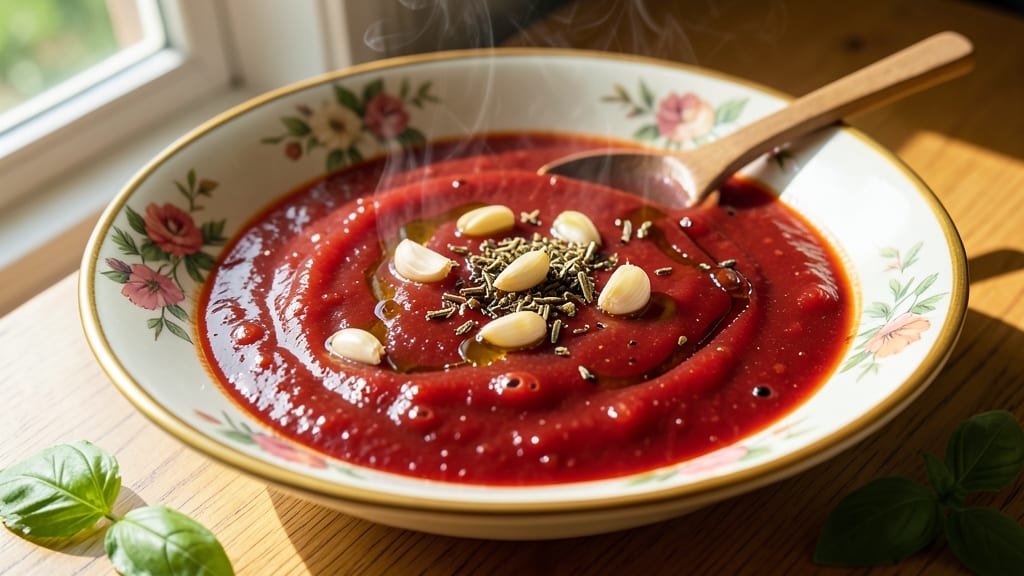
Grandma's tomato sauce recipe transforms simple pantry ingredients into a rich, velvety sauce that tastes like it simmered all day—even when it only takes 45 minutes. The secret lies in slow-cooking canned tomatoes until their natural sugars caramelize, creating layers of depth that store-bought versions can't match.
I first made this sauce during a particularly busy week when I needed something hearty and flavorful without the fuss of fresh tomatoes.
What makes this sauce special is its versatility—use it as a base for pasta, pizza, or braised meats, or enjoy it spooned over grilled cheese.
The recipe relies on pantry staples like canned tomatoes, garlic, and herbs, but the slow simmering process develops a complexity that feels anything but basic. A splash of red wine or a pinch of sugar can elevate it further, depending on your taste.
By the end, you'll have a smooth, aromatic sauce with a balance of sweetness and acidity that clings perfectly to noodles or meat. The texture is silky yet substantial, with just the right amount of body to hold up in any dish.
This is the kind of sauce that makes you pause mid-bite and think, "This is how it should taste."
The best part? It keeps beautifully in the fridge for up to 5 days or can be frozen for months, making it the ultimate meal prep staple. Whether you're feeding a family or prepping for the week ahead, this sauce delivers restaurant-quality flavor with minimal effort.
Ingredients for grandma's tomato sauce
Nine pantry staples transform into velvety sauce that tastes like it simmered for hours.
| Ingredient | Amount | Notes |
|---|---|---|
| San Marzano Tomato Cans 🍅 | 2 cans | Whole, peeled tomatoes only |
| Garlic Cloves 🧄 | 4 cloves | Freshly minced for aroma |
| Extra-Virgin Olive Oil 🫒 | ¼ cup | Fruity, not bitter |
| Red Wine 🍷 | ½ cup | Dry, like Chianti or Merlot |
| Dried Basil 🌿 | 1 tbsp | Or 0.25 cup fresh |
| Dried Oregano 🌿 | 1 tsp | Italian preferred |
| Granulated Sugar 🍬 | 1 tbsp | Balances acidity |
| Salt 🧂 | 1 tsp | Kosher or sea salt |
| Black Pepper 🌶️ | ½ tsp | Freshly cracked |
San Marzano tomatoes are the gold standard here—their natural sweetness and low acidity make all the difference. Trader Joe's and Whole Foods carry them, but any high-quality canned tomatoes work in a pinch. I always grab a few extra cans when I see them on sale—they keep for 18 months unopened, so stock up. The garlic? Fresh is non-negotiable—dried powder won't give you that deep, aromatic punch. If you're using whole cloves, smash them slightly with the flat side of your knife before adding to release more flavor.
No red wine? Substitute with extra tomato paste or beef broth—just add a splash of balsamic vinegar for depth. Fresh basil? Use it—dried works but at one-third the amount. The sugar might seem odd, but it's crucial—it helps caramelize the tomatoes and balance the acidity. Brown sugar works too if you're out of white. For extra richness, stir in a tablespoon of butter at the end (trust me, it's worth it). The olive oil? Don't skimp—use something you'd drizzle on bread. Cheap oil makes cheap sauce.
This sauce gets better with time—45 minutes simmering is the magic number. Store in glass jars in the fridge for up to 5 days, or freeze for 6 months. I always make a double batch because it disappears fast—pasta, pizza, braised meats, you name it. For freezing, portion into ice cube trays first—perfect for adding to dishes later. The flavor actually improves after a day or two as everything melds together. That's the secret: patience pays off.
Why You'll Love This Recipe
- No-Can’t-Miss Simplicity: I swear by this recipe because it’s the kind of dish that forgives mistakes—just crush garlic, pour wine, and let the San Marzano tomatoes do the heavy lifting. My first attempt had uneven garlic bits, but the sauce still tasted like a Sunday dinner.
- Wine-Infused Depth: That splash of red wine? It’s the secret weapon—cuts through the acidity of the tomatoes and leaves you with a sauce that’s rich, not cloying. Honestly, I’ve tried store-bought versions, and none hit this balance.
- Pasta Party Ready: Whether it’s lasagna night or a quick bowl of spaghetti, this sauce works for everything. I keep a jar in the fridge for lazy nights when I just need something reliable—no fancy plating required.
- Budget-Friendly Staple: San Marzano cans and dried basil last forever, and a little olive oil goes a long way. I’ve made this sauce for potlucks, family dinners, and even frozen leftovers for months—no waste, just flavor.
Instructions for grandma's tomato sauce recipe
Here's how to transform simple pantry staples into rich, flavorful tomato sauce that tastes homemade.
Sauté Garlic in Olive Oil
Heat the 0.25 cup extra-virgin olive oil in a medium saucepan over medium-low heat. Add the 4 cloves freshly minced garlic and cook for 2-3 minutes until fragrant and just beginning to turn golden. Be careful not to let it burn—garlic darkens quickly and becomes bitter. The oil should shimmer but not smoke, and you'll smell that wonderful aromatic punch that forms the sauce's foundation.
Once the garlic is golden, immediately remove the pan from heat for 30 seconds to stop any further cooking. This quick pause prevents the garlic from turning bitter while still preserving its full flavor. I've found this step makes all the difference in preventing a harsh aftertaste in the finished sauce.
Deglaze with Red Wine
Return the pan to the medium-low heat and pour in the 0.5 cup red wine. Stir constantly for 3-4 minutes until the wine reduces by about half and becomes syrupy. You'll see the alcohol burn off and the wine transform into a rich, aromatic liquid that will deepen your sauce's complexity.
This deglazing step captures all the flavorful browned bits from the garlic cooking, creating what chefs call "fond." Don't rush this part—let the wine simmer gently until it coats the back of a spoon. The sauce should smell like a cozy Italian kitchen at this point, with wine and garlic aromas mingling together.
Add Tomatoes and Seasonings
Open the 2 cans San Marzano tomato cans and add their contents to the pan, including the juices. Stir in the 1 tbsp dried basil, 1 tsp dried oregano, 1 tbsp granulated sugar, 1 tsp salt, and 0.5 tsp black pepper. The sugar helps balance the acidity of the tomatoes while enhancing their natural sweetness.
Bring the mixture to a gentle simmer over medium heat, then reduce to low heat. Let it cook uncovered for 45-60 minutes, stirring occasionally. You'll notice the sauce thickens gradually as the liquid evaporates. The sauce should become rich and velvety, with a deep tomato color and aromatic steam rising from the pot.
Simmer to Perfect Consistency
Continue simmering for an additional 30-45 minutes until the sauce reaches your desired thickness. For a thicker sauce, simmer longer; for a thinner, more drinkable sauce, reduce the cooking time slightly. You'll know it's ready when it coats the back of a spoon smoothly and has developed a rich, concentrated tomato flavor.
Taste and adjust seasoning if needed. Some people prefer more salt, others more sugar to balance the acidity. Remember, you can always add more salt later if needed, but you can't remove excess salt once it's in. Once perfectly seasoned, remove from heat and let it sit for 5-10 minutes before serving to allow all the flavors to meld together completely.
Serve Warm with Your Favorite Pasta
Serve the sauce immediately over your choice of pasta, or store it in an airtight container in the refrigerator for up to 5 days or freeze for up to 3 months. The flavors actually improve with time as they continue to develop. When reheating, do so gently over low heat to prevent skin formation on the surface.
This sauce is incredibly versatile—use it as a base for lasagna, toss it with fresh pasta, or serve it with crusty bread and grated Parmesan. The key to its success lies in the slow simmering process that allows all the flavors to meld together beautifully, creating a sauce that tastes like it's been simmering for hours, even though it only takes about an hour total.
Pro Tips For Making Grandma'S Tomato Sauce
- Sweat Garlic Low: I learned this the hard way—burnt garlic ruins everything. Cook the minced cloves in olive oil over low heat until just golden, not brown. If you rush it, you’ll end up with bitter, acrid sauce instead of sweet, aromatic flavor.
- Crush Tomatoes by Hand: San Marzanos are sweet but still need breaking down. Skip the immersion blender if you’re in a hurry—just grab a wooden spoon and mash them against the pot’s sides. You’ll get a chunkier, more rustic texture without extra equipment.
- Deglaze with Wine First: Pour the red wine in before adding tomatoes. Let it simmer for 2-3 minutes to cook off the alcohol and deepen the flavor. Dumping it in at the end just makes the sauce taste sharp and underdeveloped.
- Toast Basil at the End: Toss in the dried basil after the sauce has thickened, then let it sit off the heat for 5 minutes. This rehydrates the leaves and lets them infuse properly—no more floating specks or dusty flavor. (Yes, even if you’re impatient like me.)
Health benefits of these flavors
Rich in Lycopene
This tomato sauce is a powerhouse of lycopene, a potent antioxidant found in tomatoes that gives them their vibrant red color. Studies show that cooking tomatoes increases lycopene absorption by up to 50%—making this sauce especially beneficial.
A 1-cup serving delivers about 30% of your daily lycopene needs, which supports heart health and may reduce the risk of certain cancers. 💪
Vitamin C Boost
While you might not expect it, tomato sauce retains significant vitamin C—about 25% of your daily value per serving. This vitamin supports immune function and skin health, especially when paired with the vitamin E from olive oil.
The slow simmering process helps preserve these nutrients better than quick cooking methods would.
Fiber for Digestion
The natural fibers in tomatoes help promote healthy digestion and may support gut health. A 1-cup serving provides about 3 grams of fiber, which is 11% of your daily needs.
The pectin in tomatoes also contributes to this fiber content, helping create that lovely thick, velvety texture we all love in homemade sauce.
Low-Calorie Comfort
At just 70 calories per cup, this sauce delivers big flavor without the calories. It's naturally low in fat and cholesterol-free, making it perfect for heart-healthy diets. The red wine and garlic add depth without significant calories, while the olive oil provides healthy monounsaturated fats in moderation.
Blood Pressure Support
The combination of potassium from tomatoes and garlic's natural compounds helps support healthy blood pressure levels. Garlic contains alicin, which may help relax blood vessels, while tomatoes provide potassium that counteracts sodium's effects. This makes the sauce not just delicious but also a smart choice for heart health. ✨
Meal Prep Nutrition
This sauce's long shelf life makes it a nutritional powerhouse for meal prep. The antioxidants and vitamins remain stable in the fridge for 5 days or frozen for 3 months, giving you a convenient way to boost nutrition in multiple meals.
It's like having a vitamin-packed side dish in every bite of pasta or pizza!
Nutrition facts
Frequently asked questions
Can I make this tomato sauce without red wine?
Replace the 0.5 cup red wine with 0.5 cup tomato paste or 0.5 cup beef broth for depth. Add 1 teaspoon balsamic vinegar to mimic the wine's acidity and complexity. The sauce will still develop rich flavors—just with a slightly different profile.
How do I adjust the thickness of the sauce?
For a thicker sauce, simmer uncovered for an extra 20-30 minutes to reduce the liquid. Need it thinner? Add 1-2 tablespoons water or broth at the end and stir well. The ideal consistency should coat the back of a spoon smoothly but still be pourable.
Can I use fresh tomatoes instead of canned?
Yes, but you'll need 4-5 large ripe tomatoes (peeled, seeded, and chopped). Simmer them longer—1-1.5 hours—to break down their fibers and achieve the same rich texture. Add a pinch of salt to the cooking water to help draw out excess moisture. Fresh tomatoes work best in summer when they're at peak sweetness.
Why does my sauce taste too acidic?
The acidity likely comes from unbalanced tomatoes or insufficient sugar. Add 1-2 teaspoons more sugar and simmer for 10-15 minutes to let it caramelize. For extra depth, stir in 1 teaspoon tomato paste or a pinch of baking soda (just a tiny amount!) to neutralize acidity. Always taste as you go—adjust gradually.
How should I store leftover sauce?
Transfer cooled sauce to an airtight glass container and refrigerate for up to 5 days. For longer storage, freeze in 1-cup portions (use ice cube trays for single servings). Thaw overnight in the fridge and reheat gently over low heat, stirring occasionally to prevent skin formation. The flavors actually deepen over time!