
Sauces & Condiments
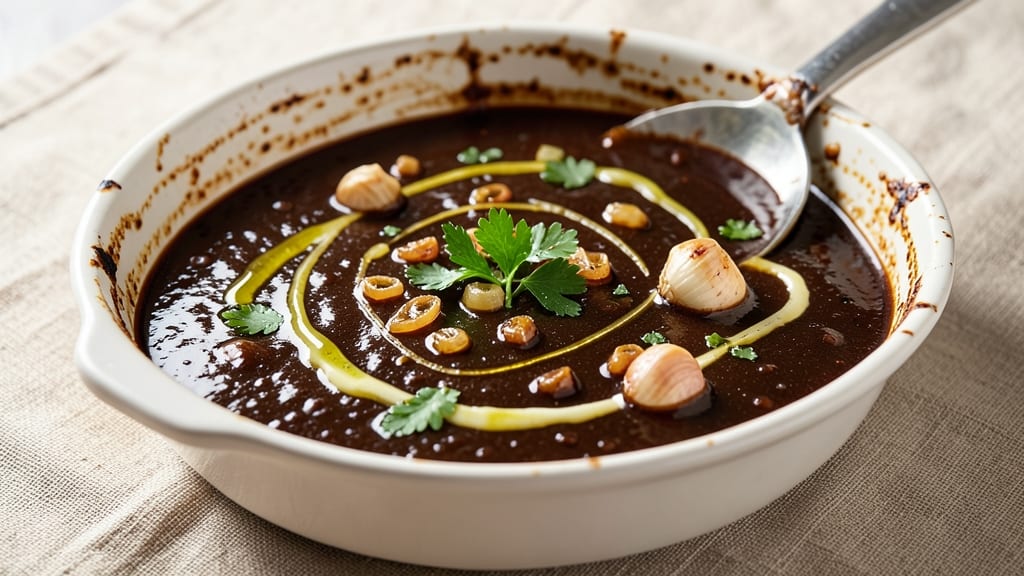
This Guinness sauce recipe transforms a simple stout into a rich, velvety condiment that adds smoky depth to steak, wings, or mashed potatoes. The secret lies in balancing Guinness's malted bitterness with butter, cream, and shallots to create a sauce that's both bold and versatile.
I developed this recipe after years of experimenting with pub-style sauces—finally nailing the perfect harmony of flavors.
The process is straightforward but requires patience as the sauce simmers and reduces to a glossy, thick consistency. You'll start with sautéed shallots and garlic, then build layers of flavor by deglazing with Guinness before adding cream and butter.
The result is a sauce that's smooth, slightly tangy, and packed with that signature Guinness maltiness that elevates any dish it touches.
What makes this sauce special is its adaptability—drizzle it over grilled steak for a restaurant-worthy finish, use it as a dipping sauce for crispy wings, or even stir it into mashed potatoes for extra richness.
The sauce keeps well in the fridge for up to five days, making it perfect for meal prep or entertaining.
Once you taste the difference between this homemade version and store-bought alternatives, you'll never go back. Let's get started on creating a sauce that's as impressive as it is easy to make.
Ingredients for guinness sauce
This rich, velvety sauce starts with just ten simple ingredients—no fancy tools needed.
| Ingredient | Amount | Notes |
|---|---|---|
| Guinness Stout 🍺 | 1 cup | Cold or room temperature preferred |
| Unsalted Butter 🧈 | ½ cup | Cold, cut into small cubes |
| Heavy Cream 🥛 | ½ cup | Full-fat for best texture |
| Shallots 🧅 | 3 whole | Finely minced, not chopped |
| Garlic Cloves 🧄 | 2 cloves | Minced, not pressed |
| Extra-Virgin Olive Oil 🫒 | 1 tbsp | For sautéing shallots |
| Diamond Crystal Kosher Salt 🧂 | ½ tsp | Adjust to taste |
| Freshly Ground Black Pepper 🌶️ | ¼ tsp | Freshly cracked preferred |
| Worcestershire Sauce 🍶 | 1 tbsp | For depth of flavor |
| Fresh Thyme Leaves 🌿 | 2 tsp | Or 0.5 tsp dried thyme |
The Guinness is the heart of this sauce, so grab a cold bottle from the fridge—room temperature works too, but cold adds a nice chill to the sauce. Heineken or Guinness Draught from the grocery store's beer cooler works perfectly. For the butter, use unsalted and cold—it emulsifies better and gives that perfect glossy finish. Shallots are key here; fresh, firm ones from the produce section (not the sad, shriveled ones in the back) make all the difference. Minced finely so they melt into the sauce without being noticeable. If you're short on time, Trader Joe's pre-minced shallots work in a pinch, but fresh is always better.
No Guinness? Substitute with a mix of dark beer and a splash of coffee—it mimics the malted depth. Running out of heavy cream? Half-and-half or even whole milk will work, though the texture might be slightly lighter. Fresh thyme is ideal, but dried thyme at one-third the amount gets you close. The Worcestershire sauce is non-negotiable—it adds that umami punch that takes this from good to restaurant-quality. Lea & Perrins is the classic choice, but any good-quality brand works. For extra richness, a splash of balsamic vinegar (1 tsp) adds a tangy depth that pairs perfectly with the maltiness.
This sauce keeps beautifully—5 days in the fridge sealed in a jar with a thin layer of olive oil on top to preserve freshness. For longer storage, freeze in ice cube trays and transfer to a bag—perfect for single-use portions. It reheats like a dream: just warm gently on the stove with a splash of cream or water to loosen it up. I like to make a double batch because it disappears fast—steak, wings, mashed potatoes, even roasted veggies all beg for this sauce. Trust me, you'll want to keep it on hand.
Why You'll Love This Recipe
- Pantry Magic: I swear by this sauce because it uses things I already have—no last-minute grocery runs. The Guinness, butter, and cream are all shelf-stable staples, and I’m rarely without shallots or garlic. Five minutes of chopping, and boom—flavor city.
- Rich Without Effort: That deep, malty Guinness base transforms into something velvety and luxurious with just a splash of cream and a pat of butter. Honestly, it tastes like a restaurant dish, but I’m the one stirring the pot. The garlic and shallots caramelize right into the sauce, so you don’t even miss sautéing separately.
- Weeknight Hero: This sauce turns any protein into a showstopper—slather it on steak, drizzle it over roasted chicken, or toss it with pasta. I’ve even used it to jazz up mashed potatoes (yes, really). It’s the kind of thing that makes me look like a cooking genius when I’m really just improvising.
- Leftovers That Don’t Let You Down: Make a double batch and refrigerate it—it thickens beautifully when reheated, and the flavor only gets better. Between us, I’ve had this sauce last me four days, and it’s still the star of whatever meal it graces. Budget-friendly? Absolutely. Waste-free? Even better.
Step-by-step instructions for Guinness sauce recipe
Here's how to create a rich, smoky sauce that transforms ordinary dishes into something extraordinary.
Sauté Shallots and Garlic Until Fragrant
Heat the 1 tablespoon extra-virgin olive oil in a medium saucepan over medium heat. Add the 3 whole shallots that have been finely minced and cook for 5-6 minutes, stirring occasionally, until they become soft and translucent. You'll see them reduce slightly in volume and develop a sweet, caramelized aroma.
Add the 2 cloves garlic cloves, minced, and cook for another 30 seconds until the raw garlic smell disappears and you're left with a warm, nutty fragrance. Be careful not to let the garlic brown—it burns quickly. This step builds the aromatic foundation of your sauce, so take your time and don't rush it.
Deglaze with Guinness and Simmer
Pour in the 1 cup cold Guinness stout and bring the mixture to a gentle simmer. The alcohol will cook off quickly, leaving behind the rich malt flavors. Let it reduce by about half, which should take 5-7 minutes, until the liquid is thickened but still has a syrupy consistency.
Here's where the magic happens: as the Guinness reduces, it intensifies the smoky, roasted notes that make this sauce so special. You'll notice the color deepening to a beautiful amber hue. If you see any browned bits sticking to the bottom, use a wooden spoon to scrape them up—they're packed with flavor.
Add Butter and Cream for Richness
Reduce the heat to low and stir in the 0.5 cup unsalted butter, cut into small cubes. Let it melt completely, which will take about 2 minutes, while stirring gently to prevent the butter from separating. The sauce should begin to look glossy and velvety as the butter incorporates.
Next, add the 0.5 cup heavy cream and stir constantly for 3-4 minutes until the sauce thickens noticeably. You're looking for a consistency that coats the back of a spoon but still flows smoothly. This is when the sauce transforms from a simple reduction to a luxurious, restaurant-quality finish.
Season and Finish with Thyme
Taste the sauce and adjust the seasoning with the 0.5 teaspoon diamond crystal kosher salt and 0.25 teaspoon freshly ground black pepper. Remember, the Worcestershire sauce will add some saltiness, so go easy with the kosher salt at first. Stir in the 1 tablespoon Worcestershire sauce and the 2 teaspoons fresh thyme leaves, then simmer for another 2 minutes to let all the flavors meld together.
For the final touch, I like to strain the sauce through a fine-mesh sieve to remove any thyme stems and create a perfectly smooth texture. The sauce should now have a beautiful glossy sheen and a complex flavor profile that balances smoky, malty, and slightly sweet notes. Serve immediately over your favorite proteins for maximum impact.
Pro Tips For Making Guinness Sauce
- Simmer Slow and Steady: Guinness sauce isn’t a race—after adding the beer, reduce it on medium-low heat until it’s syrupy enough to coat the back of a spoon. I used to blast it on high and ended up with a bitter, alcohol-heavy mess instead of rich, velvety sauce.
- Mince Shallots Like You Mean It: Tiny shallot pieces burn fast and turn bitter. Pulse them in a food processor until they’re almost paste-like (think fine sand), then cook them in butter until they’re golden but not brown—this builds flavor without bitterness. (Yes, even if you’re impatient like me.)
- Save the Cream for Last: Stirring heavy cream into simmering Guinness too early will make it curdle. Instead, whisk it in off the heat or over the lowest possible flame, and keep stirring until it’s fully incorporated. Trust me, your sauce will thank you.
- Skip the Pre-Reducing of Beer: I wasted years reducing Guinness in a separate pan before adding it to the sauce—pointless. Just pour the full amount in with the shallots and butter, then simmer as usual. The alcohol burns off naturally, and you save cleanup time. (Your future self will thank you.)
Serving suggestions for this recipe
Steak Pairings
This sauce is a game-changer for grilled or pan-seared steaks, especially ribeye or sirloin. I like to serve it warm over medium-rare steaks, letting the sauce pool beautifully in the natural crevices.
For extra drama, finish with a sprinkle of flaky sea salt and a few chopped parsley leaves. The smoky depth of the Guinness complements the beef's richness perfectly. 🥩
Wings and Fries
Crispy fried or baked wings become irresistible with this sauce as a dipping sauce. Toss hot or mild wings in the sauce just before serving, letting it cling to the crispy exterior.
For fries, drizzle generously over golden russet potatoes> right out of the oven. The sauce's velvety texture contrasts wonderfully with the crunch of fried foods.
Mashed Potatoes
Elevate classic mashed potatoes by swirling in 2-3 tablespoons of warm Guinness sauce> per serving. The malted richness cuts through the buttery potatoes beautifully. I like to finish with a sprinkle of crispy fried shallots> for added texture.
This combo is a crowd-pleaser at holiday dinners or casual weeknight meals.
Roasted Vegetables
Unexpected but brilliant—drizzle this sauce over roasted Brussels sprouts, carrots, or asparagus> after roasting. The smoky-sweet flavor profile enhances the natural sweetness of vegetables. Toss with toasted pecans> for a sophisticated side dish that feels restaurant-worthy.
Seafood Applications
While Guinness sauce is traditionally meat-focused, it pairs surprisingly well with seafood. Try it with grilled salmon or cod>, where its creamy texture contrasts with the flaky fish. The malted notes complement the fish's natural oils beautifully. For extra flair, garnish with lemon zest> to brighten the dish.
Cheese Board Drizzle
Take your cheese board to the next level by serving this sauce in a small bowl for dipping. Pair it with aged cheddar, blue cheese, or brie>.
The sauce's richness enhances the cheese's flavors while adding a fun interactive element. I often include crusty bread and cured meats> to round out the spread. 🧀
Nutrition facts
Frequently asked questions
Can I make this sauce with a different beer instead of Guinness?
Yes! While Guinness provides that signature malty depth, you can substitute with dark stout or porter for a similar effect. For a lighter version, try a 50/50 mix of dark beer and coffee—the coffee mimics the roasted notes. Just note that the flavor profile will be slightly different, but still delicious when paired with steak or wings.
How do I fix a sauce that's too thin or too thick?
For a thin sauce, stir in 1 tablespoon cold butter or 1 tablespoon heavy cream while whisking constantly. For a thick sauce, simmer uncovered for 2-3 extra minutes to reduce further, or mix in 1 teaspoon cornstarch dissolved in cold water. Always adjust gradually to avoid breaking the sauce's texture.
Can I prepare this sauce ahead of time?
This sauce actually tastes better the next day as flavors meld. Store in an airtight container in the fridge for up to 5 days. To reheat, warm gently on low heat with a splash of cream or water to restore its silky consistency. For longer storage, freeze in ice cube trays for single-use portions.
What's the secret to making this sauce extra creamy?
The key is low-and-slow cooking and proper fat incorporation. Always melt the butter over low heat while stirring constantly, and avoid boiling the cream. For extra richness, whisk in 1 tablespoon cold butter at the end while the sauce is still warm—this creates a velvety emulsion. Patience is everything!
Is this sauce gluten-free?
Traditional Guinness contains gluten, so this sauce isn't gluten-free. However, you can make a gluten-free version by substituting with gluten-free dark beer or gluten-free stout. Just ensure all other ingredients (like Worcestershire sauce) are also certified gluten-free. The flavor will be slightly different but still delicious.