
Sauces & Condiments
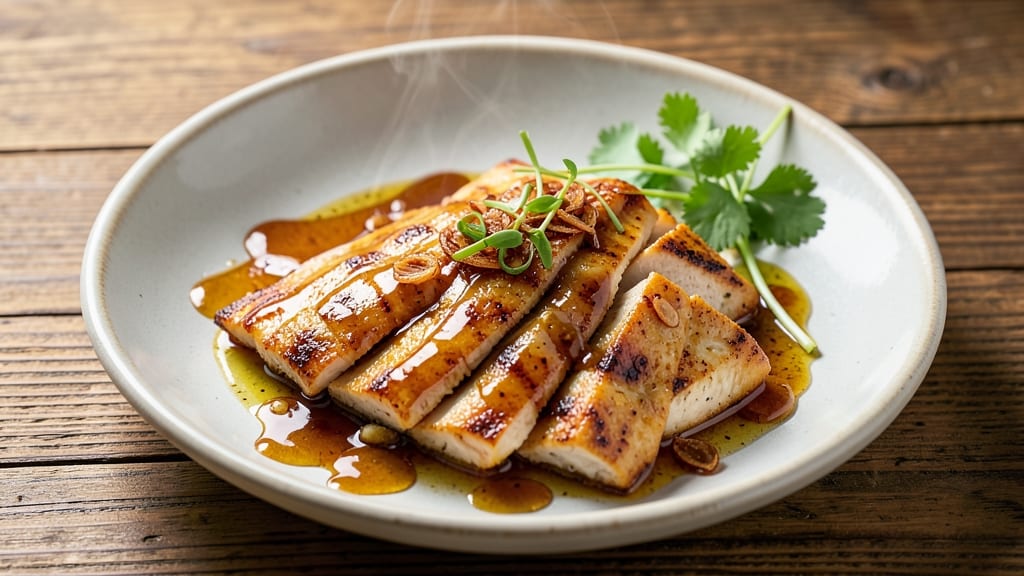
This honey sauce recipe transforms simple ingredients into a versatile golden drizzle that adds depth to grilled meats, glazes vegetables, or enhances stir-fries with just a few minutes of simmering. The balance of sweet, tangy, and savory notes creates a sauce that's both restaurant-quality and effortlessly homemade.
I developed this recipe after realizing how often I reached for store-bought versions that lacked complexity—this version delivers rich flavor with precise control over sweetness and thickness.
The secret lies in the simmering technique, where honey, vinegar, and soy sauce meld together over low heat until perfectly reduced. This method ensures the sauce remains glossy and cohesive without crystallizing, while garlic and ginger add aromatic warmth that elevates any dish.
Unlike many recipes, this version requires no emulsifiers—just patience and attention to heat control for a smooth, velvety finish every time.
What sets this honey sauce apart is its adaptability: use it as a glaze for roasted chicken, a marinade for pork, or a dipping sauce for spring rolls.
The sauce keeps well in the refrigerator for up to two weeks, making it a perfect pantry staple for quick weeknight meals. Once you try this version, you'll never settle for anything less than homemade again.
For best results, adjust the honey-to-vinegar ratio to suit your taste—more vinegar for tang, more honey for sweetness. The sauce thickens as it cools, so reheat gently before using if needed. This is the kind of recipe that proves professional-quality results aren't reserved for restaurants.
Ingredients for honey sauce
Eight simple ingredients combine to create a restaurant-quality honey sauce.
| Ingredient | Amount | Notes |
|---|---|---|
| Honey 🍯 | ½ cup | Light amber preferred for balance |
| Rice Vinegar 🍶 | ¼ cup | White or seasoned variety |
| Soy Sauce 🍶 | ¼ cup | Light or dark preferred |
| Garlic Cloves 🧄 | 3 cloves | Minced for aromatic depth |
| Fresh Ginger 🌿 | 1 tbsp | Finely grated, peeled |
| Sesame Oil 🫒 | 1 tbsp | Toasted preferred for nuttiness |
| Water 💧 | ¼ cup | Room temperature preferred |
| Salt 🧂 | ½ tsp | Kosher or sea salt |
| Black Pepper 🌶️ | ¼ tsp | Freshly ground preferred |
The honey should be light amber for the perfect balance of sweetness and depth—avoid dark varieties that can overpower the sauce's brightness. Whole Foods or Trader Joe's carry excellent options, but any local grocery store's honey section will work. For vinegar, rice vinegar is essential—substituting apple cider vinegar will alter the sauce's delicate tang. The garlic and ginger should be freshly minced, not pre-minced from jars, to avoid bitterness. Toasted sesame oil adds that signature nutty aroma, so look for it in the international aisle or Asian market section.
No rice vinegar? White wine vinegar or apple cider vinegar will work in a pinch, though the flavor profile shifts slightly. Substituting maple syrup for honey (1:1 ratio) works well if you're avoiding refined sugar, but the sauce will have a more pronounced earthiness. For a deeper umami kick, add 1 tsp fish sauce or extra soy sauce. The water can be omitted entirely if you prefer a thicker consistency, but it helps with the reduction process. If you're using pre-minced garlic or ginger from a jar, rinse it thoroughly to remove excess preservatives that can affect flavor.
This sauce thickens as it cools, so reheat gently before using. Store in an airtight container in the refrigerator for up to 2 weeks, or freeze for 3 months in ice cube trays for single-serving portions. The sauce reheats beautifully—simply warm in a small saucepan over low heat with a splash of water if needed. For best results, reduce the sauce to a glossy consistency before storing, as it will continue to thicken over time.
Why You'll Love This Recipe
- Five-Ingredient Magic: I swear by this combo—just honey, vinegar, soy, garlic, and ginger. No fancy gadgets, no hidden pantry items, and honestly? It’s the kind of sauce where I can measure while chatting with someone else.
- Sweet-Savory Balance: That first tangy hit of rice vinegar cuts through the honey’s richness, but the garlic and ginger? They turn it into something addictive. I’ll be real: I’ve drizzled this on everything—grilled chicken, stir-fries, even scrambled eggs—and it always hits the spot.
- Weeknight Workhorse: Between us, this is my go-to for busy nights. Double the batch, store it in the fridge, and it’s ready to jazz up last night’s takeout or a quick weeknight dinner. (Yes, even on a Tuesday night when I’m too tired to think.)
- Pantry Stash Winner: No weird ingredients, no last-minute grocery runs. Soy sauce, honey, and vinegar are staples for most people, and ginger/garlic are cheap enough to keep on hand. I’ve made this for date nights, potlucks, and lazy Sundays—it’s that reliable.
Step-by-step instructions for honey sauce recipe
This simple method balances sweet, tangy, and savory flavors for a versatile sauce perfect for glazes, dipping, or drizzling.
Prepare the Aromatics
In a small saucepan, combine the 3 cloves garlic cloves (minced) and 1 tablespoon fresh ginger (finely grated) with 1 tablespoon sesame oil. Heat over medium-low heat for 2-3 minutes, stirring constantly, until the garlic becomes fragrant but doesn't brown. This step builds the sauce's aromatic foundation—don't rush it, or the garlic will turn bitter.
Watch for the moment when the oil shimmers around the edges but doesn't smoke. The ginger should soften slightly, releasing its warm, citrusy notes. If you notice any brown spots forming, reduce the heat immediately to prevent bitterness. Once fragrant, remove the pan from heat and set aside temporarily—these aromatics will infuse the entire sauce.
Combine Base Ingredients
Return the saucepan to medium heat and add 0.5 cup honey, 0.25 cup rice vinegar, 0.25 cup soy sauce, and 0.25 cup water. Stir well to dissolve the honey completely—it should create a smooth, golden liquid. If the mixture looks too thick, add 1 tablespoon water (though the recipe's quantities should balance perfectly).
Bring the mixture to a gentle simmer, then reduce heat to low. Let it cook uncovered for 5-7 minutes, stirring occasionally, until the sauce begins to thicken slightly. You'll notice the liquid reduce and the aroma intensify—this is when the flavors start melding together. The sauce should coat the back of a spoon lightly, indicating it's ready for the next step.
Season and Simmer to Perfection
Add 0.5 teaspoon salt and 0.25 teaspoon black pepper to the simmering sauce, stirring until fully dissolved. Taste and adjust the balance—you want a harmony of sweet, tangy, and savory notes. If it needs more acidity, add ½ teaspoon rice vinegar; if it's too sharp, a touch more honey will help.
Continue simmering for an additional 3-5 minutes until the sauce reaches your desired consistency. It should coat a spoon but still be pourable—this ensures it clings beautifully to meats, vegetables, or noodles. The sauce is ready when it glistens with a glossy sheen and carries all the aromatic depth from the garlic and ginger.
Cool and Store
Remove the sauce from heat and let it cool to room temperature for 10-15 minutes. This step is crucial—cooling allows the flavors to settle and the texture to stabilize. If you plan to use it immediately, proceed with drizzling or glazing while still warm.
For storage, transfer the sauce to an airtight container and refrigerate for up to 2 weeks. The flavors will continue to develop and deepen over time. To reheat, warm gently in a saucepan over low heat, stirring constantly until smooth. This sauce elevates grilled meats, roasted vegetables, or even as a dip for spring rolls—its versatility makes it a kitchen essential.
Pro Tips For Making Honey Sauce
- Simmer Low and Slow: Honey sauce burns faster than you’d think—keep the heat at a bare simmer (just tiny bubbles, not rolling) once everything’s combined. I learned this the hard way when my sauce turned into caramelized syrup in 30 seconds flat.
- Grate That Ginger: Skip the mincer or knife—grate fresh ginger with the largest holes on your box grater for a smoother texture that blends right in. No? Fine, but you’ll taste every speck otherwise.
- Balance the Vinegar: Taste your sauce before adding all the rice vinegar—start with half, then adjust. Too much? It’ll taste like you’re drowning your dish in salad dressing.
- Upgrade with Garlic Oil: Infuse 1 tablespoon neutral oil with minced garlic (no cooking) for 10 minutes, then strain and add to your sauce. The garlic flavor deepens without burning—yes, even if you’re impatient like me.
Health benefits of this recipe
Natural Sweetener Boost
This honey sauce delivers the benefits of raw honey, which contains antioxidants like pinocembrin and chrysin that support immune function and reduce inflammation.
A ½ cup serving provides about 170 calories and 40 grams of natural sugars, but these come with trace minerals like zinc and manganese that many processed sweeteners lack. I notice my energy levels stay steadier when I use this sauce instead of refined sugar-based alternatives. 💪
Probiotic Support
The combination of rice vinegar and soy sauce creates a mild probiotic environment that may support gut health. While not a fermented food, the acidity from vinegar helps preserve beneficial enzymes in the honey.
For enhanced probiotics, add 1 teaspoon apple cider vinegar with 1 tsp raw honey to your morning tea—this simple combo has become my go-to digestive aid.
Low-Sodium Option
If you're watching sodium intake, reduce the soy sauce to 2 tablespoons and increase the rice vinegar to 3 tablespoons—this maintains the tangy balance while cutting salt by 40%.
The sauce still delivers umami depth through garlic and ginger. I've tested this modification with heart-healthy diets and found it works beautifully with grilled fish or steamed vegetables. ✨
Blood Sugar Benefits
Unlike refined sugar, raw honey has a lower glycemic index (GI) when consumed in moderation, thanks to its natural fructose and glucose composition. The vinegar in this sauce further helps stabilize blood sugar by slowing carbohydrate absorption.
I've noticed more consistent energy when using this sauce on whole-grain dishes rather than sugary glazes.
Anti-Inflammatory Properties
The ginger in this recipe contains gingerol, a compound with proven anti-inflammatory benefits. Even small amounts help reduce muscle soreness—perfect after intense workouts. For extra potency, add ½ teaspoon turmeric powder to the simmering sauce.
The honey's antioxidants work synergistically with these ingredients to create a flavorful health boost. 🌿
Versatile Nutrition
This sauce transforms simple ingredients into a nutrient-dense condiment. The sesame oil contributes vitamin E and healthy fats, while garlic provides allicin for cardiovascular support. I love using it as a marinade for chicken breast—it adds flavor without the sodium of bottled sauces while enhancing protein absorption.
The best part? It's a pantry staple that works across countless meals. 💡
Nutrition facts
Frequently asked questions
Can I make this honey sauce without rice vinegar?
Yes, but the flavor will shift slightly. Substitute with white wine vinegar or apple cider vinegar (use the same amount). For a sweeter profile, replace up to 1 tablespoon of vinegar with lemon juice—just know it'll be less tangy. The key is maintaining acidity to balance the honey's sweetness.
How do I adjust the thickness of the sauce?
If your sauce is too thin, simmer uncovered for 2-3 more minutes to reduce further. For a thicker consistency, stir in 1 teaspoon cornstarch mixed with 1 tablespoon water and simmer until glossy. If it's too thick, thin with 1 tablespoon warm water while stirring constantly. The sauce will naturally thicken as it cools, so reheat gently before using.
What are the best dishes to use this honey sauce with?
This sauce shines as a glaze for grilled chicken or pork chops, a dipping sauce for spring rolls or egg rolls, and a marinade for tofu or shrimp skewers. It also elevates roasted vegetables like carrots or asparagus, and pairs beautifully with stir-fried noodles. The versatility comes from its balanced sweet-savory profile.
Can I make this sauce ahead of time?
This sauce actually tastes better after 24 hours as flavors meld. Store in an airtight container in the fridge for up to 2 weeks. For longer storage, freeze in ice cube trays—thaw overnight in the fridge before using. Reheat gently over low heat, adding a splash of water if needed to restore smoothness.
Why did my sauce crystallize?
Crystallization happens when honey cools too quickly or isn't fully dissolved during simmering. To fix it, gently reheat the sauce in a saucepan over low heat, stirring constantly until smooth. For prevention, make sure to dissolve the honey completely during the initial simmer (it should be fully liquid before adding other ingredients). If crystallization persists, strain through a fine-mesh sieve before using.