
Sauces & Condiments
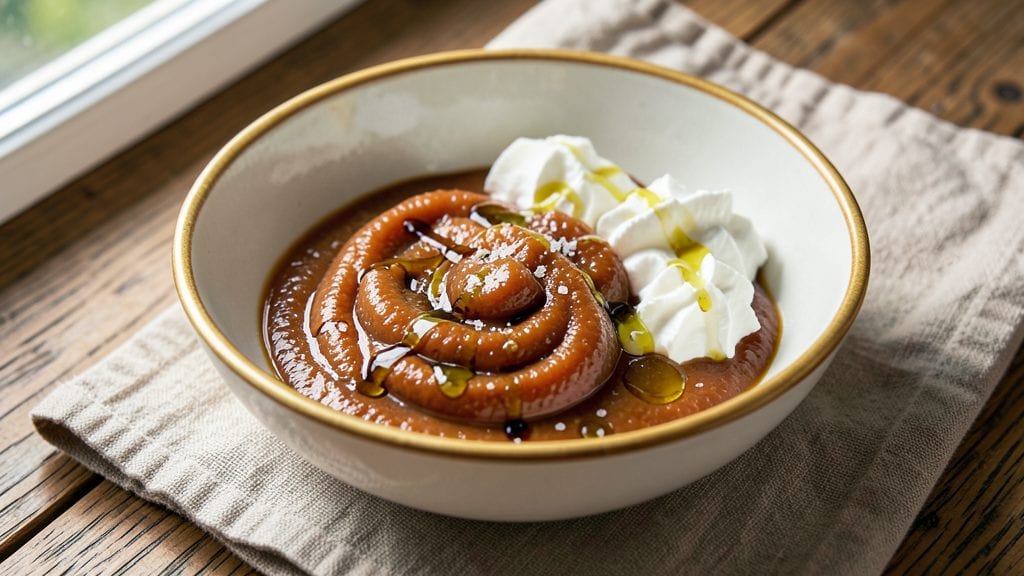
Ina Garten's secret sauce recipe transforms simple ingredients into a velvet-smooth tomato-cream fusion that elevates everything from grilled meats to roasted vegetables. This isn’t just another sauce—it’s the kind of recipe that turns ordinary meals into something special with its perfect balance of acidity, richness, and simplicity.
I’ve recreated it using her signature techniques, including a slow simmer to meld flavors and a touch of mustard for depth.
The beauty of this sauce lies in its versatility and foolproof method. You’ll combine just six ingredients—tomatoes, cream, mustard, vinegar, and a hint of sugar—to create a sauce that’s both elegant and effortless.
The key is letting it simmer until thickened, which develops a luxuriously smooth texture that clings perfectly to any dish. It’s the kind of recipe that makes you feel like a pro, even if you’re new to sauce-making.
What sets this sauce apart is its ability to elevate any meal without overpowering it. Whether you’re drizzling it over grilled chicken, spooning it onto roasted potatoes, or using it as a dip for crusty bread, the flavors come together in a way that’s both comforting and refined.
The acidity from the vinegar brightens the richness of the cream, while the mustard adds a subtle tang that keeps the sauce from feeling too heavy.
Once you’ve made it, you’ll want to keep a jar in your fridge for those last-minute dinner saves or spontaneous entertaining moments. It stores beautifully for up to five days, making it a perfect go-to for busy weeknights.
The secret to its success? Patience—letting the flavors meld slowly is what turns this sauce from good to extraordinary.
Ingredients for ina garten secret sauce
Six ingredients. One luxurious sauce. Elevate any dish with Ina Garten's velvety tomato-cream masterpiece.
| Ingredient | Amount | Notes |
|---|---|---|
| San Marzano Tomato Paste 🍅 | 2 tbsp | High-quality, no sugar added |
| Heavy Whipping Cream 🥛 | 1 cup | Full-fat for best texture |
| Dijon Mustard 🍯 | 1 tbsp | Mild or medium heat preferred |
| Red Wine Vinegar 🍷 | 1 tbsp | Brightens flavor profile |
| Granulated Sugar 🍬 | 1 tsp | Balances acidity |
| Extra-Virgin Olive Oil 🫒 | 1 tbsp | For richness and finish |
| Diamond Crystal Kosher Salt 🧂 | ½ tsp | Adjust to taste |
| Freshly Ground Black Pepper 🌶️ | ¼ tsp | Freshly cracked preferred |
The San Marzano tomato paste is non-negotiable here—its natural sweetness and depth are what make this sauce sing. Whole Foods or specialty Italian markets carry the best cans, but any high-quality brand with no added sugar works. The heavy whipping cream must be full-fat; Trader Joe's or Costco sell it affordably in bulk. For the mustard, Dijon is essential—it adds that subtle complexity that separates this sauce from basic marinara. I always grab the Maille brand when I'm at the store, but any good-quality Dijon will do. The vinegar? Red wine vinegar cuts through the richness beautifully, but white wine vinegar in a pinch won't ruin it—just expect slightly less depth.
No tomato paste? Fresh tomatoes blended and strained works, but you'll need about 1 cup of puréed tomatoes. Swapping the cream for Greek yogurt gives a tangier profile—great if you're avoiding dairy. Mustard hater? Skip it entirely or use 1 tsp of lemon juice instead for brightness. The sugar is crucial for balancing the acidity, but if you're avoiding it, a pinch of honey works beautifully. Olive oil is the final touch—use a fruity, extra-virgin like California Early Harvest for that perfect finish. And yes, you can make this without vinegar, but trust me, it's worth the tablespoon.
This sauce keeps beautifully—5 days in the fridge sealed in an airtight jar. The flavors actually improve overnight as everything melds together. For longer storage, freeze in ice cube trays and transfer to a bag; it'll last up to 6 months. I always make double batches because once you taste this on grilled chicken or roasted veggies, you'll be hooked. The sauce thickens as it cools, so if it seems too thick right after making, add a splash of warm water or milk to adjust the consistency.
Why You'll Love This Recipe
- Pantry-Friendly Magic: I swear by this sauce because it lives in my fridge for weeks—no fancy ingredients, just a can of San Marzano paste and a splash of vinegar. Honestly, I make a big batch on Sundays and slap it on everything until it’s gone.
- Rich Without Effort: That velvety whipping cream and tangy Dijon mustard combo? It’s ridiculously smooth but takes zero skill—just whisk and go. The sugar balances the acidity so perfectly, it’s like Ina Garten herself whispered the secret in my ear.
- Weeknight to Dinner Party: Slather it on grilled chicken, toss with pasta, or drizzle over roasted veggies—it’s my go-to for lazy nights and when I’m pretending to be a fancy chef. Between us, my husband never guesses it’s just five ingredients.
- Budget Stretch: A single jar of tomato paste and a tub of cream stretch across four meals, and the vinegar? I already had it. Not the prettiest, but the taste makes up for it—every penny’s worth it for that creamy, tangy punch.
Instructions for Ina Garten's secret sauce recipe
This velvety tomato-cream fusion comes together in minutes with simple techniques and bold flavors.
Warm the Olive Oil and Tomato Paste
Heat the 1 tablespoon extra-virgin olive oil in a medium saucepan over medium-low heat until shimmering but not smoking. This gentle warmth is crucial—too high a heat will burn the delicate tomato paste. Add the 2 tablespoons San Marzano tomato paste and stir constantly for 1-2 minutes until it dissolves completely into the oil and forms a smooth, glossy base.
The paste should transform from its thick, concentrated form into a rich, aromatic liquid. You'll notice the aroma deepen as the paste releases its sweet, umami notes. If you see any lumps, use a silicone spatula to work them into the oil, ensuring a perfectly smooth foundation for your sauce.
Add Vinegar, Sugar, and Mustard
Pour in the 1 tablespoon red wine vinegar and 1 tablespoon Dijon mustard, stirring vigorously to incorporate these ingredients into the oil-tomato mixture. The vinegar will initially make the sauce look slightly separated, but don't worry—this is normal. Add the 1 teaspoon granulated sugar and continue stirring for 30 seconds until everything is fully combined.
Here's where the magic happens: the acidity from the vinegar brightens the tomato flavor while the sugar balances it, creating a harmonious base. The mustard adds depth and a subtle tang that will become more pronounced as the sauce develops. Keep the heat at medium-low—you want to build flavor gradually without rushing the process.
Incorporate the Cream and Seasonings
Reduce the heat to low and slowly pour in the 1 cup heavy whipping cream, whisking continuously to prevent any scorching. The cream should warm gently, integrating smoothly with the tomato-vinegar mixture. Once fully combined, stir in the 0.5 teaspoon Diamond Crystal kosher salt and 0.25 teaspoon freshly ground black pepper, distributing them evenly throughout the sauce.
This is the moment that matters: the cream should begin to thicken slightly as it warms, but it shouldn't curdle. If you notice any separation, whisk vigorously for an additional 30 seconds to re-emulsify. The sauce should now have a luxurious, velvety consistency with a rich, balanced flavor—sweet, tangy, and slightly peppery.
Simmer to Perfection
Increase the heat to medium-low and let the sauce simmer gently for 5-7 minutes, stirring occasionally. You're looking for the sauce to thicken just enough to coat the back of a spoon—it should be smooth and glossy, with a texture that clings beautifully to proteins or pasta. The heat should never bring it to a full boil; instead, maintain a gentle simmer where tiny bubbles form at the edges but don't break the surface.
Taste the sauce as it simmers, adjusting the seasoning if needed. If it tastes too acidic, add a pinch more sugar. If it needs more depth, a splash of water or a tiny bit of tomato paste can help. The sauce should finish with a perfect balance of sweetness, acidity, and richness—ready to elevate any dish it touches.
Finish and Serve
Remove the sauce from heat and let it rest for 2-3 minutes to allow the flavors to meld completely. This brief resting period ensures the sauce reaches its full potential—no longer raw or sharp, but perfectly harmonized. Give it one final taste and adjust the seasoning one last time if necessary. The sauce should now be velvety, with a glossy sheen that indicates it's ready to serve.
Use this versatile sauce immediately over grilled meats, drizzled on roasted vegetables, or spooned generously over pasta. Its rich, balanced flavor makes it a showstopper for any dish, delivering that signature Ina Garten touch of elegance and simplicity. Store any leftovers in an airtight container in the refrigerator for up to 3 days, though it's likely to disappear much sooner!
Pro Tips For Making Ina Garten Secret Sauce
- Whisk the Cream Cold: Heavy whipping cream straight from the fridge whips faster and holds its shape better—skip the warm-up step. I used to let mine sit out, and it’d either turn grainy or lose volume mid-sauce. Just pop the can in the freezer for 10 minutes before measuring.
- Bloom the Mustard First: Mix the Dijon with the tomato paste before adding liquid—this lets the mustard’s flavor fully develop. I learned this the hard way when I added it last and the sauce tasted flat. Give it 30 seconds to meld; you’ll notice the difference.
- Simmer, Don’t Boil: Keep the sauce at a gentle bubble, not a rolling boil, or the cream will curdle. I’ve scorched two batches by cranking the heat, and the result was lumpy disaster. Low and slow—think tiny, lazy bubbles—is the only way.
- Vinegar Last, Taste Often: Add the red wine vinegar in two splits: half at the start, half at the end. Taste as you go—vinegar’s acidity cuts through the richness, but too much kills the balance. Adjust by the teaspoon, not the splash.
Essential equipment for this dish
Saucepan Essentials
Start with a medium-sized stainless steel saucepan—I swear by my All-Clad tri-ply for even heat distribution. The stainless steel reacts well with acidic ingredients like vinegar, preventing flavor transfer.
If you don’t have stainless steel, a heavy-bottomed enamel pan (like Le Creuset) works beautifully too. Avoid nonstick—it can’t handle the gentle simmering this sauce requires without risking damage. 🔥
Whisk for Smoothness
A balloon whisk is your secret weapon here. Its long, flexible tines cut through ingredients effortlessly, ensuring no lumps remain when combining the cream and tomato paste. I keep a OXO Good Grips in my kitchen—it’s affordable, durable, and gets the job done without slipping.
For extra insurance, use a silicone spatula to scrape every last bit of sauce from the pan.
Thermometer for Precision
While not strictly necessary, a candy or sauce thermometer helps you monitor the sauce’s temperature. The ideal simmer range is 160-180°F—this keeps the cream from curdling while allowing the sauce to thicken properly.
I use a Thermoworks Thermapen One because it’s fast and accurate, but even a basic instant-read thermometer will work. This step is especially helpful if you’re new to sauce-making.
Storage Containers
For leftovers, transfer the sauce to glass airtight containers—I prefer Pyrex with snap-on lids for their durability. Mason jars work too, but they’re bulkier. Label with the date and store in the fridge for up to 5 days.
For longer storage, freeze in silicone ice cube trays—just pop out a cube whenever you need a quick sauce boost. The sauce thickens when chilled, so thin with a splash of warm water if needed. ❄️
Optional: Immersion Blender
If you prefer an ultra-smooth texture, blend the sauce briefly with an immersion blender after simmering. This isn’t traditional, but it eliminates any potential graininess from the tomato paste. I use a Breville Immersion Blender—it’s powerful enough to handle the cream without overheating.
Run it for 10-15 seconds max, then taste to ensure the balance of flavors remains intact.
Nutrition facts
Frequently asked questions
What makes this sauce different from regular marinara?
This isn't your typical marinara—it's a velvety tomato-cream fusion with a perfect balance of acidity, richness, and depth. The key differences are the heavy cream for velvety texture, Dijon mustard for complexity, and red wine vinegar for brightness. While marinara relies on tomatoes alone, this sauce creates a luxurious, almost creamy consistency that pairs beautifully with proteins and vegetables.
Can I make this sauce ahead of time?
In fact, the flavors improve when made 1-2 days ahead. Store it in an airtight container in the fridge for up to 5 days. The sauce will thicken as it chills, so simply whisk in a splash of warm water or milk to adjust consistency before serving. This makes it perfect for meal prep or entertaining.
What's the best way to reheat leftover sauce?
Gently reheat on the stovetop over low heat while stirring constantly to prevent curdling. Avoid microwaving as it can create hot spots and break the sauce's silky texture. For best results, warm in a small saucepan for 2-3 minutes until heated through. If it thickens too much, add a teaspoon of warm water or milk to restore its velvety consistency.
Can I substitute any of the ingredients?
Most ingredients are flexible, but some are crucial for the signature flavor. The San Marzano tomato paste is ideal, but high-quality tomato paste works. For cream, Greek yogurt adds tanginess, while half-and-half makes it lighter. Skip the mustard? Use 1 tsp lemon juice instead. The red wine vinegar is important for acidity—white wine vinegar works in a pinch, but the flavor will be slightly different. Always taste as you go!
Why did my sauce curdle?
Curdling usually happens when the cream is heated too quickly or at too high a temperature. To prevent this, always use low heat when adding cream and whisk constantly. If it does curdle, whisk in 1 tsp cold water or milk while stirring vigorously to re-emulsify. For future batches, reduce the heat to lowest setting when incorporating the cream and simmer gently. Patience is key!