
Sauces & Condiments
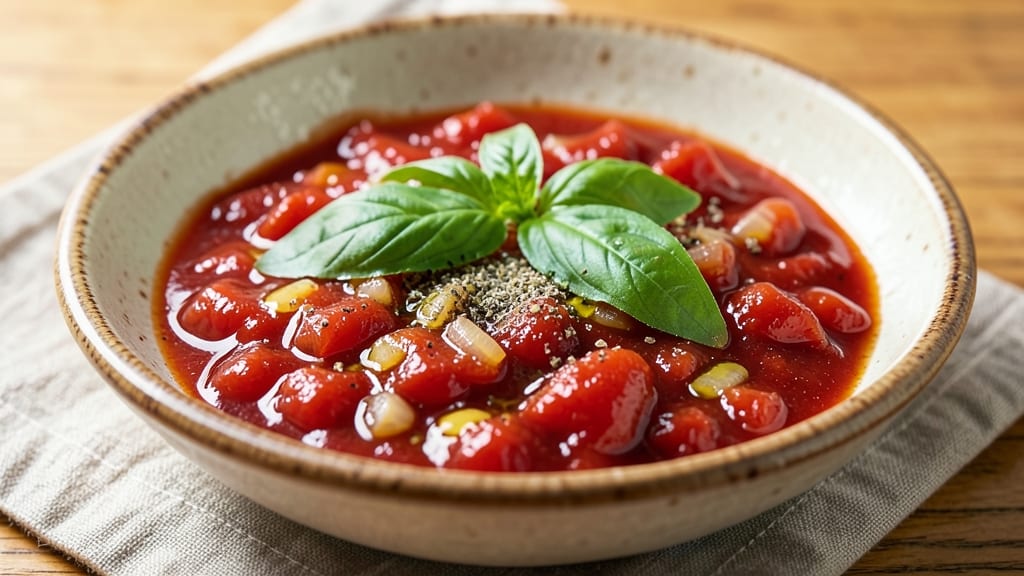
Ina Garten's tomato sauce recipe transforms simple canned tomatoes into a velvety, umami-rich sauce that elevates every pasta dish. The secret lies in slow simmering, where onions and garlic develop deep sweetness before blending with tomatoes, herbs, and a touch of acidity.
This isn't just any sauce—it's the kind that makes homemade pasta taste like you spent hours simmering over an open flame.
What sets this sauce apart is Ina Garten's signature balance: sweetness from caramelized onions, saltiness from reduced tomatoes, and brightness from lemon juice. The herbs—fresh basil and dried oregano—infuse the sauce with aromatic depth, while a splash of vinegar cuts through richness.
Unlike store-bought versions, this sauce builds flavor gradually, rewarding patience with layers of complexity.
The result is a smooth, glossy sauce with just the right thickness—thin enough to coat pasta perfectly, rich enough to stand alone as a dip. It works beautifully on fresh linguine, as a pizza base, or even drizzled over grilled meats.
The technique is straightforward, but the difference in quality is undeniable.
Ready in about 45 minutes, this sauce requires minimal effort but delivers professional results. The key is letting it simmer uncovered, allowing moisture to evaporate and flavors to concentrate. Whether you're serving it tonight or saving it for later, this tomato sauce will become your new kitchen staple.
Ingredients for ina garten tomato sauce
Simple ingredients that build into a restaurant-worthy tomato sauce. No tricks, just patience and good olive oil.
| Ingredient | Amount | Notes |
|---|---|---|
| Extra-Virgin Olive Oil 🫒 | ¼ cup | High-quality, fruity variety preferred |
| Yellow Onion 🧅 | 1 whole | Medium size, finely diced |
| Garlic Cloves 🧄 | 4 cloves | Peeled, minced finely |
| Canned San Marzano Tomatoes 🍅 | 28 oz | Crushed by hand, seeds removed |
| Fresh Basil Leaves 🌿 | ¼ cup | Packed, stems removed |
| Dried Oregano 🍃 | 1 tsp | Mediterranean blend preferred |
| Red Wine Vinegar 🍷 | 1 tbsp | Balsamic works too |
| Granulated Sugar 🍚 | 1 tsp | Balances acidity |
| Diamond Crystal Kosher Salt 🧂 | 1 ½ tsp | Adjust to taste |
| Fresh Lemon Juice 🍋 | 1 tbsp | Brightens the sauce |
| Black Pepper 🌶️ | ½ tsp | Freshly cracked |
The San Marzano tomatoes are non-negotiable here—they're sweeter and less acidic than regular canned tomatoes, which is exactly what you want for a velvety sauce. Grab a can from Whole Foods or any Italian market, but the regular grocery store brand works fine too. The olive oil should be extra-virgin, fruity, and preferably Italian—Ottolenghi or Colavita are solid choices. If you're using dried basil instead of fresh, cut the amount to one-third since dried is more concentrated. The onions and garlic are where the magic happens—let them caramelize until deep golden brown for that sweet, jammy depth Ina's known for.
No San Marzano tomatoes? Crush regular canned tomatoes by hand and remove the seeds to avoid wateriness. Short on basil? Fresh parsley at half the amount adds brightness, though it won't have the same aromatic punch. The vinegar can be swapped for red wine at twice the amount, but it'll add alcohol notes. If you're not a fan of oregano, thyme or rosemary at the same quantity works beautifully. The sugar is key—don't skip it, but if you're watching your intake, honey at half the amount works too. And if you're using a blender or food mill for a smoother texture, reserve a splash of the cooking liquid to thin it out at the end.
This sauce tastes even better the next day as the flavors meld, so make a double batch if you're planning to use it over pasta or as a dip. Store it in an airtight container in the fridge for up to 5 days, or freeze it in ice cube trays for easy portioning. When reheating, do it gently over low heat—no boiling, or it'll break down. And if you're feeling fancy, finish it with a swirl of good olive oil and a sprinkle of freshly cracked black pepper right before serving.
Why You'll Love This Recipe
- No-Chop Nightmare: I swear by this sauce because the onion and garlic barely need dicing—just a rough chop, and you’re golden. The San Marzano tomatoes handle the rest, breaking down into that silky, sweet perfection without fuss.
- Garlic-Basil Magic: That first stir of fresh basil into simmering tomatoes and garlic? It’s like a flavor hug. The olive oil caramelizes the garlic just enough to give it depth, but the basil keeps it bright—no bitterness, just pure, happy taste.
- Pantry to Plate: Honestly, this is my lazy day hero. Open a can, toss in the basics, and 20 minutes later, you’ve got a sauce that works over pasta, eggs, or even grilled cheese. No fancy ingredients, just reliable goodness.
- Leftovers That Shine: Between us, this sauce tastes better the next day. The flavors meld into something richer, and it’s my go-to for quick lunches or feeding unexpected guests. Just reheat, drizzle, and call it dinner—no one will question it.
Step-by-step instructions for Ina Garten's tomato sauce
This is how you build a sauce with restaurant-quality depth—simple ingredients, patient cooking, and the right technique.
Sauté Onions and Garlic Until Translucent
Heat the 0.25 cup extra-virgin olive oil in a large, heavy-bottomed pot over medium-low heat. Add the 1 whole yellow onion, finely diced, and cook for 8-10 minutes, stirring occasionally, until completely soft and translucent. You want the onions to melt into the oil without browning—they should be so tender they disappear when pressed between your fingers.
Push the onions to one side of the pot and add the 4 cloves garlic cloves, minced finely. Cook for 30 seconds until fragrant but not colored. Here's the thing—garlic burns fast, so keep an eye on it. If it starts to darken, remove the pot from heat for 10 seconds and let it cool slightly before continuing. This aromatic base is the foundation of your sauce, so don't rush it.
Build the Sauce with Tomatoes and Vinegar
Pour in the 28 oz canned San Marzano tomatoes (crushed by hand, seeds removed) and the 1 tbsp red wine vinegar. Stir well to combine, scraping up any browned bits from the bottom of the pot. Bring the mixture to a gentle simmer over medium heat, then reduce the heat to low and let it cook uncovered for 20 minutes. You're looking for the sauce to thicken slightly and develop a rich, concentrated flavor—this is where the magic happens.
After 20 minutes, taste the sauce. It should be balanced but still bright. If it's too acidic, add the 1 tsp granulated sugar now to mellow the flavors. Stir in the 1.5 tsp diamond crystal kosher salt and 0.5 tsp black pepper, adjusting to taste. This is your chance to correct any flavor imbalances before moving forward. The sauce should be seasoned but not overpowering—think of it as a blank canvas for the basil to shine.
Simmer with Basil and Lemon for Umami Depth
Add the 0.25 cup fresh basil leaves (packed, stems removed) and the 1 tbsp fresh lemon juice. Stir gently and continue simmering for another 10 minutes over low heat. The basil will soften and infuse the sauce with its bright, herbal notes, while the lemon juice brightens the acidity. You'll notice the sauce darken slightly as it reduces—this is normal and indicates the flavors are concentrating.
Here's the critical part: taste the sauce one last time. It should be rich, balanced, and layered with sweetness from the tomatoes, acidity from the vinegar and lemon, and herbal brightness from the basil. If it's too thick, add 1-2 tablespoons of water to loosen it slightly. The texture should coat the back of a spoon but still be fluid enough to cling to pasta. If it's too thin, simmer uncovered for another 5-10 minutes to reduce it further.
Finish and Store for Maximum Flavor
Remove the pot from heat and let the sauce sit for 5 minutes to settle. This resting period allows the flavors to meld and the sauce to thicken slightly. Skim off any excess foam or oil that rises to the surface with a spoon—this ensures a clean, velvety texture. The sauce is now ready to use, but it's even better if you let it cool completely and refrigerate for at least 4 hours (or up to 3 days). The flavors deepen and intensify over time, making it worth the wait.
When you're ready to serve, reheat the sauce gently over low heat, stirring occasionally, until warmed through. It should coat the back of a spoon with a glossy sheen. Serve immediately over your favorite pasta, drizzled with a little more extra-virgin olive oil and extra fresh basil leaves if desired. This sauce is the heart of any pasta dish—simple, elegant, and packed with umami depth that elevates everything it touches.
Pro Tips For Making Ina Garten Tomato Sauce
- Sweat the Onion: Chop the onion into ¼-inch slices instead of dice—it caramelizes faster and keeps the sauce from getting watery. I used to dice mine like I was prepping a stir-fry, but this method gives you that deep, sweet base without the extra liquid.
- Crush Garlic Like a Pro: Smash the garlic cloves with the flat side of your knife before mincing—it releases more flavor without burning. After burning garlic three times, I learned this: a quick smash means you can cook it low and slow without the bitter bite.
- Simmer, Don’t Boil: Keep the sauce at a gentle simmer (tiny bubbles, occasional stir) for at least 20 minutes—this lets the flavors meld without breaking down the tomatoes. I used to rush it, and the sauce always tasted flat. Trust the time.
- Save Fresh Basil: Tear the basil leaves by hand and add them at the very end—just 30 seconds before serving. Whole leaves hold up better, and this keeps the sauce bright, not bitter. (Yes, even if you’re impatient like me.)
Serving suggestions for ina garten tomato sauce
Pasta Pairings
This sauce clings beautifully to fresh linguine or spaghetti, where its glossy texture coats each strand perfectly. For extra elegance, toss with cherry tomatoes and burrata cheese for a summery first course.
I also love it on fettuccine or pappardelle—the wider noodles hold the sauce like a luxurious blanket. 🍝
Pizza Base
Use this sauce as your pizza foundation by spreading a thin layer on dough before adding cheese. The acidity balances the richness of mozzarella and ricotta, while the herbs complement classic toppings like sausage or mushrooms.
For a rustic touch, drizzle with balsamic glaze after baking. It’s the secret to a sauce that doesn’t get lost under toppings.
Dipping Sauce
Serve warm or at room temperature as a dip for garlic bread, crusty baguettes, or fried calamari. The bright lemon and basil make it refreshing, while the umami depth satisfies.
I like to garnish with extra-virgin olive oil and flaky sea salt for a sophisticated touch. It’s perfect for appetizers or game day snacks. 🍽️
Protein Elevator
Drizzle over grilled chicken, pan-seared shrimp, or steak to add moisture and flavor. The acidity cuts through richness, while the herbs complement meaty dishes beautifully. For a hearty meal, toss with roasted potatoes and sautéed spinach for a one-pan wonder. It’s a game-changer for weeknight dinners.
Pasta Salad Twist
Mix with cold pasta (like penne or rotini) and toss with cherry tomatoes, cucumber, and feta cheese for a refreshing summer salad. The sauce’s acidity brightens the dish, while the herbs add freshness.
Add a splash of olive oil and lemon zest to tie it all together. It’s a perfect make-ahead meal for picnics.
Garnish Like a Pro
Finish with fresh basil leaves, a drizzle of extra-virgin olive oil, and a sprinkle of flaky sea salt for a restaurant-worthy presentation. For extra flair, add toasted pine nuts or crispy pancetta on top. These simple touches elevate the sauce from homemade to gourmet in seconds. 💡
Nutrition facts
Frequently asked questions
Can I use fresh tomatoes instead of canned for this sauce?
Fresh tomatoes work but require extra effort. You'll need about 4-5 pounds of ripe tomatoes, peeled and chopped, to match the volume of canned tomatoes. The sauce will be brighter and more acidic, so reduce the vinegar to ½ tbsp and add 1 extra tsp sugar to balance. Simmering time will also be longer—about 45-60 minutes—to break down the skins and concentrate the flavors.
Why does Ina Garten's sauce taste different from store-bought?
The difference comes from slow cooking and fresh ingredients. Store-bought sauces often contain preservatives, added sugar, and artificial flavors. This recipe relies on caramelized onions, fresh herbs, and proper acidity balance—elements that develop depth over time. The 20-minute simmer lets flavors meld, while the lemon juice and vinegar brighten without overpowering.
How do I adjust the thickness for different uses?
For pasta, aim for a sauce that coats the back of a spoon but remains fluid. If too thick, thin with 1-2 tbsp water or pasta water. For dips or pizza bases, reduce longer (up to 10 extra minutes) to achieve a glossy, spreadable consistency. Always taste and adjust—this sauce should be versatile enough for any application.
Can I make this sauce in a slow cooker?
Yes! Follow the same steps but transfer everything to the slow cooker after sautéing onions and garlic. Cook on low for 3-4 hours instead of simmering. The slow cooker's gentle heat enhances sweetness naturally. Just add the basil and lemon juice at the 1-hour mark to preserve their freshness. The texture will be slightly thicker, so thin with water if needed.
What if my sauce tastes too acidic?
Add a pinch of sugar or a splash of olive oil to mellow the acidity. For deeper flavor, simmer uncovered for 5-10 extra minutes to let moisture evaporate. If the imbalance persists, a small amount of honey or maple syrup (½ tsp) can help. Always taste as you go—this sauce should be bright but never sharp.