
Sauces & Condiments
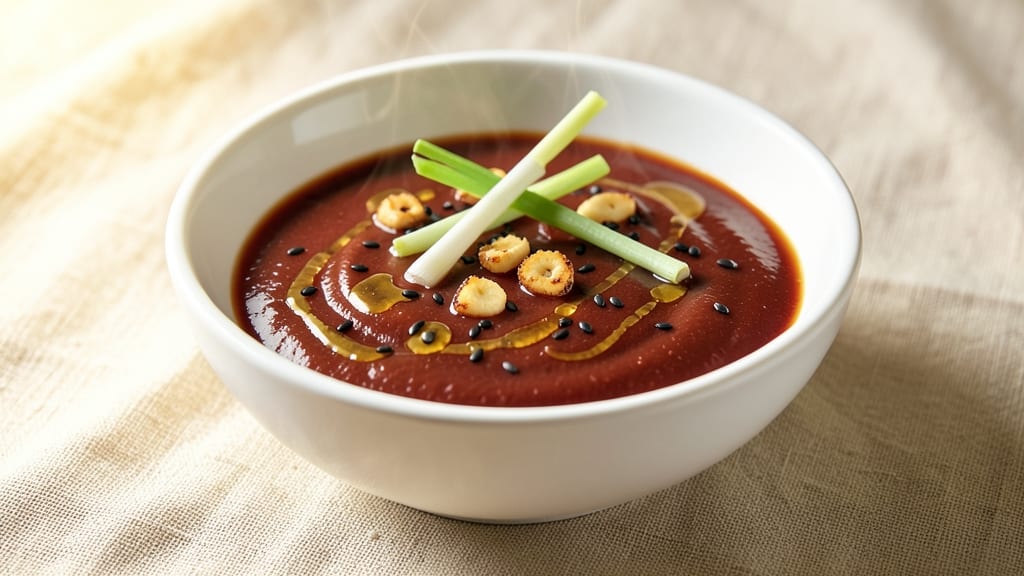
This spicy sesame gochujang kimbap sauce transforms ordinary rice rolls into a flavor explosion—bold, tangy, and perfectly balanced in just 10 minutes.
The secret lies in blending fermented gochujang with sweet rice vinegar, toasted sesame oil, and a touch of garlic, creating a sauce that clings to every bite like liquid sunshine.
After years of perfecting the ratio, I can confidently say this is the one sauce that elevates kimbap from good to unforgettable.
The beauty of this sauce is its versatility—it works as a dipping sauce for kimbap, a glaze for grilled meats, or even a marinade for tofu. The gochujang provides that signature Korean heat, while the sesame oil adds nutty depth and the vinegar keeps it bright and fresh.
Unlike store-bought versions, this recipe lets you control the spice level, making it adaptable for any palate. Plus, it keeps for up to 2 weeks in the fridge, so you can make a big batch and enjoy it all week.
What you’ll end up with is a smooth, glossy sauce that’s sticky enough to hold its shape but still coats every grain of rice perfectly. The aroma alone will have everyone asking for seconds—smoky, sweet, and just spicy enough to linger on your tongue.
This isn’t just a condiment; it’s the star of the meal. Ready to make it? Here’s everything you need.
For those avoiding gluten or animal products, simply swap soy sauce for tamari and ensure your gochujang is certified vegan. The result is just as rich and flavorful, proving this sauce works for every table. Let’s get started—your next kimbap feast begins here.
Ingredients for kimbap sauce
Eight ingredients, one sauce—transforms kimbap into a flavor sensation.
| Ingredient | Amount | Notes |
|---|---|---|
| Gochujang Paste 🌶️ | ½ cup | Korean fermented chili paste |
| Sweet Rice Vinegar 🍶 | ¼ cup | For tangy brightness |
| Toasted Sesame Oil 🥜 | 2 tbsp | For nutty depth |
| Fresh Garlic Cloves 🧄 | 3 cloves | Minced for aromatic punch |
| Soy Sauce 🥢 | 2 tbsp | Use tamari for gluten-free |
| Sesame Seeds 🥜 | 1 tbsp | Toasted for texture |
| Granulated Sugar 🍬 | 1 tbsp | Balances spicy heat |
| Water 💧 | ¼ cup | Adjust for desired consistency |
Gochujang is the heart of this sauce, so grab the good stuff—look for brands like Maesil or Dae Jang Gochujang at Asian markets. The rice vinegar should smell sweet and clean, not sour or vinegary. Sesame oil is non-negotiable here—toasted, not raw. I always buy mine from Trader Joe's because it's affordable and consistently good. Fresh garlic is a must; pre-minced gets bitter when blended. If you can't find toasted sesame seeds, lightly toast regular sesame seeds in a dry pan for 2 minutes—game changer.
No gochujang? Sriracha plus a dash of soy sauce gets you close, but it won't have that deep fermented funk. Swapping soy sauce for tamari makes this gluten-free instantly. The sugar can be honey or maple syrup if you prefer, but keep it to 1 tbsp—too much kills the balance. Want it thicker? Reduce the water to 2 tbsp. Thinner? Add 1 tsp at a time. The sauce should coat the back of a spoon but still drip slightly—like honey, not glue.
This sauce keeps beautifully in the fridge for 2 weeks, sealed in a jar with a layer of olive oil on top to preserve freshness. For extra batches, freeze portions in ice cube trays—perfect for single servings. The flavor actually improves after 24 hours as everything melds. Trust me, it's worth making a double batch. The aroma alone will have your kitchen smelling like a Korean restaurant.
Why You'll Love This Recipe
- Five-Ingredient Magic: I swear by this combo—gochujang’s spicy depth, that bright vinegar tang, and sesame oil’s nutty warmth. Honestly, it’s the kind of sauce that makes you want to lick the bowl clean (and I have).
- No-Fuss Assembly: Five ingredients, one bowl, five minutes. Mince the garlic while you wait for the water to boil, stir everything together—boom. Done. Even my college apartment kitchen could handle it.
- Lunchbox Hero: Pack this with kimbap, rice bowls, or even grilled chicken. Here’s what sold me: it stays fresh for days, and the flavors only get better after a night in the fridge. (Yes, even on a Tuesday night.)
- Budget Stretch: Gochujang and rice vinegar last forever, and a little sesame oil goes a long way. I’ve made this for $3 a batch—way cheaper than store-bought sauces, and way more flavorful. No regrets.
Step-by-step instructions for spicy sesame gochujang velocity
This sauce comes together faster than you can say "kimbap" - bold, balanced, and ready in minutes.
Toast the Garlic and Sesame Seeds
Heat a small dry skillet over medium heat. Add the 3 cloves fresh garlic cloves and 1 tablespoon sesame seeds together. Stir constantly for 1-2 minutes until the garlic turns golden brown and the sesame seeds begin to pop and release their nutty aroma. You'll know it's ready when the garlic smells intensely fragrant and the sesame seeds are lightly toasted - this adds depth that raw ingredients can't match.
Remove the skillet from heat immediately to prevent burning. Let the mixture cool for 2 minutes while you prepare the remaining ingredients. The toasted garlic and sesame seeds will form the aromatic base of your sauce, so don't skip this step - it's what transforms this from good to extraordinary.
Combine Wet Ingredients
In a medium bowl, whisk together the 0.5 cup gochujang paste, 0.25 cup sweet rice vinegar, 2 tablespoons soy sauce, and 1 tablespoon granulated sugar until completely smooth. The gochujang paste will be thick and vibrant red - this is your flavor foundation that brings the heat and umami. The sweet rice vinegar adds that essential tangy brightness that cuts through the richness.
Add the 0.25 cup water and continue whisking until everything is fully incorporated. This mixture should be smooth but still slightly thick - about the consistency of heavy cream. If you notice any lumps, strain the mixture through a fine-mesh sieve to ensure a silky texture in your final sauce. This step is where all the flavors come together, so take your time to whisk thoroughly.
Warm and Emulsify the Sauce
Return the skillet with toasted garlic and sesame seeds to low heat. Add the wet ingredient mixture and stir constantly for 3-4 minutes until it begins to bubble gently. The sauce will thicken slightly as it warms through - you're looking for it to reach a glossy, velvety consistency that coats the back of a spoon.
Remove from heat and let the sauce sit for 1 minute to allow the flavors to meld together. This resting period is crucial - it lets the heat from the gochujang develop while the vinegar's acidity brightens. The sauce should now have a perfect balance of spicy, sweet, tangy, and nutty flavors with a smooth, velvety texture that's ideal for dipping or drizzling.
Finish with Sesame Oil
Drizzle in the 2 tablespoons toasted sesame oil while stirring continuously. The oil will immediately emulsify with the sauce, creating a luxurious sheen and adding that final nutty depth. Taste and adjust the seasoning if needed - you might want to add a touch more sweet rice vinegar for brightness or a pinch of sugar to balance the heat.
Let the sauce cool to room temperature before using. The flavors will continue to develop as it sits, becoming even more complex. This sauce keeps well in the refrigerator for up to 1 week in an airtight container, making it perfect for meal prep. The texture will thicken slightly when chilled, so you can thin it with a splash of water if needed before serving.
Pro Tips For Making Kimbap Sauce
- Minimize the Garlic Burn: I learned this the hard way—crushing garlic cloves whole and tossing them raw into the sauce makes it bitter and sharp. Instead, mince the garlic finely (almost like a paste) and cook it low and slow with the gochujang for 1-2 minutes. This softens the raw edge and lets the heat develop evenly.
- Balance the Vinegar Gradually: Sweet rice vinegar is the flavor bridge, but dumping it all in at once can turn your sauce sour. Start with half the amount, taste, then add the rest. If you’re unsure, mix the vinegar with a teaspoon of soy sauce first—it mellows the acidity without muting the gochujang’s kick.
- Toast the Sesame Oil Last: That golden sesame oil is your sauce’s finishing touch, but heating it too early burns its delicate aroma. Add it after the sauce has simmered and thickened, then swirl it in just before serving. A splash of cold oil at the end also cools the heat slightly—trust me, your taste buds will notice.
- Stir Constantly for 3 Minutes: Gochujang and soy sauce can clump or scorch if left unattended. Once you combine everything, keep the pan on medium-low and stir like your life depends on it for the first 3 minutes. The sauce will thicken into a glossy, velvety consistency—no lumps, no bitterness. (Yes, even if you’re impatient like me.)
Pro cooking tips for this dish
Toast Garlic Properly
Never skip toasting the garlic—this is where the magic happens. Use a small, dry skillet over medium heat for exactly 1-2 minutes, stirring constantly until the garlic turns golden brown and releases its intense aroma. I've burned garlic before, and trust me, it ruins the sauce.
The moment it smells like it's making your kitchen smell like a Korean restaurant, remove it immediately. Let it cool for 2 minutes before adding to prevent overpowering the sauce with bitterness. 🧄
Balance Heat with Sugar
The 1 tablespoon granulated sugar isn’t just for sweetness—it’s the secret to balancing the spicy gochujang. If your sauce tastes too sharp or fiery, add another ½ teaspoon sugar at a time until you hit that perfect harmony.
I like to taste as I go, starting with just the recipe amount, then adjusting. For extra depth, you can replace half the sugar with honey or maple syrup, but keep it to ½ tablespoon—too much will make the sauce cloying. 🍬
Emulsify with Sesame Oil
The 2 tablespoons toasted sesame oil should be added last and stirred continuously until fully incorporated. This is what gives the sauce its signature glossy sheen and nutty finish. If you add it too early, the oil will separate.
I like to warm the sauce slightly first—just enough to bubble gently—before drizzling in the oil. This helps the emulsion form smoothly. If your sauce looks streaky, add 1 teaspoon water and whisk vigorously to bring it back together. ✨
Adjust Consistency Like a Pro
If your sauce is too thick, thin it with 1 teaspoon water at a time until it reaches a honey-like consistency—it should coat the back of a spoon but still drip slightly. Too thin? Simmer it uncovered for 2-3 minutes to reduce.
I’ve found that letting the sauce sit for 10 minutes before adjusting consistency gives the best results, as the gochujang thickens naturally. The ideal texture should be smooth enough to drizzle but sticky enough to cling to kimbap or rice bowls. 💧
Use the Right Gochujang
Not all gochujang pastes are created equal. For the best results, grab Maesil or Dae Jang Gochujang—these brands offer the deepest, most complex fermented flavors. If you’re using a store-bought substitute like Sriracha, you’ll miss the umami richness, but it’s a decent emergency fix.
For a gluten-free version, ensure your gochujang is certified gluten-free or use tamari instead of soy sauce. The quality of your gochujang makes or breaks this sauce, so don’t skimp. 🌶️
Store for Maximum Flavor
Transfer the sauce to an airtight container and refrigerate for up to 2 weeks. The flavors actually deepen over time, so it’s worth making a double batch. To preserve freshness, add a thin layer of olive oil on top before sealing.
For single servings, freeze in ice cube trays—just thaw in the fridge overnight before using. The texture may thicken when chilled, so thin with 1 teaspoon water before serving. Pro tip: Label your container with the date to track freshness. ❄️
Nutrition facts
Frequently asked questions
What makes this kimbap sauce different from regular gochujang?
This sauce blends gochujang with sweet rice vinegar, toasted sesame oil, and garlic for a balanced flavor profile—sweet, tangy, and nutty rather than just spicy. The sesame oil adds depth while the vinegar brightens the heat, making it perfect for dipping or drizzling. Unlike plain gochujang, this version is smoother and more versatile for kimbap or rice bowls.
Can I make this sauce without gochujang?
Yes! Swap ½ cup gochujang with ¼ cup Sriracha plus 1 tbsp soy sauce for a milder substitute, though you’ll lose the deep umami. For a closer match, use 1 tbsp miso paste + ¼ cup tomato paste + 1 tsp smoked paprika to mimic the fermented richness. Adjust sugar to balance the heat.
How spicy is this sauce, and can I adjust it?
The recipe balances ½ cup gochujang with sugar and vinegar for a medium heat level (about 3-4 on a 10-point scale). For less spice, reduce gochujang to ¼ cup or add 1 extra tbsp sugar. For extra heat, add ½ tsp red pepper flakes or a dash of gochugaru (Korean chili flakes). Always taste as you go!
What’s the best way to use leftover sauce?
Store in an airtight container for up to 2 weeks—it tastes even better after 24 hours! Use it as a marinade for tofu or grilled meats, a glaze for stir-fries, or a dipping sauce for dumplings. Freeze extras in ice cube trays for single servings. Thin with water if it thickens when chilled.
Is this sauce vegan/gluten-free?
Yes! Use tamari instead of soy sauce and verify your gochujang is vegan/gluten-free (brands like Maesil offer certified versions). The recipe is naturally dairy-free and egg-free. For extra richness, stir in 1 tsp vegan butter at the end.