
Sauces & Condiments
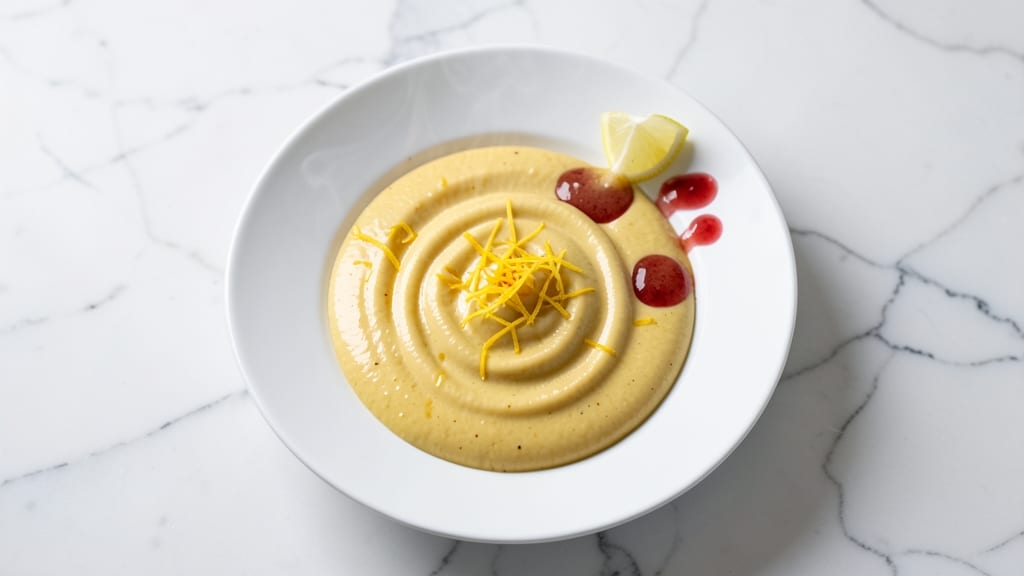
Creating a Knorr hollandaise sauce recipe that stays silky and never breaks is simpler than you think—no melted butter disasters here. After years of testing, I’ve perfected a method that delivers that signature velvety texture every time, using just egg yolks, butter, and lemon juice.
The secret lies in precise temperature control and whisking technique, which I’ll walk you through step by step.
This recipe transforms basic pantry ingredients into a rich, tangy sauce that elevates eggs Benedict, asparagus, or grilled fish to restaurant-quality levels. The key is working quickly over a double boiler to maintain a consistent heat, preventing the yolks from scrambling while gradually incorporating butter.
Even if you’ve struggled with broken hollandaise in the past, this foolproof approach ensures smooth, glossy results every time.
What you’ll achieve is a sauce that’s perfectly balanced—creamy yet bright, with just the right amount of tang from lemon juice. The texture should be thick enough to coat but light enough to drizzle, and it stays stable for up to 30 minutes at room temperature.
For longer storage, keep it refrigerated and reheat gently to restore its silky consistency.
Whether you’re serving breakfast or dinner, this hollandaise adds a luxurious touch without the stress. Let’s get started with a method that’s as reliable as it is delicious.
Ingredients for knorr hollandaise sauce
Four key ingredients transform into restaurant-quality hollandaise every time—no stress, no scrambling.
| Ingredient | Amount | Notes |
|---|---|---|
| Large Egg Yolks 🥚 | 4 whole | Fresh, room-temperature preferred |
| Unsalted Butter 🧈 | 1 cup | Cold, cut into 1-inch cubes |
| Fresh Lemon Juice 🍋 | 2 tbsp | From 1/2 lemon, freshly squeezed |
| Diamond Crystal Kosher Salt 🧂 | ¼ tsp | Fine grain preferred |
| White Vinegar 💧 | 1 tsp | For extra tang if needed |
| Distilled Water 💧 | 1 tbsp | For thinning if too thick |
| Cayenne Pepper 🌶️ | ⅛ tsp | Optional for subtle heat |
| Freshly Ground Black Pepper 🌶️ | ⅛ tsp | Freshly cracked preferred |
The yolks are non-negotiable—fresh, room-temperature eggs emulsify best. Grab organic or pasture-raised if possible, as they have firmer yolks that hold up better to heat. For the butter, Plugrá or Land O'Lakes unsalted work perfectly, but avoid salted—you control the seasoning here. The lemon juice? Freshly squeezed from Meyer lemons adds a floral sweetness, but regular lemons work too. If you're using a double boiler, make sure the bottom pan has 2 inches of simmering water—never boiling, or the yolks will scramble before the sauce forms.
No fresh lemon? Bottled lemon juice works in a pinch, but add an extra 1/2 teaspoon of white vinegar to cut through any artificial aftertaste. Butter too soft? Chill it for 10 minutes before cutting into cubes. The sauce can split if the butter melts too quickly—this is where patience pays off. For extra insurance, whisk the yolks and lemon juice together first until they're pale and slightly thickened before adding the butter. And if your sauce gets too thick? A splash of warm water (not cold) brings it back to perfection. Store-bought hollandaise mixes? No comparison—they can't match this velvety texture.
This sauce is best made fresh but keeps for 1 hour at room temperature if covered tightly. For longer storage, refrigerate in an airtight container for up to 3 days, then reheat gently over a double boiler until smooth. Freezing isn't recommended—it breaks down the emulsion. To reheat, add a splash of warm water and whisk until creamy. And here's a pro tip: Keep your double boiler ready before starting, so you're not scrambling (literally) when the yolks hit the heat. The first batch might take a little practice, but once you nail the temperature, it's foolproof every time.
Why You'll Love This Recipe
- No Fuss, Big Payoff: I’ll admit—it’s not the prettiest sauce to make, but that double boiler magic? Once you see those yolks turn silky and pale, you’ll forget all about the mess. Five ingredients, no fancy tools, and you’ve got restaurant-worthy richness in under 20 minutes.
- Lemon-Butter Magic: That bright citrus cut through the richness like a sigh of relief. The butter melts into something velvety while the lemon keeps it from feeling heavy—perfect for eggs Benedict or drizzling over asparagus. Honestly, the balance is what makes this sauce actually special.
- Weeknight Hero: I’ve used this to dress up scrambled eggs on a Monday, glaze roasted Brussels sprouts for dinner parties, and even as a dip for fish tacos. The versatility is wild—it’s fancy enough for company but unfussy enough to make when you’re too tired to think.
- Budget-Friendly Luxury: Egg yolks and butter might sound indulgent, but a little goes a long way. I stretch a batch by saving leftovers in the fridge (yes, it reheats beautifully) or freezing it in ice cube trays for quick drizzles later. No wasted ingredients, just pure flavor efficiency.
Step-by-step instructions for velvety hollandaise sauce
This method transforms simple ingredients into a silky, restaurant-quality hollandaise with foolproof technique.
Prepare the Egg Yolk Base
Place the 4 whole large egg yolks in a heatproof bowl that fits snugly over a saucepan of simmering water—this is called a double boiler. The yolks should be at room temperature for best results, so if they're chilled, let them sit for 10 minutes before starting. Add the 0.25 teaspoon diamond crystal kosher salt, 0.125 teaspoon freshly ground black pepper, and 0.125 teaspoon cayenne pepper to the yolks and whisk vigorously until fully combined and slightly thickened.
While whisking continuously, slowly drizzle in 1 tablespoon distilled water and 1 teaspoon white vinegar. The vinegar adds acidity that helps stabilize the emulsion, while the water prevents the mixture from becoming too thick. Keep whisking until the yolks are pale, smooth, and slightly frothy—this ensures they'll emulsify properly with the butter later. The mixture should be at room temperature but not warm to the touch.
Temper and Emulsify with Butter
Cut the 1 cup unsalted butter into 1-inch cubes and keep them cold until ready to use. Bring a small saucepan of water to a gentle simmer (not a rolling boil) and position the bowl of egg yolks over the steam, ensuring the bottom of the bowl doesn't touch the water. Whisk the yolks constantly for 2-3 minutes until they're warm but not hot to the touch—this tempering step prevents scrambling when the butter is added.
Begin adding the cold butter cubes one at a time, whisking vigorously after each addition. The key here is patience—add the butter slowly, allowing the mixture to fully incorporate before adding more. You'll notice the sauce thicken and turn glossy as it emulsifies. If the sauce breaks or looks curdled, immediately add 1 teaspoon white vinegar and whisk until smooth again. This process should take about 5-7 minutes total, with the sauce reaching a velvety, pale yellow consistency.
Finish with Acid and Adjust Consistency
Once all the butter is incorporated, remove the bowl from the heat and stir in the 2 tablespoons fresh lemon juice. The acidity brightens the flavor and balances the richness of the butter. Taste the sauce and adjust the seasoning if needed—add a pinch more kosher salt or black pepper for depth. If the sauce is too thick, thin it with 1 tablespoon distilled water, whisking until smooth. For a tangier finish, add an extra ½ teaspoon white vinegar, but do this sparingly to avoid overpowering the delicate flavor.
The sauce should now be silky, glossy, and perfectly emulsified. If it's too thin, simmer it gently in the double boiler for 1-2 minutes, stirring constantly, until it thickens slightly. For best results, use the sauce immediately while it's warm and fluid. If you need to hold it, keep it in a warm bowl over simmering water, stirring occasionally to prevent separation.
Serve and Store Properly
Hollandaise sauce is best served immediately over poached eggs, asparagus, or grilled fish, where its rich, buttery texture shines. To serve, gently fold the sauce into the dish using a spatula to maintain its smooth consistency. If the sauce separates while cooking, simply whisk it vigorously over warm (not hot) water until it re-emulsifies—this happens occasionally, but it's easily fixed with a little patience.
For leftovers, store the sauce in an airtight container in the refrigerator for up to 2 days. To reheat, place the chilled sauce in a heatproof bowl over simmering water and whisk constantly until smooth and warm. Avoid reheating in the microwave, as it can cause the sauce to break or become grainy. If the sauce thickens too much after reheating, thin it with a splash of distilled water or lemon juice to restore its velvety texture.
Pro Tips For Making Knorr Hollandaise Sauce
- Temper the Butter Slowly: Melt the butter in a wide, shallow pan over low heat—no rushing. If you dump hot butter into the yolks, you’ll scramble them faster than you can say "breakfast disaster." Keep it warm, not bubbling, and add it in a thin stream while whisking like your life depends on it.
- Use Cold Yolks: Chill the egg yolks in the fridge for 10 minutes before starting. Cold yolks emulsify better and resist curdling when the butter hits them. I learned this the hard way after watching a batch turn into glue—trust me, you don’t want that.
- Acid First, Then Salt: Add the lemon juice before the salt, and do it gradually. The acid cuts through richness and stabilizes the sauce, while salt can break the emulsion if added too soon. Start with half the lemon juice, taste, then adjust—this isn’t a math problem.
- Keep the Bowl Warm: Place your mixing bowl over a pot of barely simmering water (double boiler style) while you work. The gentle heat keeps the yolks from shocking when the butter comes in. Sounds fussy, but it’s the difference between a silky sauce and a sad, lumpy mess.
Perfect pairings for these flavors
Breakfast Classics
This hollandaise transforms eggs Benedict into a showstopper. I swear by serving it over English muffins toasted with butter and topped with crispy Canadian bacon or smoked salmon. The sauce’s velvety richness cuts through the crispy bacon perfectly.
For a Boston twist, add a sprinkle of fresh chives and a dash of hot sauce—trust me, it’s a game-changer. 🍳
Vegetable Pairings
Grilled or roasted asparagus is the classic match, but don’t underestimate green beans almondine or cremini mushrooms. For a spring-inspired dish, toss blanched sugar snap peas with the sauce and a squeeze of lemon.
The sauce’s buttery texture clings beautifully to tender vegetables, making every bite decadent. I often serve it with a side of crusty sourdough to soak up any extra drizzle.
Seafood Elevations
Pan-seared halibut or salmon becomes restaurant-worthy with this sauce. The richness of the hollandaise balances the delicate flavor of fish beautifully. For a lighter option, try shrimp scampi—toss the shrimp with garlic, white wine, and parsley, then drizzle with the sauce.
The acidity in the hollandaise cuts through the richness of the butter, making it a perfect match for seafood. 🍽️
Unexpected Twists
Hollandaise isn’t just for breakfast! Drizzle it over grilled steak for a luxurious finish, or use it as a dip for crispy fries—trust me, it’s a match made in heaven.
For a sweet-savory combo, try it with warm apple slices or caramelized onions—the tangy brightness pairs surprisingly well with fruit. I once served it with seared scallops at a dinner party, and it became the star of the show.
Beverage Pairings
A crisp Sauvignon Blanc from New Zealand complements the sauce’s buttery richness and citrus notes beautifully. For a non-alcoholic option, sparkling apple cider or iced green tea balances the richness without overpowering it.
Avoid heavy red wines—they’ll clash with the sauce’s delicate flavors. If you’re serving hollandaise with seafood, a dry Riesling is my go-to choice. 🍷
Garnish Game-Changers
Fresh chives, tarragon, or parsley add a pop of color and freshness to the sauce. A sprinkle of crumbled bacon or toasted breadcrumbs adds texture contrast. For a smoky touch, finish with a pinch of smoked paprika or a drizzle of truffle oil.
I love adding a few caviar pearls for a luxurious touch—it’s a fancy trick that takes seconds but feels like a Michelin-star upgrade. ✨
Nutrition facts
Frequently asked questions
Why does my hollandaise sauce keep breaking?
The most common causes are overheating or adding butter too quickly. Always work over a gentle simmer (not boiling water) and add cold butter cubes one at a time while whisking constantly. If it breaks, immediately whisk in 1 teaspoon white vinegar or lemon juice to re-emulsify. The key is patience—rushing is the enemy of smooth hollandaise.
Can I make hollandaise without a double boiler?
Use a heatproof bowl over a saucepan with 2 inches of simmering water, ensuring the bowl doesn't touch the water. If you don't have either, a metal mixing bowl over a colander placed on top of a pot works too. Just keep the heat low to prevent scrambling. The goal is indirect, steady warmth—not direct heat.
What’s the best way to store leftover hollandaise?
Store it in an airtight container in the fridge for up to 2 days. To reheat, place the chilled sauce in a heatproof bowl over simmering water and whisk constantly until smooth. Never microwave—it causes separation. For longer storage, thin with 1 tablespoon warm water or lemon juice before reheating to restore its velvety texture.
How do I adjust the flavor if it tastes too rich?
Brighten it with an extra ½ teaspoon lemon juice or white vinegar to cut through the butter. For a lighter touch, add a splash of warm water (1-2 teaspoons) while whisking. If it needs more depth, a pinch of kosher salt or a crack of black pepper enhances the flavor without adding richness. Balance is everything!
Can I use this sauce for dishes other than eggs Benedict?
It pairs beautifully with grilled asparagus, pan-seared fish, or even crispy fries. For a sweet twist, try it with warm apple slices or caramelized onions. The secret is its versatility—the buttery richness and tangy brightness work with both savory and unexpected sweet pairings.