
Sauces & Condiments
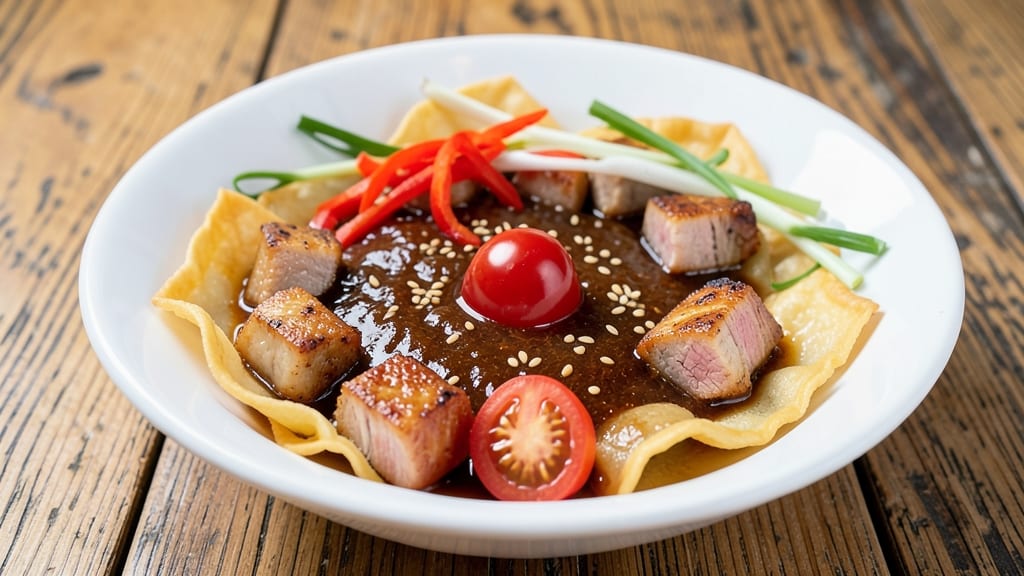
This La Choy sweet and sour sauce copycat recipe delivers the same tangy-velvety balance that makes takeout dishes shine—all with pantry staples and precise technique.
The secret lies in simmering sugar, vinegar, and ketchup until the flavors meld into that signature sweet-tart harmony, then thinning it just right for perfect drizzling or dipping. I developed this version after years of testing, ensuring every batch achieves that restaurant-quality consistency without shortcuts.
The beauty of this sauce is its versatility—it elevates fried rice, chicken, pork, or even vegetables with equal success. What makes it work is the gradual reduction of the mixture, which develops depth while maintaining that signature glossy finish.
Unlike store-bought versions, this copycat recipe avoids artificial flavors, relying instead on real vinegar for tang and brown sugar for caramelized richness.
By the time you taste the finished sauce, you’ll recognize that familiar sweet-and-sour profile—bright yet balanced, with just enough acidity to cut through richness. The texture is smooth and clingy, clinging to every bite of your dish.
Best of all, it keeps well in the fridge for up to two weeks, making it a pantry essential for quick weeknight meals.
Ready in just 20 minutes, this sauce requires no special ingredients—just careful attention to the simmering process. Let’s get started on recreating that iconic flavor at home.
Ingredients for la choy sweet and sour sauce copycat
Pantry staples transform into restaurant-quality sweet and sour sauce with precise technique.
| Ingredient | Amount | Notes |
|---|---|---|
| Brown Sugar 🍯 | ½ cup | Packed firmly for accurate measurement |
| White Vinegar 💧 | ½ cup | Distilled preferred for tang |
| Ketchup 🍅 | ½ cup | Heinz preferred for consistency |
| Water 💧 | ½ cup | Room temperature for smooth blend |
| Cornstarch 🌾 | 1 tbsp | Arrowroot substitute at equal amount |
| Soy Sauce 🍜 | 2 tbsp | Light or all-purpose variety |
| Garlic Cloves 🧄 | 2 cloves | Minced for flavor infusion |
| Sesame Oil 🫒 | 1 tbsp | Toasted preferred for aroma |
| Salt 🧂 | ½ tsp | Diamond Crystal kosher preferred |
| White Pepper 🌶️ | ¼ tsp | Freshly ground for subtle heat |
The brown sugar is non-negotiable here—light or dark both work, but avoid powdered. Trader Joe's and Whole Foods carry excellent varieties for caramelized depth. Vinegar quality matters too; distilled white vinegar delivers consistent tang without overpowering. For ketchup, Heinz is the industry standard—its balanced sweetness and acidity replicate the original. Garlic should be freshly minced (not jarred) to avoid bitterness. Sesame oil adds that signature aroma, but toasted sesame oil from Asian markets elevates it further.
No brown sugar? Substitute maple syrup at equal measure, though texture may vary slightly. Running short on vinegar? Lemon juice at half the amount works in a pinch, but expect a brighter finish. Ketchup brands differ wildly—Hunts is slightly sweeter, while Wright's leans tangier. Cornstarch is critical for thickening; arrowroot powder can replace it one-to-one. For umami depth, mushroom powder at ½ teaspoon enhances the sauce without altering texture. Always taste before thinning with water—this sauce should coat the back of a spoon.
Store in an airtight container in the refrigerator for up to 2 weeks. The sauce thickens as it cools, so stir in 1 teaspoon water before using if needed. Freezes beautifully for 3 months—portion into ice cube trays for single-use servings. For restaurant-quality consistency, simmer uncovered during the reduction stage to develop proper gloss. Leftovers make exceptional glazes for roasted vegetables or quick stir-fries.
Why You'll Love This Recipe
- Pantry Magic: I swear by this sauce because it uses stuff I already have—no fancy shopping required. Brown sugar and vinegar alone give it that signature tang, and ketchup? That’s my secret weapon for depth without extra effort.
- Tangy-Sweet Balance: Honestly, it’s the cornstarch slurry that makes this shine—thick, glossy, and just sweet enough to cut through the vinegar’s bite. One taste, and you’ll understand why I keep a jar in the fridge.
- Weeknight Workhorse: This sauce turns takeout cravings into a 15-minute dinner. Drizzle it over chicken, toss with veggies, or even use it in stir-fries—it’s my go-to when I’m too tired to plan.
- Budget-Friendly Staple: Between us, this recipe costs pennies and stretches for days. The leftovers? Perfect for quick reheats or freezing. I’ve fed a crowd with just two batches—no stress, all flavor.
Step-by-step instructions for La Choy sweet and sour sauce copycat recipe
This method delivers the signature tangy-velvety balance of La Choy using only pantry staples.
Create a Smooth Base with Brown Sugar and Vinegar
In a medium saucepan, combine the 0.5 cup brown sugar and 0.5 cup white vinegar over medium-low heat. Stir continuously for 3-4 minutes until the sugar fully dissolves and the mixture becomes a glossy, amber syrup. This step develops the foundational sweet-tart balance that defines the sauce.
Watch closely as the mixture thickens slightly—you're aiming for a smooth, pourable consistency without any graininess. If you notice any sugar crystals lingering, add 1 tablespoon water and stir until completely dissolved. The syrup should coat the back of a spoon with a velvety texture, signaling it's ready for the next ingredients.
Build Flavor with Ketchup, Soy Sauce, and Aromatics
Reduce heat to low and add the 0.5 cup ketchup, 2 tablespoons soy sauce, and 2 minced garlic cloves. Stir vigorously for 2-3 minutes until the mixture becomes fragrant and the garlic releases its aromatic oils. The ketchup will deepen the sauce's color while the soy sauce adds umami complexity.
Here's where the sauce begins to transform—you'll notice the mixture darkening slightly as the garlic infuses its flavor. If the sauce appears too thick at this stage, add 1 tablespoon water to maintain proper consistency. The goal is a smooth, slightly syrupy texture that coats the back of a spoon without being gluey.
Thicken the Sauce with Cornstarch Slurry
In a small bowl, whisk together the 1 tablespoon cornstarch with 0.5 cup water until completely dissolved. This creates a smooth slurry that will properly thicken the sauce without developing lumps. Slowly pour the slurry into the saucepan while stirring continuously over medium heat.
Bring the mixture to a gentle simmer and cook for 3-4 minutes until it thickens to a glossy, coatable consistency. You'll know it's ready when the sauce leaves a visible trail on the back of a spoon and no longer drips off immediately. The sauce should be thick enough to cling to proteins but still maintain a smooth, velvety texture.
Finish with Sesame Oil and Seasonings
Remove the saucepan from heat and stir in the 1 tablespoon sesame oil, 0.5 teaspoon salt, and 0.25 teaspoon white pepper. The sesame oil will add a nutty aroma and rich depth of flavor, while the seasonings balance the sweet and sour elements. Taste the sauce and adjust seasoning if needed—you may want to add a touch more soy sauce for saltiness or vinegar for tang.
Let the sauce sit at room temperature for 5-10 minutes to allow all the flavors to fully meld. This resting period ensures the sesame oil's aroma has time to integrate completely, resulting in a more complex flavor profile. The sauce should now have that signature La Choy balance—tangy from the vinegar, sweet from the brown sugar, and savory from the soy sauce and garlic.
Use Immediately or Store Properly
This sauce is best used immediately for stir-fries, glazes, or dipping sauces. If you need to store it, transfer to an airtight container and refrigerate for up to 1 week. Before using, reheat gently over low heat, stirring frequently to prevent scorching. The sauce will thicken slightly upon reheating, so you may need to add 1-2 teaspoons water to restore its original consistency.
For optimal results, use the sauce within 24 hours of making it. Fresh sauce has the brightest flavors and perfect texture. When using on proteins like chicken or pork, toss them in the sauce while still hot to ensure proper coating and flavor absorption. The sauce should cling beautifully to whatever you're serving it with, delivering that authentic La Choy taste in every bite.
Pro Tips For Making La Choy Sweet And Sour Sauce Copycat
- WHISK LIKE YOU MEAN IT: The sauce will clump like glue if you’re half-hearted with the cornstarch slurry. Stir vigorously while pouring it into the simmering mixture—think of it as a race against thickening. I learned this the hard way when my first batch turned into a sticky mess that wouldn’t coat the noodles.
- SWEAT THE BROWN SUGAR: Don’t just dump that brown sugar in raw—it’ll make the sauce taste grainy and one-note. Heat it in the pan for 30 seconds with a splash of water first. This caramelizes it slightly, deepening the flavor and making the whole sauce sing. (Yes, even if you’re impatient like me.)
- TURN OFF THE HEAT EARLY: The sauce will keep thickening after you remove it from heat—trust the process. Pull it off the stove when it’s just starting to coat the back of a spoon, then let it sit for 2 minutes. I used to overcook it every time, ending up with a gluey, sad sauce that stuck to everything.
- BALANCE THE VINEGAR: White vinegar is sharp, and if you’re not careful, the sauce will taste like you’re pickling your takeout. Taste as you go, and if it’s too harsh, add a pinch of sugar or a dash of ketchup to round it out. (I keep a small bowl of sugar nearby—it’s my secret weapon.)
Wine and beer pairings for these flavors
Crisp White Wine
For this bright, tangy sauce, I recommend a dry Riesling or Sauvignon Blanc—their crisp acidity mirrors the vinegar's sharpness while cutting through the sweetness. A German Riesling with its citrus notes enhances the sauce's zing, while a New Zealand Sauvignon Blanc adds herbal complexity.
Serve slightly chilled (45-50°F) to preserve the wine's freshness and let its minerality complement the sauce's glossy texture. 🍷
Light Lager Beer
A pilsner-style beer like Stella Artois or Heineken works beautifully—its clean, effervescent profile cleanses the palate between bites of sweet-and-sour dishes. The subtle malt sweetness also harmonizes with the sauce's caramelized notes.
For a local option, Budweiser or Coors Light provide the same crisp, refreshing contrast. Avoid heavy ales or IPAs, which would overpower the delicate balance of the sauce.
Asian-Inspired Sake
Warm junmai sake (preferably 15-16% ABV) at 110°F adds an authentic touch to dishes like sweet-and-sour pork or chicken. The sake's subtle sweetness and umami depth enhance the sauce's complexity without competing.
I recommend Kubota Junmai or Dassai for their smooth, balanced profiles. Serve in small portions to let the sauce's flavors shine through.
Non-Alcoholic Options
For a refreshing alternative, try sparkling apple cider—its effervescence mirrors wine's crispness while the apple notes complement the sauce's sweet-tart profile. Fever-Tree Ginger Beer (non-alcoholic) adds a spicy kick that pairs wonderfully with fried dishes. Both options work equally well for balancing the sauce's richness without alcohol's interference. 🍎
Pairing Pro Tips
Always serve wine or beer slightly chilled—45-50°F for whites and 40-45°F for lagers—to maintain their freshness. For maximum flavor contrast, sip between bites of sweet-and-sour dishes. If using sake, warm it gently in a small saucepan or rice cooker to 110°F—never microwave, as it dulls the aroma.
The goal is to let the sauce's tangy-sweet profile remain the star of the show.
Nutrition facts
Frequently asked questions
Can I make this sauce without cornstarch?
Yes, but the texture will differ. For a gluten-free option, use arrowroot powder at the same ratio. If you're avoiding starch entirely, reduce the water by 2 tablespoons and simmer the sauce longer—it will thicken naturally but may be slightly less glossy. The cornstarch creates that signature velvety finish, so expect a thicker, more clingy sauce with it.
Why does my homemade sauce taste too sweet?
This usually happens when the vinegar isn't balanced properly. Add 1-2 teaspoons more white vinegar and simmer for 1-2 minutes to let the acidity cut through. For future batches, taste after combining sugar and vinegar—it should be noticeably tart before adding other ingredients.
How can I use this sauce beyond stir-fries?
This versatile sauce works as a glaze for roasted vegetables, a dipping sauce for spring rolls, or even a marinade for grilled chicken. Try drizzling it over fried rice or tossing with cold noodles for a quick meal. The key is to use it warm to enhance its glossy texture and flavor.
Can I make this sauce in a slow cooker?
Combine all ingredients in the slow cooker on low heat for 2-3 hours, stirring occasionally. The sauce will thicken naturally without needing cornstarch. For extra gloss, finish with 1 tablespoon sesame oil after cooking. This method is perfect for hands-off prep but may require thinning with water if too thick.
What's the best way to store leftovers?
Transfer to an airtight container and refrigerate for up to 2 weeks. The sauce thickens when cold, so stir in 1 teaspoon water before reheating. For longer storage, freeze in ice cube trays—thaw overnight in the fridge and reheat gently. Avoid reheating directly from frozen to prevent separation.